According to the RollingStone Magazine, the Duet with Queen and David Bowie “Under Pressure” (https://youtu.be/HglA72ogPCE) (RQ 7) was the best all-time. In July 1981, David Bowie headed over to Montreux’s Mountain Studio to record a track with Queen. He originally planned on singing on “Cool Cat,” but the session didn’t gel. Luckily, the four members of Queen and Bowie started jamming on a new piece that soon morphed into “Under Pressure.” The whole thing came together within a matter of hours, though there’s a dispute to this day over who exactly came up with the iconic bass line. The song became a worldwide hit, though the never performed it together live — even though Bowie’s set immediately followed Queen’s at Live Aid.
62 Duets are included in this blog:
Cassandra and Callahan Armstrong Photo Credit: tbnewswatch.com
Neville, Aaron & Linda Ronstadt. Linda has earned 11 Grammy Awards, three American Music Awards, two Academy of Country Music awards, an Emmy Award, and an ALMA Award. “Don’t Know Much” Post 6 (https://youtu.be/i_ElZaDt2D4) (RQ 10).
Alex Miller & Luke Bryan Photo credit: countrynow.com
We have highlighted 20 artists and groups that were created in the 1950s and 60s:
Fred Astaire, Chubby Checker, Danny & The Juniors, Guillermo Del Toro, Diana Divine, Bob Fosse, Bobby Freeman, Annette Funicello, Jerry Lewis, Marvin Gaye, RJ & The Del Guapos, Renata & Samuel, Ginger Rodgers, Dee Dee Sharp, The Diamonds, The Orlons, Gene Vincent, and Lawrence Welk. Their links to the dance types follow…
Fred Astaire & Ginger Rodgers Photo credit: bookesther.wordpress.com “Night and Day” (RQ 7 live) https://youtu.be/N3FeMCh3yNk
Fred Astaire (May 10, 1899 – June 22, 1987) and Ginger Rogers (July 16, 1911 – April 25, 1995) were dance partners in a total of 10 films, nine of them with RKO Radio Pictures from 1933 to 1939, and one, The Barkleys of Broadway, with MGM in 1949, their only color film. The best all-time dance partners!
In 1950, Rogers presented an honorary Academy Award to Astaire “for his unique artistry and his contributions to the technique of musical pictures.” Throughout the 1950s, Rogers’ film career declined, and she began to focus more on Broadway roles; she received great acclaim for her portrayals of the title characters in Mame and Hello, Dolly!.
The Impact of Dance
The impact of dance during the two decades between 1950-1970 can be as dramatic as the singers that lived during the time. For starters, there were seventeen new types of dance types that were created (see the details that follow below). I am not counting two of them (i.e., Jitterbug and Swing) as they started between 1920-1930. I would challenge you to think of another period of history that initiated more types of dances.
As a result of people immersing themselves into such a variety of new ways to dance to their favorite songs, this led to greater overall enjoyment for music during these years. While a person gains enrichment and appreciation for music by listening, adding dancing further reinforces their love for the artist that is singing and/or playing instruments. As you listen and watch these dance videos, pay specific attention to the individual dancer’s facial expressions and try to imagine what they are thinking about and how they are feeling inside. I believe you will conclude that they are enjoying themselves and all seem very happy.
American Idol is an American singing competition television series created by Simon Fuller, produced by Fremantle North America and 19 Entertainment, and distributed by Fremantle North America. It initially aired on Fox from June 11, 2002, to April 7, 2016, for 15 seasons. It was on hiatus for two years until March 11, 2018, when a revival of the series began airing on ABC.
It started as an addition to the Idols format that was based on Pop Idol from British television, and became one of the most successful shows in the history of American television. The concept of the series involves discovering recording stars from unsigned singing talents, with the winner determined by American viewers using phones, Internet, and SMS text voting.
We Ani (McDonald) Photo credit: TV Shows Ace
In 2023, I thought the final three (Megan Danielle, Colin Stough and Iam Tongi) were popularity favorites rather than having the best vocals. Tongi ended up winning. I thought We Ani had by far the best voice. The Jersey “Idol” contestant is no stranger to national TV, having competed on “The Voice” in 2016, making it all the way to second runner-up. At the time, she competed as Wé McDonald. Both “Idol” and “The Voice” have highlighted the sizable difference between Ani’s high-pitched speaking voice and deeper singing voice. An example of hers is a cover of Aretha Franklin’s “Ain’t No Way” (https://youtu.be/zbD2NRR5XL4).
The winners of the first nineteen seasons, as chosen by viewers, are:
Kelly Clarkson Photo Credit: Today (20th Anniversary)
Kelly Clarkson (2002) “Greatest Hits” (https://youtu.be/sB1YL6qzD5c) (RQ 10). Most successful with 15 Grammy nominations and 25M records sold.
Ruben Studdard Photo Credit: Pop Sugar
Ruben Studdard (2003) “Sorry” (https://youtu.be/fRuzeZKYN-I) (RC 10). Clay Aiken was second but more successful including one platinum album.
Fantasia Barrino Photo Credit: The Boston Globe
Fantasia Barrino (2004) “Greatest Hits” (https://youtube.com/playlist?list=PLC5BFB0A96759A167). She also has been successful with three Grammy nominations. Also, Jennifer Hudson has won two Grammys but was eliminated from the competition.
American Idol employs a panel of vocal judges who critique the contestants’ performances. The original judges, for the first through eighth seasons, were record producer and music manager Randy Jackson, singer and choreographer Paula Abdul, and music executive and manager Simon Cowell. The judging panel for the last three seasons on Fox consisted of singers Keith Urban, Jennifer Lopez, and Harry Connick Jr. The sixteenth season brought three new judges: singers Lionel Richie, Katy Perry, and Luke Bryan. The first season was hosted by radio personality Ryan Seacrest and comedian Brian Dunkleman, but Seacrest has been the sole master of ceremonies since the second season.
The success of American Idol has been described as “unparalleled in broadcasting history”. A rival TV executive said the series was “the most impactful show in the history of television”. It became a recognized springboard for launching the career of many artists as bona fide stars. According to Billboard magazine, in its first ten years, “Idol has spawned 345 Billboard chart-toppers and a platoon of pop idols, including Kelly Clarkson, Carrie Underwood, Chris Daughtry, Fantasia, Ruben Studdard, Jennifer Hudson, Clay Aiken, Adam Lambert, Gabby Barrett and Jordin Sparks while remaining a TV ratings juggernaut.”
For an unprecedented eight consecutive years, from the 2003–04 television season through the 2010–11 season, either its performance show or result show was ranked number one in U.S. television ratings.
2022: Singersgiven tickets to Hollywood that look like possible winners:
Betty Maxwell “A Moment Like This” https://youtu.be/fG0K6egK_A0 Betty was Miss America in 2016 She also does impersonations well… hopes for a Disney career Photo Credit: neaww.com
My intention with this “Classics Forever” post is to include artists that have produced records that were extremely popular back in the 1950s and 1960s and will continue to be played on the radio for generations to come.
Below you will find seven playlists that fall under Classics Forever for your enjoyment:
To date I have 74 (30 of which played at Woodstock) artists or bands that meet this criteria:
Paul Anka, Gene Autry, Mo Bandy, Brook Benton, Blood, Sweat & Tears, Booker T & The MGs, Earl Bostic, Jan Bradley, Arthur Brown, James Brown, Betsy Brye, Canned Heat, Jimmy Charles, Ray Charles, Don Cherry, Lou Christie, Jimmy Clanton, Mary Clanton, Patsy Cline, Sam Cooke, Cream, Creedence Clearwater Revival, Bing Crosby, Crosby, Stills & Nash, Danny and The Juniors, Dave Clark Five, Mac Davis, Skeeter Davis, Deep Purple, Bo Didley, Dion and The Belmonts, Fats Domino, Patti Drew, Giorgia Todrani, Bobby Hebb, John Fogarty, Four Jacks and a Jill, Jay and the Americans, Smily Lewis, Bob Lind, Ricky Nelson, Marty Robbins, The Animals, The Association, The Beach Boys, The Beatles, Joe Bennett & The Sparkletones, The Big Bopper, The Box Tops, The Browns, The Bryds, The Buckinghams, Paul Butterfield Blues Band, The Chiffons, The Chordettes, The Cowsills, The Crew Cuts, The Critters, The Del-Vikings, The Doors, The Drifters, The Guess Who, The Ink Spots, The Ronettes, The Tonettes, Ricky Valance, Richie Valens, The We Five and Neil Young.
In 1969, the three-day Woodstock music festival gathered more than 100,000 fans on a large farm in northern New York state. Thirty famous artists and bands played:
Joan Baez, Blood, Sweat & Tears, Canned Heat, Joe Cocker, Country Joe and The Fish, Crosby, Stills, Nash & Young, Grateful Dead, Arlo Guthrie, Tom Hardin, Richie Havens, Jimi Hendrix, Jefferson Airplane, Janis Joplin, Keef Hardley Band, Incredible String Band, Mountain, Paul Butterfield Blues Band, Melanie Safja, Santana, John B. Sabastian, Sha Na Na, Ravi Shankar, Sly and The Family Stone, Burt Sommer, Sweetwater, Ten Years After, The Band, The Who, Quill, and Johnny Winter.
Neil Percival Young (born November 12, 1945) is a Canadian-American singer, musician and songwriter. After embarking on a music career in Winnipeg in the 1960s, Young moved to Los Angeles, joining Buffalo Springfield with Stephen Stills, Richie Furay and others. Since the beginning of his solo career (“Heart of Gold” (https://youtu.be/WZn9QZykx10) and “Mansion on the Hill” (https://youtu.be/XIiQETWm3j0) with his backing band Crazy Horse, Young has released many critically acclaimed and important albums, such as Everybody Knows This Is Nowhere, After the Gold Rush, Harvest, On The Beach and Rust Never Sleeps. He was a part-time member of Crosby, Stills & Nash. Young has received several Grammy and Juno Awards. The Rock and Roll Hall of Fameinducted him twice: in 1995 as a solo artist and in 1997 as a member of Buffalo Springfield. In 2000, Rolling Stone named Young No. 34 on their list of the 100 greatest musical artists. According to Acclaimed Music, he is the seventh most celebrated artist in popular music history. His guitar work, deeply personal lyrics and signature high tenor singing voice define his long career. He also plays piano and harmonica on many albums, which frequently combine folk, rock, country and other musical genres. His often distorted electric guitar playing, especially with Crazy Horse, earned him the nickname “Godfather of Grunge” and led to his 1995 album Mirror Ball with Pearl Jam. More recently he has been backed by Promise of the Real. 21 of his albums and singles have been certified Gold and Platinum in U.S by RIAA certification. Young directed (or co-directed) films using the pseudonym “Bernard Shakey”, including Journey Through the Past (1973), Rust Never Sleeps (1979), Human Highway (1982), Greendale (2003), and CSNY/Déjà Vu (2008). He also contributed to the soundtracks of the films Philadelphia (1993) and Dead Man (1995). Young has lived in California since the 1960s but retains Canadian citizenship. He was awarded the Order of Manitoba in 2006 and was made an Officer of the Order of Canada in 2009. He became a United States citizen, taking dual citizenship, in 2020.
Giorgia Todrani, best known as Giorgia, born 26 April 1971) is an Italian singer, songwriter, musician, record producer and radio host. Known for her soulful voice, aided by a wide vocal range, high belting register and great vocal abilities. Her vocal range spans 4 octaves. One of the most iconic and famous Italian singers, she has released ten studio albums all enjoying commercial success. Giorgia has become fairly well known throughout Europe as an ambassador for Italian pop music, and has also achieved moderate success in Canada and Latin America. For her voice’s qualities she has been compared to Whitney Houston and Mina, and has been defined “fourth-best voice in the world”. Billboard magazine called her “one of the most popular Italian singers” and stated that “she could have made it (a great success) in the USA too”Giorgia holds the first place among the artists Italian women of her generation for number of weeks in the Fimi-Nielsen chart, and she has sold over 7 million records worldwide, with 12 top-ten albums of which 5 number-one on the Italian album chart, and 24 top-ten singles of which 5 number-one hits on the Italian singles chart. She has participated three times at the Sanremo Music Festival, in 1995, in 1996 and in 2001, resulting at the first, third and second place respectively. At the Sanremo Music Festival 1995, she has won 4 prizes in the same night (Festival First Awards, Radio/TV Awards, Authors Awards and “Mia Martini” Awards). In her career Giorgia has won 8 Italian and Wind Music Awards, a David di Donatello, a Nastro d’argento and a “Premio Lunezia”. One of her newest recordings is “Credo” (https://youtu.be/iFLrnLRzqto) (RQ 10).
John Fogarty Photo credit: festicket.com
John Cameron Fogerty is an American musician, singer, and songwriter. Together with Doug Clifford, Stu Cook, and his brother Tom Fogerty, he founded the band Creedence Clearwater Revival, for which he was the lead singer, lead guitarist, and principal songwriter. One of their top songs was: “Fortunate Son” (https://youtu.be/ec0XKhAHR5I) (RQ 10). They also had other hits including: “Have You Ever Seen the Rain” and “Bad Moon Rising.”
Ricky Valance Photo credit: peoplepill
David Spencer (10 April 1936 – 12 June 2020), known professionally as Ricky Valance, was a Welsh pop singer. He was best known for the UK number one single “Tell Laura I Love Her” (https://youtu.be/TL4dICC1T10) (RQ 9), which sold over a million copies in 1960. He was the first male Welsh singer to have a UK number one single hit.
The Big Bopper Photo credit: whosdatingwho
Jiles Perry Richardson Jr. (October 24, 1930 – February 3, 1959), known as The Big Bopper, was an American musician, singer, songwriter, and disc jockey. His best known compositions include “Chantilly Lace” (https://youtu.be/6LWBX97qDFk) (RQ 10) and “White Lightning”, the latter of which became George Jones’ first number-one hit in 1959. Richardson was killed in a plane crash in Clear Lake, Iowa in 1959, along with fellow musicians Buddy Holly and Ritchie Valens, and the pilot Roger Peterson. The accident was famously referred to as “The Day the Music Died” in Don McLean’s 1971 song “American Pie”.
Mac Davis Photo credit: noise11.com
Scott Mac Davis (January 21, 1942 – September 29, 2020) was an American country music singer, songwriter, and actor. He first recorded five singles beginning in 1962 which failed to chart. A native of Lubbock, Texas, he enjoyed success as a crossover artist, and during his early career wrote for Elvis Presley, providing him with the hits “Memories”, “In the Ghetto”, “Don’t Cry Daddy”, and “A Little Less Conversation”. A subsequent solo career in the 1970s produced hits such as “Baby, Don’t Get Hooked on Me” (https://youtu.be/JZwiIiWBx24) (RQ10). Davis also starred in his own variety show, a Broadway musical, and various films and TV shows.
We Five Photo credit: oocities.com
We Five was a 1960s folk rock musical group based in San Francisco, California. Their best-known hit was their 1965 remake of Ian & Sylvia’s “You Were on My Mind” (https://youtu.be/c7YSANg8vgw) (RQ 10), which reached No. 1 on the Cashbox chart, #3 on the BillboardHot 100, and #1 on the Adult Contemporary chart. The original group split after recording their second album in 1967, but a re-formed band produced three more albums between 1968 and 1977.
The Tonettes Photo credit: The History of Rock & Roll
The Tonettes, an all girl doo wop group from the Bronx, New York city consisted of sisters Diana and Sylvia Sanchez with Josephine Allen. Manager Lou Ezzo having licensed their debut effort, “Why Keep Me Dreaming,” to the Apollo Record label, sold the girls’ contract to Apollo vice president Charles Merenstein. When Merenstein launched his own label, Doe Records, he brought The Claremonts with him, rechristening the group The Tonettes. He reasoned that the new name had a “snappier” sound that teenagers would better relate to. This was also the reason that he recorded the group on his new label thinking that the Apollo Records label was too historically aligned with the basic sound of R & B. And so in February of 1958 came “Oh What A Baby” (https://youtu.be/rha5gPr56sQ) (RQ 8) backed with “Howie” on the B side. “Baby” was an immediate success, and beside the name change, the sound of the record certainly had a “snappy” sound. It took off up and down the East Coast and had that certain something that made it a favorite at record hops and dances everywhere. Soon Doe Records realized the extent of the appeal of the record and leased the master to ABC-Paramount which gave the record access to nationwide distribution. “Oh What A Baby” was a good seller and a mainstay on radio playlists, throughout the spring.The single hit retail in early 1958, and proved so popular on East Coast radio that ABC-Paramount licensed the disc for national release. Despite charting in pockets of the U.S., “Oh! What a Baby” failed to reach the Billboard Hot 100.After contributing un-credited backing vocals to singer Vince Castro’s single “Bong Bong (I Love You Madly),” The Tonettes cut their follow-up, “Uh-Oh”. When the single failed to catch fire, the trio’s recording career came to a close, and they split in 1962. The Sanchez sisters, Diana and Sylvia, are alive and well. Sylvia is still on the east coast where as Diana has moved out on the West. Sadly, Josie Allen has passed on, and is missed by both of the Sanchez sisters. Diana and Sylvia continue to sing and do little writing,
Marty Robbins Photo credit: Nashville Songwriters Hall of Fame
Marty Robbins was born in Glendale, Arizona, Robbins taught himself guitar while serving in the United States Navy during World War II, and subsequently drew fame performing in clubs in and around his hometown. In 1956, he released his first No. 1 country song, “Singing the Blues” and one year later, released two more No. 1 hits, “A White Sport Coat” and “The Story of My Life”. In 1959, Robbins released his signature song, “El Paso” (https://youtu.be/zWm5WErkffQ) (RQ 10), for which he won the Grammy Award for Best Country & Western Recording. The song began Robbins’ association with western balladry, a style which would become a staple of his career. Later releases that drew critical acclaim include “Don’t Worry”, “Big Iron” and “Honkytonk Man”, the last for which the 1982 Clint Eastwood film is named, and in which Robbins made his final appearance before death.
Over the course of his career, Robbins recorded more than 500 songs and 60 albums, and won two Grammy Awards, was elected to the Country Music Hall of Fame and Nashville Songwriters Hall of Fame, and was named the 1960s Artist of the Decade by the Academy of Country Music. Robbins was a commercial success in both the country and pop genres, and his songs were covered by many other famous artists, including Johnny Cash, the Grateful Dead and Elvis Presley. His music continues to have an influence in pop culture today, having recently appeared in several contemporary pop culture features, including the video game Fallout: New Vegas, and the series finale of AMC’s Breaking Bad.
Paul Anka Photo credit: HollywoodStarWeek
Paul Albert Anka (born July 30, 1941) is a Canadian-American singer, songwriter, and actor. He became famous with hit songs including “Diana” (https://youtu.be/1Nie88qy6I4) (RQ 10), “Lonely Boy” (https://youtu.be/fv-Gjc6fzlc) (RQ 10), “Put Your Head on My Shoulder” (https://youtu.be/D-Z9szBmK2A) RQ 9) and “(You’re) Having My Baby”. He wrote the theme for The Tonight Show Starring Johnny Carson, one of Tom Jones’ biggest hits “She’s a Lady”, and the English lyrics to Claude François and Jacques Revaux’s music for Frank Sinatra’s signature song “My Way”, which has been recorded by many, including Elvis Presley. Two songs he co-wrote with Michael Jackson, “This Is It” (originally titled “I Never Heard”) and “Love Never Felt So Good”, became posthumous hits for Jackson.
Dion and the Belmonts Photo credit: MyRadioLink
Dion and the Belmonts were a leading American vocal group of the late 1950s. All of its members were from the Bronx, New York City. In 1957, Dion DiMucci (born July 18, 1939) joined the vocal group The Belmonts. The established trio of Angelo D’Aleo (born February 3, 1940), Carlo Mastrangelo (October 5, 1937 – April 4, 2016), and Fred Milano (August 26, 1939 – January 1, 2012), formed a quartet with DiMucci. The name the Belmonts was derived from the fact that two of the four singers lived on Belmont Avenue in the Bronx, and the other two lived near Belmont Avenue. After unsuccessful singles on Mohawk Records in 1957 and then on Jubilee Records (“The Chosen Few”; Dion & the Timberlanes not the Belmonts), Dion was paired with The Belmonts. The group signed with Laurie Records in early 1958. The breakthrough came when their first Laurie release, “I Wonder Why” (https://youtu.be/ylnQXpMd1Yg) (RQ 10), reached No. 22 on the Billboard Top 100 chart, and they appeared for the first time on the nationally televised American Bandstand show, hosted by Dick Clark. Dion said of the Belmonts, “I’d give ’em sounds. I’d give ’em parts and stuff. That’s what ‘I Wonder Why’ was about. We kind of invented this percussive rhythmic sound. If you listen to that song, everybody was doing something different. It was totally amazing. When I listen to it today, often times I think, ‘Man, those kids are talented’.” Dion and the Belmonts were the sound of the city. Their roots were doo-wop groups like the Flamingos, the Five Satins, the Dells, acts who developed their sound in urban settings on street corners, mimicking instruments with their voices, even complex jazz arrangements. They followed the hit with the ballads “No One Knows” (No. 19) and “Don’t Pity Me” (No. 40), which they also performed on Bandstand. This early success brought them their first major tour in late 1958, with the Coasters, Buddy Holly and Bobby Darin, followed by the historic and tragic Winter Dance Party tour featuring Holly, Ritchie Valens and the Big Bopper. On February 2, 1959, after playing the Surf Ballroom, Holly arranged to charter a plane. Dion decided he could not afford the $36 cost to fly to the next venue. According to Dion, $36 was the same price his parents paid for monthly rent. He told Holly no. Shortly after midnight, on February 3, 1959, the plane crashed near Clear Lake, Iowa, with Holly, Valens, The Big Bopper, and the pilot, Roger Peterson, all being killed. Bobby Vee, then an unknown artist, performed in Holly’s place at the next concert. Later, Jimmy Clanton, Frankie Avalon, and Fabian were hired to finish the tour in place of the three deceased headliners. As of January 11, 2017 with the death of Holly’s tour guitarist Tommy Allsup, Dion is the lone surviving member of the original Winter Dance Party lineup. (The lone surviving Belmont, Angelo D’Aleo, was not on the tour, as he was in the US Navy at the time.). In March 1959, Dion and the Belmonts’ next single, “A Teenager in Love” (https://youtu.be/1fgnEDi7bq0) (RQ 10), broke the Top Ten, reaching No. 5 on the Billboard Hot 100 and No. 28 on the UK Singles Chart. Written by Doc Pomus and Mort Shuman, it’s considered one of the greatest songs in rock and roll history. It was followed by their first album, Presenting Dion and the Belmonts. Their biggest hit, “Where or When”, was released in November 1959, and reached No. 3 on the Billboard Hot 100 with the group making another national appearance on American Bandstand. Although publicity photos show the group as a trio without Angelo D’Aleo, he performed on all of their recorded material; these photos were presented for promotional reasons owing to his departure to serve in the U.S. Navy. After leaving the Belmonts, he recorded “Runaround Sue” in 1961 (https://youtu.be/ik57HLn0Nm0) (RQ 10).
Woodstock Music Festival August 15-17, 1969 Photo credit: Pinterest
The Woodstock Music Festival began on August 15, 1969, as half a million people waited on a dairy farm in Bethel, New York, for the three-day music festival to start. Billed as “An Aquarian Experience: 3 Days of Peace and Music,” the epic event would later be known simply as Woodstock and become synonymous with the counterculture movement of the 1960s. Woodstock was a success, but the massive concert didn’t come off without a hitch: Last-minute venue changes, bad weather and the hordes of attendees caused major headaches. Still, despite Woodstock was a peaceful celebration and earned its hallowed place in pop culture history. The Woodstock Music Festival was the brainchild of four men, all age 27 or younger, looking for an investment opportunity: John Roberts, Joel Rosenman, Artie Kornfeld and Michael Lang. Lang had organized the successful Miami Music Festival in 1968 and Kornfeld was the youngest vice president at Capitol Records. Roberts and Rosenman were New York entrepreneurs involved in building a Manhattan recording studio. The four men formed Woodstock Ventures, Inc., and decided to host a music festival. The initial plan for Woodstock called for the event to be held at Howard Mills Industrial Park in Wallkill, New York. Wallkill town officials got spooked, however, and backed out of the deal, passing a law that eliminated any possibility of holding the concert on their turf. Woodstock Ventures explored a few other venues, but none panned out. Finally, just a month ahead of the concert, 49-year-old dairy farmer Max Yasgur offered to rent them part of his land in the White Lake area of Bethel, New York, surrounded by the verdant Catskill Mountains. With the concert just a month away, the four frantic partners jumped at the opportunity and paid his asking price. With no efficient way to charge concert-goers, Lang and his partners decided to make Woodstock a free event. Originally, about 50,000 people were expected. But by August 13, at least that number were already camped out on location and over 100,000 tickets pre-sold. As an estimated one million people descended on Woodstock, its organizers scrambled to add more facilities. Highways and local roads came to a standstill and many concert-goers simply abandoned their cars and trekked the rest of the way on foot. Eventually, about half a million people reached the venue. Woodstock officially ended on Monday, August 18, after Hendrix left the stage. Leaving Woodstock wasn’t much easier than getting there. Roads and highways quickly became jammed again as festival-goers made their way home. Cleaning up the venue was a mammoth task and required several days, many bulldozers and tens of thousands of dollars. In 2006, Bethel Woods Center for the Arts opened on the hill where the Woodstock Music Festival took place. Today, it hosts outdoor concerts in its beautiful pavilion. There’s also a 1960s museum on site. Many popular musicians have performed at Bethel Woods, including some who took the stage at Woodstock such as Crosby Stills Nash and Young, Santana, Arlo Guthrie and Joe Cocker. Woodstock is perhaps best described by Max Yasgur, the humble farmer who lent his land for the occasion. Addressing the audience on day three he said, “…You’ve proven something to the world…the important thing that you’ve proven to the world is that a half a million kids, and I call you kids because I have children who are older than you are, a half a million young people can get together and have three days of fun and music and have nothing but fun and music and God bless you for it!”
Day One Performers (Friday, August 19, 1969). Including one of their songs:
The Guess Who Photo credit: kirbyguitarlessons.com
The origins of the Guess Who date back to 1958, when Winnipeg singer/guitarist Chad Allan formed a local rock band called Allan and the Silvertones. After several lineup changes, the band stabilized in 1962 under the name Chad Allan and the Reflections, which included Allan and keyboardist Bob Ashley, plus future Guess Who mainstays Randy Bachmanon guitar, Jim Kale on bass, and Garry Peterson on drums. The band released their first single, “Tribute To Buddy Holly”, on Canadian-American Records in 1962. They then signed with Quality Records and released several singles in 1963–64, which gained some regional notice around Winnipeg but made little impact in the rest of Canada. One single was mis-credited to Bob Ashley and the Reflections. In 1965, the group changed their name to Chad Allan and the Expressions after an American group called The Reflections released the hit single “(Just Like) Romeo and Juliet” (https://youtu.be/T-gB8AILvrk) (RQ 9) They released the garage rock album Shakin’ All Overin January 1965. That album’s single, a cover of “Shakin’ All Over” by Johnny Kidd & the Pirates, was the band’s first major hit, reaching No1 in Canada, No. 22 in the United States, and No27 in Australia. Their American label, Quality Records, disguised the single by crediting it to Guess Who?, as a publicity stunt to generate speculation that it was by a more famous British Invasion band working incognito. After Quality Records revealed the band to be Chad Allan and the Expressions, disc jockeys continued to announce the group as Guess Who?, effectively forcing the band to accept the new name. They released their second album, Hey Ho (What You Do to Me!) in late 1965; it was credited to Chad Allan and the Expressions with “Guess Who?” displayed prominently on the cover.
Transitional Years (1966–1968)
Keyboardist Bob Ashley left the band in late 1965 due to the rigors of touring. He was replaced by 18 year-old Burton Cummings, formerly of Winnipeg group the Deverons, who also took on lead vocal duties in conjunction with Chad Allan. Just a few months later, Allan departed; he returned to college and then became a media personality with the CBC . This left Cummings as the sole lead singer. With Allan departed, the “Chad Allan and the Expressions” subtitle was dropped from the band’s releases, and they were billed solely as The Guess Who?. (The question mark would be dropped in 1968.) After Allan’s departure in 1966, guitarist Bruce Decker, a former bandmate of Cummings in the Deverons, joined for a few months. The band then settled as a quartet with Cummings on vocals and keyboards, Bachman on guitar, Kale on bass, and Peterson on drums. This lineup released the album It’s Time in the summer of 1966. Decker, despite being pictured on the cover of the album, did not participate in the recording. Conversely, some contributions by Allan (recorded before he left the group) can be heard on the album, though he is not credited. The band continued to release singles that were moderately successful in Canada, and “His Girl” entered the UK charts in 1967. The band traveled to the United Kingdom to promote the single, but this was a financial mistake as the song quickly dropped off the charts. They were unable to book shows or obtain work visas while in the UK, and returned to Canada heavily in debt. Later in 1967, the Guess Who were hired as the house band for the CBC radio show The Swingers, and as the house band for CBC television program Let’s Go, which was hosted by their former bandmate Chad Allan. They initially performed hit singles by other artists, but the CBC producers encouraged them to develop more of their own music as well. This gave the Guess Who greater exposure in Canada and financial stability for the next two years. After seeing the Guess Who on Let’s Go, record producer/sales executive Jack Richardsoncontacted the band about participating in an advertising project for Coca-Cola. This project became a split album titled A Wild Pair with Ottawa band the Staccatos (soon to rename themselves Five Man Electrical Band). The album could only be purchased by mail order from Coca-Cola. Richardson served as the Guess Who’s producer until their classic-era dissolution in 1975, and they were managed during that entire period by Don Hunter.
The beginning of their Classic Era (1968–1970)
Richardson signed the Guess Who to his Nimbus 9 label and production company, and personally financed the recording of a new album in late 1968. They were also signed to RCA for distribution outside of Canada. The band transitioned from their original garage rock roots to a more mature pop-rock sound with soul and jazz influences. Wheatfield Soul was released in early 1969 and achieved success in both Canada and the United States. The single “These Eyes” (https://youtu.be/ARoqKjb3lWo) (RQ 10) reached the top ten in the United States and became a gold record with sales of more than one million copies. The follow-up album Canned Wheat was released in September 1969, and featured the double-sided hit single “Laughing”/”Undun”. For their next album, the band adopted more hard rock influences. American Woman was released in January 1970 and became a substantial worldwide hit. It was their first album to top the Canadian albums chart, and their first to reach the top ten on the American albums chart. The title track reached No1 in both countries and was also a substantial hit in the United Kingdom. This made the Guess Who the first Canadian band to achieve a chart-topping single in the United States during the Billboard Hot 100 era. (Canadian doo-wop group The Crew Cuts had a number one single in 1954, before that chart was instituted.) “No Time” (https://youtu.be/Gzlq_aEJ008) (RQ 10) and “No Sugar Tonight/New Mother Nature” (https://youtu.be/yMG-Mi9I0-k) (RQ 9) also reached high on the singles charts in both Canada and the United States.
Smiley Lewis Photo credit: Spontaneous Lunacy
Overton Amos Lemons (July 5, 1913 – October 7, 1966), known as Smiley Lewis, was an American New Orleans rhythm and blues singer and guitarist. The music journalist Tony Russell wrote that “Lewis was the unluckiest man in New Orleans. He hit on a formula for slow-rocking, small-band numbers like ‘The Bells Are Ringing’ (https://youtu.be/AKsnw0ZH7gY) (RQ 7) and ‘I Hear You Knocking’ (https://youtu.be/Jz6jIcLAnmg) (RQ 7) only to have Fats Domino come up behind him with similar music with a more ingratiating delivery. Lewis was practically drowned in Domino’s backwash.”
The Crew-Cuts Photo credit: medium.com
The Crew-Cuts were a Canadian vocal quartet, that made a number of popular records that charted in the United States and worldwide. They named themselves after the then popular crew cut haircut, one of the first connections made between pop music and hairstyle. They were most famous for their recording of The Chords’ hit record, “Sh-Boom”. They all had been members of the St. Michael’s Choir School in Toronto, which also spawned another famous quartet, The Four Lads. Maugeri, John Perkins, and two others (Bernard Toorish and Connie Codarini) who later were among the Four Lads first formed a group called The Jordonaires (not to be confused with a similarly named group, The Jordanaires, that was known for singing backup vocals on Elvis Presley’s hits) and also The Otnorots (“Toronto” spelled backwards being “Otnorot”), but they split from the group to finish high school. When the Four Lads returned to Toronto for a homecoming concert, John Perkins and Maugeri ran into each other and decided that they could themselves have a musical future. They joined with Barrett and Ray Perkins in March 1952. cord, “Sh-Boom” (https://youtu.be/CikEbEtnBcE) (RQ 10). Another hit that plays on the radio today is “Earth Angel” (https://youtu.be/–8_OFubJLM) (RQ 9).
Betsy Brye Photo credit: discogs
“Sleep Walk” (https://youtu.be/xGc7oRXObCs) (RQ 10) is an instrumental steel guitar-based song written, recorded, and released in 1959 by brothers Santo & Johnny Farina. (The BMI Repertoire database and the original release credits three Farinas as composers including sister Ann.) It was recorded at Trinity Music in Manhattan, New York City, New York. “Sleep Walk” entered Billboard’s Top 40 on August 17, 1959. It rose to the number-one position for two weeks in September (the 21st and the 28th) and remained in the Top 40 until November 9. “Sleep Walk” also reached number four on the R&B chart. It was the last instrumental to hit number one in the 1950s and earned Santo & Johnny a gold record. One of the first covers was by Betsy Brye (stage name of Bette Anne Steele), also in 1959. It was released on a single by Columbia Records as catalog number DB 4530. Although Santo & Johnny wrote lyrics for “Sleep Walk”, they never recorded a version with the lyrics; Brye’s version includes these lyrics.
The Chordettes Photo credit: geezermusicclub.com
The Chordettes were an American female popular singing quartet, usually singing a cappella, and specializing in traditional popular music. They are best known for their songs “Mr. Sandman” (https://youtu.be/PKnPrbPK5vA) (RQ 10) and “Lollipop” (https://youtu.be/vaXmOBVqkBg) (RQ 9).
After performing locally in Sheboygan, they won on Arthur Godfrey’s radio program Talent Scouts in 1949. They held feature status on Godfrey’s daily program, and in 1950 cut their first LP, a collection of standards titled Harmony Time. for Columbia Records. Three more LPs followed.
In 1953, Godfrey’s music director and orchestra leader, Archie Bleyer, founded Cadence Records. He signed a number of Godfrey regulars and former regulars, including the Chordettes, who had a number of hit records for Cadence. Beginning in January 1954, the group sang on the Robert Q. Lewis Show, a weekday afternoon program on CBS-TV.
The Chordettes had released a couple of singles with Arthur Godfrey on Columbia in 1950-51 but didn’t cut a solo single until their breakout hit Mr. Sandman, released in late 1954 and which went on to become a #1 1955 hit. Archie Bleyer himself is on that record along with the group; Bleyer stripped down the sound to highlight the girls’ voices. They also hit #2 with 1958’s “Lollipop” and also charted with a vocal version of the themes from Disney’s Zorro (U.S. #17) (1959) and the film Never on Sunday (U.S. #13) (1961). Other hits for the group included “Eddie My Love” (U.S. #14), “Born to Be With You” (U.S. #5), “Lay Down Your Arms” in 1956, and “Just Between You and Me” (U.S. #8) in 1957. Their cover of “The White Rose Of Athens” hit the Australian Top 15 in May, 1962. The US single “In The Deep Blue Sea” was a one-week Music Vendor entry four months later (#128).
Crosby, Stills & Nash (CSN) was a folk rock supergroup made up of American singer-songwriters David Crosby and Stephen Stills, and English singer-songwriter Graham Nash. They are noted for their lasting influence on American music and culture, and for their intricate vocal harmonies, often tumultuous interpersonal relationships, and political activism. CSN formed in 1968 shortly after Crosby, Stills and Nash performed together informally in July of that year, discovering they harmonized well. Crosby had been asked to leave The Byrds in late 1967, and Stills’ band Buffalo Springfield had broken up in early 1968; Nash left his band The Hollies in December, and by early 1969 the trio had signed a recording contract with Atlantic Records. Their first album, Crosby, Stills & Nash, was released in May 1969, from which came two Top 40 hits, “Judy Blue Eyes” [#21] (https://youtu.be/kVUwrifwKrI) (RQ 7) and “Marrakesh Express” [#28] (https://youtu.be/0TYq9RjdYYU) (RQ 9). They still needed a keyboardist; Ahmet Ertegun suggested Canadian Neil Young, who had played with Stills in Buffalo Springfield, and after some initial reluctance, the trio agreed, signing him on as a full member. The band, was then named Crosby, Stills, Nash & Young, started their tour, and played their second gig at Woodstock Festival in the early morning hours of August 18, 1969.
Ritchie Valens Photo credit: quoteslab.net
Richard Steven Valenzuela (Born in Los Angeles, CA on May 13, 1941 – February 3, 1959), known professionally as Ritchie Valens, was an American singer, songwriter, and guitarist. A rock and roll pioneer and a forefather of the Chicano rock movement, Valens was killed in a plane crash eight months into his recording career. He was only 17 years old at the time. After the February 2, 1959, performance in Clear Lake, Iowa (which ended around midnight), Holly, Richardson, and Valens flew out of the Mason City airport in a small plane that Holly had chartered. Valens was on the plane because he won a coin toss with Holly’s backup guitarist Tommy Allsup. Holly’s bassist, Waylon Jennings, voluntarily gave up his seat on the plane to J.P. Richardson, who was ill with the flu. Around 12:55 am on February 3, 1959, the three-passenger Beechcraft Bonanza departed for Fargo, North Dakota, and crashed a few minutes after takeoff for reasons still unknown. The crash killed all three passengers and pilot Roger Peterson instantly upon impact. As with Holly and Richardson, Valens suffered massive and unsurvivable head injuries along with blunt-force trauma to the chest. Valens was the youngest to die in the crash Valens had several hits, most notably “La Bamba” (https://youtu.be/Coy8Hoa1DNw) (RQ 10), which he had adapted from a Mexican folk song (an interesting side note: he didn’t speak Spanish, he just memorized the lyrics). Valens transformed the song into one with a rock rhythm and beat, and it became a hit in 1958, making Valens a pioneer of the Spanish-speaking rock and roll movement. He also had an American number-two hit with “Donna” (https://youtu.be/20cFuSHzJrg) (RQ 9) and “Come On Lets Go” (https://youtu.be/rEuBtgmlqI8) (RQ 9).
The Ronettes Photo credit: 500songs.com
The Ronettes were an American girl group from Spanish Harlem, New York. The group consisted of lead singer Veronica Bennett (later known as Ronnie Spector), her older sister Estelle Bennett, and their cousin Nedra Talley. They had sung together since they were teenagers, then known as “The Darling Sisters”. Signed first by Colpix Records in 1961, they moved to Phil Spector’s Philles Records in March 1963 and changed their name to “The Ronettes”. The Ronettes placed nine songs on the Billboard Hot 100, five of which became Top 40 hits. Among their most famous songs are: “Be My Baby” (https://youtu.be/jSPpbOGnFgk) (RQ 10), “Baby, I Love You” (https://youtu.be/zgOONhI3FnM) (RQ 8), “(The Best Part of) Breakin’ Up” (https://youtu.be/K04WwAL-3eg) (RQ 9) and “Walking in the Rain” (https://youtu.be/tBBys5TLxCI) (RQ 10). In 1964, the group released their only studio album, Presenting the Fabulous Ronettes Featuring Veronica. That year, the Rolling Stones were their opening act when they toured the UK. The Ronettes opened for the Beatles on their 1966 US tour, becoming the only girl group to tour with them, before splitting up in 1967. In the 1970s, the group was briefly revived as Ronnie Spector and the Ronettes. Their song “Be My Baby” was inducted into the Grammy Hall of Fame in 1999. Rolling Stoneranked their album Presenting the Fabulous Ronettes Featuring Veronica No. 422 on its list of The 500 Greatest Albums of All Time. The Ronettes were inducted into the Vocal Group Hall of Fame in 2004, and into the Rock and Roll Hall of Fame in 2007.
The Cowsills Photo credit: grambo.com
The Cowsills were formed in the spring of 1965 by brothers Bill, Bob, and Barry Cowsill; their brother John joined shortly thereafter. Originally Bill and Bob played guitar and Barry played the drums. When John learned to play drums and joined the band, Barry began playing bass. After their initial success, the brothers were joined by their siblings Susan and Paul along with their mother, Barbara. A seventh sibling, Bob’s twin brother Richard, was never part of the band during its heyday, although he occasionally appeared with them in later years. The band’s road manager for most of their career was Richard “Biggie” Korn. When the group expanded to its full family membership by 1967, the six siblings ranged in age from 8 to 19. Joined by their mother, Barbara Cowsill (née Russell), the group inspired the 1970s television show The Partridge Family. Barbara, who would become known to their fans affectionately as “Mini-Mom” due to her diminutive stature, joined the group just in time to record the band’s first album, including the hit single “The Rain, The Park & Other Things” (https://youtu.be/uC9tALmALh0) (RQ 8) with Bill on lead vocals. It sold over one million copies and was awarded a gold record. With the success of “The Rain …”, the band quickly became a popular act in the U.S., and achieved significant airplay in England and other parts of Europe. “The Rain, The Park and Other Things” reached No. 2 on the Billboard Hot 100.
Four Jacks and a Jill Photo credit: secondhandsongs
Four Jacks and a Jill originally formed in 1964 without a “Jill” under the name “The Nevadas”. Subsequently, they became the first group in South Africa to wear their hair long and they changed their name to “The Zombies” (different from the well-known British group). Later they added lead singer Glenys Lynne and changed the group’s name to “Four Jacks and A Jill”. The group included Clive Harding (bass guitar), Keith Andrews (rhythm guitar and organ), replaced by the late Mark Poulos (guitar and organ) 1966-1967 and subsequently Till Hanneman who joined in 1967 (rhythm guitar, organ and trumpet), Bruce Bark (lead guitar, harmonica and saxophone), Tony Hughes (drums) and Glenys Lynne (lead vocal and organ). In South Africa, they had a hit song, “Timothy”. In 1968 they cracked the American charts with the song “Master Jack” (https://youtu.be/A0WvXpyufT8) RQ 6), hitting the Billboard Hot 100 at no. 18 and reaching no. 3 on the Adult Contemporary chart. The song also reached no. 10 on Cashbox and went to no. 1 in South Africa, Canada, Australia, New Zealand, Malaysia, and Rhodesia (now Zimbabwe). The follow-up single, “Mr. Nico”, peaked at no. 98 in the United States. That was their last hit in the U.S., but the group continued to score hits in their native country.
Jay and the Americans Photo credit: live.kixi.com
Jay and the Americans are an American rockgroup popular in the 1960s. Their initial line-up consisted of John “Jay” Traynor, Howard Kane (born Howard Kirschenbaum), Kenny Vance (born Kenneth Rosenberg) and Sandy Deanne (born Sandy Yaguda), though their greatest success on the charts came after Traynor had been replaced as lead singer by Jay Black. Soon they signed with United Artists Records. With Jay Traynor singing lead, they first hit the Billboard charts in 1962 with the tune “She Cried,” which reached #5 (later covered by The Shangri-Las, Aerosmith, and others). The next two singles did not fare as well, and Traynor left the group. Empires’ guitarist Marty Sanders (né Kupersmith) joined the group. He brought David Black (né Blatt) of “The Empires” in to take Traynor’s place (after David first agreed to adopt the name Jay Black), and Black sang lead for the rest of the group’s major hits. They recorded “Only in America”, a song originally meant for The Drifters. Other notable hits for Jay and the Americans were “Come a Little Bit Closer” (https://youtu.be/ZuWkVqum6a8) (RQ 10) in 1964, which hit #3, and “Cara Mia” (https://youtu.be/pXfNGRcDYpM) (RQ 10+) in 1965, which hit #4. They also recorded a commercial for H.I.S. Slacks and a public service announcement for the Ad Council, featuring a backing track by Brian Wilson and Phil Spector. Two tracks from this era later found favor with the Northern Soul crowd: “Got Hung Up Along The Way” and “Living Above Your Head”. In 1966, the group was featured in the Universalcomedy film, Wild Wild Winter, singing “Two of a Kind” at the film’s finale, with surf band The Astronauts depicted as providing backup instrumentals. As of February 2017, the song has been released only on the 1966 soundtrack LP. In 1969, they rcorded an album of their favorite oldies called Sands of Time, which included “This Magic Moment” (https://youtu.be/pKfASw6qoag) (RQ 10), which was originally done by the Drifters. The single went to #6 in early 1969. It sold over one million copies, and was awarded a gold disc by the R.I.A.A. in May 1969. “This Magic Moment” was the last top ten record for Jay and the Americans, although a follow-up album, Wax Museum, in January 1970, did yield the #19 hit single “Walkin’ In The Rain” (https://youtu.be/xrkJoTaHqvc) (RQ 10+), first recorded by The Ronettes. Their next singles failed to chart, and the band grew apart, but the demand for appearances remained. (Around the same time the band recorded “This Magic Moment,” Jay and the Americans member Sandy Yaguda produced a Long Island teen sextet called The Tuneful Trolley. Their late-1968 Capitol LP, Island In The Sky — a hybrid of Beach Boys and Beatlesque psych-pop—was reissued in 2008 in the UK on Now Sounds.) From 1970 to 1971 Jay and the Americans’ recording band included Walter Becker and Donald Fagen (of later Steely Dan fame) on backup bass guitar and electric organ.
The Chiffons Photo credit: soulwalking.co.uk
The Chiffons were an American girl group originating from the Bronx, a borough of New York City, in 1960. The group was originally a trio of schoolmates: Judy Craig, Patricia Bennett and Barbara Lee; at James Monroe High School in the Bronx in 1960. In 1962, at the suggestion of songwriter Ronnie Mack, the group added Sylvia Peterson, who had sung with Little Jimmy & the Tops at age 14, sharing lead vocals with Jimmy on “Say You Love Me”, the B-side of the Tops’ 1959 local hit “Puppy Love”. The group was named the Chiffons when recording and releasing their first single, “He’s So Fine”, written by Ronnie Mack, produced by The Tokens of “The Lion Sleeps Tonight” fame, and released on the Laurie Records label. “He’s So Fine” hit No. 1 in the United States, selling over one million copies, and was awarded a gold disc. (This sales figure would have qualified the record for platinum status under the current [as of 2011] RIAA certification standards, effective since 1975, that lowered the “gold” certification threshold to 500,000 copies and set the “platinum” threshold at 1 million.). The Chiffons immediately released their first LP He’s So Fine (which charted at #97) and began a round of touring around the US. Within a few months, the group released their second LP, One Fine Day (https://youtu.be/KvyOqKhKWQ4) (RQ 10). The group also released two singles in 1963 as the Four Pennies (with Sylvia on lead) on the Laurie Records subsidiary Rust, but they abandoned the Four Pennies name as the success of “He’s So Fine” became clear. This first hit was followed by other notable tunes such as Gerry Goffin and Carole King’s “One Fine Day”, “Sweet Talkin’ Guy” (https://youtu.be/UAPaGi7HuKo) (RQ 10) and “I Have A Boyfriend” (This last song was playing on the Dallas, Texas radio station KLIF on November 22, 1963 when the announcement was made that President John F. Kennedy had been shot). As the 1960s progressed, Peterson assumed a more prominent role in the group, singing lead on the Chiffons’ “Why Am I So Shy”, “Strange, Strange Feeling”, “The Real Thing”, “Up On The Bridge” and “My Block” (written by Jimmy Radcliffe, Carl Spencer and Bert Berns).
Ricky Nelson Photo credit: mafiagame.fandom.com
Eric Hilliard Nelson (Born in Teaneck, N.J. on May 8, 1940 – died in a DC3 plane crash on December 31, 1985). Sadly, he was only 45 years old at the time. Known professionally as Ricky Nelson until his 21st birthday when he officially dropped the “y” and simply became Rick Nelson, was an American rock ‘n’ roll star, pop pioneer, musician, singer-songwriter and actor. From age eight he starred alongside his family in the radio and television series The Adventures of Ozzie and Harriet. As the result of his early success as an actor, he became one of the greatest “heartthrobs” in history. As a teenager, he fell in love with two young ladies (as they were teenagers at the time, no long term relationship developed). Ricky ended up marrying Kris Harmon on April 20, 1963. They had four children together. Kris was the daughter of Tom Harmon, an American football player. Their marriage was rocky at times as Kris wanted Ricky to stop traveling doing concerts. Ultimately, in December of 1982, they were divorced. In 1957, he began a long and successful career as a popular recording artist. As one of the top “teen idols” of the 1950s, his fame led to a motion picture role co-starring alongside John Wayne and Dean Martin in Howard Hawks’s western feature film Rio Bravo (1959). He placed 53 songs on the Billboard Hot 100, and its predecessors, between 1957 and 1973, including “Poor Little Fool” in 1958, which was the first number 1 song on Billboard magazine’s then-newly created Hot 100 chart. He recorded 19 additional Top 10 hits including: “Stood Up” in 1957, “Be-Bop Baby” (https://youtu.be/DK90tMEJax8) (RQ10) in 1957, “Never Be Anyone Else But You” (https://youtu.be/ft8d5Ik8jeE) (RQ 10) in 1959, “Hello Mary Lou” (https://youtu.be/zLkCWT2neuI) (RQ 10) in 1960, “Travelin’ Man” (https://youtu.be/CZ_973A44mA) (RQ 10) and “Garden Party” (https://youtu.be/TwLwOxZz-y8) (RQ 10) in 1972. He was inducted into the Rock and Roll Hall of Fame on January 21, 1987. In 1996 Nelson was ranked No. 49 on TV Guide’s 50 Greatest TV Stars of All Time.
Bobby Hebb Photo credit: vancouversignaturesounds.com
Robert Von “Bobby” Hebb (July 26, 1938 – August 3, 2010) was an American R&B and soul singer, musician, songwriter, recording artist, and performer known for his 1966 hit entitled “Sunny” (https://youtu.be/ubvYQxTXO3U) (RQ 10).
Hebb was born in Nashville, Tennessee. His parents, William and Ovalla Hebb, were both blind musicians. Hebb and older brother, Harold Hebb, performed as a song-and-dance team in Nashville beginning when Bobby was three and Harold was nine. Hebb performed on a TV show hosted by country music record producer Owen Bradley, which earned him a place with Grand Ole Opry star Roy Acuff. Hebb played spoons and other instruments in Acuff’s band. Harold later became a member of Johnny Bragg and the Marigolds. Bobby Hebb sang backup on Bo Diddley’s “Diddley Daddy”. Hebb played “West-coast-style” trumpet in a United States Navy jazz band, and replaced Mickey Baker in Mickey and Sylvia.
On November 23, 1963, the day after John F. Kennedy’s assassination, Bobby Hebb’s brother, Harold, was killed in a knife fight outside a Nashville nightclub. Hebb was devastated by both events and sought comfort in songwriting. Though many claim that the song he wrote after both tragedies was the optimistic “Sunny”, Hebb himself stated otherwise. He immersed himself in the Gerald Wilson album, You Better Believe It!, for comfort.
“Sunny” was recorded in New York City after demos were made with the record producer Jerry Ross. Released as a single in 1966, “Sunny” reached No. 3 on the R&B charts, No. 14 on the Billboard Hot 100, and No. 12 in the United Kingdom. When Hebb toured with The Beatles in 1966 his “Sunny” was, at the time of the tour, ranked higher than any Beatles song then on the Billboard Hot 100 chart. BMI rated “Sunny” number 25 in its “Top 100 songs of the century”.
The Ink Spots Photo credit: deezer.com
The Ink Spots were an American vocal jazzgroup who gained international fame in the 1930s and 1940s. Their unique musical style presaged the rhythm and blues and rock and roll musical genres, and the subgenre doo-wop. The Ink Spots were widely accepted in both the white and black communities, largely due to the ballad style introduced to the group by lead singer Bill Kenny.
They charted 48 songs between 1939-1952. Seven of their recordings were No1 hits:
The Critters were an American pop group with several hits in the 1960s, most notably “Mr. Dieingly Sad” (https://youtu.be/KYjI7S8pEZU) (RQ 10+), a U.S. and Canadian Top 20 hit in 1966. As in this example, The Critters produced wonderful harmonies together! The group formed in Plainfield, New Jersey, United States, in 1964 when singer-guitarist Don Ciccone (February 28, 1946 – October 8, 2016) went to see the band in which a friend of his, saxophonist Bob Podstawski, was a member. This local group was the Vibratones, comprising Jim Ryan (lead guitar), Ken Gorka (bass), Jack Decker (drums), and Chris Darway (keyboards) along with Podstawski. Ciccone was impressed by the group and asked Podstawski if he could arrange an audition with them. The group was taken by Ciccone’s playing ability and the fact that he also wrote songs. Ciccone was asked to join with the group renaming themselves “The Critters”, in emulation of similar band names like the Animals.
Bob Lind Photo credit: colomusic.org
Bob Lind (born Robert Neale Lind, November 25, 1942) is an American folk music singer-lyricist, who helped define the 1960s folk rockmovement in the U.S. and U.K. Lind is well known for his transatlantic hit record, “Elusive Butterfly” (https://youtu.be/T5mD_loFlfg) (RQ 10), which reached number 5 on both the US and UK charts in 1966. Many musicians have recorded songs by Lind, who continues to write, record and perform.
Johnny Desmond Photo credit: geezermusicclub.com
Johnny Desmond (born Giovanni Alfredo De Simone; November 14, 1919 – September 6, 1985) was an American singer who was popular in the 1940s, 1950s and 1960s. Desmond was born in Detroit, Michigan, United States;. As a boy he sang on a local radio station, but at age 15 he quit to work at his father’s grocery. He retained a love of music, and briefly attended the Detroit Conservatory of Music before heading to the nightclub circuit, playing piano and singing. In 1939, he formed his own singing group. The group was first called the Downbeats. After being hired to work with Bob Crosby’s big band in 1940, it was renamed the Bob-O-Links. The group appeared on 15 commercial recordings by the Crosby orchestra, including two charted hits, “You Forgot About Me” (which reached No. 15), and “Do You Care?” In 1953 he recorded “So Nice” (to be your neighbor). (https://youtu.be/wEUgy5yUceU) (RQ 10).
Louis Prima Photo. credit: projects.latimes.com
Louis Leo Prima (Born in New Orleans on December 7, 1910 – August 24, 1978) was an American singer, songwriter, bandleader, and trumpeter. While rooted in New Orleans jazz, swing music, and jump blues, Prima touched on various genres throughout his career: he formed a seven-piece New Orleans-style jazz band in the late 1920s, fronted a swing combo in the 1930s and a big band group in the 1940s, helped to popularize jump blues in the late 1940s and early to mid 1950s, and performed frequently as a Vegaslounge act beginning in the 1950s. An example of one of his recordings with Keely Smith: “Just a Gigilo” (https://youtu.be/seKzd3Jm_Dw) (RQ 8). From the 1940s through the 1960s, his music further encompassed early R&B and rock ‘n’ roll, boogie-woogie, and Italian folk music, such as the tarantella. Prima made prominent use of Italian music and language in his songs, blending elements of his Italian and Sicilian identity with jazz and swing music. At a time when ethnic musicians were often discouraged from openly stressing their ethnicity, Prima’s conspicuous embrace of his Sicilian ethnicity opened the doors for other Italian-American and ethnic American musicians to display their ethnic roots.
Keely Smith Photo credit: theguardian.com
Dorothy Jacqueline Keely (March 9, 1928 – December 16, 2017), better known as Keely Smith, was an American jazz and popular music singer, who performed and recorded extensively in the 1950s with then-husband Louis Prima, and throughout the 1960s as a solo artist Prima and Ms. Smith’s act offered a seamless blend of anarchy and sophistication, with his sassy beast to her cool beauty. A sampling of Keely’s singing: “A Tribute to Keely Smith” (https://youtu.be/UdKPbF2y_0A) (RQ 10). Their physical and musical chemistry brought them a mass following, hit records and $25,000 a week on the Las Vegas Strip, helping make Sin City, then a second-tier desert outpost, a major show-business destination.
The Happenings Photo credit: last.fm
The Happenings are a pop music group that originated in Paterson, N. J. in the 1960s. Members of the original group, created in the spring of 1961 and initially called “The Four Graduates” because all had just graduated from high school in Paterson, New Jersey, were Bob Miranda (lead singer), David Libert, Tom Giuliano, and Ralph DiVito. In 1968 DiVito was replaced by Bernie LaPorta and Lenny Conforti also joined to play drums in the touring band.
The band’s original concept and much of its commercial success came as a cover bandplaying classic songs in a unique style. Said Miranda, the group’s concept was to “take a song that’s already proven it could be a hit and put our spin on it”. That “spin” consisted of a combination of rich harmonies on vocals and upbeat tempos marked by prominent percussion and sometimes elaborate orchestration. The group later composed its own songs. The group’s major hits were “See You In September” (1966) (https://youtu.be/7JQS6H2AXdM) (RQ 9), which was originally recorded by The Tempos in 1959, and a cover version of the George Gershwin/Ira Gershwinsong, “I Got Rhythm” (1967) (https://youtu.be/FK62pW35GIw) (RQ 8) updated for the group’s sunshine pop musical style. “See You In September” and “I Got Rhythm” were on the Billboard Hot 100 Singles charts for 14 weeks in 1966 and 13 weeks in 1967, respectively.
The Delfonics Photo credit: studio album cover
The Delfonics are an American R&B/soul vocal group from Philadelphia, Pennsylvania, United States. The Delfonics were most popular in the late 1960s and early 1970s. Their most notable hits include “La-La (Means I Love You)” (https://youtu.be/baNbyst7aW0) (RQ 10), “Didn’t I (Blow Your Mind This Time)”, “Break Your Promise”, “I’m Sorry”, and “Ready or Not Here I Come (Can’t Hide from Love)”. Their hit songs were primarily written/composed and produced by lead vocalist and founding member William “Poogie” Hart and the musical instrumentation was arranged/conducted by songwriter and producer Thom Bell.
Billy Joe Royal Photo credit: billboard.com
Billy Joe Royal was Born in Valdosta, Georgia (April 3, 1942 – October 6, 2015) to Mary Sue Smith and Clarence Royal, and raised in Marietta, Georgia, Royal performed at the Georgia Jubilee in Atlanta during his teens. He formed his own rock and roll band, and became a local star at the Bamboo Ranch in Savannah in the late 1950s and early 1960s, where his singing style was influenced by African-American performers, including Sam Cooke. Royal was a friend of performer and songwriter Joe South, and recorded what was intended as a demo of South’s song “Down in the Boondocks” (https://youtu.be/dWw9-iygCfM) (RQ 10+). The recording was heard at Columbia Records, who offered Royal a singing contract in 1965 and released his version of the song, produced by South. “Down in the Boondocks” remained his best-known song, reaching number 9 on the Billboard Hot 100, and number 38 in the UK. He followed up his initial success with the singles “I Knew You When” (Top 20, 1965) and “Hush” (1967), also written and produced by Joe South. Another South composition, “Yo-Yo,” just missed the top 40 in Canada and charted poorly in the U.S. when Royal released it in 1967, but a later remake by The Osmonds was a much greater success. His 1969 single, “Cherry Hill Park”, peaked at No. 15 on the Billboard Hot 100. In the 1970s his recording of “Heart’s Desire” gained popularity among Northern soul enthusiasts and was regularly played in Northern soul nightclubs.
Glenn Yarbrough Photo credit: aspentimes.com
Glenn Robertson Yarbrough (January 12, 1930 – August 11, 2016) was an American folk singer and guitarist. He was the lead singer (tenor, with a unique high frequency vibrato) with the Limeliters from 1959 to 1963. He also had a prolific solo career, recording on various labels. His most known song was “Baby the Rain Must Fall” (https://youtu.be/IoidePq4szw) (RQ 10). By the late 1960s he was miserable and was looking for something else. He quit entertaining to sail around the world. While sailing to Hawaii, he asked himself what he really wanted out of life and he decided that he would rather teach than sing. He sold his Rolls-Royce, Porsche, Bentley and two Ferraris and his house in New Zealand, his banana plantation in Jamaica and an apartment building he owned in Beverly Hills. He used the money to start a school in the mountains outside Los Angeles for disadvantaged, mostly African-American children. He was incredibly gifted as a singer, but he lacked the knowledge and discipline to run a school, so the school ran out of money and he had to close it down in the early 70s. He divorced his first wife, Peggy Goodhart, and married his second, Annie Graves, built and moved into a 57-foot sailboat and spent the next five years on the high seas. Through these years, promoters sent sporadic requests for the Limeliters to get back together, and in 1973 they gave a reunion concert at Chicago’s Orchestra Hall to a sold-out audience. As a singer he was successful, but he was never satisfied. He spent most of his life running away from his great talent and returned to use his gift only when he needed money to support himself.
Madeline Bell Photo credit: networthroll.com
Madeline Bell (born July 23, 1942) is an American soul singer, who became famous as a performer in the UK during the 1960s and 70s with pop group Blue Mink, having arrived from the US in the gospel show Black Nativity in 1962, with the vocal group Bradford Singers. Bell was born in Newark, New Jersey, United States. She worked as a session singer, most notably backing Dusty Springfield, and can be found on early Donna Summer material as well. Her first major solo hit was a cover version of Dee Dee Warwick’s single “I’m Gonna Make You Love Me” (https://youtu.be/c8Rg5kFU1oA) (RQ 10) which performed better on the US Billboard Hot 100 than the original. In 1969, she contributed backing vocals on the Rolling Stones song “You Can’t Always Get What You Want”.
Chad & Jeremy Photo credit: pinterest
Chad & Jeremy were a British musical duo consisting of Chad Stuart and Jeremy Clyde, which began working in 1962 and had its first hit song in the UK with “Yesterday’s Gone”. That song became a hit in the United States in the following year as part of the British Invasion. Unlike the rock-music sounds of their peers, Chad & Jeremy performed in a soft, folk-inflected style that is characterised by hushed and whispered vocals. The duo had a string of hits in the United States, including “Willow Weep for Me” (produced by Shel Talmy), “Before and After”, and their biggest hit, “A Summer Song” (https://youtu.be/VvD0_aeAf2E) (RQ 10) (produced by Shel Talmy). After some commercial failures and divergent personal ambitions, Chad & Jeremy disbanded in 1968.
Robert Knight Photo credit: bestclassicbands.com
Robert Knight (born Robert Henry Peebles,April 24, 1940 – November 5, 2017) was an American singer, best known for his 1967 recording of the song “Everlasting Love” (https://youtu.be/bCMmyT33Gic) (RQ 10). Robert Peebles was born in Franklin, Tennessee, United States, in 1940 according to family and official records, though some sources give the year 1945. As Robert Knight, he made his professional vocal debut with the Paramounts, a quintet consisting of school friends. Signed to Dot Records in 1960, they recorded “Free Me” in 1961, a US R&B hit single that outsold a rival version by Johnny Preston.
Chad Mitchell Trio Photo credit: gonzaga.edu
The Chad Mitchell Trio – later known as The Mitchell Trio – were a North American vocal group who became known during the 1960s. They performed traditional folk songs and some of John Denver’s early compositions. They were particularly notable for performing satirical songs that criticized current events during the time of the cold war, the civil rights movement, and the Vietnam War. An example of which is: “The Marvelous Toy” (https://youtu.be/Z6LbjUt-J7A) (RQ 10). The original group was formed in 1958, by William Chadbourne “Chad” Mitchell (from Portland, Oregon, born December 5, 1936), Mike Kobluk (from Trail, British Columbia, Canada, born December 10, 1937), and Mike Pugh (from Pasco, Washington) when they were students and glee club members at Gonzaga University in Spokane, Washington, United States. They were encouraged by Spokane Catholic priest Reinard W. Beaver, who invited the three to travel with him to New York City in the summer of 1959 and to try performing in the burgeoning folk-music scene.
The Clovers Photo credit: discogs.com
The Clovers are an American rhythm and blues/doo-wop vocal group who became one of the biggest selling acts of the 1950s. They had a top 30 US hit in 1959 with the Leiber and Stoller song “Love Potion No. 9” (https://youtu.be/Nt7htnE1s4o) (RQ 10+). Doo-wop – rhythm ‘n’ blues vocal ensemble Formed in Washington, D.C., in 1946 with constantly changing line-up. After their first single at Rainbow Records, their manager Louis Krefetz brought them to Atlantic in February 1951. There were several incarnations of the group by one or the other of the starting formation. In 1989 they received the Rhythm and Blues Foundation Pioneer Award. In 1991 they were inducted in the United in Group Harmony (UGHA) Hall of Fame. In 2002 they were inducted into The Vocal Group Hall of Fame. In 2003 The Clovers were inducted into The Doo Wop Hall of Fame.
Scott McKenzie Photo credit: talkaboutpopmusic.com
Scott McKenzie (born Philip Wallach Blondheim III; January 10, 1939 – August 18, 2012) was an American singer and songwriter. He was best known for his 1967 hit single and generational anthem, “San Francisco” (Be Sure to Wear Flowers in Your Hair) (https://youtu.be/7I0vkKy504U) (RQ 10).
Ray Stevens Photo credit: homecomingmagazine.com
Harold Ray Ragsdale (born January 24, 1939), known professionally as Ray Stevens, is an American country and pop singer-songwriter and comedian, known for his two Grammy-winning recordings: “Everything Is Beautiful” (https://youtu.be/0a45z_HG3WU) (RQ 10) and “Misty” (https://youtu.be/dSO8IzLkkts) (RQ 10). “Everything is Beautiful” was recorded over fifty years ago. As one associated YouTube comment reads “This song wants me to get along with someone.” Oh, how we need this desire in 2021. He also had comedic hits such as “Gitarzan” and “The Streak”. He has worked as a producer, music arranger, songwriter, television host, and solo artist; been inducted into the Nashville Songwriters Hall of Fame, the Georgia Music Hall of Fame, and the Christian Music Hall of Fame; and received gold albums for his music sales.
Johnny Burnette Photo credit: secondhandsongs.com
John Joseph Burnette (March 25, 1934 – August 14, 1964) was an American singer-songwriter of rockabilly and pop music. Johnny was born to Willie May and Dorsey Burnett Sr. in Memphis, Tennessee, United States. (The “e” at the end of his name was added later.) Johnny grew up with his parents and Dorsey Jr. in a public housing project in the Lauderdale Courts area of Memphis, which from 1948 until 1954 was also the home of Gladys and Vernon Presley and their son, Elvis.
Johnny attended Blessed Sacrament School, and after graduating from eighth grade he went to Catholic High School, in Memphis. (Early press reports, dating back to 1956, stated erroneously that Johnny attended Humes High School with Presley.) He showed an aptitude for sports, being on the school baseball team and playing linebacker on the football team. Both he and Dorsey were also keen amateur boxers and later became Golden Gloves champions. After leaving high school, Burnette tried his hand at becoming a professional boxer, but after one fight with a sixty-dollar purse and a broken nose or an encounter with Norris Ray, a top paycheck of $150, he decided to quit boxing. He went to work on barges traversing the Mississippi River, where Dorsey also worked. Johnny worked mainly as a deck hand; Dorsey worked as an oiler. After work, they would go back to Memphis and perform songs in local bars with a varying array of sidemen, including another former Golden Gloves champion, Paul Burlison, whom Dorsey had met at an amateur boxing tournament in Memphis in 1949. In 1952, he and his brother, Dorsey Burnette, and their friend Paul Burlison formed the band that became known as the Rock and Roll Trio.
He experienced some success after his Rock and Roll Trio including his third single, “Dreamin” (https://youtu.be/TnkjOHVK-H4) (RQ 10) backed with “Cincinnati Fireball” (Liberty F-55285), released on May 4, 1960, reached number 11 on the Billboard Hot 100 and number 5 in Britain. It sold over one million copies and was awarded a gold disc by the RIAA.
Natalie Jane Imbruglia (born in Sydney, Australia on 4 February 1975) is a singer-songwriter, model and actress. In the early 1990s, she played Beth Brennan in the Australian soap opera Neighbours. Three years after leaving the programme, she began a singing career with her chart-topping cover of Ednaswap’s song “Torn” (https://youtu.be/xSZBIs0gs0E) (RQ 10+).
Her subsequent album, Left of the Middle (1997), sold 7 million copies worldwide. Imbruglia’s five subsequent albums have combined sales of 3 million copies worldwide, and her accolades include eight ARIA Awards, two Brit Awards, one Billboard Music Award, and three Grammy nominations.
Imbruglia has appeared in several films, including the 2003 release Johnny English and the 2009 Australian indie film Closed for Winter. She has modelled for several brands, such as L’Oreal, Gap, and Kailis.
Amongst other philanthropic work, Imbruglia served as a longtime spokesperson for Virgin Unite and campaigns to raise awareness of obstetric fistula.
Steve Parker’s musical instruments make no sound. Instead, this trombonist repurposes brass instruments as sculptural listening devices. His inspirations are the early-20th-century military sound locaters — some called war tubas — that were used to detect approaching enemy aircraft before the invention of radar. Parker’s instruments exude a similar gangly menace, with yards of Seussian tubing ending in the flared bells of trombones and sousaphones.
Parker’s devices — some wearable, some attached to a gallery wall — become part of compositions that play with the dimensionality of sound. They also connect music with aggressive modes of listening like surveillance and espionage.
“They are picture frames — but they are more than that,” Parker said in a video interview from the American Academy in Rome, where he is currently a fellow. “They not only select and amplify certain sounds; they also resonate at certain frequencies. Because the instrument vibrates when the sound hits it, it harmonizes it in a subtle way.”
Parker says the effect on the listener is disorienting. He likes how the repurposed marching band instruments — rich in associations with warfare, protests and modern gladiator sports — can be transformed into tools for communal listening. And he enjoys the “bit of bricolage” that goes into disassembling instruments and soldering their components with copper pipes from the hardware store. In the process, he said, “I’ve become quite friendly with my plumber.”
“I’m basically an unreasonable cellist with guitar envy,” Clark Battle said. As an improviser, he admired the chordal flexibility of a piano or guitar. But, as he explained in an email exchange, he wasn’t willing to give up the flexible pitch of his chosen instrument, the cello. He began to wonder what a piano might look like that allowed a musician to vibrate and slide notes — as you can on the cello.
The result is the Evolano — an “evolved piano.” The instrument has keys, action and hammers like a piano, aligned along a central ruler. The strings move with the keys, sliding over a curved fret that determines pitch. Chords are played much in the traditional way of a keyboard, by pressing multiple keys. But by moving the hands, the entire chord structure can travel smoothly, as in a cello glissando.
Battle said that his study of kung fu had impressed upon him the importance “of honoring the natural vertical symmetry of the human body.” As for the sound, he added, “I honestly had no expectation for the tonal aspects of the instrument. Since there’s no precedent for the tonality it would sound like whatever it did.”
For years, Tolgahan Cogulu has been teaching the guitar to play new notes. “I love the guitar,” he said speaking in a video interview recently. “However, I cannot play my own music.”
Turkish music relies on microtones, while the traditional guitar has frets that arrange pitch according to Western tuning systems. In 2008, Cogulu designed a microtonal lego guitar with movable frets, but it has remained a specialist instrument.
One day his young son Atlas made a Lego replica of his father’s microtonal fretboard. Cogulu immediately realized its potential. “It is a miracle idea,” he said. “It’s the most popular toy in the world, and it’s the most popular instrument. And if you combine them it becomes a microtonal guitar — because you can move the frets on the Lego studs.”
Rusan Can Acet, an engineer and graduate student at Istanbul Technical University, came up with the idea to 3D-print a base plate for the fretboard. The Lego pieces are snapped into place, and a set of 3D-printed movable frets are attached on top. Production was almost laughably cheap, Cogulu said, and only briefly halted when they had used up all the thin single square pieces in Atlas’s Lego collection that are essential to their design.
In lessons with his students, Cogulu realized he had hit on a tool for teaching music theory. With its movable frets, the Lego microtonal guitar makes visible the changing intervals in various Western, Turkish and Balinese modes. Cogulu and his team are making the 3D-printable files available to anyone for a modest contribution. He also plans to build fully assembled versions that he hopes will be useful in music schools.
Experimental pianists have long toyed with hand-held electromagnetic devices called EBows that make the piano’s strings vibrate without direct contact. Prototypes exist of pianos with a built-in electromagnetic component, but their size and expense keep them out of reach of most performers.
The composer David Shea dreamed of an instrument that would turn any concert grand into an electromagnetic piano capable of producing both traditional sounds and the evenly sustained drones of electronic music. “I thought, could there be a traveling version that would be modular and could be constantly adapted by anyone playing it?” he said in a video interview with Monica Lim, a fellow pianist-composer who helped shape the design.
Their breakthrough idea was a mini computer for each note that hovers above the string without touching it. A pianist can play both the electromagnetic component and the traditional keyboard at the same time — “a dialogue,” Shea said, “between the old and the new” — or perform in duet with another person (or a computer) making the drones sing. The device is portable and easy to install.
“It’s more like a layer that sits on top of the other, more percussive sound activated by the keyboard,” Lin said.
The Guthman Musical Instrument Competition celebrates the best new ideas in music, design, and engineering. This year, 29 finalists from 15 different countries competed for prizes awarded by a panel of judges and by popular vote.
The Segulharpa is new and unique among electro-acoustic instruments. This large circular walnut instrument holds 25 steel strings, which are “bowed” by powerful magnetic fields. Touch sensors are embedded into the grain of the wood, and as the player touches the surface, wonderfully complex interactions are created inside. Unlike traditional wooden stringed instruments, the strings oscillate from intentionally played notes as well as from frequencies of nearby vibrating strings. Inventor Ulfur Hansson said it took him seven years to finish this instrument.
by Ricky O’Bannon
No matter the design or invention of an instrument maker, the fate of a new instrument is dependent on a virtuoso musician showing its potential or a composer writing a magnum opus that utilizes it well. In many cases, that takes a great deal of time. For Adolphe Sax’s invention, even today musicians like Colon Stetson are experimenting with modern techniques to make new music for the instrument in ways Adolph Sax never imagined back in the mid-1800s. In honor of Sax’s 200 birthday, below is a list of newly invented instruments. Like for the saxophone, whether they eventually find a place in the musical world or fall away as a novel footnote in history will depend on the creative people who might champion their cause in this century or the next.
Mi.Mu Glove
Singer Imogen Heap has been leading the charge to develop the Mi.Mu Glove. (https://youtu.be/CvyVQqCO8pY) (RQ 10). In a promotional fundraiser video, Heap said she uses computers and electronic effects in her music, but she wanted a way to play her computer as expressively as she would an instrument. The result is the Mi.Mu Glove, which allows pre-programmed sounds to be triggered and manipulated by the wearer’s gestures, motions or place on the stage. Sensor-based instruments that make use of gesture or the performer’s position is actually a somewhat crowded competition. Efforts at build a “data glove” date back to 2005, and students at Cornell created the Aura data glove earlier this year.
Yaybahar Photo credit: instruments.fandom.com no
The yaybahar is a Turkic acoustic string instrument invented in 2009 by Görkem Şen. (https://youtu.be/_aY6TxC1ojA) (RQ 8). The instrument is played with a bow on two strings with two metal wires connecting to frames amplifying the sound.
Gameleste Photo credit: daily.social
Bjork (1966-) is an Icelandic pop singer and songwriter who has made an name for herself by pushing the boundaries of music. In her music she features her own ethereal style of singing along with different combinations of sound, sometimes even inventing her own instruments to create it. As Iceland’s most famous pop musician she continues to make though-provoking and eccentric music.
In 2011 she released her album Biophilia, which features her unique sound along with new instruments she commissioned just for it. This album incorporates new instruments, music videos, online apps, and other mediums to create a musical experience all its own. One of the main new instruments featured on this album is the Gameleste, played on the song “Virus.” The Gameleste is a combination of a gamelan and a celeste. It incorporates bronze bars into a celeste housing to create a toy piano like high register and a lower register that is reminiscent to the also newly created Hang drum. By combining the two styles this instrument creates a juxtaposition of very simple and pure as well as deep and ethereal sounds.
The song “Virus” (https://youtu.be/VJ7p5uvm0RU) (RQ 10) in which it is featured, tells the story of a cell being taken over by a virus. The music starts of very simple and light to show the microscopic world within our bodies. After this intro Bjork beings to sing and the song becomes increasingly complex using many rhythmic and melodic patterns found within Balinese Gamelan music. Along with the gamelan rhythms and tones the gameleste creates the sound of wind chimes giving the song even more of an ethereal and other worldly feel.
The gameleste expands the possibilities for new and creative sounds and allows the musician to experiment with sounds that would other wise be nearly impossible to harness. For instance, gamelan requires a large group of trained musicians to play, but with this instrument a single person can use the general timbre of a gamelan for their own musical experimentation. Considering that this instrument retains the form of the celeste as a keyed instrument it can still be notated like a piano in western staff notation, which further extends the possibility of its use to all musicians.
Bjorks creativity with the invention and use of the gameleste shows that new instruments can be created and explored without hindering the music itself. New instruments can only be beneficial for music. They sometimes may not be appealing to the musical community but without them progress within music cannot be made. I think the gameleste is a wonderful invention that helps span the gap between western music and that of Indonesia. Bjork’s “Virus” pushes music into new territories and I happily travel along as I listen to this music.
The study of musical instruments (‘organology’) is the study of the human condition. Every culture is defined by its own distinctive set of trills, whistles, parps, honks and beats, and every corner of the world has evolved its own location-specific indigenous instrument to renew a sense of cultural identity through noisy self-expression. And instruments evolve – never more so than now, in the midst of a technological revolution that has opened up entirely new ways to make music. So settle back and compose yourself as we look at new instruments that look set to accompany us into the world of tomorrow:
Eigenharp Photo credit: Eigenlabs
In development for 8 years with funding of over £10m / $16.5m, the Eigenharp is a slow-crafted technological marvel. 120 keys (each one tilting to give a flexible tone), percussion buttons, built-in sound management capabilities including recording, playback and looping, and a potentially limitless range of noises thanks to running on uploaded digitally sampled sounds. It is played via keyboard, tap-pad and mouthpiece – and the result is an instrument that sounds like a band. An example: “The Bond Theme” (https://youtu.be/zcVqJh0qEMc) (RQ 9).
Electric Violin Photo credit: Riverstring
Similarly digitally enhanced are the electric violins, a family of new hybrid instruments that are sufficiently well-established to become a mainstay of the modern music scene. Thanks to electrical pickups inside or outside the instrument’s body, the violin’s vibrations are run through electronic processing and transformed into any sound under the sun – most effectively, the noise of an electric guitar. Witness the magic of Ed Alleyne-Johnson (https://youtu.be/vUO6kYLb6As)(RQ 7) performing on the streets of Chester, England.
Tenori-On Photo credit: Yahmaha
No, this isn’t the first good-to-go version of Minesweeper: this baby is for making beautiful music with. The 16 x 16 grid of LED lights on the Tenori-On responds to touch and to real-time looped programming, creating soaring, rippling compositions that mesmerise beginners and experts alike (Peter Gabriel is a fan). If you want a hands-on demonstration of its power, listen to Andre Michelle’s ToneMatrix, an online AudioTool-powered simulation (https://youtu.be/xy4c_ScANcY).
Samchillian Photo credit: Eitan Shefer
Musical instrument or chest expander? You’d be forgiven for asking – but the Samchillian is a new, ergonomic-minded take on the keyed instrument, with each key representing a relative, not fixed, note. As the musician plays, the function of each part of the instrument is constantly changing, allowing a full range of musical expression (provided the player has a really good memory, of course). Here’s a demo by Eitan Shefer: (https://youtu.be/DbOIBIwg_E4) (RQ 10).
BeatBearing Photo credit: beatbearing
Moving further into the realm of instruments that look like anything but – we have the BeatBearing. Instead of generating noise itself, the BB triggers the timing of preselected types of percussion – simply drop a steel ball-bearing in the right slot to get the beat you want, when you want. The inventor isn’t interested in manufacturing his design: instead, he has published the plans on DIY-tech online magazine MakeZine to encourage people to build their own – and with more than 1 million views of this YouTube demo: (https://youtu.be/wreP8FMupyM) (RQ 9). At the start of this year, we reckon there will be plenty of takers.
Hapi Drum Photo credit: OrangeHat
At least the Hapi looks like what it is (well, kinda) – a steel drum with a hole in the base that allows the player to control the amount of noise emerging, using their lap. Since each key (or “tongue”) is part of the main body of the instrument, each note is accompanied by a subtle resonant harmony from other musically compatible notes. Time for a demonstration: https://youtu.be/PW-GZ05htLE (RQ 8).
Electroencephalophone Photo credit: Glogger
At first sight, you’re looking at a lady trying to listen to her iPod underwater, and a collection of buff young people stood up in a hot-tub. In fact in both pictures depict music-making, via an electroencephalophone – a device that converts brainwaves into sound (and therefore a quintephone). The lady is psychotherapist Ariel Garten participating in a concert performance – and the “hot-tub” trio are an electroencephalophonist and two assistants accompanying on electrocardiopgones (https://youtu.be/oNlDb5toEBE).
Drawdio Photo credit: Wired
Daring you to not burst out laughing when it gets underway is the Drawdio, a homespun theramin. There are a number of ways to make one (cheaply and easily), but the working principle remains the same in all models – it runs a current through the graphite deposited from the end of your pencil (or any other appropriate medium, including yourself), and translates it through a synthesizer to create a noise like a kazoo in a gale. Here is a sample: https://youtu.be/PV_w38ldZaE (RQ 8).
Ocarino Photo credit: Smule
But for breadth of lateral thinking, hats off to Smule, the inventors of the Ocarina iPhone application. Using the phone’s built-in movement sensors and touch screen, your phone becomes either a wholly keyed instrument…or a kind of flute, by detecting the passage of your blown breath and translating it into intensity of sound. Once you’ve finished your piece, upload it to the Ocarina online community and listen to the work of others. A virtual instrument that automatically shares its output online – can you get more contemporary than that? Have a listen: https://youtu.be/RhCJq7EAJJA (RQ 9).
A Theremin experience has never been more accessible than with the Moog Theremini. The unique instrument is updated by Moog to be incredibly player-friendly while retaining an authentic Theremin experience. A built-in feature allows players to quantize their playing using selectable scales while controlling the amount of their pitch quantization. This function can be disabled to use the Theremini with an original Theremin tone, freeform and unquantized. Along with built-in scales and quantization, an onboard tuner and thirty-two sounds can give the Theremini a voice that can be vintage or modern for a variety of tonal possibilities. With the Theremini, Moog has brought a Theremin experience that is functionally thorough, inventively designed, and deeply musical. A tutorial: https://youtu.be/8bakI0ITCqQ.
VERSELAB – MV-1 ($700) Photo credit: roland.com
VERSELAB helps you capture, refine, and finish your ideas. The fluid, hands-on workflow simplifies music making with modern vocal recording, pattern generators, thousands of ZEN-Core sounds, mastering effects, and more. Plug-and-play integration with Roland’s Zenbeats app expands your production capabilities using your computer or mobile device. Make a song in less than 10 minutes: https://youtu.be/DBuX_cDCTdU.
75th Anniversary Commemorative Stratocaster Cost as shown above: $1,949.99 Demo from: Eugene Edwards (https://youtu.be/IEGG0ga7DNY) More Options: shop.fender.comArtiphon Orba Handheld Synth Looper and Controller ($100)
An Artiohon Orba is a handheld synth, looper, and MIDI controller that lets anyone make music immediately. Play notes and beats on its touch-sensitive surface, add effects with movement gestures, and layer your ideas into songs with the built-in looper. Connect to the Orba App to customize your instrument and share your creations with friends. It’s never been easier to make music, anywhere you go.
Aerophone AE-10 is a digital wind instrument that lets you play sax, clarinet, flute, violin, synth sounds and many more. Since it supports traditional sax fingering, the AE-10 is instantly familiar to acoustic sax players, especially with a mouthpiece-mounted breath sensor that responds like an acoustic horn. The AE-10 also features 128 high-quality sound models including soprano and baritone sax, clarinet, trumpet, string instruments, and an array of expressive synth sounds. And the integrated speaker and battery operation means that you can play these sounds anywhere. With built-in speakers, headphones for late-night practice, battery power capability, and DAW connectivity, the Roland Aerophone AE-10 is the versatile, play-anywhere choice that supports you in every musical scenario. An example of one application: Roland Aerophone “ensemble with acoustic saxophones” (https://youtu.be/j2OPsVJlpe4) (RQ 8). More examples follow…its simply amazing what one professional player can produce:
Nothing beats the sound of your favorite acoustic sax, but sometimes its tone might not be quite right for the job at hand. Whatever scenario you’re playing in, the Aerophone AE-10 has the onboard digital sax sounds you need. Choose from alto, tenor, soprano, and baritone sax types, all of which respond just like their acoustic counterparts. Playing dynamics, articulation, and even the organic overtone changes caused by your breathing are all reproduced thanks to Roland’s advanced SuperNATURAL modeling technology. A dedicated “Sax Section” layers four types of sax for playing together in unison, and you can pull off a seamless performance with the Full Range feature, which automatically switches between sax types by key range.
The Aerophone AE-10 also features sounds from other wind instruments including trumpet, trombone, clarinet, flute, oboe, bassoon, and more. Powered by Roland’s SuperNATURAL technology, which faithfully matches the behavior of the originals, these sounds help to expand your musical range. Ethnic instruments like shakuhachi and erhu are on hand too, offering authentic pitch and tonal fluctuations that echo their acoustic counterparts. Aerophone AE-10 even includes stringed instruments such as violin, cello, and contrabass, each one capable of unique musical expressions since you control them by breath and fingering instead of bowing. Once you’ve tried the individual sounds, you can create one-man ensembles by layering multiple wind instrument sounds with the Brass Section setting. The AE-10 is also packed with a selection of the latest synth sounds that are specially tailored for wind instrument performance with fully optimized breath control.
Venova ($170) Photo credit: theguitarcenter.com
Venova: is a casual wind instrument, here with a limited-edition red body. Designed to be an inexpensive and accessible alternative to traditional winds, the Venova’s state-of-the-art design blends the simplicity of a recorder with the rich sound of a saxophone. An example from Yahmaha Music London: (https://youtu.be/h_p8z57IXkk) (RQ 6). The result is a fun-to-play instrument that’s equally at home in the hands of an experienced player or a complete beginner. Created with state-of-the-art Yamaha technology, the Venova features a branched-pipe structure that gives it a bright and rich timbre with plenty of volume. Its ABS resin body is smaller, lighter and more durable than conventional wind instruments. You can even get it wet – it’s water washable and easy to clean, making it perfect to take along to the park, a barbecue, or even the beach.
Prior to jumping right into the All Time Greatest Guitar players I believe it is fitting to take time to reflect upon the history of the guitar. It is noteworthy to mention that the evolution of the guitar dates back to 1257 AD (or before) in western Europe which it was then called an Oud.
Oud – The Iberian Cantigas Photo credit: acousticmusic.org
By 1480 AD, a drawing of Wolfegg Castle is shown below playing a lute 223 years after the oud. Its early frets were made from gut material. He was known to be one of the first finger players. An example of a current lute player (John Dowland) is “Lachwimae:” (https://youtu.be/ogTbZAYh5pw).
In just seven years, or in 1487, the vihuela (or viola, the English translation) was being played in Spain. So this predecessor to the guitar was referred to todays viola played in orchestras with a bow. The design looked like this (see photo below):
Vihuela – 1487
Ninety-seven years later, or in 1581, Belchior Dias built a Renaissance guitar in Lisbon, Portugal.
Renaissance Vihuela Guitar– 1581 Belchoir Dias (luthier)
I have included 82 guitar players within the All-Time Greatest Guitar players (if there is a number after their names, this is their ranking by RollingStone magazine):
Duane Allman (9), Vincente Amigo (flamenco), Chet Atkins (21), Jeff Beck-Yardbirds (5), Chuck Berry (7), Richie Blackmore (50), Mike Bloomfield (42), Joe Bonamassa, James Burton (19), Charlie Christian, Eric Clapton (2), Fitzroy Coleman, Ry Cooder (31), Steve Cooper (39), Paco de Lucia (virtuoso), Bo Didley (27), Don Donato, Eddie Durham, Mark Fisher, Jerry Garcia (46), Billy Gibbons (32), Paul Gilbert, David Gilmour (14), Jonny Greenwood (48), Buddy Guy (23), Jimi Hendrix (1), Andrew Higgs, George Harrison-Beatles (11), John Lee Hooker (35), Elmore James (30), Tony Iommi (25), Sarah Joanne, Ledward Kaapana, Albert King (13), B.B. King (6), Freddie King (15), Eddie Lang, Steve Mackay, Felix Martin, Brian May (26), Jeronimo Maya (flamenco), Curtis Mayfield (34), Ramon Montoya (virtuoso), Scotty Moore (29), Tom Morello (40), Ichika Nito (26), Mark Nopfler (44), Jimmy Page-Led Zepplin (3), Charley Patton, Les Paul (18), Lore Paz-Ampeuro, Prince (33), Randy Rhodes (36), Johnny Romano (28), Mick Ronsin (41), Sabicas (virtuoso), Ando San Washington, Carlos Santana (20), Stephan Stills (47), Hubert Sumlin (43), Mick Taylor (37), The Edge (38), Vanny Tonon, Amin Toofani, Pete Townsend-The Who (10), Derek Trucks (16), Eddie Van Halen (8), Stevie Ray Vaughn (12), Muddy Waters (49), Doc Watson, Mason Williams, Link Wray (45), Kris Xenopoulos, Angus Young (24), Neil Young (17), Frank Zappa (22).
Ichika Nito (born: July 7, 1994 [age 26]), is a Japanese musician and record producer. He has made many songs and albums, but got most of his popularity through YouTube. Ichika used to upload original music and covers, but switched to original and short videos with a meme title. With over 1.7 million subscribers on YouTube, the beautiful melodies and skills of guitarist Ichika Nito have entranced people worldwide. We learn more about his goal to create soul-stirring music.
Joe Bonamassa Photo credit: bluesblastmagazine.com
Joseph Leonard Bonamassa (born May 8, 1977) is an American blues rock guitarist, singer and songwriter. He started his career at age 12, when he opened for B.B. King. In the last 13 years Bonamassa has put out 15 solo albums through his independent record label J&R Adventures, of which 11 have reached number 1 on the Billboard Blues chart. Bonamassa has played alongside many notable blues and rock artists, and earned a Grammy Award nomination in 2013. Among guitarists, he is known for his extensive collection of vintage guitars and amplifiers. On December 6, 2013, Bonamassa and Beth Hart were nominated for a Grammy Award for their 2013 collaborative album Seesaw (https://youtu.be/UX2MSLMjorQ) (RQ 9) in the Best Blues Album category.
Bonamassa’s album Different Shades of Blue (Hey Baby – New Rising Sun) (https://youtu.be/oUIGbxQgGv0) (RQ 8) is his first solo studio album since So, It’s Like That to showcase only original songs (with the exception of a brief instrumental Jimi Hendrix cover.) Bonamassa wrote the album in Nashville with three songwriters: Jonathan Cain of Journey; James House, known for his work with Diamond Rio, Dwight Yoakam, and Martina McBride; and Jerry Flowers, who has written for Keith Urban. Bonamassa sought to create serious blues rock in the project instead of three-minute radio hits. The album was recorded at a music studio in the Palms Hotel in Las Vegas. The album charted at number 8 on the Billboard 200, number 1 on the Blues Chart, and number 1 on the Indie Chart. In May 2015, Bonamassa won a Blues Music Award in the ‘Instrumentalist – Guitar’ category.
Charlie Christian Photo credit: openculture
Charles Henry Christian (July 29, 1916 – March 2, 1942) was an American swing and jazz guitarist. Christian was an important early performer on the electric guitar and a key figure in the development of bebop and cool jazz. He gained national exposure as a member of the Benny Goodman Sextet and Orchestra from August 1939 to June 1941. An example of his work was “Rose Room” (https://youtu.be/x4H7M2YFK0s) (RQ 8). His single-string technique, combined with amplification, helped bring the guitar out of the rhythm section and into the forefront as a solo instrument. For this, he is often credited with leading to the development of the lead guitar role in musical ensembles and bands. John Hammond and George T. Simon called Christian the best improvisational talent of the swing era. In the liner notes to the album Solo Flight: The Genius of Charlie Christian (Columbia, 1972), Gene Lees wrote that “Many critics and musicians consider that Christian was one of the founding fathers of bebop, or if not that, at least a precursor to it.” Christian’s influence reached beyond jazz and swing. In 1990, he was inducted into the Rock and Roll Hall of Fame in the category Early Influence.In 2006 Oklahoma City renamed a street in its Bricktown entertainment district “Charlie Christian Avenue” (Christian was raised in Oklahoma City and was one of many musicians who jammed along the city’s “Deep Deuce” section on N.E. Second Street).
Eddie Durham Photo credit: allaboutjazz
Eddie Durham (August 19, 1906 – March 6, 1987) was an American jazz guitarist who was one of the pioneers of the electric guitar in jazz. He was a guitarist, trombonist, composer, and arranger for the orchestras of Bennie Moten, Jimmie Lunceford, and Count Basie. With Edgar Battle he composed “Topsy”, which was recorded by Count Basie and became a hit for Benny Goodman. In 1938, Durham wrote “I Don’t Want to Set the World on Fire” with Bennie Benjamin, Sol Marcus, and Eddie Seiler. During the 1940s, Durham created Eddie Durham’s All-Star Girl Orchestra, an African-American all female swing band that toured the United States and Canada. From 1929, Durham started experimenting to enhance the sound of his guitar using resonators and megaphones. In 1935, he was the first to record an electrically amplified guitar with Jimmie Lunceford in “Hittin’ the Bottle” (https://youtu.be/V_JimSuysoE) (RQ 9) that was recorded in New York for Decca. In 1938, Durham recorded single string electric guitar solos with the Kansas City Five (or Six), which were both smallish groups that included members of Count Basie’s rhythm section alongside with the tenor saxophone playing of Lester Young.
Eddie Lang Photo credit: wbhfh
Eddie Lang (born Salvatore Massaro, October 25, 1902 – March 26, 1933) is known as the father of jazz guitar. During the 1920s, he gave the guitar a prominence it previously lacked as a solo instrument, as part of a band or orchestra, and as accompaniment for vocalists. He recorded duets with guitarists Lonnie Johnson and Carl Kress and jazz violinist Joe Venuti, and played rhythm guitar in the Paul Whiteman Orchestra and was the favoured accompanist of Bing Crosby. He is the son of an Italian-American instrument maker, Lang was born in Philadelphia, Pennsylvania, and grew up with violinist Joe Venuti. His first instrument was violin when he was seven. He performed on violin in 1917 and became a member of a trio. In 1920, he dropped the violin for banjo and worked with Charlie Kerr, then Bert Estlow, Vic D’Ippolito, and Billy Lustig’s Scranton Siren Orchestra. A few years later, he dropped the banjo for guitar when he became a member of the Mound City Blue Blowers led by Red McKenzie. He recorded one of the first solos in 1924 on “Deep 2nd Street Blues” (https://youtu.be/qD9i2rt1trQ) (RQ 7). His performances with McKenzie’s band drew attention, and he found many jobs as a freelance guitarist. Before Lang, the guitar hadn’t been a prominent instrument in jazz bands and dance orchestras. Lang and Joe Venuti recorded with Roger Wolfe Kahn and Jean Goldkette and performed with the Adrian Rollini Orchestra. Lang recorded with blues guitarist Lonnie Johnson under the name Blind Willie Dunn to hide his race and as a tribute to blues guitarist Blind Lemon Jefferson. He also worked with Frankie Trumbauer, Hoagy Carmichael, Annette Hanshaw, Red Nichols, Jack Pettis, Bessie Smith, and Clarence Williams.
Charley Patton Photo credit: fdleone
Charley Patton (April 1891 – April 28, 1934), also known as Charlie Patton, was an American Delta blues musician. Considered by many to be the “Father of the Delta Blues”, he created an enduring body of American music and inspired most Delta blues musicians. The musicologist Robert Palmer considered him one of the most important American musicians of the twentieth century. Patton was born in Hinds County, Mississippi, near the town of Edwards, and lived most of his life in Sunflower County, in the Mississippi Delta. Most sources say he was born in April 1891, but the years 1881, 1885 and 1887 have also been suggested. Patton’s parentage and race also are uncertain. His parents were Bill and Annie Patton, but locally he was regarded as having been fathered by former slave Henderson Chatmon, several of whose children became popular Delta musicians, as solo performers and as members of groups such as the Mississippi Sheiks. Biographer John Fahey described Patton as having “light skin and Caucasian features.” Patton was considered African-American, but because of his light complexion there has been much speculation about his ancestry over the years. One theory endorsed by blues musician Howlin’ Wolf was that Patton was Mexican or Cherokee. It is now generally agreed that Patton was of mixed heritage, with white, black, and Native ancestors. Some believe he had a Cherokee grandmother; however, it is also widely asserted by historians that he was between one-quarter and one-half Choctaw. In “Down the Dirt Road Blues”, Patton sang of having gone to “the Nation” and “the Territo'”, referring to the Cherokee Nation’s portion of the Indian Territory(which became part of the state of Oklahoma in 1907), where a number of Black Indians tried unsuccessfully to claim a place on the tribal rolls and thereby obtain land. In 1897, his family moved 100 miles (160 km) north to the 10,000-acre (40 km) Dockery Plantation, a cotton farm and sawmill near Ruleville, Mississippi. There, Patton developed his musical style, influenced by Henry Sloan, who had a new, unusual style of playing music, which is now considered an early form of the blues. Patton performed at Dockery and nearby plantations and began an association with Willie Brown. Tommy Johnson, Fiddlin’ Joe Martin, Robert Johnson, and Chester Burnett (who went on to gain fame in Chicago as Howlin’ Wolf) also lived and performed in the area, and Patton served as a mentor to these younger performers. Robert Palmer described Patton as a “jack-of all-trades bluesman”, who played “deep blues, white hillbilly songs, nineteenth-century ballads, and other varieties of black and white country dance music with equal facility”. He was popular across the southern United States and performed annually in Chicago; in 1934, he performed in New York City. An example of his work: “Spoonful Blues”(https://youtu.be/EyIquE0izAg) (RQ 6). Unlike most blues musicians of his time, who were often itinerant performers, Patton played scheduled engagements at plantations and taverns. He gained popularity for his showmanship, sometimes playing with the guitar down on his knees, behind his head, or behind his back. Patton was a small man, about 5 feet 5 inches tall (1.65m), but his gravelly voice was reputed to have been loud enough to carry 500 yards without amplification; a singing style which particularly influenced Howlin’ Wolf (even though Jimmie Rodgers, the “singing brakeman”, has to be cited there primarily). Patton settled in Holly Ridge, Mississippi, with his common-law wife and recording partner, Bertha Lee, in 1933. His relationship with Bertha Lee was a turbulent one. In early 1934, both of them were incarcerated in a Belzoni, Mississippi jailhouse after a particularly harsh fight. W. R. Calaway from Vocalion Records bailed the pair out of jail, and escorted them to New York City, for what would be Patton’s final recording sessions (on January 30 and February 1). They later returned to Holly Ridge and Lee saw Patton out in his final days.
Amin Toofani Photo credit: seeitlive.co
Amin Toofani, the guitarist who got fame with his song called, Gratitude, is from Pakistan —- but wait wait – all fingers actually point to it that he is from present day Iran. Iran (especially areas of Kerman and Seestan and Balochistan and western Punjab now in Pakistan) had no borders and had open areas and people were in and out for daily business and they knew the languages very well. His name is also quite Pakistani which make things confusing. Anyways now according my knowledge he is from Iran not from Pakistan. His well known song played at the Harvard HKS Talent Show called “Gratitude” (https://youtu.be/k4ixAfJ1LuI) (RQ 7).
Fitzroy Coleman Photo credit: issuu.com
On July 26, 2016, Trinidad and Tobago lost one of its greatest musicians — the brilliant guitarist Fitzroy Coleman — at the age of 93. Coleman had an inimitable style of playing; it was perhaps one of the qualities that made the popular website DigitalDreamDoor.com rank him Number 93 on its list of the world’s greatest jazz guitarists, alongside more internationally acclaimed greats like Wes Montgomery and Django Reinhardt. Trinidadian sound engineer Robin Foster, who knew Coleman well, posted several photos of the guitarist, as well as videos of past performances, one of which showed him backing Mahalia Jackson, recorded by the BBC in the early 1960s. In a telephone interview, Foster described Coleman as a “genius” — and, as many geniuses are, he was a “very emotional” man, Foster said, adding that injustices affected Coleman deeply. Foster confirmed that two of the most renowned classical guitarists in the world, John Williams and Julian Bream, once told Coleman that they considered him “the greatest chord player of all time”. As a young man, Coleman was in high demand to perform at social events for the who’s who of Trinidad society, as well as the American soldiers who were stationed on the island during World War II. A musical autodidact, he left Trinidad in 1945 and went to London to be part of a Caribbean band. While there, he was a regular fixture on the BBC, accompanying great talents such as Tony Bennett, Lena Horne, and Eartha Kitt, as well as established calypsonians such as Lord Kitchener and Roaring Lion. An example of his work: “This Can’t Be Love” (https://youtu.be/dr5UM8kkss0).
Ledward Kaapana (born August 25, 1948) is a Hawaiian musician, best known for playing in the slack key guitar style. He also plays steel guitar, ukulele, autoharp and bass guitar, and is a baritone and falsetto vocalist. His professional breakthrough came when he was a part of the Hui ‘Ohana (means “Family Group”), with his twin brother, Nedward Kaapana, and his cousin, falsetto-great Dennis Pavao. Hui ‘Ohana released fourteen albums, each of which was a commercial and critical success. Kaapana left the group eventually, then released six albums as the leader of another trio, “I Kona” (https://youtu.be/dVq93FRWI-g) (RQ 9) and performed with the Pahinui Brothers, Aunty Genoa Keawe, David Chun, Barney Isaacs and Uncle Joe Keawe. His first solo album, Lima Wela (means “Hot Hands”), was released in 1983; the album won the Na Hoku Hanohano (means “Honored Stars”) Award for “Instrumental Album of the Year” in 1984. He released Simply Slack Keyin 1988, and Led Live in 1994 on Dancing Cat Records. He has performed and recorded with acoustic lap-steel player Bob Brozman, and released several more albums on the Dancing Cat label from the late 1990s onward. One of the greatest living slack key masters, Ledward has deep roots in the older styles, using only index finger and thumb picks to combine traditional musical phrases, some modern influences, and spontaneous improvisation to create beautiful multipart arrangements that are simultaneously old and new. Nashville great Chet Atkins was so impressed by Ledward’s playing that he paid him the ultimate country music compliment by giving Ledward his guitar. Ledward has played at the Smithsonian Folklife Festival in Washington, D.C., and made many tours of North America; his fans frequently refer to themselves as “Led Heads.”
Paul Gilbert Photo credit: guitar-muse.com
Paul Brandon Gilbert is an American hard rock and heavy metal guitarist (born in 1966 in Carbondale, IL). He is best known for being the co-founder of the band Mr. Big. He was also a member of Racer X, with whom he released several albums. In 1996, Gilbert launched a solo career, for which he has released numerous solo albums, and featured in numerous collaborations and guest appearances on other musicians’ albums. When interviewed about his musical and stylistic influences, Paul Gilbert mentions many different artists, including: Randy Rhoads, Kim Mitchell, Eddie Van Halen, Yngwie Malmsteen, Tony Iommi, Alex Lifeson, Jimmy Page, Johnny Ramone, Robin Trower, Ritchie Blackmore, Pat Travers, Gary Moore, Michael Schenker, Judas Priest, Akira Takasaki, Steve Clark, Jimi Hendrix, Kiss, and The Ramones. On many occasions, Gilbert has stated that his uncle Jimi Kidd was vital in heavily fueling Gilbert’s childhood interest in playing guitar. Gilbert grew up a great fan of Todd Rundgren, Cheap Trick and The Beatles, artists who frequently influence his songwriting style. He stated on the Space Ship Live DVD that George Harrison is one of his favorite guitar players. Guitar World magazine declared him one of 50 of the world’s fastest guitarists of all time (his five favorite guitars: https://youtu.be/SQmU185CzGA), along with Buckethead, Eddie Van Halen, and Yngwie Malmsteen. Gilbert composes music in a wide variety of styles, including pop, rock, metal, blues, and funk. However, Gilbert is perhaps best known for his fast playing speed and stylistic versatility. He is noted in particular for his efficient, staccato-like picking technique. He combines fast picking and legato techniques in the same phrase, usually instinctively. When teaching/demonstrating a particular phrase, he has to think about what he is actually doing with his right hand in order to explain it. Despite being famous for his heavy metal work and his rapid right hand ability, Gilbert has since dissociated himself from that style of playing, instead gravitating towards blues and melodic ideas. Gilbert has been voted fourth-best on GuitarOne magazine’s “Top 10 Greatest Guitar Shredders of All Time”. He has also ranked in Guitar World’s “50 Fastest Guitarists of All Time” list.
Mason Williams Photo credit: Rhino
Mason Douglas Williams (born August 24, 1938) is an American classical guitarist, composer, singer, writer, comedian, and poet, best known for his 1968 instrumental “Classical Gas” (https://youtu.be/mREi_Bb85Sk) (RQ 10+) and for his work as a comedy writer on The Smothers Brothers Comedy Hour, The Glen Campbell Goodtime Hour, and Saturday Night Live.
Doc Watson Photo credit: law.marquette.edu
Arthel Lane “Doc” Watson (March 3, 1923 – May 29, 2012) was an American guitarist, songwriter, and singer of bluegrass, folk, country, blues, and gospel music. Watson won seven Grammy awards as well as a Grammy Lifetime Achievement Award. Watson’s fingerstyle and flatpicking skills, as well as his knowledge of traditional American music, were highly regarded. Blind from a young age, he performed with his son, guitarist Merle Watson, for over 15 years until Merle’s death in 1985 in an accident on the family farm. His music was recognized by winning eight Grammy Awards:
1973 Best Ethnic or Traditional Recording (Including Traditional Blues): Doc Watson for Then and Now “Bonaparte’s Retreat” (https://youtu.be/3U2ndKyjCLc) (RC 10).
1974 Best Ethnic or Traditional Recording: Merle Watson & Doc Watson for Two Days in November.
1979 Best Country Instrumental Performance: Doc Watson & Merle Watson for “Big Sandy/Leather Britches”.
1986 Best Traditional Folk Recording: Doc Watson for Riding the Midnight Train.
1990 Best Traditional Folk Recording: Doc Watson for On Praying Ground.
2002 Best Traditional Folk Album: Doc Watson & David Holt for Legacy.
2004 Lifetime Achievement Award.
2006 Best Country Instrumental Performance: Bryan Sutton & Doc Watson for “Whiskey Before Breakfast” track from Not Too Far from the Tree by Bryan Sutton.
In 1986, Watson received the North Carolina Award and in 1994 he received a North Carolina Folk Heritage Award. He is a recipient of a 1988 National Heritage Fellowship awarded by the National Endowment for the Arts, which is the United States government’s highest honor in the folk and traditional arts. In 2000, Watson was inducted into the International Bluegrass Music Hall of Honor in Owensboro, Kentucky. In 1997, Watson received the National Medal of Arts from U.S. president Bill Clinton. In 2010, he was awarded an honorary doctor of music degree from Berklee College of Music in Boston, Massachusetts.
These are the 10 guitarists you need to hear in 2020. (Peter Hodson of guitarworld)
On the lookout for jaw-dropping new talent? Here are 10 fresh guitarists to keep an ear out for in 2021:
Sometimes I start from a melodic idea or a chord progression, so I’ll choose one or the other, then I try to focus more on the sound itself, because sometimes I don’t know what will happen! Sometimes I’ll start with the guitar with no effects, or from a specific sound, like an Eventide harmonizer or modulation. I see sound as color; I try to put my emotions and feelings into my music. If I’m in more of a dark metal mood, I might experiment with more creepy, horror sounds. It depends on the mood. Here is a sample of his play: a cover of Jimi Hendrix’ “Little Wing” (https://youtu.be/NxBvXWCjTLI) (RQ 8).
Sarah Joanne – U.S.A. Photo credit: screenshot
I am very eclectic. I like experimenting with a wide range of clean and distorted sounds in every song. My band, Anchor Thought (track examples from the 2020 NAMM show: (https://youtu.be/T0iULTs3N8k) (RQ 7), put out our first EP this year, Cosmonaut,and it ranges from soft piano to metal to ambient, and I like that flexibility. I don’t write with expectations; whatever comes out, comes out, and if I like it, it will fit.
Dan Donato – U.S.A. Photo credit: Kurt Ozan
My style is a definite in individuality with an intense passion for discipline of technical ability and an evergreen love for the passion we all feel when we first begin. That fuel of beginning contains so much of it. I want to always lay in a great medium between the tourist/purist dynamic. Here is a sample solo from Robert’s Western World in Nashville: https://youtu.be/oqz7csdvkkA (RQ 5). He was 19 at the time.
Less philosophically speaking, my style is a combination of old-style country players like Jerry Reed, Chet Atkins and Brent Mason along with the intention of psychedelic-era players like Jimi Hendrix and Jerry Garcia. But I also was born in the Nineties, so John Mayer has equity of inspiration in nearly everything I pluck on the guitar.
Felix Martin – Venezuela Photo credit: Mary Escalona
My style of playing consists of playing two guitars as one. Mixing two chords, two melodies, chord-melody and lots of percussion techniques spread on both fretboards. I grew up in a small town in Venezuela, and I learned without the internet, books or teachers. This was a difficult process but at the same time it made me create a few techniques on my own. For some reason, tapping was always easier for me than fingerstyle guitar, so I basically spent all my high school days practicing and developing my tapping technique, which later I applied to two guitars. In 2011 (ten years ago) he performed “High Spirit” at the Berkeley College of Music: https://youtu.be/4isMaD8yTyU (RQ 7).
Mark Fisher – Australia Photo credit: Peter Hodgson
My style is melodic acoustic fingerstyle, extended techniques with songwriting, thoughtful lyrics and a vocal connection that makes you feel the story behind it all. A style that needs to be seen, not just heard. A good example of this can be witnessing his use of embracing the body of his guitar with his forearm to achieve a dramatic accentuation in sound. Here he is recently playing “Psychedelic Sunday” at the Loma Club: (https://youtu.be/U0z5wPkZFdU) (RQ 8).
It took me lots of practice and experimentation to get were I am today. Sourcing inspiration and knowledge from others. I always try to do what is best for the song – which means it’s notabout a particular technique, being showy or theory or speed. I reach for being the opposite of all that. I make things as easy for myself as I can, so again, I can focus on delivering music as a story, message or statement. That’s what people remember more.
Andrew Higgs – Australia Photo credit: Jake Brown
My style comes from King of the North (Australia), it’s blues-based riffs and scales, tuned low and played really hard. I was raised in the very healthy Adelaide hard rock and punk scene of the mid to late Nineties. What I took from that schooling was the ‘leave it all out on the stage’ vibe. So I play with a lot of attack and put everything into a live performance. While playing with his Andrew Higgs Band at the Grace Darling Hotel (about ten years ago), he played “Riverside” (https://youtu.be/FsWYd8vGZbM) (RQ 6).
I really try to perform the songs, not just play them, and I feel this is reflected in my playing and singing. If I’m not exhausted afterwards, I didn’t do it right. The most unique thing about KOTN is based around how I have to play and arrange songs within the confines of my 3 From 1 guitar pedal. It’s a multi-amp interface that essentially lets me make one guitar sound like lead, rhythm and bass. Using this is an instrument in itself.
Ando San Washington – U.S.A. Photo credit: Felix Martin
My style is based upon how I produce music. I combine hip-hop beats with progressive guitar elements to create a fresh new sound or genre. I like to call it prog-hop. I also like to incorporate thumping in my writing. A lot of my music is based on thumping, and what makes it unique is how I incorporate thumping with hip-hop beats. Here he is playing “Yuh” (https://youtu.be/E6spYutPbKg) (RQ 8). Notice how he utilizes playing primarily both hands on the fretboard!
I blend a lot of different chords to create an interesting sequence of melody and harmony. I do a lot of tapping, glitch tapping, hybrid picking and finger picking. So the technique side of my guitar playing and style is very fun and effective when I create new and unique sounds with some of the beats I produce. I want to keep expanding upon this prog-hop idea. I think it’s such a new sound for the guitar world. And I think the guitar has a lot to bring to the hip-hop world!
My style is based on two different trends. One refers to the clean sounds, which are inspired by phrases coming from jazz, as chord melodies, but just a little more modern since I use many techniques such as fingerstyle, tapping and thumping. The other is a little more aggressive and more connected to the sounds of metal. I always take into account long intervals too. Here she is at the 2019 NAMM show playing “Lilith” (https://youtu.be/J_BoA0u-4_8) (RQ 6).
My type of play originates by carefully listening to a bunch of modern guitarists. I got inspired by José Macario, Felix Martin and Mateus Asato, among others. I always keep in mind that to be active in the music industry, you have to be as innovative and creative as your inspirations are. I think of players like José, Felix and Mateus daily to inspire my own sound.
Kris Xenopoulos – South Africa Photo credit: Claudine Van Der Wait
Its hard to describe my playing because it’s such an amalgamation of everything I’ve ever heard, but maybe imagine a neoclassical jazz-fusion and death metal guitarist that listens to pop and hip-hop. I’m very into modern guitar techniques like multi-finger tapping, thumping, hybrid, sweep and economy picking. I’m also influenced by microtonal genres like Indian classical music. Here is an example of his play “Vulvodynia” (https://youtu.be/zHBQFF0pAt0) (RQ 8).
In my playing, I’ve always tried to take influence from everything I’ve ever heard, whether it be bad or good. The bad helps me discover what I don’t want to sound like, and when you let everything you’ve ever heard influence you – as opposed to a few different bands – you end up sounding more like yourself.
Stevic Mackay – Australia Photo credit: Rohan Hayes
My style can be described as “whatever-I-want-core?” Or, A deformed mutant constructed from the DNA scrapings of multiple, much better guitar players. Relegated to perpetually float in an underground formaldehyde tank in the dark; escape was only possible through an oversight in the tank’s engineering; concentrated piss taking can erode the structural integrity of mutant formaldehyde tanks.
My style escaped and aimlessly wandered the night like a drunken windmill. It eventually befriended a wise pigeon who took my style under its wing. Many years later on its death bed, the pigeon told its greatest student (my style) that pigeons don’t actually like pigeon holes… They just go in there to shit and then go somewhere else. Here he is building custom tones: https://youtu.be/rdv37YpvDV4. (RQ 6).
From that day on, my style didn’t consider pigeon holes to have any significance. So I guess my style is “escaped mutant trained by an unconventional pigeon” style.
Guitar player roles…
Guitar players sometimes lead the way, other times lay the groundwork for sound behind the scene…their ax take on different personalities:
RollingStone Magazine has ranked the Top100 guitar players. Here is the top 1-25:
Next, are guitar players ranked 26-50:
Here is the RollingStone link to their Top100 guitar players:
In Spain, guitars take on different personalities: Flamenco guitars can cost over $20,000
Listen to how these flamenco guitar playersmake complicated picking and strumming sound beautiful:
Paco de Lucia Photo credit: veojam.com
Francisco Gustavo Sánchez Gómez (21 December 1947 – 25 February 2014), known as Paco de Lucía was a Spanish virtuoso flamenco guitarist, composer, and record producer. A leading proponent of the new flamenco style, he was one of the first flamenco guitarists to branch into classical and jazz. A good example if Lucia’s work is “Entre dos aguas” (https://youtu.be/2oyhlad64-s) (RQ 10) Richard Chapman and Eric Clapton, authors of Guitar: Music, History, Players, describe de Lucía as a “titanic figure in the world of flamenco guitar”, and Dennis Koster, author of Guitar Atlas, Flamenco, has referred to de Lucía as “one of history’s greatest guitarists”.
Ramon Montoya Photo credit: worldmusiccentral.org
Ramón Montoya (November 2, 1879, Madrid, Spain – July 20, 1949), was a Flamenco guitarist and composer. He was the single most influential flamenco guitarist of the 20th century. His innovations made possible the solo careers of such later greats as Sabicas and Manitas de Plata. In 1936, Ramon played “Siguiriya Gitana” (https://youtu.be/ZVC1ng2dtdo) (RQ 7).
Sabicas (proper name: Agustín Castellón Campos) (16 March 1912 – 14 April 1990) was a Spanish flamenco guitarist of Romani origin. One example of his work would be: “Fantasia” (https://youtu.be/ZnFtLjQ_rr8) (RQ 9). Sabicas was instrumental in the introduction of flamenco to audiences outside of Spain and the Spanish-speaking world. He was probably best known for his technical skills: blazingly fast picados (scales), fast arpeggios, quality composition for the many forms of flamenco, and infallible rhythm, which was critical when playing with a dancer. He was also considered to have perfect pitch.
Vincente Amigo Photo credit: World Music Central
Vicente Amigo Girol (born 25 March 1967) is a Spanish flamenco composer and guitarist, born in Guadalcanal near Seville. He has played as an accompanying guitarist on recordings by flamenco singers Camaron de la Isla, and Luis de Cirdoba, and he has acted as a producer for Remedios Amaya and Jose Merce. His album Ciudad de las Ideas won the 2001 Latin Grammy for the Best Flamenco Album and the 2002 Ondas award for the best Flamenco work. An example of his work: “Tres Notas Para Decir Te Quiero” (https://youtu.be/_TzhCp9HNz8) (RQ 10+).
Jeronimo Maya Photo credit: El Violero Blogspot
Jerónimo Maya, a real guitar genius, and a direct descendant from the guitarist Ramón Montoya, started his musical career at the early age of 5. He was immediately recognized as a gifted child by the audience and the flamenco community, and whose worth was recognized by great masters, such as Sabicas or Paco de Lucia. His playing is full of personality and character, as well as virtuosity. His complex harmonies and his conception of music are definitely forward-thinking. One of the examples of his works is: “Bulerias” (https://youtu.be/gwlNewS94c4) (RQ 8). He has accompanied many singers: Diego el Cigala, Chano Lobato, Esperanza Fernández, Estrella Morente, José de la Tomasa, and more frequently his uncle Ricardo Losada el Yunque, Ginesa Ortega or Paco del Pozo, as well as sharing stage with artists such as Paco de Lucia, Camarón de la isla or Sabicas, who were friends as well as colleagues.
Lets talk piano history a bit before looking at 45 pianists that have been the best in our world. The piano’s ancestry can be traced back through various instruments such as the clavichord, harpsichord, and dulcimer. But if it were traced back even further, one would find that the piano is a descendant of the monochord. In other words, based on its ancestry the piano can be classified as a string instrument. Although the piano can be classified as a string instrument due to the fact that the sounds come from the vibration of strings, it can also be classified as a percussion instrument because a hammer strikes those strings. In this way it is similar to a dulcimer. The dulcimer is an instrument that originated in the Middle East and spread to Europe in the 11th century. It features a simple resonating box with strings stretched on top of it. Much like a piano, a small hammer is used to hit the strings, which is why the dulcimer is considered to be a direct ancestor of the piano.
German Scheitholtz Dulcimer – 900 AD
The piano is also considered to be a part of the keyboard family. The history of instruments with keyboards dates far back and originates from the organ, which sends bursts of air through pipes to make sound. Craftsmen improved upon the organ to develop an instrument that was a step closer to the piano, the clavichord. The clavichord first appeared in the 14th century and became popular during the Renaissance Era. Pressing a key would send a brass rod, called a tangent, to strike the string and cause vibrations that emit sound over a range of four to five octaves.
Clavichord – 14th century Photo credit: Christian Kintz
Created in Italy in around 1500, the harpsichord later spread to France, Germany, Flanders, and Great Britain. When a key is pressed, a plectrum attached to a long strip of wood called a jack plucks the string to make music. This system of strings and soundboard, and the overall structure of the instrument resemble those that can be found in a piano.
Harpsichord -1500
The piano was invented by Bartolomeo Cristofori (1655-1731) of Italy.
Bartolomeo Cristofori
Cristofori was unsatisfied by the lack of control that musicians had over the volume level of the harpsichord. He is credited for switching out the plucking mechanism with a hammer to create the modern piano in around the year 1700. The instrument was actually first named “clavicembalo col piano e forte” (literally, a harpsichord that can play soft and loud noises). This was shortened to the now common name, “piano.”
Bartolomeo Cristofori Forte Piano – 1700 Photo credit: metmuseum
Pianists and keyboard players are the heart and soul of a band…among history’s best…
Photo credit: skoove.com
Here are our 45 world’s best pianists and keyboard player (individual stories follow):
Oleg Akkuratov (blind), Dmitri Alexeev, Alessio Bax, Ricardo Castro, Frederico Colli, Michael Dalbeuto, Keith Emerson (Lake & Palmer band), Helene Grimaud, Sofya Gulyak, Tieran Hamasyan, Marc-Andre Hamelin, Jan Hammer, Anna Han, Herbie Hancock, Ian Hobson, Ilya Itin, Ethan Iverson, Sunwook Kim, Jon Kimura-Parker, Lang Lang, Jon Lord (Deep Purple band), Louis Lorte, Radu Lupu, Kate Liu, Eric Lu, Brad Mehloau, Thelonious Monk, Rafael Orozco, Vladimir Ovchinnikov, Ian Pace, Murray Perahia, Oscar Peterson, Artur Pizarro, Michael Roll, Jordan Rudness, Dimitris Sgourus, Anntti Siirala, Art Tatum, Anna Tsybuleva, Rick Wakeman (Yes band), Yuta Wang, Roger Williams, Matthew Whitaker (blind), Bernie Worrell, Richard Wright (Pink Floyd band).
Roger Williams Photo credit: rogerwilliamsmusic.com
Roger Williams (born Louis Jacob Weertz, October 1, 1924 – October 8, 2011) was an American popular music pianist. Described by the Los Angeles Times as “one of the most popular instrumentalists of the mid-20th century”, and “the rare instrumental pop artist to strike a lasting commercial chord,” Williams had 22 hit singles – including the chart-topping “Autumn Leaves” in 1955 (https://youtu.be/88Js16yeHl4) (RQ 10) and “Born Free” in 1966 (https://youtu.be/npDeOGxwgoQ) (RQ 10) and another 38 hit albums between 1955 and 1972.
Anna Han and Kate Liu
Here are two younger pianists from the U.S.A.: Anna Han and Kate Liu. They are two competitors vying to win the 20th Leeds contest held every three years. The Leeds is one of the world’s foremost music competitions. Since the first competition in 1963, it has attracted the world’s finest young pianists, drawn by the opportunities offered by the outstanding prize package, the challenge of demanding repertoire, a stellar jury – and a warm welcome from the City of Leeds.
In April of this year, there are just over 60 pianists competing from the following countries: Armenia (1), Austria (1), Belgium (1), Bulgaria (1), Canada (2), China (9), Croatia (1), Denmark (1), France (4), Germany (2), Iran (1), Israel (1), Italy (3), Japan (5), Kazakhstan (1), Lithuania (1), Morocco (1), Peru (1), Poland (2), Romania (1), Russia (4), Slovenia (1), South Korea (5), Tajikistan (1), Turkey (1), United Kingdom (4), Ukraine (3) and the USA (3).
Anna Han (24 years old) The Washington Post says Anna Han is as “prodigiously gifted… a display of imagination, taste and pianistic firepower far beyond her years,” Anna strives to deliver heartfelt performances through a variety of classical piano repertoire. She has given solo, concerto, and chamber performances in such venues as the John F. Kennedy Center for the Performing Arts, Alice Tully Hall, the Phillips Collection in Washington D.C., The Kosciuszko Foundation, SubCulture New York, New World Center in Miami, the Lied Center of Kansas, Canisius College, Scottsdale Center for the Arts, and the Warsaw Philharmonic Chamber Hall in Poland. She has soloed with the Chandler Symphony Orchestra, the Downtown Sinfonietta (in White Plains, New York), the Hilton Head Symphony Orchestra, the Kansas Sinfonietta, Music Academy of the West Festival Orchestra, the MusicaNova Symphony Orchestra, the Phoenix Symphony Orchestra, the West Valley Symphony, and the Verde Valley Sinfonietta. An example of her work: Bach: French suite No.2 in C minor (https://youtu.be/7XXwveIs1ns) RQ 8.
Han is currently an emerging artist resident at the Lunenburg Academy of Music Performance, where she has performed nearly five hours of Beethoven’s solo and chamber music in live, in-person concerts since October as part of their Beethoven anniversary celebration. She looks forward to three more concerts before the end of the season in December. Highlights of the previous year included solo recitals at the Bohemian National Hall, Fairfield University’s Quick Center for the Arts, Rockefeller University’s Caspary Auditorium, and the Salmagundi Club; appearances at the Kneisel Hall Chamber Music School and Festival and Four Seasons Chamber Music Festival Winter Workshop; and concerto performances with the Hilton Head Symphony Orchestra and West Valley Symphony Orchestra. She was the third prize winner of the 2019 Hilton Head International Piano Competition, as well a semi-finalist at the 2019 China International Music Competition. She was also awarded a 2019 Salon de Virtuosi Career Grant.
An avid chamber musician, Anna spent three summers at the Kneisel Hall Chamber Music School and Festival, four winters at Juilliard ChamberFest, and two winters at the Four Seasons Chamber Music Festival. She is a founding member of the Munin Piano Trio, along with violinist Rebecca Benjamin and cellist Frankie Carr. Additionally, she has done a broad exploration of ensembles, such as piano quartet, piano quintet, and clarinet trio, performing in venues from Alice Tully Hall to the New York Bar Association to Brayton Hall in the Caribbean Island of Turks and Caicos. A passionate advocate for the traditional masterpieces that have enchanted audiences for centuries, she has also explored new avenues of musical expression with an array of collaborators. Recently, she has presented the surprising sound palette of John Corigliano’s Chiaroscuro (1997) for two pianos tuned a quarter tone apart; Charles Wuorinen’s Metagong (2008) for two pianos and two percussion; a series of original arrangements of works for organ and piano duo in collaboration with organist Daniel Ficarri; Jerome Begin’s Strange Gardens (2015) for 2 pianos, 2 bass clarinets, 2 percussion, and vocoder; and Ludwig van Beethoven’s Cello Sonata No. 3 in A major, Op. 69 as a fortepianist. She commissioned Malaysian composer Tengku Irfan [What’s Up, Kid? (2018)], expanding the literature available for clarinet, cello, and piano trio.
Born in Mesa, Arizona, Anna began her musical journey in a class of four year olds at the East Valley Yamaha Music School. Classes in improvisation, ear training, composition, and other general musical skills at Yamaha would continue to supplement her training in early years. Anna started taking private piano lessons at age five with Mr. Fei Xu at New Century Conservatory in Chandler, Arizona. Over the following 13 years, he trained and inspired her to rapidly and thoughtfully learn demanding repertoire, developing a technique that undergirded her growing career at a young age. When she was eleven, she became the national first place winner of the Baldwin Junior Piano division of the 2007 Music Teachers National Association Competition, having barely made the age cutoff. In the same year, she made her orchestra debut with the Chandler Symphony Orchestra, playing Liszt’s Piano Concerto No. 1.
In the following years, Anna swept prizes at numerous international piano competitions, including the New York International Piano Competition, New Orleans International Piano Competition for Young Artists, the Gina Bachauer International Junior Piano Competition, the Missouri Southern International Piano Competition, and the International Institute for Young Musicians (IIYM) International Piano Competition, where she remains the only person in its 15-year history to have won first prize twice. She was named a Silver Award Winner by the National YoungArts Foundation in 2013, and a United States Presidential Scholar in the Arts in 2014. Her performances of Chopin earned her recognition as a scholarship recipient from the National Chopin Foundation of the United States and as a semi-finalist at the Ninth National Chopin Piano Competition of the United States.
Anna received her Bachelor and Masters degrees at The Juilliard School under the tutelage of Robert McDonald, where she developed much of her interest in both chamber music and teaching. As a sophomore, she became the winner of the 2016 Juilliard Gina Bachauer Piano Competition, and received the Kovner Fellowship the following year. She received the William Schuman Prize for outstanding achievement and leadership in music upon graduation in 2020.
Kate Liu (26 years old)
Kate was born on May 23,1994. She is from Winnetka, Illinois and has been playing the piano since she was 4 years old.
Liu has gained international acclaim after winning the Bronze Medal and Best Mazurka Prize at the 17th International Fryderyk Chopin Competition in Warsaw, Poland. She was also awarded the audience favorite prize voted by the Polish public on the Polish National Radio.
As a soloist, Kate has performed in many important venues, such as the Seoul Arts Center, Tokyo Metropolitan Theatre, Carnegie’s Weill Hall, Severance Hall in Cleveland, La Maison Symphonique de Montréal, Warsaw National Philharmonic, Kennedy Center in Washington, D.C., Shanghai Concert Hall, Osaka Symphony Hall, Polish National Radio Symphony Orchestra Hall, Phillip’s Collection, and others. She has collaborated with orchestras including the Cleveland Orchestra, Warsaw Philharmonic Orchestra, Orchestre Symphonique de Montréal, Polish Radio Orchestra, Poznan Philharmonic, Yomiuri Nippon Symphony Orchestra, Daegu Symphony Orchestra, Rochester Philharmonic, Hilton Head Symphony Orchestra, and Evanston Symphony Orchestra. Her debut album of works by Chopin was released on the Fryderyk Chopin Institute label in 2016. An example of her work: Beethoven: Sonata No. 31 Op. 110. (https://youtu.be/30QpoqPRQH8) RQ 9.
Born in Singapore, Kate began playing the piano when she was four years old and moved to the United States when she was eight. Early on in her career, she won 1st Prizes at the Third Asia-Pacific International Chopin Competition and the New York International Piano Competition. She received a Bachelor’s degree from the Curtis Institute of Music and is currently pursuing graduate studies at The Juilliard School with Robert McDonald and Yoheved Kaplinsky. Her previous private studies were at the Music Institute of Chicago with Alan Chow, Micah Yui and Emilio del Rosario.
Oleg Borisovich Akkuratov is a Russian pianist, jazz improviser and singer who suffers from amaurosis – complete blindness. He is a virtuoso performer of jazz and classical works and a laureate of the Prize of the President of the Russian Federation for young cultural workers (2019). Recently (February 17, 2021), he played and sang “Baby I Love You” during his The Voice audition (https://youtu.be/mQx5APB-yzY) (RQ 10).
Akkuratov (32 years old) was born on October 21, 1989, in the city of Yeisk, Krasnodar Territory. Blind from birth, at the age of four, the boy began to show extraordinary musical abilities, playing the melodies he heard on the piano. The teachers of the Yeisk School of Music immediately took the boy to the 1st grade. And two years later he entered a specialized music school for blind and visually impaired children in the city of Armavir, Krasnodar Territory. Later, in parallel with his studies at school, Oleg studied at the Moscow State College of Music of Variety and Jazz Art, in the class of teacher Mikhail Okun. Akkuratov entered the pop and jazz department of the Institute of Music of the Moscow University of Culture and Art after graduating from the College of Music in 2008. In 2015, Akkuratov graduated with honors from the Rostov State Conservatory in 2017 – Postgraduate studies in chamber music. During his studies, Akkuratov took part in concerts and became a laureate of various music competitions, including international ones. Previously, he lived in the village of Morevka near Yeisk. He worked as a soloist of the Russian Opera Theater, artistic director and soloist of the Eisk Jazz Orchestra MICH-Band (piano).
Akkuratov took part in a concert with the opera singer Montserrat Caballe, performed with Evelyn Glennie. He took part in the world premiere of the international charitable action “Thousands of Cities of the World”, performed at the residence of the Pope as the UNESCO World Consolidated Choir.
Oleg plays jazz and classical pieces. He sings in many languages: English, German, French, Spanish, Portuguese, Japanese, Chinese, Korean and others. Lyudmila Gurchenko dedicated her debut directorial work to Akkuratov – the film “Colorful Twilight” shot in 2009. November 24, 2009, was the hero of Andrey Malakhov program “Let them talk”.
In 2013, Oleg Akkuratov began to work closely with People’s Artist of Russia Igor Butman. As a member of the Igor Butman Quartet and the Moscow Jazz Orchestra, Akkuratov toured Latvia, Israel, the Netherlands, Italy, India, the USA and Canada and many other countries.
In 2013, Oleg Akkuratov performed at the Igor Butman festival “Triumph of Jazz”. In May of the same year, Akkuratov, along with double bass player Keith Davis, drummer Mark Whitfield and saxophonist Francesco Kafiso, took part in Igor Butman’s international project “The Future of Jazz” and the projects “Chereshnevy Les” in Moscow, “Aquajazz. Sochi Jazz Festival” in Sochi.
In March 2014, his performance completed the closing ceremony of the XI Paralympic Games in Sochi. In April 2015, at the invitation of Winton Marsalis, Akkuratov performed at the Rose Hall of New York’s Lincoln Center with the Jazz at Lincoln Center Orchestra. On February 1, 2017, in the Svetlanov Hall of the Moscow International House of Music, Akkuratov’s first big solo concert with Igor Butman’s participation took place. In October of the same year, Akkuratov, as part of his own trio, performed for several thousand guests of the 19th World Festival of Youth and Students in Sochi.
In 2018, Oleg took part in the Gala Concert of the International Day of Jazz organized by UNESCO, was awarded the Moscow Mayor’s Prize, and also took second place at the prestigious Sarah Vaughan International Jazz Vocal Competition, held in the homeland of jazz, in the USA.
Art Tatum (1909-1956) Photo credit: philsternarchieves.com
Saxophonist Benny Green wrote that Tatum was the only jazz musician to “attempt to conceive a style based upon all styles, to master the mannerisms of all schools, and then synthesize those into something personal.” Tatum was able to transform the styles of preceding jazz piano through virtuosity: where other pianists had employed repetitive rhythmic patterns and relatively simple decoration, he created “harmonic sweeps of colour unpredictable and ever-changing shifts of rhythm. Musicologist Lewis Porter identified three aspects of Tatum’s playing that a casual listener might miss: the dissonance in his chords; his advanced use of substitute chord progressions; and his occasional use of bitonality (playing in two keys at the same time). He recorded commercially from 1932 until near his death. He recorded nearly 400 titles, if airchecks and informal, private recordings. An example of one of his recordings: “The Best of Art Tatum” (https://youtu.be/IZERfh28Od0) (RQ 10).
Thelonious Sphere Monk was an American jazz pianist and composer. He had a unique improvisational style and made numerous contributions to the standard jazz repertoire. Monk is the second-most-recorded jazz composer after Duke Ellington. Monk’s compositions and improvisations feature dissonances and angular melodic twists and are consistent with his unorthodox approach to the piano, which combined a highly percussive attack with abrupt, dramatic use of switched key releases, silences, and hesitations. An example of one of his many works is: “Monk’s Dream” (https://youtu.be/icFRHJ9VZaw) (RQ 10+).
Herbert Jeffrey Hancock is an American pianist, keyboardist, bandleader, composer, and actor. Hancock started his career with Donald Bryd. He shortly thereafter joined the Mikes Davis Quintet, where he helped to redefine the role of a jazz rhythm section and was one of the primary architects of the post-bop sound. In the 1970s, Hancock experimented with jazz fusion, funk and electro styles. One of his greatest recordings: “Just Around the Corner.” (https://youtu.be/ogKDBbi2thA). (RQ 10+).
Oscar Peterson (1925-2007) Photo credit: jazziz.com – Lean Crowley
Oscar Emmanuel Peterson, was a Canadian jazz pianist, virtuoso and composer. He was called the “Maharaja of the keyboard” by Duke Ellington, simply “O.P.” by his friends, and informally in the jazz community as “the King of inside swing.” He released over 200 recordings, won eight Grammy Awards, and received numerous other awards and honours. He is considered one of the greatest jazz pianists, and played thousands of concerts worldwide in a career lasting more than 60 years. “If You Could See Me Now” (https://youtu.be/14P5rwe7ark) (RQ 10) is an excellent example of one if his best recordings.
Today’s best on the keyboard…
Matthew Whitaker (blind & only 19 years old!) Photo credit: dlmediamusic.com
Matthew Whitaker (born April 3, 2001) is an American jazz pianist. Blind since birth, he has performed at venues including Carnegie Hall, the Kennedy Center, Lincoln Center and the Apollo Theater, where, at 10, he was the opening performer for Stevie Wonder induction into the Apollo Theater’s Hall of Fame. Whitaker is the subject of Thrive, a 13-minute documentary about “the prodigious talent and irrepressible spirit of a musically precocious 12-year-old blind boy.”
On March 6, 2017, he released his first album, Outta the Box. Other musicians on the album include Christian McBride, Dave Stryker, Will Calhoun, Sammy Figueroa, Melissa Walker, and James Carter. In April 2017, Whitaker performed on the Ellen Degeneres Show and competed on Fox’s Showtime at the Apollo, winning first place. Whitaker has toured Europe, the Middle East and Asia. An example of one of his recordings: “Live Session for Jazz FM” (https://youtu.be/Ir6zixUUo7g) (RQ 10).
Another Eight Famous KeyboardPlayers:
Fromthe UK:
Jon Lord Photo credit: last.fm
John Douglas Lord (9 June 1941 – 16 July 2012) was an English orchestral and rock composer, pianist, and Hammond organ player known for his pioneering work in fusing rock with classical or baroque forms, especially with Deep Purple. In 1968, Lord co-founded Deep Purple, a hard rock band of which he was regarded as the leader until 1970. Together with the other members, he collaborated on most of his band’s most popular songs. One of his best solos was “Lazy” (https://youtu.be/ANSUu5GwWOY) (RQ 10).
Rick Wakeman Photo credit: The Music Aficionado
Richard Christopher Wakeman (born 18 May 1949) is an English keyboardist, songwriter, producer, television and radio presenter, actor and author. He is best known for being in the progressive rock band Yes across five tenures between 1971 and 2004 and for his solo albums released in the 1970s. His solo (unnamed) was simply unbelievable: (https://youtu.be/WV-gddts3I0) (RQ9).
Richard Wright Photo credit: redbrick
Richard William Wright (28 July 1943 – 15 September 2008) was an English musician who was a co-founder, keyboardist, and vocalist in the progressive rock band Pink Floyd, performing on all but one of their albums and playing on all of their tours. One of his best solos was “Fat Old Son” (https://youtu.be/xOx03KOi4W4) (RQ 8).
Keith Emerson Photo credit: mu:zines
Keith Noel Emerson (2 November 1944 – 11 March 2016) was an English keyboardist, songwriter, and composer. He played keyboards in a number of bands before finding his first commercial success with the Nice in the late 1960s. He became internationally famous for his work with the Nice, which included writing rock arrangements of classical music. After leaving the Nice in 1970, he was a founding member of Emerson, Lake & Palmer, one of the early progressive rock super groups. Emerson, Lake & Palmer were commercially successful through much of the 1970s, becoming one of the best-known progressive rock groups of the era. Emerson wrote and arranged much of ELP’s music on albums such as Targus (1971) and Brain Salad Surgery (1973), combining his own original compositions with classical or traditional pieces adapted into a rock format. One of his greatest solos was “Fanfare of the Common Man” (https://youtu.be/yRbiYJYVWH8) (RQ 8).
From Prague, Czechoslovakia:
Jan Hammer Photo credit: soundonsound
Jan Hammer (born 17 April 1948) is a Czech-American musician, composer and record producer. He first gained his most visible audience while playing keyboards with the Mahavishnu Orchestra in the early 1970s, as well as his film scores for television and film including “Miami Vice Theme” and “Crocket’s Theme” (https://youtu.be/TRCQmNMOqUY) (RQ 10), from the 1980s television program, Miami Vice. He has continued to work as both a musical performer and producer, expanding to producing film later in his career.
From the United States:
Jordan Rudess Photo credit: sonicperspectives
Jordan Rudess (born Jordan Charles Rudes; November 4, 1956) is an American keyboardist and composer best known as a member of the progressive metal bands Dream Theater and the super group Liquid Tension Experiment. An example of his work was at “Live At Budokan” (https://youtu.be/_klj5ji8NVo) (RQ 9).
Bernie Worrell Photo credit: nytimes.com
George Bernard Worrell, Jr. (April 19, 1944 – June 24, 2016) was an American keyboardist and record producer best known as a founding member of Parliament-Funkadelic and for his work with Talking Heads. He is a member of the Rock and Roll Hall of Fame, inducted in 1997 with fifteen other members of Parliament-Funkadelic. Worrell was described by Jon Pareles of The New York Times as “the kind of sideman who is as influential as some bandleaders.” Great example of his work is when he utilizes a Moog Sub Phatty: (https://youtu.be/YX4b7gnb7bs) (RQ 10).
Fibonacci by Steinway & Sons – $2,400,000
Classical Piano Players – Best in our World
Louis Lortie(from Canada) Photo credit: victoriarowsell.co.uk
Louis Lortie, (born 27 April 1959) is a Canadian pianist. An international soloist, with over 45 recordings on the Chandos Records label, Lortie is particularly known for his interpretations of Ravel, Chopin and Beethoven. Lortie won First Prize in the Rerruccio Busoni International Piano Competition in 1984. In the same year, he won the fourth place prize at the Leeds Competition. He was named an Officer of the Order of Canada, and was made a Knight of the National Order of Quebec as well as receiving an honorary doctorate from Universite Laval. An example of his work: Beethoven’s “Piano Sonata No17 in D minor.” (https://youtu.be/4gMBXfRs43M) (RQ 10).
Tigran Hamasyan (born July 17, 1987) is an Armenian jazz pianist. He plays mostly original compositions, which are strongly influenced by the Armenian folk tradition, often using its scales and modalities. In addition to Tigran’s folk influence, he is influenced by American jazz traditions and to some extent, as on his album Red Hail, by progressive rock. His solo album A Fable is most strongly influenced by Armenian folk music. Even on his most overt jazz compositions and renditions of well-known jazz pieces, his improvisations often contain embellishments based on scales from Middle Eastern/South Western Asian traditions. An example of his work: “New Maps” (https://youtu.be/mo7miuAHBbo) (RQ 10+).
Yuja Wang (from China) Photo credit: palau.musica.cat
Yuja Wang (born February 10, 1987) is a Chinese classical pianist. She was born in Beijing, began studying piano there at age six, and went on to study at the Central Conservatory of Music in Beijing and the Curtis Institute of Music in Philadelphia. By the age of 21, she was already an internationally recognized concert pianist, giving recitals around the world. She has a recording contract with Deutsche Gramophone. In an interview with the Los Angeles, she said: “For me, playing music is about transporting to another way of life, another way of being. An actress does that.” She lives in New York City. An example of her work: “Shubert/Liszt, etc.” (https://youtu.be/6Ypx9fH-OHk) (RQ 8).
Brad Mehldau(from the USA) Photo credit: discogs.com
Bradford Alexander Mehldau (born August 23, 1970) is an American jazz pianist, composer, and arranger. Aspects of pop, rock, and classical music, including German Romanticism, have been absorbed into Mehldau’s writing and playing. Through his use of some traditional elements of jazz without being restricted by them, simultaneous playing of different melodies in separate hands, and incorporation of pop and rock pieces, Mehldau has influenced musicians in and beyond jazz in their approaches to writing, playing, and choice of repertoire. Mehldau’s performances often employ unusual rhythmic meters; for example, he plays his arrangement of “All Things You Are” on Art of the Trio 4 in 7/4 time, and “I Didn’t Know What Time It Was” on Art of the Trio 1 in 5/4. An example of one of his works: “Empty Concertgebouw Sessions” (https://youtu.be/5NTmoL_vogQ) (RQ 10).
Ethan Iverson (from the USA) Photo credit: musicsprings.wordpress.com
Ethan Iverson (born February 11, 1973) is a pianist, composer, and critic was best known for his work in the avant-garde jazz trio The Bad Plus with bassist Reid Anderson and drummer Dave King. In 2017, the Bad Plus announced that Iverson would be leaving the Bad Plus and that Orrin Evans would replace him. In the autumn of 2019 on the ECM label Iverson, with trumpeter Tom Harrell, released quartet album Common Practice recorded at the historic New York jazz club the Village Vanguard. He currently studies with John Bloomfield and serves on the faculty at New England Conservatory. An example of his work: “Thrift Store” (https://youtu.be/TDbAQ56QIpk) (RQ 10+).
Helene Grimaud (from France) Photo credit: The SanDiego Story
Hélène Grimaud (born 7 November 1969) is a French classical pianist and the founder of the Wolf Conservation Center in South Salem, New York. In 1987, she launched her professional career with a solo recital in Paris and in 1988 she made her debut with the Orchestre de Paris under Daniel Barenboim. Grimaud made her debut with the New York Philharmonic, under Kurt Masur, in 1999, and her Carnegie Hall debut, playing the Schumann concerto, in 2002. She performed repeatedly at the BBC Proms, including at the Last Night of the BBC Proms in London in September 2008, playing the piano part of Beethoven’s Choral Fantasia. Critics have praised Grimaud’s willingness to reinterpret works and take chances, and compared her to Glenn Gould. An example of her works: “Brahms – Piano Concerto No. 1.” (https://youtu.be/2ji8cTeL6OY) (RQ 10).
There are 100s of other exceptionally talented pianists that could be mentioned, but I will include four more here:
Marc-Andre Hamelin Photo credit: ninalarge.com
Marc-Andre Hamelin. (born September 5, 1961), is a Canadian virtuoso pianist and composer. He is recognized worldwide for the originality and technical proficiency of his performances of the classic repertoire. He has received 11 Grammy Award nominations. An example of his works: “Variations on a Theme by Paganini” (https://youtu.be/3N1przkk5tA). (RQ 9).
Lang Lang Photo credit: well-tempered ear
Lang Lang. (born 14 June 1982) is a Chinese concert pianist who has performed with leading orchestras in China, the United States, Europe, and elsewhere. Active since the 1990s, he was the first Chinese pianist to be engaged by the Berlin Philharmonic and Vienna Philharmonic orchestras. An example of his works: “Fur Elise.” (https://youtu.be/s71I_EWJk7I) (RQ 10).
Dimitris Sgouros Photo credit: crunchbase
Dimitris Sgouros. (Born 30 August 1969) is a Greek classical pianist. Widely acclaimed for his prodigious musical talent as a boy. He graduated from Royal Academy of Music in London with the highest marks the institution had ever awarded. Besides his musical talents, Sgouros has undertaken postgraduate studies in mathematics at the University of Oxford. Sgouros is one of the world’s leading concert pianists. One of his works: “Liszt – Etudes d’exècution transcendante Nos. 1 & 2” (https://youtu.be/9XqzDwuDaiQ) (RQ 10+).
Ian Pace Photo credit: Alchetron
Ian Pace. (born in 1968) is a British pianist. Pace studied at Chetham’s School of Music. The Queen’s College, Oxford and the Juilliard School in NewYork. His main teacher was the Hungarian pianist Gyorgy Sandor. He is particularly well known for playing music of the 20th and 21st centuries, especially contemporary British, French, German and Italian music. Also, as a musicologist, his areas of speciality are 19th-century performance practice, music and society, the work of Theodor Adorno, and post-1945 modernism. Pace is also known for his leftist views on music and musicology and his advocacy of modernist aesthetics. An example of his works: “Maxim Kolomiiets – Rejection.” (https://youtu.be/pTR-kaQFmFg) (RQ 8).
Conductor: Andres Orozco-Estrada Photo credit: The Guardian
Andrés Orozco-Estrada (born 14 December 1977) is a Colombian violinist and conductor, with dual nationality in Columbia and Austria. In January 2013, the Houston Symphony appointed Orozco-Estrada as its next music director, as of the 2014–2015 season. Before taking up the Houston post, he and the orchestra recorded Dvorak’s Seventh Symphony. His current contract with the Houston Symphony is until the 2021–2022 season.
STRING SECTION:
First Violin: Itzhak Perlman Photo credit: University of Mary Washington
Itzhak Perlman (born 31 August 1945) is an Israeli-American violinist, conductor, and music teacher. Over the course of his career Perlman has performed worldwide, and throughout the United States, in venues that have included a State Dinner at the White House honoring Queen Elizabeth II, and at the Presidential Inauguration of President Obama. He has conducted the Detroit Symphony Orchestra, the Philadelphia Orchestra, and the Westchester Philharmonic. An example of his work: Beethoven’s Violin Concerto (https://youtu.be/cokCgWPRZPg) (RQ 10). In 2015, he was awarded the Presidential Medal of Freedom. He has been awarded 16 Grammy Awards and a Grammy Lifetime Achievement Award and four Emmy Awards.
First Violin: Nicola Benedetti Photo credit: classicfm.com
Nicola Joy Nadia Benedetti (born 20 July 1987) is a Scottish classical violinist. In September 2012, she performed at the Last Night of the Proms, playing Violin Concerto No1 by Mac Bruch. That same year, Benedetti was loaned the 1717 “Gariel” Stradivarius by London banker and London Symphony Orchestra Board member Jonathan Moulds. In July of 2019 she recorded “Marsalis’ Violin Concerto in D minor (https://youtu.be/lTsAkAHMvf4) (RQ 10). Apart from solo performances, Benedetti performs in a trio with the German cellist Leonard Elschenbroich and the Russian pianist Alexei Grynyuk.
Second Violin: Rachel Barton-Pine Photo credit: The Violin Channel
Rachel Barton Pine (born Rachel Elizabeth Barton, October 11, 1974) is an American violinist. She debuted with the Chicago Symphony at age 10, and was the first American and youngest ever gold medal winner of the International Johann Sebastian Bach Competition. The Washington Postwrote that she “displays a power and confidence that puts her in the top echelon.” An example of her work: “Tchaikovsky’s Violin Concerto 1st movement” (https://youtu.be/hdcpb_mUIrQ) (RQ 8).
Second violin: Mark O’Conner Photo credit: EarRevelant
Mark O’Connor is an American violinist and composer whose music combines bluegrass, country, jazz and classical. O’Connor has released 45 albums, of mostly original music, over a 45-year career. He has recorded and performed mostly his original American Classical music for decades. Born: August 5, 1961 (age 59 years), In Seattle, WA. An example of his work: “In the Cluster Blues.” (https://youtu.be/r4kvzWLSDT4) (RQ 8).
Viola Section: Lawrence Power Photo credit: Bachtrack
Lawrence Power is a British violist, born 1977, noted both for solo performances and for chamber music with the Nash Ensemble and Leopold String Trio. Power started out as a violist (rather than beginning studies on the violin and switching to viola) at his primary school aged eight. When 11, Power entered the Junior Department of the Guildhall School of Music and Drama in London studying with Mark Knight. Later Power spent a year at the Juilliard School with Karen Tuttle. Power has had a prominent career as a chamber musician, as violist in the Nash Ensemble and the Leopold String Trio. An example of his work: “Salonen’s Pentatonic Étude for solo viola” (https://youtu.be/f3ngHLgnvc8) (RQ 10). He has made guest appearances at international music festivals such as in Edinburgh, Aldeburgh, Verbier, Vancouver, and Oslo.
Dr. Claudine Bigelow is head of viola studies and chamber music coordinator at the Brigham Young University School of Music in Provo, Utah. She has performed in Europe, the US and New Zealand, and continues to be an active recitalist. As a soloist and chamber musician, she can be heard on the Tantara label. She has been privileged to collaborate with Manahem Pressler, Orli Shaham, Ralph Matson, Paul Katz, Brant Bayless, as well as the Fry Street and Avalon String Quartets. Occasionally she gives presentations and one example of one at BYU was titled ”Creativity.”(https://youtu.be/LARQf2CjDJ0).
Claudine has played with the viola sections of the National and Utah Symphonies, Smithsonian Chamber Orchestra, National Chamber Orchestra and at the National Gallery of Art in Washington D. C. Every summer she performs with the Grand Teton Music Festival. Her varied performances have been broadcast on radio and television, including PBS, NPR’s “Performance Today,” and KBYU-FM and KBYU-TV. Her studio recording work for television and film has been affiliated with LA East and LDS Motion Picture Studios.
In 2012, Claudine was chosen to be a Fulbright Senior Scholar, where she served as artist-in-residence at the Te Kōkī New Zealand School of Music in Wellington.
Cello Section: Yo-Yo Ma Photo credit: Smithsonian Magazine
Yo-Yo Ma (born October 7, 1955) is an American cellist. Born in Paris, France to Chinese parents and educated in New York City, United States. Ma was a child prodigy, performing from the age of four and a half. He graduated from The Juilliard School and Harvard University, and has performed as a soloist with orchestras around the world. A sample of his work: “Bach: Cello Suite No. 1 in G Major” (https://youtu.be/1prweT95Mo0) (RQ 10). He has recorded more than 90 albums and has received 18 Grammy Awards.
Natalia Grigoryevna Gutman (born 14 November 1942 in Kazan), is a Russian cellist. She began to study cello at the Moscow Music School with R. Sapozhnikov. She was later admitted to the Moscow Conservatory, where she was taught by Galina Kozolupova amongst others. She later studied with Mstislav Rostropovich.
Distinguished at important international competitions, she has carried out tours around Europe, America and Japan, being invited as a soloist by great conductors and orchestras. At one notable recital, she was accompanied by Sviatislav Richter in the Chopin Cello Sonata. Always attentive to music from the 20th century, she regularly performs works by contemporary composers. She has recorded Shistakovich’s Cello Concerto for RCA records and Dvorak’s Cello Concerto with Wolfgang Sawallisch conducting the Philadelphia Orchestra for EMI records. Another example of her work: “Bach Cello Suite No1” (https://youtu.be/J7QA7zE5Hg0) (RQ10). A great supporter of chamber music and contemporary music, she founded the Musikfest Kreuth with her husband, Oleg Kagan, in 1990. She continued the festival in memory of Kagan, who died in 1990.
Standup Bass Section: Christian McBride Photo credit: zimbio
Over the last 3 decades, Grammy-winning bassist Christian McBride has become one of the most requested, most recorded and most respected figures in the music world. Born in Philadelphia and educated at Juilliard, he left music school at the age of 17 to tour with Bobby Watson; he quickly became one of the most in-demand players on the US jazz scene. One of his best performances was: “Shake and Blake” (https://youtu.be/oQ93lI0LNuM) (RQ 9).
In a Jazzfuel interview, he talked about his early days as a sideman with the jazz greats. “I learned a little bit from every band leader I’ve ever worked with. Freddie Hubbard was much different than Benny Golson. Benny Golson was much different than Joe Henderson and Benny Green.”
Double Bass Section: Daria Shorr Photo credit: Facebook Home
Russian bassist Daria Shorr plays her composition “Siberia” (https://youtu.be/hjGbUuX4_Zw) (RQ 10). The bass playing is fantastic and video work is amazing. Our Virtuoso Orchestra will need Daria’s artistry and uniqueness. Daria’s comments about creating the video are as follows: “The exhibition of Buryat artist Zorikto Dorzhiev has inspired me to create this composition. He prompted me to realize how rich, original and unique the Russian culture is. Every nation in Russia has its own way, history, their own joy and pain but they are all united by huge and wonderful land. I wanted to show you through this video the unity and that we are all the children of our homeland. And no matter how huge our land is, we are all part of this country, of our history and culture. We are equally great-all of us. I decided to name my composition “Siberia” – this is the symbol of togetherness – both territorial and spiritual.”
Sharon Bezaly (born 1972) is a flutist. Bezaly was born in Israel, but lives presently in Sweden. She has been an international performer since 1997, when she began her solo flute career. She made her solo debut at 13 with Zubin Mehta and the Israel Philharmonic. A sample of her work: “F. Doppler Hungarian Fantasy” (https://youtu.be/ZQpjASd6PZQ) (RQ 8). Since then, 16 composers from 12 countries in five continents have written 20 concertos for her, on top of which are many composers with chamber and solo works, all dedicated to her. As a side note, her flute was made by Muramatsu Flutes out of 24-carat gold!
Flute section: Sir James Galway Photo credit: Musical Instrument Hire Co
Sir James Galway, (born 8 December 1939) is an Irish virtuoso flute player from Belfast, nicknamed “The Man with the Golden Flute.”He has established an international career as a solo flute player. In 2005, he received the Brit Award fir Outstanding Contribution to Music at the Classic Brit Awards. In addition to his performances of the standard classical repertoire, he features contemporary music in his programmes, including new flute works commissioned by and for him by many composers. An example of his work is this classic Irish tune “Danny Boy” (https://youtu.be/xv1rI1kFvwA) (RQ 9). Galway still performs regularly and is one of the world’s best-known flute players. His recordings have sold over 30 million copies.
.
Oboe Section: Eugene Izotov Photo credit: SF Gate
Eugene Izotov (born 1973) is a Russian-born oboist and recording artist. He is currently the Principal Oboist of the San Francisco Symphony appointed by Michael Tilson Thomas in 2014. He is the first Russian–born oboist in any major U.S. symphony orchestra. He has previously served as the Principal Oboist of the Chicago Symphony (an example of his work: “Mozart Oboe Concerto”https://youtu.be/3DI3z2Tgz3U) (RQ 10), Principal Oboist of the Metropolitan Opera, Principal Oboist of the Kansas City Symphony, and has appeared as guest Principal Oboe with the Boston Symphony, Los Angeles Philharmonic, and New York Philharmonic. He studied with American oboist Ralph Gomberg at Boston University, from which he received the Distinguished Alumnus Award. In addition to being recognized as one of the world’s premiere orchestral oboists, Izotov has been awarded top prizes at international competitions for solo oboists in Moscow (1990), Saint Petersburg (1991), New York (1995) and the First Prize at the 2001 Fernand Gillet International Oboe competition.
Elaine Douvas (born 1952) has been Principal Oboe of the Metropolitan Opera Orchestra in New York City since 1977. An example of her work: “Richard Strauss: Oboe Concerto PART 1” (https://youtu.be/zJQbjd12U7A) (RQ10). She is also Instructor of Oboe and Chairman of the Woodwind Department at The Juillard School. She also serves on the faculty of Mannes College The New School for Music in New York City, the Bard College Conservatory of Music in Annandale-on-Hudson, NY, the Aspen Music Festival and School, Le Domaine Forget Academie (Quebec), and the Hidden Valley Music Seminars (Carmel, CA). She was born in Detroit, Michigan. Her primary studies were with John Mack at the Cleveland Institute of Music and at the Interlochen Arts Academy with Don Jaeger, Jay Light, and Robert Morgan. Prior to joining the Met, she was Principal Oboe of the Atlanta Symphony under Robert Shaw.
Clarinet Section: Martin Frost Photo credit: harrisonparrott.com
Martin Fröst (born 14 December 1970) is a Swedish clarinetist and conductor. An example of his solo clarinet work is: “Klezmer Dances” (https://youtu.be/o7OaQMiJc3o) (RQ 10). This is one of the coolest performances I have ever seen and listened to (regardless of the instrument played or the genre of music)! It is simply amazing!
Frost is currently principal conductor of the Swedish Chamber Orchestra. Fröst’s work in contemporary music includes collaborations with Anders Hillborg, Krzysztof Penderecki, Kalevi Aho, Rolf Martinsson, Brent Sorensen, Victoria Borisova-Ollas, Karin Rehnqvist and Sven-David Sandstrom. In May 2014, he received the Léonie Sonning Music Prize, the first clarinetist so honoured.
Fröst was artistic leader of the Vinterfest music festival for 10 seasons, concluding his tenure in 2015. He became joint artistic director of the Stavanger International Chamber Music Festival in 2010, and served in that until 2015. He has been a conductor-in-association with the Norrkoping Symphony Orchestra. In May 2017, the Swedish Chamber Orchestra announced the appointment of Fröst as its next principal conductor, effective with the 2019–2020 season, with an initial contract of 3 seasons.
Sabine Meyer was born (1959) in Crailsheim, Baden-Wurttemberg, Germany. Meyer began playing the clarinet at an early age. Her first teacher was her father, also a clarinetist. She studied with Otto Hermann in Stuttgart and then with Hans Deinzer at the Hichschule fur Musik and Theater Hanover, along with her brother, clarinetist Wolfgang Meyer, and husband, clarinetist Reiner Wehle, who played later in the Munich Philharmonic. She began her career as a member of the Bavarian Radio Symphony Orchestra and the Berlin Philharmonic, where her appointment as one of the orchestra’s first female members caused controversy. An example of her solo work: “Mozart: Clarinet Concerto” (https://youtu.be/Q7LctOkceuo) (RQ 10).
Herbert von Karajan, the orchestra’s music director, hired Meyer in September 1982, but the players voted against her at the conclusion of her probation period by a vote of 73 to 4. The orchestra insisted the reason was that her tone did not blend with the other members of the section, but other observers, including Karajan, believed that the true reason was her gender. In 1983, after nine months, Meyer left the orchestra to become a full-time solo clarinetist.
Klaus Thunemann (born April 19, 1937) is a German bassoonist. Thunemann was born in Magdeburg, Germany. He originally studied piano but from the age of 18 focused on the bassoon. He was a student at the Hochschule für Musik in Berlin, where he studied under Willy Fugmann. Upon graduation Thunemann was engaged by the North German Radio Symphony Orchestra of Hamburg where he served as principal bassoonist from 1962 to 1978. During this time he also appeared frequently in chamber music and as a soloist.
Thunemann has made an extensive discography, recording the bassoon repertoire of Vivaldi, Mozart and others for labels including Philips Records and Deutsche Grammophon. A sample of his work: “(8) Vivaldi Bassoon Concertos” (https://youtu.be/eHdu7meKk00On) (RQ 10+). He has collaborated with many artists including pianist Alfred Brendel, oboist Heinz Holliger, and the chamber group I Musici. From 1978 he focused on a teaching career in addition to his solo work. Thunemann served on the faculties of the Hochschule für Musik, Theater und Medien Hannover, the Hochschule für Musik Hanns Eisler in Berlin, Madrid’s International Institute of Chamber Music and the Reina Sofía School of Music in Madrid.
Upon his retirement from teaching in Germany, the German government honored Thunemann in 2006 with the Order of Merit of the Federal Republic of Germany (the Federal Cross of Merit, Verdienstorden der Bundesrepublik Deutschland). Thunemann has continued to perform occasionally as a bassoon soloist. In October 2008 he appeared at the Jerusalem International Chamber Music Festival playing the Bassoon Sonata by Saint-Saëns.
Judith LeClair joined the New York Philharmonic as Principal Bassoon in 1981, at the age of 23. Since then, she has made more than 50 solo appearances with the Orchestra, performing with conductors such as Sir Colin Davis, Sir Andrew Davis, Alan Gilbert, Christopher Hogwood, Rafael Kubelik, Erich Leinsdorf, Lorin Maazel, Kurt Masur, Zubin Mehta, André Previn, John Williams, and Andrey Boreyko.
Ms. LeClair is a graduate of the Eastman School of Music, where she studied with K. David Van Hoesen. She made her professional debut with The Philadelphia Orchestra at age 15, playing Mozart’sSinfonia concertante with colleagues from the Settlement Music School in Philadelphia, where she studied with Shirley Curtiss. Before joining the New York Philharmonic, she was Principal Bassoonist for two seasons with the San Diego Symphony and San Diego Opera.
Active as a chamber musician, she has performed with numerous leading artists and has participated in leading festivals around the country. She has given solo recitals and master classes at the Eastman School of Music, Northwestern University, New England Conservatory, Oberlin College, University of Michigan, Ohio University, and the University of Colorado at Boulder. Every August she gives a solo recital and week-long master class at the Hidden Valley Music Seminar in Carmel Valley, California. She performed with the Philharmonic Woodwind Quintet of New York, formed in 2001 with her colleagues from the New York Philharmonic wind section. They gave recitals throughout the country and on the Orchestra’s foreign tours.
In April 1995 Ms. LeClair premiered The Five Sacred Trees, a concerto written for her by John Williams and commissioned by the New York Philharmonic as part of its 150th Anniversary celebration. She later performed the concerto with the San Francisco Symphony and with the Royal Academy Orchestra in London. She recorded it for Sony Classical with the London Symphony Orchestra in June 1996, with Mr. Williams conducting. This, along with her solo New York Legends CD for Cala Records, was released in March 1997. Her newest CD, Works for Bassoon (https://youtu.be/Z1L_RJBnVHg) (RQ 10+) was released in the spring of 2010.
Ms. LeClair is on the faculty of The Juilliard School, and she will join the faculty of the Manhattan School of Music in fall 2014. She lives in New Jersey with her husband, pianist Jonathan Feldman, and their son, Gabriel.
Arturo Sandoval is a Cuban-American jazz trumpter, pianist, and composer. While living in his native Cuba, Sandoval was influenced by jazz musicians Charlie Parker, Clifford Brown and Dizzy Gillespie. In 1977 he met Gillespie, who became his friend and mentor and helped him defect from Cuba while on tour with the United Nations Orchestra. An example of his kwork: “Funky Cha Cha” (https://youtu.be/KRBapxrFxu0) (RQ 10). Sandoval became an American naturalized citizenin 1998. His life was the subject of the film For Love or Country: The Arturo Sandoval Story (2000) starring Andy Garcia.
Trumpet Section: Chris Botti Photo credit: Scottish Rite Auditorium
Christopher Stephen Botti (born: October 12, 1962) is an American trumpeter and composer. In 2013, Botti won the Grammy Award in the Best Pop Instrumental Album category, for the album “Impressions.” An example of his work: “When I Fall in Love” (https://youtu.be/HJheZYZTVmE) (RQ 10). He was also nominated in 2008 for his album “Italia” and received three nominations in 2010 for the live album “Chris Botti In Boston.”
French Horn Section: Sarah Willis Photo credit: The Arts Desk
Sarah Willis (born in Maryland in 1969) is now a British French Horn player. She is a member of the Berlin Philharmonic, and is a presenter of TV and online programs about classical music. Willis is the host of the regular online series Horn Hangouts, which are streamed live on her website and archived on her YouTube channel. The series includes interviews with famous musicians, as well as tips on playing the instrument. She credits the series with helping to create an online community of horn players around the world. Willis has recorded a number of CDs as member of the Berlin Philharmonic, as soloist, and as part of chamber ensembles. A unique example of her work was recorded on the streets of Havanna, Cuba: “Mozart Mambo” (https://youtu.be/m1FSR3wKgrk) (RQ 7).
French Horn Section: Zdenek Tylsar Photo credit: YouTube screenshot
Zdenek Tylsar (and his brother) are the leading exponents of a long Czech tradition of French horn-playing. An example of his work: “Richard Strauss Horn Concerto No.2 E flat major” (https://youtu.be/S4QWb8UXpm8) (RQ 10). Both graduated at the Janáček Academy of Musical Arts and after winning prizes in prestigious competitions in Europe became members of the acclaimed Czech Philharmonic Orchestra. Their repertoire comprises a wide range of works from Haydn and Mozart to contemporary music. They also have a special interest in Czech music by composers such as Rosetti and Reicha.
PERCUSSION SECTION
Percussion Section: Trilok Gurtu Photo credit: Valter Percussion
Trilok Gurtu (born: October 30, 1951 in Mumbai, India). He is an Indian percussionist and composer whose work has blended the music of India with jazz fusion and world music. An example if his very unique abilities to blend numerous percussion applications into one recording: “A Master of Percussion” (https://youtu.be/6L4QKQMdO8Q) (RQ 8). He has worked with Terje Rypdal, Gary Moore, John McLaughlin, Jan Garbarek, Joe Zawinul, Michel Bisceglia, Bill Laswell, Maria João & Mário Laginha, and Robert Miles.
Percussion Section: John Bonham Photo credit: RollingStone
John Henry Bonham (31 May 1948 – 25 September 1980) was an English musician and songwriter, best known as the drummer for the English rock band Led Zeppelin. Esteemed for his speed, power, fast bass drumming, distinctive sound, and feel for the groove, he is regarded as one of the greatest and most influential rock drummers in history. A mostly self-taught drummer, Bonham’s influences included Max Roach, Gene Krupa and Buddy Rich. Bonham was also close with Vanilla Fudge drummer Carmine Appice, who introduced him to Ludwig drums. While primarily known for his hard rock style during his lifetime, Bonham’s reputation as a drummer has grown beyond hard rock following his death; he is now seen as one of the greatest drummers of all time. Known as one of the best drum solos of all time lasting just over fifteen minutes is: “Moby Dick” (https://youtu.be/r9-42mu1D9Y) (RQ 8).
A sad ending to his life at only 32 years old…on 24 September 1980, Bonham was picked up by Led Zeppelin assistant Rex King to attend rehearsals at Bray Studios for a tour of North America, to begin 17 October in Montreal, Canada – the band’s first since 1977. During the journey, Bonham asked to stop for breakfast, where he drank four quadruple vodka screwdrivers (16 shots between 400 and 560 ml, also equivalent to 9–13 American standard drinks). He then continued to drink heavily after arriving at rehearsals. The band stopped rehearsing late in the evening and then went to Page’s house, the Old Mill House in Clewer, Windsor. After midnight on 25 September, Bonham fell asleep; someone took him to bed and placed him on his side. Led Zeppelin tour manager Benji LeFevre and John Paul Jones found him unresponsive the next afternoon. Bonham was later pronounced dead at 32 years old. The famous band disbanded a few months later. At some point, I plan to replace him, but this acknowledges his No1 ranking as a drummer…
GUEST ARTIST SECTION
Pianist: Louis Lortie Photo credit: victoriarowsell.co.uk
Louis Lortie, (born 27 April 1959) is a Canadian pianist. An international soloist, with over 45 recordings on the Chandos Records label, Lortie is particularly known for his interpretations of Ravel, Chopin and Beethoven. Lortie won First Prize in the Rerruccio Busoni International Piano Competition in 1984. In the same year, he won the fourth place prize at the Leeds Competition. He was named an Officer of the Order of Canada, and was made a Knight of the National Order of Quebec as well as receiving an honorary doctorate from Universite Laval. An example of his work: Beethoven’s “Piano Sonata No17 in D minor.” (https://youtu.be/4gMBXfRs43M) (RQ 10).
Harpsichord: Ketil Are Haugsand Photo credit: Gabriele Paque
Ketil Are Haugsand (born: June 13, 1947 in Oslo, Norway) started his musical studies in Trondheim and Oslo, and later studied in Prague and Haarlem. In 1973, he earned his solo diploma. In 1975, he was awarded the Prix d’Excellence at the Amsterdam Conservatory, where he studied under Gusray Leonhardt.
Haugsand is now a world-renowned harpsichordist and has toured extensively in Europe, Israel and the United States. Major recordings include Johann Sebastian Bach’s Goldberg Variations and several recordings with the Norwegian Baroque Orchestra. One of his best current recordings is: “Prelude and fugue in G major” (https://youtu.be/H3Pmr8wa4vw) (RQ 9). Currently he is a Professor of Music at the Norwegian Academy of Music from 1974–95. Since 1995, he has been a professor at the Hochschule fur Musik (Academy of Music) in Cologne, Germany.
Matthew Whitaker (born April 3, 2001) is a 19 year old American jazz pianist. Blind since birth, he has performed at venues including Carnegie Hall, the Kennedy Center, Lincoln Center and the Apollo Theater, where, at 10, he was the opening performer for Stevie Wonder induction into the Apollo Theater’s Hall of Fame. Whitaker is the subject of Thrive, a 13-minute documentary about “the prodigious talent and irrepressible spirit of a musically precocious 12-year-old blind boy.”
On March 6, 2017, he released his first album, Outta the Box. Other musicians on the album include Christian McBride, Dave Stryker, Will Calhoun, Sammy Figueroa, Melissa Walker, and James Carter. In April 2017, Whitaker performed on the Ellen Degeneres Show and competed on Fox’s Showtime at the Apollo, winning first place. Whitaker has toured Europe, the Middle East and Asia. An example of one of his recordings: “Live Session for Jazz FM” (https://youtu.be/Ir6zixUUo7g) (RQ 10).
Banjo: Alison Brown Photo credit: WHRN
Alison Brown (born: August 7, 1962 in Hartford, CT). She is an American banjo player, guitarist, composer, and producer. She has won and has been nominated for several Grammy awards and is often compared to another banjo prodigy, Béla Fleck, for her unique style of playing. In her music, she blends jazz, bluegrass, rock, blues as well as other styles of music. One of her live performances with her quartet was: “Going to Glasgow” (https://youtu.be/SEKcRF4iab8) (RQ 7).
Mandolin: Chris Thile Photo credit: The Boston Globe
Christopher Scott Thile (born: February 30, 1981 in Oceanside, CA). He is an American mandolinist, singer, songwriter, composer, and radio personality, best known for his work in the progressive acoustic trio Nickel Creek and the acoustic folk and progressive bluegrass quintet Punch Brothers. Also, he is capable of playing a classical style as this example shows: “Bach: Sonata No. 1 in G Minor” (https://youtu.be/j3lH_Tevw5o) (RQ 7). He also is a 2012 MacArthur Fellow.
Stéphane Grappelli (26 January 1908 – 1 December 1997), born Stefano Grappelli, was a French-Italian jazz violinist who founded the Quintette du Hot Club de France with guitarist Django Reinhardt in 1934. It was one of the first all-string jazz bands. He has been called “the grandfather of jazz violinists” and continued playing concerts around the world well into his eighties. Here’s one of his songs: “Uptown Dance” (https://youtu.be/3mXIZRiF9YY) (RQ 10).
Grappelli played on hundreds of recordings, including sessions with Duke Ellington, jazz pianists Oscar Peterson, Michel Petrucciani and Claude Bolling, jazz violinists Svend Asmussen, Jean-Luc Ponty, and Stuff Smith, Indian classical violinist L. Subramaniam, vibraphonist Gary Burton, pop singer Paul Simon, mandolin player David Grisman, classical violinist Yehudi Menuhin, orchestral conductor Andre Previn, guitar player Bucky Pizzarelli, guitar player Joe Pass, cello player Yo Yo Ma, harmonica and jazz guitar player Toots Thielemans, jazz guitarist Henri Crolla, bassist Jon Burr and fiddler Mark O’Conner.
Claudio Constantini holds an international and multi-faceted career as a performer of two instruments, the piano and the bandoneón, as well as being a composer in worldwide demand. Born and raised in Lima (Perú) into a musician´s family, Constantini´s unique style is defined by its solid classical roots paired with a passion for popular music genres, among which Latin American music and improvisation play a key role. He has performed worldwide in top venues (such as Amsterdam´s Concertgebouw, The Berlin Philharmonie, Vienna´s Musikverein, The Los Angeles Opera house, among many others. Active in chamber music, he regularly collaborates with great artists such as Leticia Moreno, Ksenija Sidorova, and Rafael Aguirre, among others. His latest Album AMERICA with piano music of George Gershwin and Astor Piazzolla has won him numerous outstanding reviews worldwide and has been nominated for a Latin Grammy (2019)in the category of “Best Classical Album.” He is also in the process recording the complete piano Works of Claude Debussy, of which he has already released two albums. The first volume was selected among the 10 best albums of the year 2015 by Fanfare magazine (USA) and the second won him several recognitions. He has also collaborated in over a dozen productions for various artists. Constantini has taught masterclasses at several institutions in Europe and abroad. He organizes the yearly “Primavera Pianistica” masterclasses and competition in Belgium, aimed at young pianists who wish to develop their artistry further. He initiated his piano studies with his father (Gerardo Constantini) and later received his bachelor´s degree in Finland, his master´s degree in The Netherlands, and finally the diplome de concert in Paris, all of which earned him the highest distinctions. He was a pupil and eventually assistant of maestro Aquiles Delle Vigne, disciple of legendary pianists Claudio Arrau and Gyorgy Cziffra.
Scheduled every three years. Next up: April 2021.
The Leeds is one of the world’s foremost music piano competitions. Since the first Competition in 1963, it has attracted the world’s finest young pianists, drawn by the opportunities offered by the outstanding prize package, the challenge of demanding repertoire, a stellar jury – and a warm welcome from the City of Leeds. Competitors are limited by age between 19-29. Initially 60 players are chosen for the worldwide contest. There is no fee for their auditions which will be held in New York City, Singapore and London beginning in April of 2021 (only scheduled every three years).
A bold new vision, launched in 2016 by Co-Artistic Directors Paul Lewis and Adam Gatehouse, has seen The Leeds spread its wings. Internationally, in 2018 First Rounds were held in Berlin, New York and Singapore. And for the first time the whole Competition was broadcast online with medici.tv, attracting over 1 million views across more than 190 countries.
Locally, the Leeds Piano Festival took place in Leeds and London and partnerships have been built and strengthened. Our Leeds roots are deepened with Piano+, an imaginative programme of city-wide activity, and our year-round Learning & Engagement work.
The Leeds is led by Adam Gatehouse, who became sole Artistic Director in 2019, and is honoured to have the support of Murray Perahia as Patron and Lang Lang as Global Ambassador.
Eric Lu Photo credit: highresaudio.com
Eric Lu (born December 15, 1997) is a Chinese-American classical pianist. At 20 years old, he won the First Prize and the gold medal at the Leeds International Piano Competition in 2018. He performed the “Concerto No. 4, Op. 58” (2018 Leeds Final): https://youtu.be/r8WC4g23nuo (RQ 9) for the win.
Anna Tsybuleva Photo credit: daily sabah.com
Anna Tsybuleva (born 12 August 1990) is a Russian classical pianist. She won the Leeds International Piano Competition in 2015. She Played Saint-Saens – “Etude en forme de Valse” (https://youtu.be/2Rn0swlNKuc) (RQ 9) for the win.
Which Composer do you like and why? The men and amazing women follow…
Photo Credit (for all portraits): thetoptens.com/greatest-classical-composers/
Beethoven 1770-1827 (56 years old at death)
Ludwig van Beethoven composed music in the transitional period between the Classical and the Romantic eras, and his work has been divided into (roughly) three periods. The first period, between 1794 and 1800, is characterized by traditional 18th-century technique and sounds. The second period, between 1801 and 1814, is marked by an increased use of improvisatory material. The third period, between 1814 and 1827, featured a wide range of musical harmonies in and textures. Beethoven’s second period was his most prolific. He composed many of his most famous pieces—including the Eroica Symphony (https://youtu.be/2AsUSY5rXuMRQ 10) in 1805.
Mozart 1756-1791 (35 years old at death)
Wolfgang Amadeus Mozart was an Austrian composer, widely recognized as one of the greatest composers in the history of Western music. With Haydn and Beethoven he brought to its height the achievement of the Viennese Classical school. Unlike any other composer in musical history, he wrote in all the musical genres of his day and excelled in every one. His taste, his command of form, and his range of expression have made him seem the most universal of all composers; yet, it may also be said that his music was written to accommodate the specific tastes of particular audiences. He wrote several successful operas. Mozart also composed a number of symphonies and sonatas. His last symphony—the Jupiter Symphony—is perhaps his most famous. Mozart completed the Jupiter Symphony (https://youtu.be/C6EOb86YdIs) (RQ 10+) in 1788, just three years before his death. At his death, Mozart left incomplete his Requiem in D Minor, K 626. The requiem was later completed by Mozart’s student, Franz Xaver Sussmayr.
Bach 1685-1750 (65 years old at death)
Johann Sebastian Bach had a prestigious musical lineage and took on various organist positions during the early 18th century, creating famous compositions like “Toccata and Fugue in D minor.” Some of his best-known compositions are the “Mass in B Minor (The English Concert choir)” (https://youtu.be/7F7TVM8m95Y) (RQ 10) the “Brandenburg Concertos” and “The Well-Tempered Clavier.” Bach died in Leipzig, Germany, on July 28, 1750. Today, he is considered one of the greatest Western composers of all time. He was a magnificent baroque-era composer, Johann Sebastian Bach is revered through the ages for his work’s musical complexities and stylistic innovations.
Tchaikovsky 1840-1893 (53 years old at death)
Pyotr Ilyich Tchaikovsky was a Russian composer whose works included symphonies, concertos, operas, ballets, chamber music, and a choral setting of the Russian Orthodox Divine Liturgy. Tchaikovsky’s most popular compositions include music for the ballets Swan Lake – Kirov Ballet (1877) (https://youtu.be/9rJoB7y6Ncs) (RQ 8), The Sleeping Beauty (1889), and The Nutcracker (1892). He is also famous for the Romeo and Juliet overture (1870).
Chopin 1810-1849 (39 years old at death)
Frederic Chopin was a Polish-born pianist and composer of matchless genius in the realm of keyboard music. As a pianist, his talents were beyond emulation and had an impact on other musicians entirely out of proportion to the number of concerts he gave — only 30 public performances in 30 years of concertizing. His most famous piece was “The Nocturnes, Op. 9” (https://youtu.be/-gDinVAmtA0) (RQ 9) are a set of three nocturnes written by Frédéric Chopin between 1830 and 1832, published in 1832, and dedicated to Madame Marie Pleyel. The second nocturne of the work is regarded as Chopin’s most famous piece.
Vivaldi 1678-1741 (63 years old at death)
Antonio Lucio Vivaldi was born on March 4, 1678, in Venice, Italy. His father, Giovanni Battista Vivaldi, was a professional violinist who taught his young son to play as well. Through his father, Vivaldi met and learned from some of the finest musicians and composers in Venice at the time. Vivaldi was an innovator in Baroque music and he was influential across Europe during his lifetime. As a composer, virtuoso violinist, pedagogue, and priest, his life and genius influenced a number of notable artists. The Four Seasons (https://youtu.be/zzE-kVadtNw) (RQ 10), a series of four violin (Janine Jansen, featured violinist) concerti, is his best-known work and a highly popular Baroque piece. I wonder if Frankie Valli got the idea for his band name from Vivaldi?
Schubert 1797-1828 (31 years old at death)
Franz Peter Schubert was an Austrian composer of the late Classical and early Romantic eras. Despite his short lifetime, Schubert left behind a vast oeuvre, including more than 600 secular vocal works, seven complete symphonies, sacred music, operas, incidental music and a large body of piano and chamber music. His most famous song that he composed was “Ave Maria.” One of the favorite recording artists of this song was Barbara Bonney (https://youtu.be/l5cF5GGqVWo) (RQ 10). She recorded the song in 1994.
Haydn 1732-1809 (77 years old at death)
Franz Joseph Haydn is considered the father of the classical symphony and string quartet, and an innovator in the composition of piano sonatas and trios. It was Haydn’s voice which first took him to Vienna to begin singing in a choir. He is often called the “Father of the Symphony” and “Father of the String Quartet” because of his important contributions to these genres. He was also instrumental in the development of the piano trio and in the evolution of sonata form. Haydn was an extremely prolific composer, and some of his most well-known works include the London Symphonies, The Creation, Trumpet Concerto, and Cello Concerto No. 2 in D Major (https://youtu.be/5tAvhIyw-BY) (RQ 10+). His compositions are often characterized as light, witty, and elegant.
Brahms 1833-1897 (64 years old at death)
Johannes Brahms was a German composer and pianist and is considered a leading composer in the romantic period. His best known pieces include his Academic Festival Overture and German Requiem. Born in Hamburg into a Lutheran family, Brahms spent much of his professional life in Vienna. He wrote in many genres, including symphonies, concerti, chamber music, piano works, and choral compositions, many of which reveal the influence of folk music. He surprised his audiences by programming much work of the early German masters such as Heinrich Schütz and J. S. Bach, and other early composers such as Giovanni Gabrieli; more recent music was represented by works of Beethoven and Felix Mendelssohn. Brahms also wrote works for the choir, including his Motet, Op. 29. Throughout Johannes Brahms’s career there is a variety of expression—from the subtly humorous to the tragic—but his larger works show an increasing mastery of movement and an ever-greater economy and concentration. Some of his best-known compositions included Symphony No. 3 in F Major (https://youtu.be/2tB2SLLnPZg) (RQ 10+), Wiegenlied, Op. 49, No. 4, and Hungarian Dances.
Handel 1685-1759 (74 years old at death)
George Frideric Handel, a German-born English composer of the late Baroque era, was known particularly for his operas, oratorios, and instrumental compositions. He wrote the most famous of all oratorios, Messiah (1741). Most music lovers have encountered George Frideric Handel through holiday-time renditions of the (The Orchestra of the Antipodes) Messiah’s ‘Hallelujah’ (https://youtu.be/JH3T6YwwU9s) (RQ 10+) chorus or his Music for the Royal Fireworks. Even though Handel was very interested in music, his father (who was a barber and surgeon) was not. There’s a story that Handel smuggled a clavichord — a VERY quiet instrument — into the house so that he could practice in secret. Handel’s father insisted that his son become a lawyer, until the day that Handel sat down at the keyboard and dazzled a duke. The duke convinced Handel’s father to let his son study music.
Photo credits for all of these female composers: classicfm.com
Not only a composer of some 70 works, Hildegard von Bingen was a writer, mystic and visionary. As a Benedictine Abbess, she founded two monasteries. One of her compositions, the Ordo Virtutum, is the oldest surviving morality play. It features melodies for the human soul and 16 virtues, but the Devil for once doesn’t get any of the best tunes – he has a speaking role. One example of her works (Sequentina, artist): “Canticles Of Ecstasy” (https://youtu.be/Ei88J4lERbk) (RQ 10).
A Singer, lutenist, poet and teacher, Francesca Caccini was the daughter of the great Renaissance composer, Giulio Caccini. She became one of the most influential female European composers but very little of her music survives. Her stage work, ‘La liberazione di Ruggiero’, is considered to be the first opera by a woman. One example of her works (Capella di Santa Maria, artist): “Il primo libro delle Musiche” (https://youtu.be/DmHhvpbxoNM) (RQ 10+).
Barbara Strozzi was said to be ‘the most prolific composer – man or woman – of printed secular vocal music in Venice’ in the middle of the 17th century. Her unique output only contains secular vocal music, with the exception of just one volume of sacred songs. The large majority of her works were written for soprano. One example of her (Roberta Invernizzi, soprano) works: “Sino alla morte” (https://youtu.be/3iW7014VGpI) (RQ 10).
At 16, Isabella Leonarda entered a convent where she stayed for the rest of her life. She was one of the most productive woman composers of her time, as well as a teacher for the other nuns. Her ‘Sonate da chiesa’ was historic in that it was an instrumental composition rather than vocal. She is one of only two Italian women known to have written instrumental music. An example (Elena Russo, cello) of one of her works: “Sonata duodecima” (https://youtu.be/lSKkglNwQEU) (RQ 10).
Louise Farrenc received piano lessons from masters such as Ignaz Moscheles and Johann Nepomuk Hummel. Following her marriage, she interrupted her studies to play concerts with her husband, the flautist Aristide Farrenc. Despite her brilliance as a performer and composer, she was paid less than her male counterparts for nearly a decade. Only after the triumphant premiere of her Nonet for wind and strings – in which the violinist Joseph Joachim took part -did she demand and receive equal pay. An example (Cappella Coloniensis, radio recording) of one of her works: “Nonet in E-flat major, Op.38” (https://youtu.be/v4p1q0mNjoo) (RQ 8).
Sister of the composer Felix Mendelssohn, Fanny Mendelssohn composed more than 460 works, including a piano trio and several books of piano pieces and songs. A number of her works were originally published under Felix’s name. Her piano works are often in the style of songs and carry the title, ‘Song without Words.’ This style of piece was successfully developed by Felix, though some assert that Fanny preceded him in the genre. “Notturno in G minor” (Heather Schmidt, pianist) (https://youtu.be/ti1eZ2B63Ro) (RQ 8).
The wife of Robert Schumann and herself one of the most distinguished pianists of her time, Clara Schumann enjoyed a 61-year concert career. Her father Friedrich Wieck taught her to compose and she wrote her Piano Concerto at the age of 14. She largely lost confidence in her composing in her mid-30s. ‘I once believed that I possessed creative talent, but I have given up this idea;’ she said, ‘a woman must not desire to compose — there has never yet been one able to do it. Should I expect to be the one?’ An example of one of her works (Jozef de Beenhouwer, pianist): “Complete Piano Works” (https://youtu.be/xhDFHqOLgeQ) (RQ 9).
Teresa Carreno, a Venezuelan pianist, singer and composer, performed for Abraham Lincoln at the White House in 1863 and at several of Henry Wood’s promenade concerts. She composed at least 40 works for piano, two for voice and piano, two for choir and orchestra, and two pieces of chamber music. Her song ‘Tendeur’ was a hit in her time. Remarkably, a crater on Venus is named after her. An example if one of her works (Teresa Carreno, pianist): “Ballade No. 1 in G minor Op. 23” (https://youtu.be/_SCoheEblp0) (RQ 9).
Cecile Chaminade was composing from an early age, even playing some of her music to Georges Bizet when she was eight. She wrote mostly pieces for piano and salon songs, which were hugely popular in America. She composed a Konzertstück for piano, the ballet music to ‘Callirhoé’ and other orchestral works. The composer Ambroise Thomas once said of her, ‘This is not a woman who composes, but a composer who is a woman.’ An example of one of her works: “Arabesque No.1, Op.61” (https://youtu.be/gaV2unQNWA0) (RC 10).
Amy Beach, America’s first successful female composer, was an accomplished pianist who agreed, after her marriage, to limit her piano performances to one charity recital a year. After her husband died, she toured Europe as a pianist, playing her own compositions to great acclaim. Her music is mainly Romantic, although in her later works she experimented with more exotic harmonies and techniques. Her most famous works include the Mass in E-flat major and the Gaelic Symphony. An example (Neeme Jarvi, Detroit Symphony Orchestra) of one of her works: “Symphony in E-minor, Op.32” (https://youtu.be/VmLU1CfHcJw) (RQ 9).
Who are the great symphonies of today?
Photo credit: New York Classical Review
Gramophone story by: Mariss Jansons, Chief Conductor:
Of course I knew the Royal Concertgebouw from records long before I ever conducted them. I loved the early Mengelberg recordings and later those with Bernard Haitink. Standing on the podium before the musicians, I always appreciate just how special they are. Their approach to music-making goes far beyond questions of sound; it is so profound, so deep, so noble. They create with you a unique atmosphere, they make you feel that you have entered a very special world.
They have an understanding of each composer like an actor understands his roles – they interpret, and shift into the appropriate character. It comes from a hunger to comprehend what is behind the notes. Notes are after all only signs, and if you only follow the signs they won’t get you there. Yet very few orchestras in the world have that quality of knowing the depth and the character of the music. We have many technically good orchestras these days. But this musicial intelligence, allied to the orchestra’s very personal sound, makes the Concertgebouw stand out.
In rehearsals the players talk with you on a fascinating level about interpretation. So often rehearsals can be simply about organisation: you are expected to come in and say only, “Here a little louder, here a little softer,” which is all very primitive. The Concertgebouw players expect something extra from you, an interesting interpretation, illuminating ideas, a fantasy. If you offer them that, they play with a passion as though for a new piece rather than a work they have played a million times before. This is what the players want – that higher level, when you forget about the notes and play the image, the idea.
All the truly great orchestras boast an individual sound, which is far from the norm today. When I took over the Concertgebouw, journalists asked me what I would change. I said, “Nothing for the moment. It’s my task to find out their special qualities and preserve them. Then, if through a natural process my own individuality adds something – and theirs to me – that will be fine.” I would never set out to change the Concertgebouw. We continue to learn together. A sample of their work: Debussey’s “La Mer” (https://youtu.be/fe1pB9KqHRg) (RQ 9).
Gramophone story by Fergus McWilliam (a horn player for the Berliner Philharmoniker):
Contrary to popular mythology, I don’t think there is any such thing as a recognisable orchestral sound. However, you can recognise an orchestra by its way of playing. I have surprised myself on a number of occasions, turning on the radio in the car or in the kitchen, hearing an orchestra mid-flight and immediately knowing that it’s us. It has to do with the priorities of the players – we Berlin Phil musicians play passionately and emotionally, throwing ourselves gung-ho into the music – and that is evident even across the airwaves.
I have been a member of the orchestra for 23 years under three music directors (Herbert von Karajan, Claudio Abbado and Simon Rattle), and during that time we have changed and developed. Indeed, it would be a sad case if we had failed to do so. I think any institution that wears its traditions proudly on its chest must necessarily be aware that tradition is a living process. A performing tradition is not to be mummified, like a fly in a piece of amber or an exhibit behind glass in a museum, but instead is something that lives. By definition, it must evolve and adapt.
One of the principal points we addressed when considering where to take the orchestra after Abbado was whether we wanted to move forward into the 21st century, or back into the past. Abbado had already done the pioneering work. When he took on the job after Karajan he was stepping into immensely big shoes, but he managed to achieve a pretty radical revolution, which influenced orchestras throughout the world. He would take a fairly traditional programme and present it in a certain way, causing the audience to sit up, take notice and really clean out their ears. And within a fairly short space of time other orchestras were attempting more daring programmes, too – as if they had simply been waiting for someone to take the lead. Now that we have Simon Rattle, we do perform a greater number of contemporary works. Many musicians around the world haven’t quite come to terms even with the 20th century yet, but Simon is a conductor for the 21st century.
As a musician, if I had been reduced to playing nothing but Brahms and Beethoven – magnificent works as they are – that would be a very thin diet. I have enjoyed the journey and adventure with this orchestra immensely because my musical education has benefited consistently year on year by pushing the envelope. It’s a tremendously rewarding and uplifting working environment – not the kind of high-pressure situation where you worry every day whether you will be good enough. I certainly don’t feel there is a Damoclean sword over my head, but it’s none the less a challenging environment. In meeting these challenges we orchestral musicians experience greater satisfaction and are able to raise the bar again – but it does require total commitment from every single player.
Gramophone story by Wihelm Sinkovicz (The classical music critic for Die Presse):
It must be admitted that the Vienna Philharmonic, for all its deserved fame, does not always sound like the best orchestra in the world. It plays too many concerts, for one thing, and too many of those are with conductors unable or unwilling to bring the best out of the players. Sometimes, as when Valery Gergiev comes to visit, they can even sound brutal, like a second-rate symphony band. Sometimes the playing sounds boring, as long as maestri such as Daniel Harding address the orchestra’s possibilities without any apparent artistic concept.
But – and it’s a very big but – when the right conductor is before those players, it is a different matter entirely. When cultivated and inspiring interpreters such as Christian Thielemann, Franz Welser-Möst or the fabulous Bertrand de Billy (in opera as well as in concert) work with a sense of its deep well of musicality, the Vienna Philharmonic can sound like no other orchestra.
As it benefits from its daily activities in the opera house, the orchestra is able to form the smoothest transitions, the finest modulations of sound. That makes it incomparable, at least from time to time – whenever it exercises its option to be so.
Gramophone story by Marin Alsop, a regular guest conductor for the London Symphony Orchestra:
The LSO stands out from all the orchestras I’ve worked with because of its totally unique work ethic. The players are always ‘on’, whether it’s 9am or 9pm, whether they’ve been working flat-out all week or whether they’ve just come back from their holiday. You start work and they’ll immediately light up in a way I’ve never experienced anywhere else.
The LSO style is well known – there’s snappiness and vitality, a precision and a drive, and they give their all, especially when it comes to volume. Where does it come from? Well, they certainly have extraordinary versatility: they can play anything! But there’s an attitude that goes with that – they have the same openness to every project that comes their way. They have the vocabulary to be true to every style of sound that’s required. They’re constantly adapting.
They also benefit from great management, people who share with the musicians a curiosity about new things, and don’t shy away from new challenges. And as the players are involved in many of the decision-making processes, they choose to work with people who share their philosophy. They’re scrappers too – they love putting things together and the range of music-making they tackle is colossal! You always get the sense that they’re there because they want to be – there’s never any sense of grind. And that contributes to the immediacy of the experience.
Gramophone story by: Emanuel Ax is a pianist with the Chicago Symphony Orchestra:
I have been playing with the Chicago Symphony for such a long time that I feel like a member of the family. When I performed with them for the first time I was 26 years old and they couldn’t have been nicer – they are just adorable people. As a student I had often heard them at Carnegie Hall under Solti, so playing a Liszt concerto with him conducting was like a fantasy come true.
But I have to say that each time I play with them it’s special. Last year I did a Brahms concerto under Haitink, and that was amazing. I am still at the point where I have a kind of thrill when I get to go on stage with a great orchestra, and they are incredibly talented, a very exciting group of players. I don’t think I have ever heard more brilliant Strauss and Mahler than I have heard in Chicago.
As an orchestra they have this gleaming brass sound that I think they are justly famous for. Some people criticise them for failing to balance that incredible brilliance, but I believe they are an orchestra that responds to what you ask them to do. When Solti was conducting them, he encouraged that brilliant sound, whereas when I heard them under Barenboim they sounded like a fantastically rich and deep European orchestra, so I think they are capable of pretty much anything. Chicago, like all great orchestras, have a kind of pride in themselves, regardless of who is on the podium, and this is an important element in maintaining a high standard.
Gramophone story by: Mariss Jansons, Chief Conductor for the Bavarian Radio Symphony Orchestra:
Here is an orchestra that is not only very brilliant – it doesn’t have any weaknesses at all. They are enormously spontaneous and emotional performers, playing every concert like it could be their last. They give everything, more than a hundred per cent.
But the orchestra has a secret to its success.
As a radio orchestra, all of its concerts are recorded. Therefore all the players are at once accustomed to the idea that they must be technically perfect and unfazed by the presence of microphones – so, with the playing quality almost a given, they also concentrate on interesting and involved interpretation. They are trained to do both, which yields enormous results. In addition, they play a lot of contemporary music. That keeps them sharp; their sight-reading, for instance, is phenomenal. For me, as a conductor, it’s like driving a Rolls Royce. The orchestra can cope with everything.
Gramophone story by Mark Swed, chief music critic for the LA Times:
In refinement of tone, impeccable intonation, ensemble tautness and the sheer warmth of sound, the Cleveland Orchestra is the Concertgebouw and Vienna Philharmonic practically rolled into one. America’s so-called European orchestra, it was made great by George Szell, an Old World autocrat, in the years following Second World War. No American-born music director before or after Szell moved to Cleveland. Most of the major commissions these days come from overseas. At the moment, Cleveland is a better place to find out what Oliver Knussen, Matthias Pintscher or the young Austrian Johannes Maria Staud are up to than is New York.
But nothing, in fact, could be more American than Cleveland’s orchestra. That it remains one of the world’s best in an economically struggling Midwestern city is the American can-do spirit in operation. Franz Welser-Möst, who is in his fifth season as music director, has his detractors. They call for a return to 20th-century predictability. Welser-Möst, instead, is moving Cleveland into the 21st century through his questing interpretations and inventive programmes. Nearly every week brings something current or a novelty from the past to the elegant and intimate Severance Hall. Though an Austrian, Welser-Möst has demonstrated a restless curiosity about American music, including the maverick tradition in the west, which is mostly ignored east of the Mississippi.
Even Welser-Möst’s detractors usually admit that his orchestra continues regularly to produce its trademark sound that’s hard not to love. The orchestra tours extensively and plays several weeks a season in Miami, helping out in Florida’s orchestra-deficient capital. And Welser-Möst now has a contract running through to 2018, which allows him the luxury of making long-term plans, assuring a stability not to be found elsewhere in the orchestral world.
Gramophone story by: Leonard Slatkin, was a principal guest conductor of the Los Angeles Philharmonic Orchestra between 2005 and 2007:
I tend to think of a great orchestra as either one that has such a distinctive sonic personality that it sets itself apart, or one that is defined as special by the repertoire it plays. With Los Angeles, it’s probably the latter that you think about. In his years at the helm, Esa-Pekka Salonen has vastly broadened the scope of what the orchestra plays. You are almost as likely to hear them play a work by Steven Stucky as one by Beethoven.
So by now the LA Philharmonic is famous for its excursions into contemporary music. That gives them the ability to handle the technical demands of the repertoire in an important way. It also means that they’re very open to new thoughts and ideas.
So each conductor coming to that orchestra can place his or her individual stamp on the music, as opposed to a default interpretation that the orchestra provides. If, for instance, you go to conduct the Vienna Philharmonic in a Brahms symphony, it’s more than likely that you’ll get the Vienna Philharmonic’s performance of that Brahms symphony. It’s not like that with LA.
Their new hall is also a vital factor in their success. You can’t be a truly great orchestra unless you have a hall that gives you an environment in which to be unique, either in the repertoire that you choose to play or through the kind of sound you create. That hall may not be to everyone’s taste, but in point of fact Disney Hall has given this orchestra a real chance to bloom. They can do things they couldn’t do before because they were limited in terms of stage space – and they can do new things sonically because the hall is much more conducive to a wider sonic palette.
I expect Gustavo Dudamel’s arrival as chief conductor to continue the good times, and his upbringing in Venezuela will help him. He’ll probably introduce concepts he’s grown up with, trying to make music ever more a part of the community. And he can help the orchestra make a connection with Los Angeles’ large Hispanic population, a new audience that maybe hasn’t yet been fully reached out to.
A sample of their works: rehearsal of Tchaikovsky’s “Romeo and Juliet Overture” (https://youtu.be/MEeLl9-l63w). (RQ 10+).
Photo credit: NewYorkArts.net
Gramophone story by James Jolly, Editor-in-Chief of Gramophone:
For an orchestra that is only celebrating its 25th birthday this year, the Budapest Festival Orchestra has risen to the top with extraordinary speed. But then it’s an extraordinary set-up – a group of superb musicians who play with a passion and commitment that beggars belief. The combination of Iván Fischer, the orchestra’s founder and music director ever since, and these fine players has elevated music-making to a level that astonishes and delights with equal measure. This is not an ensemble in which the players fall into an easy routine – they know that their reputation relies on their continuing to deliver at white heat at every performance. Watching the BFO rehearse or record is like glimpsing chamber-music-making on a big scale, each player deeply concerned about his or her contribution to the whole. And in Fischer they have not a dominant ego, but a facilitator of remarkable sensitivity.
Gramaphone story by: Violinist Nikolaj Znaider who returned to conduct and play with the Staatskapelle in January 2009, for concerts marking Mendelssohn’s 200th anniversary:
This is one of the very few orchestras with its own distinctive sound. By which I mean a sound that is, perhaps more than with any other orchestra, immediately recognisable. This has to do with the orchestra’s heritage, somewhat with the fact that it was isolated during the Cold War, and also with the players’ awareness of this sound and their own wish to preserve it. And so the players pass on the knowledge of how to produce it to their pupils, who often succeed them in the orchestra.
I admit, my name is Nikolaj Znaider and I’m an addict. I’m addicted to this orchestra, and to the intoxicating, central European sound it creates today and that can be heard even on those old recordings under Wilhelm Furtwängler from the 1940s and ’50s. It’s an orchestral sound that almost no longer exists elsewhere. It’s hard to describe, because to do that one must become subjective, but I would aesthetically define it as a dark, wooden quality.
Less subjectively, the Dresden players play music the way I believe it should be played – with what is invariably called “a chamber-music quality”. That of course simply means actively listening to what goes on around you and relating what you do to that. With certain orchestras, definitely this one, you sense that every musician takes responsibility not just for their own part but for the music as a whole.
As I grow and develop, increasingly I have a need for that act of creating something that does not yet exist – something that must be brought into the physical world from the metaphysical. To do that it’s not enough to play my solo violin part; it is vital to play with a great conductor and a great orchestra, with people who have musical vision and share that need to express collectively something in the music.
So I play with the Staatskapelle whenever I can. Recently I have started sitting in the orchestra for a concert’s second half. Last year we played some dates in Dresden and each time after the interval I sat with them to play Beethoven’s Seventh Symphony. To be in the midst of this group of people thinking and breathing as one, while still acting as individuals taking responsibility for their part in the whole, is the ideal. I can’t imagine any list of the world’s great orchestras without the Dresden Staatskapelle at or near the top.
17. HiFiMAN Pro Wireless. $199. 9.1 rating. Amazon
18. One Odio Bluetooth, over ear. $44.99. 9.7 rating. Amazon
FINDING HIGH QUALITY SOUND IN OUR RECORDINGS
After researching the existing 43 blog posts, we identified 556 songs with a recording quality (RQ) grade of either a 10 or 10+. If you want to quickly find a song with the highest recording quality, I have listed each of the 556 songs with the names of the artists as well as the blog post number that you will find links to allow for quick selections. There are a total of 27 alphabetized charts that follow:
New “10” Adds (Bacharach-Beatles):
American Folk. North American music. 48. The Darlings.
Bach, JoHann. 44. Mass in B Minor.
Balada. Latin and South American music. 48. Las Mejeres Baladas.
Bavarian Radio Symphony Orchestra. 44. Symphony No9.
New “10” Adds (Beatles – Booker):
Beethoven, Ludwig. 44. Erotica Symphony.
Berlinger Philharmoniker. 44. Symphony No9.
Blues. North American music. 48. 30 Greatest
New “10” Adds (Boone – Byrds):
Bonney, Barbara. 44. Ave Maria.
Brahms, Johannes. 44. Symphony No3 in F Major.
Bretan, Laura. 37. “Believe” and “O mio babbino caro.”
Budapest Festival Orchestra. 44. Carmen Fantasy Op. 25.
New “10” Adds (Canned Heat – Chin):
Caccini, Francesca. 44. Il Primo Libro.
Chaminade, Cecile. 44. Arabesque No1 Op.61.
Chicago Symphony Orchestra. 44. Beethoven’s No9 Symphony.
New “10” Adds (Chin – Cryus):
Clapton, Eric. 46. Old Love.
Cleveland Symphony Orchestra. 44. Adagio from Symphony No9.
Cumbia. Latin and South American music. Mexicana – Alex Rice.
New “10” Adds (Diagle – Dylan):
Desmond, Paul (& The Dave Brubeck Quartet). 36. “Take Five.”
New “10” Adds (Eagles – Exciters):
New “10” Adds (Fabres – Freeman):
Fifth Dimension, The. 36. “Medley: Aquarious/Let the Sunshine In.”
New “10” Adds (Gabor – Houston):
Girol, Vicente. 46. Tres Notas Para Decir To Quiero.
Grimaud, Helene. 45. Brahms Piano Concert No1.
Hamaasyan, Tigran. 45. New Maps.
Hammer, Jan. 45. “Crockett’s Theme.”
Hancock, Herbie. 45. Just Around the Corner.
Handl, George. 44. Hallelujah.
New “10” Adds (Impressions – Jan and Dean):
Iverson, Ethan. 45. Thrift Store.
New “10” Adds (Jefferson – Konstantinov):
New “10” Adds (Lady Gaga – Lynne):
Lang Lang. 45. Fur Elise.
LA Philharmonic. 44. Romeo and Juliet Overture.
Leonaroa, Isabella. 44. Sonata Duodecima.
Lord, Jon. Deep Purple. 45. “Lazy.”
Lucia, Paco de. 46. Entre dos agues.
New “10” Adds (MacKampa-Monroe):
Mambo. Caribbean music. 48. “Latin 10.”
Mariachi. Latin and South American music. 48. Happy Mexican.
Monk, Thelonious. 45. Monk’s Dream.
New “10” Adds (Moody Blues – Neville):
Mozart, Wolfgang. 44. Jupiter Symphony.
New “10” Adds (Oldham – Platters):
Opera. European music. 48. Must Know 10.
Peterson, Oscar. 45. If You Could See Me Now.
New “10” Adds (Playlist – Pucket):
Punjabi. 48. Asian music. “San Fer.”
New “10” Adds (Queen – Robinson):
Ranchera. Latin and South American music. 48. Corrido De Juanto.
New “10” Adds (Robinson – Ryder):
Richards, Keith. 46. Sympathy for the Devil.
Rock and Roll. North American music. 48. 100 Best.
Rubin, Carter. 37. “Before You Go.” “Up from Here.” “Rainbow Connection.” “You Say.” and “Here.”
New “10” Adds (Sam and Dave – Skomorekova):
Schubert, Franz. 44. Ave Maria.
New “10” Adds (Skynyard – Streisand):
Small Faces. 36. Itchycoo Park.
Soca. Caribbean music. 48. Best of Osocity.
Spiral Starecase. 36. More Today than Yesterday.
Staatskapelle Dresden. 44. Symphony No2.
Storzzi, Barbara. 44. Sino Alla Morte.
New “10” Adds (Supremes – Swift):
New “10” Adds (Talbot – Turtles):
Tatum, Art. 45. The Best of Art Tatum.
The American Breed. 36: “Bend Me Shape Me.”
The Left Bank. 36. Timeless Recordings from the 1950s and 1960s. “Walk Away Renee.”
Tjano. North American music. 48. Puro Family.
Townsend, Pete. 46. El Salvador.
New “10” Adds (U2 – Z):
Vallenatto. Latin and South American music. 48. Romantices.
Vivaldi, Antonio. 44. Four Seasons.
von Bingen, Hildegard. 44. Canticles of Ecstasy.
V-Pop. Asian music. 48. Bong Bong Bang Bang.
Whitaker, Matthew. 45. Live Session for Jazz FM.
Worrell, Bernie. 45. “Minimorg synthesizer.”
Zouk. Caribbean music. 48. Ou Le-Kassay.
Top 100 Artists
Of the Top 100 artists, twenty six of them were recording after 1970. On the other hand, seventy-four began actively recording during the 1950s and 1960s! This supports the fact that the 1950s and 1950s were the greatest era for music. Here is a link to the RollingStone report published on December 3, 2010 (for each artist a well known peer from the music industry wrote very detailed background reports giving their insights into the individual artist’s career and why they deserved the ranking): https://www.rollingstone.com/music/music-lists/100-greatest-artists-147446/.
Here is the list of the Top100 artists and the years they were active:
Once I transferred the RollingStone data into an Excel format, I was able to associate points to each of the 500 recordings. The point subtotals in the chart below are separated out between the 1940, 1950, 1960, 1970, 1980, 1990 and early 2000s. The data supports my belief in that about 60% of the best highly rated songs were generated from the artists within the 1950s and 1960s. The point subtotals are derived by giving each song a specific point total depending upon their overall rating. So, starting with the number one song of the 500, it was given the best possible score of 500. Then, proceeding down to 499, the second highest rated song was given 499 points. This continued correspondingly downward to the lowest rated song which was given a score of one.
Comparison of Songs from 1940s – 2000s
In case you are interested, here is a quick summary of the most productive artists beginning with the best overall on top (their point totals are in the middle column and the total number of highly rated songs are in the right hand column):
I would think Frankie Valli and The Four Seasons would have made this list (with their No1 hits: “Sherry,” “Rag Doll,” Walk Like a Man” and several other Top10 hits like “Lets Hang On” and “Oh What a Night.”)Photo and story credit: soundcharts.com Dmitry Pastukhov
What Does the Future Hold? Music Trends & Expert Predictions for 2020 (and Beyond)
The development of A.I. (i.e. Artificial or Automated Intelligence) will automate a whole host of expensive, time-consuming, and complicated processes across music creation and advertising, cutting out the middlemen and democratizing the industry.
A.I. tools like A.I-mediated composition (Amper, Popgun, etc.) and voice synthesis will change the way music distribution works and make it easier and more affordable for thousands of musicians all over the globe to create high-quality, professional-sounding music.
Even today, artists have to compete with an enormous amount of other artists. As of 2019, over 40,000 tracks are added to Spotify every single day — and there’s every reason to believe that this figure will continue to grow. The AI-enabled music creation will open up the gates even further — but as the number of songs continues to grow, the audience attention will remain a finite resource.
That is a massive challenge — especially for record labels that have to make right bets, while the music market grows increasingly saturated.
A.I. will also make it easier to create and deliver the right messages to the right audience at the right time. On the music business side, it will help artists reach their audience more efficiently, and thus, drive more income.
Advertisers can harness the power of A.I. to better tailor ads to the preferences and tastes of listeners. Algorithms will use consumer data to display adaptive ad-content linked to the specific moment, location, and user, making branded content fit seamlessly into our consumption patterns. Better personalized ads will generate more ROI and more revenue for artists that will target the communications to reach the right audiences at the right moment.
Music production, event planning, playlist recommendation: machine learning will make it all simpler (and more effective). Machine learning is the fuel of the future, that will transform everything — from metadata management and music composition to the way people listen to music.
Voice queries will allow listeners to effortlessly listen to music that suits their immediate mood or preference without having to interact with text interfaces and toggle through albums or playlists.
The democratization driving today’s music streaming trends will be linked to the local markets. In these developing territories, music consumption will be different from the one we see today. This new flux of streaming users coming from all around the globe will increasingly place the music industry’s focus on the local repertoire.
Some of the local markets will experience rapid, significant shifts as a result of complexity of their current system. Contextual playlists will transform how listeners discover music, and generative music (music, created by algorithms and computer systems) will increasingly cater to listeners looking for mood-specific playlists.
We’ve already seen apps like Endel going viral in Japan, and we can predict that other solutions will emerge — for example, meditation apps might employ generative algorithms to power their ambient playlists.
Now, that’s not news to anyone — the streaming economy has unbundled music, and the album format has been in decline for years in a row. Now, we are not the ones to proclaim “the death of an album” — that’s an exaggeration to say the least. The album is not going anywhere — even the millennial demographics are still engaging with the format, as the recent Deezer study (research.deezer.com) revealed.
However, music listeners increasingly discover new music through recommendation algorithms and playlists across streaming platforms. In the coming years, traditional albums will play a supporting role — while the song will take center stage, and become the staple of music creation and promotion.
Barriers that once existed between various media and creative industries like music, fashion, and film are now melting down, and this trend will only quicken in the future. Platforms like Amazon and Apple not only stream music, but finance and stream television shows and films (which, along with Netflix, are beginning to displace traditional studios). There are new music brands that are breaking the mold of traditional major labels, melding various different areas of media and creative endeavors into a single brand of artistry.
Now, 10 years ago new media content platforms competed for consumer’s spare time. Spotify, YouTube, Netflix and alike have grown as they took over the consumers available time and unaddressed attention. Those were the moments of people looking out of the window, their daily commute and so on. In 2020, however, the attention economy has peaked — meaning that there’s not much in terms of that down-time left.
Various content platforms and services have successfully taken over the entirety of the consumer’s available attention — which means that the further growth of any platform is only possible through decline of others, as the consumer shifts their attention from one platform to another.
The post-peak attention economy is a huge challenge for music — and a big reason music industry has to collaborate more — not only internally, but also with other crossing over into other platforms and formats like video and video games. With the advent of video streaming services like YouTube, Twitch, and TikTok, the music and gaming industries are overlapping more than ever.
Apps like TikTok allow listeners to use and repurpose music in unique, collaborative ways will break down barriers between genres (and between creators). That is something that already exists in the underground electronic scene — and it will touch on other genres in the years to come.
Labels and producers traditionally held power to make (or at least influence) the artistic decisions. However, social media has empowered artists to create a personal brand and connect with fans directly — without any label interference. This will lead to labels taking more of a Venture Capital (VC) -like approach, handling the financials — while the artist (and their manager) focuses on artistic direction and brand-building.
Social media and music streaming services like Spotify and Pandora have skewed the balance of power away from labels and back towards artists. In turn, music managers will begin running more and more aspects of an artist’s career.
In the new music ecosystem, managers will increase their share of the work in artist development, both as promoters and additional D.A.’s (rather than just promoting the interests of the artist).
In just 20 years or so the internet has completely reshaped the music business, and we’re still only in the early stages of this transformation. Democratization and collaboration will become the order of the day: artists will be able to create professional-quality music on the spot. Streaming will conquer new markets, giving millions of people unlimited access to music. The trend of democratization will be powered by emerging markets, rather than the traditional ones, that rule over the industry today.
Artists will connect with new audiences, both far-flung and right at home. Music will be used and repurposed in ever more creative and unique ways. Old barriers between media will break down. All of these processes are already well underway. Getting a peek into the future is just a matter of understanding the shifts that are happening now.
Understanding these trends and how they will change the way music is created, promoted and consumed is extremely important. This is the context in which the music industry will develop in the years to come — and having a good idea of these tectonic shifts is instrumental to success in the industry as fast-paced as the music business.
However, what’s even more important is to make a link between the macro- and micro-level and understand how those structural changes affect your career and the careers of the artists you work with. Here’s where Soundcharts can help. We gather artist’s data across dozens of platforms and mediums, from social media to streaming platforms and radio airplay, to bring you a complete overview of any career.
Photo and story credit: chartmetric.com
Music analytics service Chartmetric has released their semi-annual report on music industry trends, and is reflecting on one of the most turbulent periods in the industry’s recent history.
TikTok, of course, looms large in their analysis, and the report points out both the importance of the platform as a discovery mechanism, but also that TikTok is “far from a music consumption platform.”
If TikTok is the point of discovery and virality, then long-form consumption of trending songs takes place elsewhere. Top trending TikTok song, Conkarah’s “Banana” had 25 million posts in the first six months of 2020, which translated into 87 million listens on Spotify and a combined 31 million views on Youtube. But that doesn’t mean TikTok users then flock by default to follow the artist on other platforms. On Spotify, Conkarah had a (very respectable) 57,105 followers by the end of June.
The industry, it notes, is only just starting to figure out how to best use TikTok, and its high impact will surely continue in the short term. For now, it’s the starting point for many artist teams to create excitement around a song. Extending interest around the artist across platforms is a separate challenge, and suggests a compartmentalised approach to artist growth.
But tastes and consumption habits change quickly (insert obligatory MySpace reference here) and that extends to genre too. Rock music is looking a bit green around the gills, with Chartmetric noting that “rock artists are virtually non-existent in terms of top growth percentages,” on the platforms they look at.
Those looking to the long-term future may spot an opportunity here: rock music hasn’t become bad overnight, and streaming catalogues are full of classic songs – so how can it be reinvigorated for today’s audience? Viral TikTok videos featuring rock music may require some creative thinking.
Some of the data points are a fascinating insight into how success in the modern music industry happens: you may have suspected beabadoobee was set for bigger things back in January when she had 1.5 million monthly listeners, but would you have gambled on 1,932% growth to just under 30 million in June? And would you have guessed that the most-synced track on TV would be The Who’s 42-year old Who Are You, getting twice as many syncs as Lizzo’s “Juice”?
Photo credit: thelondoneconomic.com International House, 24 Holborn Viaduct, London EC1A 2BN, United Kingdom Story by: Grant Bailey – July 17, 2020
The coronavirus pandemic has had a devastating effect on the music industry short-term. Live music revenue, which was predicted to generate almost £30bn for the industry in 2020, is set to take a 75 per cent hit globally. Small- and mid-sized venues are having to head back to the drawing board to develop new ways to cover their overheads, and artists and management are feeling the hole in their income widen with each cancelled show.
This month has been monumental for the UK music industry. Thanks to initiatives such as #LetTheMusicPlay, and a nationwide push to raise awareness of our slowly suffocating arts and heritage sectors, the government has stepped in with an injection of capital to the tune of £1.57bn. And with Boris Johnson’s latest announcement, larger venues could begin to see progress towards opening up their doors for audiences again as early as autumn.
But the future of the industry across the globe remains uncertain. As is evident to any fan, so much of our relationship with music and the scenes we love depends on social interaction and sharing a space together, an experience which will be hindered until the COVID-19 pandemic is brought under control.
What endures for now, is a shared desire to see the music industry, and live music in particular, repaired and restored.
To speculate on the future of the music industry at large we have pulled together insights from figures across the sector, providing a snapshot of the situation as they see it now. Each of these experts have seen their base of operations impacted by the cataclysmic, but in some ways catalytic, events of 2020 so far.
Their views are at once pragmatic, passionate and reverent for an industry which is more than a product, and an integral part of our society and identity. No keystone of music is left unturned: from revolutions in streaming to the uncertain but exciting future of live music, licensing and fan interaction.
Will Evans, CEO at Spitfire Audio, believes a post-pandemic world will provide new opportunities for talent from outside major metropolitan centres looking to enter the music sector: “I think there’ll be greater opportunities to plug-into talented people who want to work in music, and who will do a great job, but aren’t interested in being in a major city. I’ve seen a lot of migration over the years where the promise of a higher quality of living has won over a number of brilliant music industry employees.”
Carlotta de Ninni, CEO at The Creative Passport, believes this period of upheaval will herald a second digital wave – as was experienced when music streaming was first coming to prominence – causing a sea-change in the way we consume live music:
“We are experiencing a second digital wave. The first happened with the transition from physical records to downloads and streaming. Now it’s the turn of the live and concert sector.
“New technologies, from 5G to VR (i.e., augmented reality and/or virtual reality) and the intersection between gaming and live performances, are really fuelling new opportunities and creating new business models for virtual concerts and experiences.
“What we must ensure is that these new business models and revenue streams will be fair and remunerative not only for industry players, but also and especially for the music makers themselves.”
Pascal de Mul, CEO of Exit Live, shares the view that COVID-19 presents an opportunity to clean house in an industry which, in its current form, does not adequately serve the artists, fans and the relationship between the two parties:
“The COVID-19 pandemic has highlighted problems that were already apparent in the music industry and rapidly accelerated changes that were long overdue.
“An individual may listen to 150 hours of music per month via their subscription, including hours of playlists curated by others. This has totally diluted the connection with individual artists and bands. The subscription fee is also spread so thinly across so many music producers that most artists are underpaid.
“We believe that the fallout of COVID-19 has helped rekindle an appreciation of live music and for reconnecting with artists on a more personal level. We see a bright future where fans are able to access unique live performances which were previously inaccessible to them and where artists receive a fair income stream for their live music recordings.
“We are very hopeful. The love of music cannot be tamed. Live music will find a way.”
Paul Sampson, CEO at Lickd, takes the view that artists will feel the personal and physical benefit post-pandemic, as fans shift their expectations for the live music experience and the toll it takes on performers:
“Beyond COVID-19 virtual events will remain popular and become more common-place. Not only do they free artists from the constraints of ticket limitations and the physical exhaustion of global touring but, as the tech improves, artists will be able to perform as reality-bending extensions of themselves. I predict we’ll see more and more collaboration between the gaming and music industries over the coming years.”
John Funge, CEO at The Music Fund, takes a more hardline stance on the growth of virtual gigs, putting the nascent format in direct competition with the live experience:
“Many artists don’t enjoy touring, and being on the road is not something they look forward to. They tour because it is a way to grow the fan base and make money outside of streaming. But if technology can make fans spend online, and connect with artists directly, why tour?
“The cost of running an online concert is much lower, which leads to interesting new possibilities. For example, we’ve seen many artists use online concerts to raise money for a cause. For artists with a large fan base, they can host an Instagram live show from their living room and can easily raise tens of thousands of dollars. This was unthinkable in the physical world.”
Susie Meszaros, violist of the Chiligirian String Quartet, turns her focus to the safety and social element at the heart of live performance, particularly in the classical space:
“Classical chamber music concerts are by definition intimate. We play on acoustic instruments to audiences of a few hundred people at most, in a variety of venues ranging from city concert halls to tiny rural churches. The proximity of performer to audience is a vital part of that special atmosphere and experience.
“So here we are now, barred from sharing the same space and surroundings with our listeners. Some performances are taking place in empty concert halls and being live-streamed to paying audiences, such as the Wigmore Hall concerts. Some performances to greatly reduced and distanced audiences secure sponsorship for the seats that can’t be used.
“But for the vast majority of musicians who tour around smaller venues it has put a complete halt to their livelihoods. Musicians valiantly and imaginatively organise online performances, but without the clout of well established concert promoters this is simply not financially viable.”
To close, Christian Henson, Composer and co-founder of Spitfire Audio, encapsulates the emotional argument for live music, a pursuit we must fight to preserve:
“If there’s one thing that COVID-19 has reaffirmed for me is that music isn’t an industry, it isn’t a luxury item, or something you add to your cart before checkout. It isn’t a choice, or lifestyle purchase, a fashion item nor indeed an accessory to life.
“Music is a fundamental human need and no matter what hardship befalls us, what adversity we face, the need to make and listen to music will never ever cease.
“I hope in these difficult months ahead we can act and behave as a family and support each other whilst our businesses naturally transform. The businesses we create to monetise music will always have to change and mutate, but in direct contradiction of Mr. Don Maclean – the music itself will never die.”
Using Cups to Create Rhythm
Anna Cooke Kendrick (born August 9, 1985) is an American actress and singer. She began her career as a child in theater productions. Her first starring role was in the 1998 Broadway musical High Society, for which she earned a nomination for the Tony Award for Best Featured Actress in a Musical. She made her film debut in the musical comedy Camp (2003), and rose to prominence for her role in The Twilight Saga (2008–2012). Kendrick achieved further recognition for the comedy-drama film Up in the Air (2009), which earned her a nomination for the Academy Award for Best Supporting Actress, and for her starring role in the Pitch Perfect film series (2012–17). Within the movie, she recorded “When I’m Gone” (https://youtu.be/cmSbXsFE3l8) (RQ 10+). It is commonly referred today as the “Cup Song.”Kendrick also had prominent roles in films such as the action comedy Scott Pilgrim vs the World (2010), the comedy drama 50/50 (2011), the crime drama End of Watch (2012), the musical fantasy Into the Woods (2014), the drama Cake (2014), the comedy Mike and Dave Need Wedding Dates (2016), the animated comedy Trolls (2016), the comic thriller A Simple Favor (2018), the fantasy comedy Noelle (2019), and the animated sequel Trolls World Tour (2020). She also sang on various soundtracks for her films and published a memoir, Scrappy Little Nobody, in 2016.
Arina Danilova was born on December 25, 2003 (age 17) in Russia. She is a celebrity youtube star. She is a YouTube content creator and social media influencer who rose to fame by publishing video blogs on her self titled YouTube channel. She has gone on to garner more than 2.2 million subscribers on the platform. An example: “Quizas, Quizas, Quizas” https://youtu.be/W2IARSo9t0Q (RQ 10).
Lots of school children are singing the “cup song.” Which one is your favorite?
After you watch these kids sing and tap the cups etc., don’t you think that their ability to carry a note, stay in rhythm, harmonize, move their bodies (swaying and nodding) to a varying degree? Like I’ve said before, it is amazing to listen to good music and realize that, for some, singing beautifully comes so natural and relatively easy. It is really important that such awards like Grammys recognize artists that write songs as well those that excel at playing instruments (not just singing). But, it is my belief, that whether you excel at singing, playing an instrument and/or writing music, you most probably were born with these talents.
Aboriginal Didgerido. Post 48: Music Categories in Our World – Asian – Australian.
Acapella (No19). 56th Post: A Capella.
A-Capella. 48th Post: Music Categories in Our World – European.
Accentus (No8) & Orchestra. 56th Post: Choral.
Adams, Faye. 36th Post: Timeless Recordings from the 1950s and 1960s. “Shake a Hand.”
Afrobeats. Post 48: Music categories in our world – African.
Akkuratov, Oleg. 45th Post: Piano and Keyboard Players. “Baby I Love You.”
Ainae. (21) 53rd Post: The VOICE “Best Part”. RQ 9. Team Kelly.
Alake, Zania (34) 53rd Post: The VOICE “Sweet Love”. RQ 10+. Team John.
Alana (22 years old). #21. 52nd Post: American Idol “Bust Your Windows.”
Alliaj, Gala (15 years old). 37th Post: Who are the young singers of today that will be famous in the future? “Don’t Know Why” and “Make You Feel My Love.” She also has been a professional model for over ten years.
Altinkaya, Shamaiah (<15 years old). 37th Post: Who are the young singers of today that will be famous in the future? “Winner Takes All.”
Amaya, Carmen. Post 48: Music Categories in Our World. European – Spain (flamenco singer). “Alegrias.”
American Folk. Post 48: Music Categories in Our World – North American.
Amigo, Vincent Girol. Post 48: Music Categories in Our World. European flamenco guitar. “Tees Notas Para Decir Te Quiero.” (RQ 10+). Also, Post 46: Guitar Players.
Anka, Paul. 51st Post: Classics Forever. Diana, Lonely Boy, Your Head on My Shoulder,
Anthony, Cam (19) 53rd Post: The VOICE “Lay Me Down” RQ 10. Team Blake.
Anthony, Durrell (22) 53rd Post: The VOICE “What’s Going On” RQ 10+. Team John.
Dabrowska, Anna (16). 37th Post: Young Singers. “Swiat sie pomyl.”
Divine, Diana. 54th Pist: Dance in the 1950s & 60s.
Donovan (Phillips Leitch). Post 42. Artist Spotlight. “Catch the Wind.” 1965.
Douvas, Elaine. Post 44. Greatest Artists of All-Time. Member: Virtuoso Orchestra. “Richard Strauss: Oboe Concerto PART 1.”
Dowland, John. 46th Post: Guitarists. Lute player. “Lachwimae.”
Doyle, Rio (16) 53rd Post: The VOICE “When We Were Young” RQ 10. Coach John.
Drew, Patti. 12th Post: Last Names (A-D). “Tell Him.”
Drum and Bass. 48th Post: Music Categories in Our World – European.
Duboc, Anna (13 Years Old). Post 37. Who are the singers of today that will be famous in the future? “Ballad.”
Duke, Patty. 36th Post: Timeless Recordings from the 1950s and 1960s. “Don’t Just Stand There.”
Durham, Eddie. 46th Post: Guitarists. “Hittin the Bottle.”
Elgard, Lee. 1st Post: Last Names (E-F). “Bandstand Boogie.”
Ellis, Shirley. 36th Post: Timeless Recordings from the 1950s and 1960s. “The Name Game.”
Eminem – Lesley Gore
New artist adds:
Emerson, Keith (Lake & Palmer). 45th Post: Piano and keyboard players are the heart and soul of a band. “Fanfare of the Common Man.”
Escolania de Montserrat (30 singers). 56th Post: Choral.
Estonian Philharmonic (46 boys). 56th Post: Choral.
Ethio-Jazz. Post 48: Music categories in our world – African.
Euro-Disco. 48th Post: Music Categories in Our World – European.
Everett, Betty. 36th Post: Timeless Recordings from the 1950s and 1960s. “The Shoop Shoop Song.”
Everhart, Hanna (17 years old) #22. 52nd Post: American Idol “Wrecking Ball.”
Everly Brothers (Don and Phil). 1st Post: Which identifies the greatest singers and groups of all-time (last names starting with E and F). The artists and groups represented are: The Everly Brothers, Pink Floyd, The Four Seasons, The Four Tops and Aretha Franklin. “Bye Bye Love.”
Fabares, Shelly. 36th Post: Timeless Recordings from the 1950s and 1960s. “Johnny Angel.”
Face (No24). 56th Post: A Cappella.
Faithfull, Marianne. 36th Post: Timeless Recordings from the 1950s and 1960s. “As Tears Go By.”
Farmer, Darci Lynne. 37th Post: Who are the young singers of today that will be famous in the future? “Summertime.”
Farrell, Keegan (21) 53rd Post: The VOICE “She Will Be Loved.” Coach Blake.
Feliciano, Jose. 36th Post: Timeless Recordings from the 1950s and 1960s. “Light My Fire.”
Fifth Dimension, The. 36th Post: Timeless Recordings from the 1950s and 1960s. “Medley: Aquarious/Let the Sunshine In.”
Figueroa, Jose (34) 53rd Post: The VOICE “At This Moment” RQ 10. Coach Nick.
Fisher, Eddie. 1st Post: E-F Last Names. “I NeedYou Now.”
Fischer, Helene (37 years old). Post 37: Promising Young Singers. “Atemlos durch die Nacht.”
Fisher, Miss Toni. 36th Post: Timeless Recordings from the 1950s and 1960s. “The Big Hurt.”
Fiskum, Zan (23 yrs old). Post 37. Who are the young singers of today that will be famous in the future? “Always Remember Us This Way.”
Fitzgerald, Ella. 36th Post: Timeless Recordings from the 1950s and 1960s. “Dream a Little Dream of Me.”
Flamenco. 48th Post: Music Categories in Our World – European.
Fleming, Davon. Post 50: Diamonds in the Rough. “Me and Mr. Jones.”
Floyd, Eddie. Motown/Soul/R&B. “Knock on Wood.”
Ford, Mary (and Les Paul). 36th Post: Timeless Recordings from the 1950s and 1960s. “Vaya Con Dios.”
Fosse, Bob. 54th Post: Dance Types 50s & 60s: The Frug.
Four Jacks and a Jill. 51st Post: Classics Forever. “Master Jack
Francis, Connie. 36th Post: Timeless Recordings from the 1950s and 1960s. 29th Post: M $ Records Book. “Who’s Sorry Now?”
Fred, John & His Playboy Band. Post 36. Timeless recordings from the 1950s and 60s. “Judy in Disguise.”
London Philharmonic Orchestra. Post 44: Lets Give Credit to the Greatest. Andris Nelsons. “Bolero.”
Lord, John. 45th Post: Piano and keyboard players are the heart and soul of a band. Deep Purple. “ Lazy.”
Lortie, Louis. 45th Post: Pianists and keyboard players are the heart and soul of a band. “Piano Sonata No17 in D minor.” Also, Post 44. Greatest Artists of All-Time. Member: Virtuoso Orchestra.
Darlene Love – Mextoon
New artist adds:
Lucia, Paco De. Post 46: Guitar Players. “Entre Dos Aguas.” (RQ 10).
Lu, Eric. Post 44: Lets Give Credit to the Greatest. Won Leeds in 2018. “Concerto No4 Op. 58.”
Lukyanets, Solomia (19 years old). Post 37: Who Are the Young Singers that Will Be Successful in the Future. “Time to Say Goodbye.”
Lyman, Frankie. 29th Post: M$ Records Book. “Why Do Fools Fall in Love.”
Lynn, Barbara. 36th Post: Timeless Recordings from the 1950s and 1960s. “You’ll Lose a Good Thing.”
Lynn, Loretta. 36th Post: Timeless Recordings from the 1950s and 1960s. “Coal Miners Daughter.”
Lynn, Vera. 36th Post: Timeless Recordings from the 1950s and 1960s. “My Son, My Son.”
Lynne, Gloria. 36th Post: Timeless Recordings from the 1950s and 1960s. “ I Wish You Love.”
Ma, Yo-Yo. Post 44. Greatest Artists of All-Time. Member of Virtuoso Orchestra. “Bach: Cello Suite No. 1 in G Major.”
Mac, Rachel (15) 53rd Post: The VOICE “Let Him Fly.”
Mach, Leila (15 years old) Bad Cut. 52nd Post: American Idol “If It Ain’t Got You.”
Maciejczak, Marcin (14 years old). 37th Post: Who are the young singers of today that will be famous in the future? “I’ll Never Love Again.”
MacKampa, Jordan (25 yrs old). 37th Post: Who are the young singers of today that will be famous in the future? “Magic”
Madigan, Betty. 36th Post: Timeless Recordings from the 1950s and 1960s. “Joey.”
Majika. Post 48: Music categories in our world – African.
Maley, Manon (17 yrs old). Post 37. Who are the singers of today that will be famous on thefuture? “Writings on the Wall.”
Mambo. Post 48: Music categories in our world – Caribbean.
Mana’O Company. Post: 48: Music Categories in Our World. North American – Hawaiian. “Drop Baby Drop.” (RQ 10+).
Manhattan Transfer (No3). 56th Post: A Cappella.
March, Little Peggy. 36th Post: Timeless Recordings from the 1950s and 1960s. “I Will Follow Him.”
Mariachi. 48th Post: Music Categories in Our World – Latin and South American.
Marshall, Andrew (21) 53rd Post: The VOICE “Gravity” RQ 10.
Martin, Dean. 29th Post: M$ Dollar Book. “ That’s Amore.”
Mason, Barbara. 36th Post: Timeless Recordings from the 1950s and 1960s. “Yes, I’m Ready.”
Mason, Dave. 36th Post: Timeless Recordings from the 1950s and 1960s. “We Just Disagree.”
Mathis, Johnny. 29th Post: M$ Records Book. “Chances Are.”
Naturally (No20). 56th Post: A Cappella.
Maya, Jeronimo. Post 46: Guitar Players. “Bulerias.”
Mbalex. Post 48: Music categories in our world – African.
McBride, Christian. Post 44. Greatest Artists of All-Time. Member: Virtuoso Orchestra. “Shake and Blake.”
McGuire Sisters (Ruby, Dottie & Phyllis). 36th Post: Timeless Recordings from the 1950s and 1960s. “Sincerely.”
Mehldau, Brad. 45th Post: Pianists and keyboard players are the heart and soul of a band. “Empty Concertgebouw Sessions.”
Mendelssohn, Fanny. Post 44: Lets Give Credit to the Greatest. “Notturno in G Minor.”
Mento. Post 48: Music categories in our world – Caribbean.
Mercer, Johnny. 7th Post: Last Names (L, M and N). “Moon River.“
Mercy. 35th Post: One Hit Wonders. “Love” (Can Make You Happy).
Merengue. Post 48: Music categories in our world – Caribbean.
Mesitzo. 48th Post: Music Categories in Our World – Latin and South American.
Metro Vocal Group (No12). 56th Post: A Cappella.
Metts, Hunter (22 years old). #12. 52nd Post: American Idol “July.”
Meyer, Sabine. Post 44. Greatest Artists of All-Time. Member: Virtuoso Orchestra. “Mozart: Clarinet Concerto.”
Mickey and Sylvia – Luciano Pavarotti
New artist adds:
Midler, Bette. 36th Post: Timeless Recordings from the 1950s and 1960s. “The Rose.”
Miles, Allegra (17 yrs old). Post 37. Who are the young singers of today that will be famous in the future? “Use Somebody.”
Miller, Alex (17 Years Old). Post 37: Promising Young Singers. Original: “I’m Over You, So Get Over Me.”
Miller, Jody. 36th Post: Timeless Recordings from the 1950s and 1960s. “Queen of the House.”
Mimi and Josy. Post 37. Promising Young Singers. “Creep.”
Mintz, Claud (20 yrs old). Post 37. Who are the young singers of today that will be famous in the future? “Just to Forget.”
Mississippi Mass Choir (75 singers). 56th Post: Choral.
Modig, Ryleigh (18) 53rd Post: The VOICE “When the Party’s Over” RQ 10+.
Monique, Dana (41) 53rd Post: The VOICE “Freeway of Love.”
Monk, Thelonious. 45th Post: Pianists and keyboard players are the heart and soul of every band. “Monk’s Dream”
Monroe, Marilyn. 36th Post: Timeless Recordings from the 1950s and 1960s. “Diamonds Are a Girl’s Best Friend.”
Montiel, Sara. (Flamenco singer). Post 48: Music Categories in Our World. European-Spain. “La Violetera.”
Moon, Arei (28 yrs old). Post 37. Who are the young singers of today that will be famous in the future? “Finesse.”
Monet-McCants, Victoria (27 yrs old). 37th Post: Who are the young singers of today that will be famous in the future? “Jaguar.”
Montoya, Ramon. Post 46 Guitar Players and Post 48: Music categories in our world. European flamenco guitar. “Solea.”
Monteverdi Choir (No1) & Orchestra. 56th Post:
Morgan, Jane. 36th Post: Timeless Recordings from the 1950s and 1960s. “The Day the Rains Came.”
Morgan, Jaye. P. 36th Post: Timeless Recordings from the 1950s and 1960s. “That’s All I Want from You.”
Morozov, Artyom ( <15 years old). 37th Post: Who are the young singers of today that will be famous in the future? “Who Wants to Live Forever.”
Morris, Maren (31 years old). Post 37: Young Singers. “The Bones.”
Northwell Health Nurse Choir. 56th Post: Chiral.
Motherload. 35th Post: One Hit Wonders.“When I Die.”
Mountain. 51st Post: Classics Forever. Woodstock Festival. “Beside the Sea.”
Mozart, Wolfgang. Post 44: Lets Give Credit to the Greatest. “Jupiter Symphony.”
Mroz, Pete. (45) 53rd Post: The VOICE “Can’t Find My Way Home” RQ10.
Mysterians, ? and the. Post 35. 1950s and 60s One Hit Wonders. “96 Tears.”
Na’Auao, Sean. Post: 48: Music Categories in Our World. North American – Hawaiian. “Fish and Poi.” (RQ 10+).
Ndombolo. Post 48: Music categories in our world – African.
New College – Oxford (No20). 56 Post: Chor
Nilisson, Harry. Folk Music – 13 of 23 Genres. “Everybody’s Talking.”
Nordic/Norse. Post 48: Music Categories in Our World. Scandinavian. “Folkvanger” and “Volur.” (RQ 10).
Northwell Health Nurse Choir. 56th Post: Choral.
Nunes, Clara. (singer). Post 48: Music Categories in Our World. Latin & South American. “Fiera de Mangaio.” (RQ 10).
Nyro, Laura. 36th Post: Timeless Recordings from the 1950s and 1960s. “Wedding Bell Blues.”
O’Conner, Mark. Post 44. The Greatest Artists of All-Time. Member: Virtuoso Orchestra. “In the Cluster Blues.”
Olayan, Liahona (16 years old) #17. 52nd Post: American Idol “Me Too.”
Oliver-Swofford, William. Male Soloists – 6 of 23 Genres.
Opera. 48th Post: Music Categories in Our World – European.
Otis, Johnny. 8th Post: Last Names (O & P). Willie and the Hand Jive.”
Pace, Ian. 45th Post: Pianists and keyboard players are the heart and soul of a band. “Maxim Kolomiiets.”
Page, Patti. 29th Post: M$ Records Book. “Tennessee Waltz.”
Palm Wine. Post 48: Music categories in our world – African.
Parks, Arlo (20 yrs old). 37th Post: Who are the young singers of today that will be famous in the future? “Sophie.”
Parx, Tayla (27 yrs old). Name at birth: Taylor Monet Parks. Post 37. Who are the young singers of today that will be famous in the future? “We Need to Talk.”
Rababah. Post 48: Music categories in our world – African.
Rabbone, Jordan (16 years old). Post 37: Promising Young Singers. “What About Us.”
Rafi. Post 48: Music categories in our world. Asian.
Raga Rock. Post 48: Music categories in our world. Asian.
Ramm, Lisa Marie (15 year old). Post 37: Who are the young singers of today that will be famous in the future? “Run.”
Ramsey, Mason(14 years old). 37th Post: Who are the young singers of today that will be famous in the future? “Famous.”
Ranchero. 48th Post: Music Categories in Our World – Latin and South American.
Ray, Cecil (20 years old). #24. 52nd Post: American Idol “Beyond”
Red, Kona. Post: 48: Music Categories in Our World. North American – Hawaiian. “Ho’Aikane.” (RQ 10+).
Regala, Joshua (15 yrs old). Post 37. Who are the singers of today that will be famous on the future? Duet with girlfriend (Marby). “You Are the Reason.”
Reggaeton. 48th Post: Music Categories in Our World – Latin and South American.
Little Richard – Freddie Scott
New artist adds:
Reese, Della. 36th Post: Timeless Recordings from the 1950s and 1960s. “Rhapsody in Black.”
Reggae. Post 48: Music categories in our world – Caribbean.
Regina, Elis. (singer) Post 48: Music Categories in Our World. Latin & South American. “Como Nossos Pais.” (RQ 9).
Scott, Linda. 36th Post: Timeless Recordings from the 1950s and 1960s. “I’ve Told Every Little Star.”
Pete Seeger – Edwin Starr
New artist adds:
Sayaque, Rebecca. (10 yrs old) Post 37. Who are the young singers of today that will be famous in the future? “You Raise Me Up.”
Schoenburg, Arnold Choir (No19. 56th Post: Choral.
Schubert, Franz. Post 44: Lets Give Credit to the Greatest. “Ave Maria.”
Schumann, Clara. Post 44: Lets Give Credit to the Greatest. “Complete Piano Works.”
Sedaka, Neil. Post 36. All time artists of the 1950s and 1960s. Neil recorded ten number one songs.
Serenko, Joanna (18 years old). 37th Post: Who are the young singers of today that will be famous in the future? “Lean on Me.”
Sgouros, Dimitris. 45th Post: Pianists and keyboard players are the heart and soul of a band. “Liszt-Etudes Nos 1 & 2.”
Shaabi. Post 48: Music categories in our world – African.
Sha Na Na. 51st Post: Classics Forever. Woodstock Frstival. “Duke of Earl.”
Shankar, Ravi. 51st Post: Classics Forever. Woodstock Testival. Tabla Solo In I
Sharp, Dee Dee. 36th Post: Timeless Recordings from the 1950s and 1960s. “MashedPotatoes.”
Sheldon, Blake, Coach 53rd Post: The VOICE Biography.
Shep and the Limelites. 14th Post: Last Names (S). “Daddys Home.”
Shepard, Jean. 36th Post: Timeless Recordings from the 1950s and 1960s. “Second Fiddle to an Old Guitar.”
Shore, Dinah. 36th Post: Timeless Recordings from the 1950s and 1960s. “Blues in the Night.”
Shorr, Daria. Post 44. Greatest Artists of All-Time. “Siberia.”
Simioni, Marina. (29 years old). Post 37: Promising Young Singers. “Team.”
Simone, Nina. 36th Post: Timeless Recordings from the 1950s and 1960s. “I Loves You Porgy.”
Simpson, Cody (23 years old). 37th Post: Who are the young singers of today that will be famous in the future? “Golden Thing.”
Sinatra, Frank. 29th Post: M$ Records Book. “Young at Heart.”
Sinatra, Nancy. 36th Post: Timeless Recordings from the 1950s and 1960s. “These Boots Are Made for Walkin.”
Sinclair, Bradley 53rd Post: The VOICE “You Say You Won’t Let Go” RQ 10. Coach Nick.z
Ska. Post 48: Music categories in our world – Caribbean.
Skomorokhova, Taisiya (8 yrs old). Post 37. Today’s young singers with potential to be famous in the future. 2020 Russia’s Voice for Kids finalist. “Goomba Boomba.”
Small Faces. 36th Post: Timeless Recordings from the 1950s and 1960s. “Itchycoo Park.”
Smith, Connie. 36th Post: Timeless Recordings from the 1950s and 1960s. “Once a Day.”
Smith, Keely. 36th Post: Timeless Recordings from the 1950s and 1960s. “That Old Black Magic.”
Soca. Post 48: Music categories in our world – Caribbean.
Soloman, Victor (22) 53rd Post: The VOICE “Glory”. RQ 10. Coach John.
Somali Jazz. Post 48: Music categories in our world – African.
Sophie, Alanis (19 Years old) #10. 52nd Post: American Idol “Uninvited.”
Soul, Jimmy. “If You Wanna Be Happy.” Rock and Roll – 1 of 23 Genres.
Spence, Willie (21 years old) #13. 52nd Post: American Idol “I Was Here.”
Spiral Starecase. 36th Post: Timeless Recordings from the 1950s and 1960s. “More Today than Yesterday.”
Springfield, Dusty. 36th Post: Timeless Recordings from the 1950s and 1960s. “You Don’t Have to Say You Love Me.”
Staatskapelle Dresdin. Post 44: Lets Give Credit to the Greatest. Nikolaj Znaider. “Symphony No2.”
Stafford, Jo. 36th Post: Timeless Recordings from the 1950s and 1960s. “You Belong to Me.”
Ringo Starr – The Box Tops
New artist adds:
Starr, Kay. 36th Post: Timeless Recordings from the 1950s and 1960s. “Wheel of Fortune.”
Steel Pan. Post 48: Music categories in our world – Caribbean.
Stefani, Gwen. 42nd Post: Music categories in our world. Caribbean Ska “Sunday Morning.”
Steinfeld, Hailee (23 yrs old). Post 37. Who are the singers of today that will be famous on the future? Already a famous singer (“Love Myself”) and actor.
Stern, Raine (22) 53rd Post: The VOICE “Electric Feel.” Coach Nick
Stevens, Connie. 36th Post: Timeless Recordings from the 1950s and 1960s. “Sixteen Reasons.”
Stevens C, Dodie. 36th Post: Timeless Recordings from the 1950s and 1960s. 29th Post: M$ Records Book. “Pink Shoe Laces.”
Stevens, Ray. 51st Post: Classics Forever. “Everything Thing is Beautiful.”
Stile Antico (No18). 56th Post: Choral.
Storm, Gayle. 36th Post: Timeless Recordings from the 1950s and 1960s. “I Hear You Knocking.”
St. Paul’s Cathedral, England (20 singers). 56th Post: Choral.
Straight No Chaser (No10). 56th Post: A Cappella.
Stone Ponies (Linda Ronstadt lead singer). Folk Music – 13 of 23 Genres. “Different Drum.”
Street Corner Symphony (No21). 56th Post: A Cappella.
Streisand, Barbara. 36th Post: Timeless Recordings from the 1950s and 1960s. Five No1 recordings including: “ The Way We Were.”
Strozzi, Barbara. Post 44: Lets Give Credit to the Greatest. “Sino Alla Morte.”
Swann, Bettye. 36th Post: Timeless Recordings from the 1950s and 1960s. “Make Me Yours.”
Swing. Post 48: Music Categories in Our World – North American.
Swingle Singers (No2). 56th Post: A Cappella.
The Bryds – The Four Aces
Sydney, “Uke.” Post 37. Young Successful Singers. “Billy Jean.”
New artistadds:
Tabernacle Choir. 56th Post: Choral
Take 6 (No6). 56th Post: A Capella.
Tango. 48th Post: Music Categories in Our World – Latin and South American.
Tatum, Art. 45th Post: Pianists and keyboard players are the heart and soul of every band. “The Best of Art Tatum.”
Tchaikovsky, Pyotr. Post 44: Lets Give Credit to the Greatest. “Swan Lake.”
Ten Years After. 51st Post: Classics Forever. Woodstock Festival. “I’m Going
Thabelo, Nachdem. Post 37: Young Singers. “Halo.”
The American Breed. Post 36: Timeless Recordings from the 1950s and 1966s. “Bend Me Shape Me.”
The Big Bopper. 51st Post: Classics Forever. “Chantilly Lace.”
The Browns. 12th Post: Last Names (A-D). “The Three Bells.”
The Capitals. 36th Post: Timeless Recordings from the 1950s and 1960s. “Cool Jerk.”
The Cardinals Musick (No3). 56th Post: Choral.
The Chad Mitchell Trio. 51st Post: Classics Forever. “The Marvelous Toy.”
The Champs. 35th Post: 1950’s and 60’s “One Hit Wonders.” “Tequila.”
The Chiffons. 51st Post: Classics Forever. He’s So Fine.”
The Chordettes. 51st Post: Classics Forever. “Mr. Sandman.”
The Clovers. 51st Post: Classics Forever. “Love Potion No9.”
The Contours. 36th Post: Timeless Recordings from the 1950s and 1960s. “Do You Love Me.”
The Crew-Cuts. 51st Post: Classics Forever. “Sh-Boom.”
The Critters. 51st Post: Classics Forever. “Mr. Dieingly Sad.”
The Delphonics. 51st Post: Classics Forever. “La La Means that I Love You.”
The Diamonds. 54th Post: Dance Types 50s & 60s The Stroll.
The Dovells. Doo Wop 19 of 23 Genres. “Bristol Stomp.”
The Dunedin Consort (No11) & Orchestra. 56th Post: Choral.
The Elegants. 35th Post: One Hit Wonders. “Little Star.”
The Essex. 1st Post: Last Names (E & F). “Easier Said Than Done
The Exciters. 36th Post: Timeless Recordings. “Tell Him.”
The Fascinators. 1st Post: Last Names (E-F). “Oh Rosemarie.”
The Five Satins. 36th Post: Timeless Recordings from the 1950s and 1960s. “In the Still of the Night.”
The Four Aces. 1st Post: Last Names (E & F). “Love is a Many Splendored Thing.”
The Guess Who. 51st Post: Classics Forever. “These Eyes” and “No Time.”
The Four Seasons – The Orioles
New artist adds:
The Happenings. 51st Post: Classics Forever.“Goodnight My Love” & “See You in September”
The Idea of North (No17). 56th Post: Choral.
The Impalas. 35th Post: 1950’s and 60’s “One Hit Wonders.” “Sorry.”
The Ink Spots. 51st Post: Classics Forever. Seven No1s including “To Each His Own.”
The King’s Singers (No5). 56th Post: A Capella
The Knickerbockers. 36th Post: Timeless Recordings from the 1950s and 1960s. “Lies.”
The Left Banke. 36th Post: Timeless Recordings from the 1950s and 1960s. “Walk Away Renee.”
The Lettermen. 36th Post: Timeless Recordings from the 1950s and 1960s. “When I Fall in Love.”
The Monotones. 35th Post: 1950’s and 60’s One Hit Wonders. “Book of Love.”
The Orions. 54th Post: Dance Types 50s & 60s: The Wah Watusi.
The Orions – The Turtles
New artist adds:
The Penguins. 35th Post: One Hit Wonders. “Earth Angel.”
The Philharmonic (No8). 56th Post: A Capella.
The Platters. Post 36. Timeless recordings of the 1950s and 60s. “Smoke Gets Into Your Eyes.”
The Poni-Tails. Post 35: One Hit Wonders. “Born Too Late.”
The Puppini Sisters (No15). 56th Post: A Cappella.
The Ramrods. 10th Post: Last Names (R, continued). “Ghost Riders in the Sky.”
The Real Group (No4). 56th Post: A Cappella.
The Rip Chords. 35th Post: One Hit Wonders. “Hey Little Cobra.”
The Ronettes. 51st Post: Classics Forever. “Be My Baby.”
The Royal Jesters. Post 16: Last Names (T). “We Go Together.”
The Tallis Scholars (No13). 56th Post: Choral.
The Teddy Bears (and Phil Spector with Annette Kleinbard, lead singer). Post 35. 1950’s and 60’s One Hit Wonders. “To Know Him Is To Love Him” sold 2.5M records in 1958!
The Tremelos. Post 36: Timeless Recordings from the 1950s and 1960s. “Silence is Golden.”
The Tymes. Motown/Soul/R&B 3 of 23 Genres. “So Much in Love.”
The Seeds. Post 36. Timeless Recordings of the 1950s and 60s. “Pushin To Hard.”
The Silhouettes. 35th Post: 1950’s and 60’s One Hit Wonders. “Get a Job.”
The Sixteen (No4). 56th Post: Choral.
The Tonettes. 51st Post: Classics Forever. “O What a Baby.”
The Turbans. 16th Post: Last Names (T). “When You Dance.”
The Ventures – Grace Vanderwall
New artist adds:
The Virtues. Rock and Roll 2 of 23 Genres. “Guitar Boogie Shuffel.”
The Voca People (No18). 56 Post: Choral.
The Vogues. 36th Post: Timeless Recordings from the 1950s and 1960s. “Turn Around, Look at Me.”
Thile, Christopher Scott. Greatest Artists of All-Time. Member: Virtuoso Orchestra. “Bach: Sonata No. 1 in G Minor.”
Timmons, Courtney. Post 50. Diamonds in the Rough. “Soulmate” duet with Billy Walker.
Thomas, Carla. 36th Post: Timeless Recordings from the 1950s and 1960s. “Gee Whiz.”
Thomas, Irma. 36th Post: Timeless Recordings from the 1950s and 1960s. “Wish Someone Would Care.”
Thompson, Ayoni (20 yrs old). Who are the young singers of today that will be famous in the future? “Wife You Up.”
Thompson, Hank. 16th Post: Last Names (T). “The Wild Side
Thompson, Sue. 36th Post: Timeless Recordings from the 1950s and 1960s. “Norman.”
Thunemann, Klaus. Post 44. Greatest Artists of All-Time. Member: Virtuoso Orchestra. “(8) Vivaldi Bassoon Concertos.”
Tilghman, Todd (42 yrs old). Post 37. Who are the young singers of today that will be famous in the future? “We’ve Got Tonight.”
Tjano. Post 48: Music Categories in Our World – North American.
Toaopoba, Koncnr (9). Post 37: Young Singers. “Listen.”
Wells, Kitty. 36th Post: Timeless Recordings from the 1950s and 1960s. “Makin Believe.”
West, Dottie. 36th Post: Timeless Recordings from the 1950s and 1960s. “Here Comes My Baby.”
Westminster Abby (No16). 56th Post: Chorus.
Wheeler, Kenzie (22) 53rd Post: The VOICE “Don’t Close Your Eyes” RQ 10+.
Whitaker, Matthew. 45th Post: Pianists and keyboard players are the heart and soul of every band. “Live Session for Jazz FM.” And, Post 44. Greatest Artists of All Time. Member: Virtuoso Orchestra.
Whitman, Slim. 36th Post: Timeless Recordings from the 1950s and 1960s. “Indian Love Call.”
Williams, Billy. 21st Post: Last Names (V-W). “I’m Gonna Sit Right Down.
This post deals with comparing singer’s earnings in pop versus opera. Specific examples show Taylor Swift and Beyonce Knowles in relationship to 11 of the best all-time opera singers (several of which have successfully crossed over into pop which is rare):
Diana Damrau, Joyce DiDonato, Placido Domingo, Melena Ernman, Renee Fleming, Vitterio Grigolo, Dmitri Hvorostovsky, Anna Netrebko, Luciano Pavarotti, Patricia Racette, and Kesenia Varela.
Ksenia Varela – 9 Years Old Photo credit: osidenews.com August 7, 2020
A gifted 9 yr-old singer’s career heading??
I have come to realize that there are many gifted singers in all age groups. Although, a handful of these singers have so much “God-given” ability that they can end up with earning a tremendous amount of money through their recording studio contracts, record sales, etc.
Earnings in opera vs pop…
This brings me to wondering about why some young and extremely talented singers choose opera versus “pop” career paths. According to Careers in Music, an opera singer can expect to make between $60-200K per year (with an average salary of $70K).
According to Rupert Christiansen of The Telegraph, Joyce DiDonato could net as much as E40,000 over a six week timeframe “Lascia ch’io pianga” (https://youtu.be/PrJTmpt43hg) (RQ 10). Luciano Pavarotti, considered to be the best tenor of all time “Ave Maria” (https://youtu.be/XpYGgtrMTYs) (RQ 10+), it is said that he was paid as much as $300,000 per performance in his prime. He passed away in 2007 from pancreatic cancer. Of course, Joyce and Luciano represent the “ cream of the crop.” In contrast to the earnings potential of the best opera singers, the highest 2019 earnings for pop singers are: Taylor Swift $185,000,000 “You Belong to Me” (https://youtu.be/VuNIsY6JdUw) (RQ 10) and Beyonce Knowles $81,000,000 “Single Ladies” (https://youtu.be/4m1EFMoRFvY) (RQ 10+).
So, you take a look and listen to Ksenia Verala at age 9, you wonder what career path you would choose if you were her.
Ksenia Melania Varela, age 9, is now residing in Oceanside CA. Ksenia was born in Hayward California and began singing at age 5. Ksenia is currently learning classical and opera vocals under the International performing artist and music educator Rebecca Steinke in San Diego.
Ksenia’s Recent accomplishments:
Vocals Gold medalist Team USA in the 2020 World Championship of Performing Arts in the 15 and under age group. “Competition Practice session.”
Vocals First place winner in the 2020 International Grande Music Competition in New York in the 7 to 9 age group.
Vocals First place winner in the American Protégé International Vocals 2020 competition in the 12 and under age group. Scheduled to play in Carnegie Hall May 2021.
Examples of Opera Greats Crossing Over into Other Genres…
Luciano Pavarotti (1935-2007) Photo credit: britannica.com October 20, 2020
Besides Pavarotti (“I Hate You Then I Love You” Duet with Celine Dion (https://youtu.be/otAu5twqDpk) (RQ 10+), other opera greats successfully crossed over into a variety of musical genres according to Operawire. Some of which I will highlight in this post include: Anna Netrebko, Placido Domingo, Renee Fleming, Malena Ernman, Vittorio Grigolo, Patricia Racette, Diana Damrau and Dmitri Hvorostovsky.
Anna Netrebko (1971-Present) Photo credit: The Metropolitan Opera
Anna has stepped outside of typical opera settings in recent years. She performed “O mio babibdo caro” (https://youtu.be/g0Kcg7WEJME) (RQ 10) at Martin Scorsese’s 30th annual Kennedy Center Honors program in 2006. She also performed the Olympic Anthem at the 2014 Winter Olympics opening ceremonies.
Placido has worked outside of the opera stage with many outstanding Pop artists including John Denver “Perhaps Love” (https://youtu.be/dDra-5DG3JE) (RQ 10+), Ana Gabriel, Pandora, II Vole, and Julio Iglesias.
Renee Fleming 1959-Present Known as the “Peoples Diva” Photo credit: C.A.A. Speakers
Renee has done a wide variety of singing outside of the operetic opera genre. She has done “Living on Love” on Broadway. She recently sang the National Anthem before the Super Bowl. And, she recorded a rock album called “Dark Hope.” One song was “Oxygen” (https://youtu.be/mJC8LB_9mG0) (10+) which she did not use her operetic voice at all. In case you’d like to enjoy Renee’s classical opera-style voice, check this out: “Casta Diva” (https://youtu.be/Rg4L5tcxFcA). (RQ 10+). Enjoy!
Melena Ernman 1970-Present Photo credit: 2009 Eurovision Song Contest
Melena has built her singing career around working with fabulous conductors including Daniel Bavenboom, William Christie and Daniel Harding. She has a very unique ability to easily switch between using her operetic style and pop voice within the same song! She recently competed in Eurovision stretching into the pop genre by singing “LaVoix” (https://youtu.be/xE9Pl3mqRbo) (10+) which has become a huge hit in Sweden.
It is noteworthy to mention that Vittorio was a pop superstar before becoming an opera singer! An example of his earlier works is “Bedshaped” (https://youtu.be/UqVQ4ABIbSs) (RQ 10+) that he performed during the Miss Universe Pagent in 2006. He and Lionel Richie sang a duet “Prom in the Park.” He also has been nominated for a Grammy for singing “Maria” (https://youtu.be/QLTvv8YRONE) (RQ 8) from West Side Story.
There are three other opera singers who would fall into “The Best of the Rest” in terms of crossing over into other genres of music. Patricia Racette, recorded a cabaret album “Diva on Detour” (https://youtu.be/kX1nczK1ciA) (RQ 10). Diana Damrau recorded an album “Forever” (https://youtu.be/fFhukDpQOW8) (10) which is from the Little Mermaid and the Sound of Music. Last, Dmitri Hvorostovsky, from Russia, participates in new wave concerts with Adia Garifullina singing “Deja Vu” (https://youtu.be/NRSuJljjEHw) (RQ 9).
After reading and listening to all of these wonderful singers, it reinforces the thought that, when the time comes, Ksenia Vareia will have plenty of options to choose from to go along with her operetic voice she is now developing!
There are three sections in this post: 110 Female artists, 26 Male artists and 35 groups or bands. For the purposes of ease of listening, here are six associated playlists:
Here are the lady’s mini-biographies and links to their music:
Lisa Loeb Photo credit: songfacts.com
Lisa Loeb (born in Dallas on March 11, 1968) is an American singer-songwriter and actress. She started her career with the number 1 hit song “Stay (I Missed You)” (https://youtu.be/i9HGwRbMiVY) from the film Reality Bites, the first number 1 single for an artist without a recording contract. Her studio albums include two back-to-back albums that were certified gold; these were Tails and Firecracker. Loeb’s film, television and voice-over work includes guest starring roles in the season finale of Gossip Girl, and two episodes, including the series finale, of Netflix’s Fuller House. She also starred in two other television series, Dweezil & Lisa, a weekly culinary adventure for the Food Network that featured her alongside Dweezil Zappa, and Number 1 Single on E! Entertainment Television. She has also acted in such films as House on Haunted Hill, Fright Night, Hot Tub Time Machine 2, and Helicopter Mom. Loeb has released children’s CDs and books such as Catch the Moon, Lisa Loeb’s Silly Sing-Along: The Disappointing Pancake and Other Zany Songs, and Songs for Movin’ and Shakin’, Nursery Rhyme Parade! is her album and long-form video of over 30 children’s favorites. She co-wrote the lyrics and co-composed the music to Camp Kappawanna, a family musical that was premiered in New York in March 2015 by the Atlantic Theater Company. In 2016, she released her children’s CD Feel What U Feel, which won Best Children’s Album at the 60th Annual Grammy Awards. Loeb’s latest album, A Simple Trick to Happiness, was released in February 2020.
Edith Piaf Photo credit: Boston Globe
Édith Piaf, born Édith Giovanna Gassion,19 December 1915 – 10 October 1963) was a French singer-songwriter, cabaret performer and film actress noted as France’s national chanteuse and one of the country’s most widely known international stars. Piaf’s music was often autobiographical, and she specialized in chanson and torch ballads about love, loss and sorrow. Her most widely known songs include “La Vie en rose” (1946), “Non, je ne regrette rien” (https://youtu.be/Q3Kvu6Kgp88) (RQ 9) (1960), “Hymne à l’amour” (1949), “Milord” (1959), “La Foule” (1957), “L’Accordéoniste” (1940), and “Padam, padam…” (1951). Since her death in 1963, several biographies and films have studied her life, including 2007’s Academy Award-winning La Vie en rose. Piaf has become one of the most celebrated performers of the 20th century.
Mary Isobel Catherine Bernadette O’Brien (16 April 1939 – 2 March 1999), professionally known as Dusty Springfield, was an English pop singer and record producer whose career extended from the late 1950s to the 1990s. With her distinctive mezzo-sopranosound, she was an important singer of blue-eyed soul and at her peak was one of the most successful British female performers, with six top 20 singles on the US Billboard Hot 100 and sixteen on the UK Singles Chart from 1963 to 1989.
One of her best was “You Don’t Have to Say You Love Me” recorded in 1966 (https://youtu.be/1PUT2a5NafI) (RQ10). She is a member of the Rock and Roll Hall of Fame and UK Music Hall of Fame. International polls have named Springfield among the best female rock artists of all time. Her image, supported by a peroxide blondebouffant hairstyle, evening gowns, and heavy make-up, as well as her flamboyant performances, made her an icon of the Swinging Sixties.
Note: after the 110 Female Artists, there are another 25 Male Artists and 35 Bands or Groups listed from the 1950s and 1960s…
Faye Adams 97 Years Old Photo credit: sentireblues.blogspot.com “Shake a Hand” https://youtu.be/vjMgS0KaZz0 (RQ 6)
Faye Adams was born in Newark, New Jersey. Her father was David Tuell, a gospel singer and a key figure in the Church of God in Christ. At the age of five she joined her sisters to sing spirituals, regularly performing on Newark radio shows. Under her married name, Faye Scruggs, she became a regular performer in New York nightclubs in the late 1940s and early 1950s.
While performing in Atlanta, Georgia, she was discovered by the singer Ruth Brown, who won her an audition with the bandleader Joe Morris of Atlantic Records. Having changed Scruggs’s name to Faye Adams, Morris recruited her as a singer in 1952, and signed her to Herald Records. Her first release was Morris’s song “Shake a Hand“, (https://youtu.be/E4hJLKu71ZI?feature=shared) which topped the US Billboard R&B chart for ten weeks in 1953 and reached number 22 on the US pop chart. It sold one million copies and was awarded a gold disc. In 1954, Adams had two more R&B chart toppers with “I’ll Be True” (later covered by Bill Haley in 1954 and by a young Jackie DeShannon in 1957) and “It Hurts Me to My Heart”.
Delores LaVern Baker (Born in Chicago on November 11, 1929 – March 10, 1997) was an American R&B singer who had several hit records on the pop chart in the 1950s and early 1960s. Her most successful records were “Tweedle Dee” (1955), “Jim Dandy” (1956), and “I Cried a Tear” (1958).
Fontella Marie Bass (Born in St. Louis on July 3, 1940 – December 26, 2012) was an American R&B and soul singer and songwriter best known for her number-one R&B hit “Rescue Me” in 1965.
She was the daughter of gospel singer Martha Bass, who was a member of the Clara Ward Singers, and the older sister of R&B singer David Peaston. At an early age, Fontella showed great musical talent. At the age of five, she provided the piano accompaniment for her grandmother’s singing at funeral services, she sang in her church’s choir at six, and by the time she was nine, she had accompanied her mother on tours throughout the South and Southwest America.
Bass continued touring with her mother until age of sixteen. As a teenager, Bass was attracted by more secular music. She began singing R&B songs at local contests and fairs while attending Soldan High School from which she graduated in 1958. At 17, she started her professional career working at the Showboat Club near Chain of Rocks, Missouri.
In 1961, she auditioned on a dare for the Leon Claxtoncarnival show and was hired to play piano and sing in the chorus for two weeks, making $175 per week for the two weeks it was in town. She wanted to go on tour with Claxton but her mother refused and according to Bass “… she literally dragged me off the train”. It was during this brief stint with Claxton that she was heard by vocalist Little Milton and his bandleader Oliver Sain who hired her to back Little Milton on piano for concerts and recording.
Cilla Black Photo credit: music-that-we-adore.blogspot.com
Priscilla Maria Veronica White, better known as Cilla Black, was an English singer, television presenter, actress, and author. Championed by her friends, the Beatles, Black began her career as a singer in 1963. Her singles “Anyone Who Had a Heart” (https://youtu.be/ZUxn6JLwdDY) and “You’re My World” (https://youtu.be/o6drD2SCwHE) both reached number one in the UK in 1964. She had 11 top 10 hits on the UK Singles Chart between then and 1971, and an additional eight hits that made the top 40. In May 2010, new research published by BBC Radio 2 showed that her version of “Anyone Who Had a Heart” was the UK’s biggest-selling single by a female artist in the 1960s. “You’re My World” was also a modest hit in the U.S., peaking at No. 26 on the Billboard Hot 100.
Teresa Brewer (born as Theresa Veronica Breuer; May 7, 1931 – October 17, 2007) was an American singer whose style incorporated pop, country, jazz, R&B, musicals, and novelty songs. She was one of the most prolific and popular female singers of the 1950s, recording nearly 600 songs. Brewer was born in Toledo, Ohio, the eldest of five siblings. Her father was a glass inspector for the Libbey Owens Company (now part of Pilkington Glass), and her mother was a housewife.
Maxine Brown 81 Years Old (Born in Kingstree, SC: August 18, 1939) Photo credit: discogs.com “All in My Mind” (1951) https://youtu.be/XZ7AtcpUfHU (RQ 8)
Maxine Brown began singing as a child, performing with two New York City based gospel groups called the Angelairs and the Royaltones when she was a teenager. In 1960, she signed with the small Nomar record label, who released the deep soul ballad “All in My Mind” (which was written by Maxine) late in the year. The single became a hit, climbing to number two on the US R&B charts (number 19 pop), and it was quickly followed by “Funny”, which peaked at number three.
Brown was poised to become a star and she moved to the bigger ABC-Paramount in 1962, but left the label after an unsuccessful year and recording several non-chart singles for the label, and signed to the New York-based uptown soul label, Wand Records, a Scepter Records subsidiary, in 1963.
Brown recorded a string of sizable hits for Wand over the next three years. Among these were the Carole King/Gerry Goffin songs “Oh No Not My Baby”, which reached number 24 on the pop charts in 1964, and “It’s Gonna Be Alright”, which peaked at No. 26 on the R&B charts the following year. She also recorded duets with label-mate Chuck Jackson, including a reworked version of an Alvin Robinson hit, “Something You Got”, which climbed to No. 10 on the R&B chart. However, the company turned its focus to other bigger-selling acts, especially Dionne Warwick.
Ruth Brown 1928-2006 Photo credit: waybackattack.com “Teardrops From My Eyes” No1 (1950) https://youtu.be/KNvPbLJt2F8 (RQ 9)
Ruth Alston Brown (Born in Portsmouth, VA on January 12, 1928 – November 17, 2006) was an American singer-songwriter and actress, sometimes known as the “Queen of R&B”. She was noted for bringing a pop music style to R&B music in a series of hit songs for Atlantic Records in the 1950s, such as “So Long”, “Teardrops from My Eyes” and “(Mama) He Treats Your Daughter Mean”. For these contributions, Atlantic became known as “the house that Ruth built” (alluding to the popular nickname for the old Yankee Stadium). Brown was a 1993 inductee into the Rock and Roll Hall of Fame.
Anita Jane Bryant (Born in Barnsdale, OK on March 25, 1940) is an American singer and anti-gay rights activist. She scored four Top 40 hits in the United States in the late 1950s and early 1960s, including “Paper Roses” that reached No. 5 on the charts. She was also a former Miss Oklahoma beauty pageant winner, and was a brand ambassador from 1969 to 1980 for the Florida Citrus Commission.
Angelina Helen Catherine Cordovano (Born in The Bronx on June 28, 1936 – November 22, 1988), known professionally as Cathy Carr, was an American pop singer. As a child, she appeared on The Children’s Hour, a television show locally aired in New York; sponsored by Horn & Hardart, a cafeteria chain which had locations in New York and Philadelphia. She later became a singer and dancer with the USO and joined big band orchestras such as those of Sammy Kaye and Johnny Dee.
In 1953 she signed with Coral Records, but had no hits for them, later switching to Fraternity Records, a small company based in Cincinnati, Ohio, in early 1955. It was for Fraternity that she had her only major hit, “Ivory Tower“, which was her third record for Fraternity.
Vikki Carr 79 Years Old Photo credit: projects.latimes.com “It Must Be Him” https://youtu.be/J-qgHOQ1ofg (RQ 10)
Florencia Bisenta de Casillas-Martinez Cardona (Born in El Paso, TX on July 19, 1940), known by her stage name Vikki Carr, is an American vocalist. She has a singing career that spans more than four decades. Her parents are of Mexican ancestry and has performed in a variety of musical genres, including pop, jazz and country, while her greatest success has come from singing in Spanish. She established the Vikki Carr Scholarship Foundation in 1971. Vikki Carr has won three Grammys and was honored with a Lifetime Achievement Award at the Latin Grammys in 2008 at the 9th Annual Latin Grammy Awards.
Mindy Carson 93 Years Old Photo credit: gramho.com “Wake the Town and Tell the People” https://youtu.be/GM3b0nHcpVY (RQ 8)
Mindy Carson (Born in NYC on earth July 16, 1927) is an American former traditional pop vocalist. She was heard often on radio during the 1940s and 1950s. In 1949, Carson signed with RCA Victor. Although her initial recordings for RCA Victor failed to sell well, the success of Eileen Barton’s novelty hit “If I Knew You Were Coming I’d’ve Baked a Cake” prompted the company to try a similar recording for Mindy Carson. Her recording of “Candy and Cake” was backed with “My Foolish Heart” and the record became a rare two-sided hit. However, after a number of unsuccessful follow-up recordings, RCA Victor dropped her in 1952.
Carson then moved to Columbia Records, and her duet with Guy Mitchell, “Cause I Love You That’s-A-Why”, climbed on the charts to the top 25. She also guest-starred on ABC’s 1957 series The Guy Mitchell Show. “All the Time and Everywhere”, a big hit in the United Kingdom for Dickie Valentine, went nowhere for Carson and other U.S. recording artists. A cover of The Gaylords’ big hit “Tell Me You’re Mine” charted at #22, and a few others made the top 30 in 1952, 1953 and 1954. Her song “Memories Are Made of This” with the Ray Conniff Orchestra was issued in 1955.
In August 1955 she scored a hit when her recording of “Wake the Town and Tell the People” reached #13, despite the fact that the trends in popular music were moving to Rock’n’Roll and she was not generally a rock singer. Carson had a minor hit with “The Fish”, the single prior to “Wake The Town…”, which was a mild rocker based on a proposed dance craze. The record appeared in both the Cashbox and Music Vendor retail surveys. She had only one more hit, Ivory Joe Hunter’s “Since I Met You Baby” in 1957. By 1960, her recording career was over.
Mama Cass (Elliot) 1941-1974 Photo credit: findingagrave.com “Dream a Little Dream of Me” No. 87 (https://youtu.be/P4T3tMkjRigRQ) (RQ 10+) Note: before going solo, Mama sang with the Mamas & Papas from 1965-68. See Post 7.
Cass Elliot (born in Baltimore, MD, as Ellen Naomi Cohen; September 19, 1941 – July 29, 1974), also known as Mama Cass, was an American singer and actress who is best known for having been a member of the Mamas and the Papas. After the group broke up, she released five solo albums. In 1998, she was posthumously inducted into the Rock and Roll Hall of Fame for her work with the Mamas and the Papas.
June Christy 1925-1990 Photo credit: JazzWax “Something Cool” https://youtu.be/4GkUM4jE-ZE (RQ 6) (for Hugh Hefner at his Playboy mansion)
June Christy (born in Springfield, IL, as Shirley Luster; November 20, 1925 – June 21, 1990) was an American singer, as known for her work in the cool jazz genre and for her silky smooth vocals. Her success as a singer began with The Stan Kenton Orchestra. She pursued a solo career from 1954 and is best known for her debut album Something Cool. After her death, she was hailed as “one of the finest and most neglected singers of her time”.
Carol Channing 1921-2019 Photo credit: playbill.com “Diamonds Are a Girl’s Best Friend” https://youtu.be/nCJd_rG6Jy4 (RQ 7)
Carol Elaine Channing (Born in Seattle, WA, on January 31, 1921 – January 15, 2019) was an American actress, singer, dancer, and comedian, known for starring in Broadway and film musicals. Her characters usually had a fervent expressiveness and an easily identifiable voice, whether singing or for comedic effect.
Channing began as a Broadway musical actress starring in Gentlemen Prefer Blondes in 1949 and Hello, Dolly! in 1964, and winning the Tony Award for Best Actress in a Musical for the latter. She revived both roles several times throughout her career, playing Dolly on Broadway for the final time in 1995. She was nominated for her first Tony Award in 1956 for The Vamp, followed by a nomination in 1961 for Show Girl. She received her fourth Tony Award nomination for the musical Lorelei in 1974.
Cher (Cherilyn Sarkisian) 74 Years Old Photo credit: biography.com
Note: Recorded: 26 studio albums & 2 Collaboration albums and acted in 20 movies (winning two Academy Awards).
Cher (born in El Entro, CA, as Cherilyn Sarkisian; May 20, 1946) is an American singer, actress and television personality. Commonly referred to by the media as the “Goddess of Pop”, she has been described as embodying female autonomy in a male-dominated industry. Cher is known for her distinctive contralto singing voice and for having worked in numerous areas of entertainment, as well as adopting a variety of styles and appearances throughout her six-decade-long career.
Cher gained popularity in 1965 as one-half of the folk rock husband-wife duo Sonny & Cher after their song “I Got You Babe” peaked at number one on the US and UK charts. By the end of 1967, they had sold 40 million records worldwide and had become, according to Time magazine, rock’s “it” couple. She began her solo career simultaneously, releasing in 1966 the transatlantic top three single “Bang Bang (My Baby Shot Me Down)”. After her divorce from Sonny Bono in 1975, she launched a comeback with the disco album Take Me Home (1979) and earned $300,000 a week for her 1979–1982 concert residency in Las Vegas. (Sonny was killed in a skiing accident in South Lake Tahoe on January 5, 1998).
Having sold 100 million records to date, Cher is one of the world’s best-selling music artists. Her achievements include a Grammy Award, an Emmy Award, an Academy Award, three Golden Globe Awards, a Cannes Film Festival Award, the Billboard Icon Award, and awards from the Kennedy Center Honors and the Council of Fashion Designers of America. She is the only artist to date to have a number-one single on a Billboard chart in six consecutive decades, from the 1960s to the 2010s. Outside of her music and acting, she is noted for her political views, social media presence, philanthropic endeavors, and social activism, including LGBT rights and HIV/AIDS prevention.
Petula Clark Photo credit: npg.org.uk Also see Post #30 for more information
Born in Surry, England as Sally Olwen Clark; on 15 November 1932. Her stage name became Petula Clark. She is a British singer, actress, and composer. Her professional career began during World War II, as a child entertainer on BBC Radio. In 1954 she charted with “The Little Shoemaker” (https://youtu.be/O50ZHG9LWFw) (RQ 7)— the first of her big UK hits—and within two years began recording in French. International successes included:
Hits in German, Italian, and Spanish followed. In late 1964 Clark’s global success extended to America with a four-year run of career-defining, often upbeat, singles, many written or co-written by Tony Hatch (and Hackie Trent). These songs include her signature song “Downtown” (https://youtu.be/Zx06XNfDvk0) (RQ 10). She had a string of followup hits including:
Patsy Cline (born in Winchester, VA, as Virginia Patterson Hensley; September 8, 1932 – March 5, 1963) was an American singer. Tragically, at only 31 years old, while returning home from a benefit gig in Kansas City, she was killed in a small plane flown by her manager Randy Hughes (along with singers Cowboy Copas and Hawkshaw Hawkins). No-one survived the crash.
She is considered one of the most influential vocalists of the 20th century and was one of the first country music artists to successfully cross over into pop music. Cline had several major hits during her eight-year recording career on the Billboard Hot Country and Western Sides chart.
Rosemary Clooney 1928-2002 Photo credit: britannica.com “Come On – a My House” https://youtu.be/mriXncI96lw (RQ 8)
Rosemary Clooney (Born in Maysville, KY, on May 23, 1928 – June 29, 2002) was an American singer and actress. She came to prominence in the early 1950s with the song “Come On-a My House”, which was followed by other pop numbers such as “Botch-a-Me”, “Mambo Italiano”, “Tenderly”, “Half as Much”, “Hey There”, and “This Ole House”. She also had success as a jazz vocalist. Clooney’s career languished in the 1960s, partly due to problems related to depression and drug addiction, but revived in 1977, when her White Christmas co-star Bing Crosby asked her to appear with him at a show marking his 50th anniversary in show business. She continued recording until her death in 2002.
Judith Marjorie Collins (born in Seattle, WA on May 1, 1939) is a Grammy Award-winning American singer and songwriter with a career spanning over 60 years. She is known for her eclectic tastes in the material she records (which has included folk music, show tunes, pop music, rock and roll and standards) and for her social activism. Collins has released 28 studio albums, 4 live albums, numerous compilation albums and 4 holiday albums.
Collins’ debut album A Maid of Constant Sorrow was released in 1961, but it was the lead single from her 1967 album Wildflowers, “Both Sides, Now” – written by Joni Mitchell – that gave Collins international prominence. The single hit the Top 10 on the Billboard Pop Singles chartand won Collins her first Grammy Award for Best Folk Performance.
She enjoyed further success with her recordings of “Someday Soon”, “Chelsea Morning”, “Amazing Grace”, and “Cook with Honey”. Collins experienced the biggest success of her career with her recording of Stephen Sondheim’s “Send in the Clowns” from her best-selling 1975 album Judith. The single charted on the BillboardPop Singles chart in 1975 and then again in 1977, spending 27 non-consecutive weeks on the chart and earning Collins a Grammy Award nomination for Best Pop Vocal Performance, Female, as well as a Grammy Award for Sondheim for Song of the Year. In 2017, Collins’ rendition of the song “Amazing Grace” was selected for preservation in the National Recording Registry by the Library of Congress as being “culturally, historically, or artistically significant”. In 2019, Judy Collins scored her first #1 album on an American Billboard Chart with Winter Stories at the age of 80 years old.
Italian-American Norma Jean Speranza(stage name: Jill Corey) was born in Avonmore, Pennsylvania, a coal mining community about forty miles east of Pittsburgh. Her father, Bernard Speranza, was a coal miner, and she was the youngest of five children. She is a 1953 graduate of Bell-Avon High School. Corey began singing as an imitator of Carmen Miranda at family gatherings and on amateur shows in grade school (never winning any prizes, usually finishing last). At the age of 13, she began to develop her own style. She won first prize at a talent contest sponsored by the Lions Club, which entitled her to sing a song on WAVL in Apollo, Pennsylvania. This got her an offer to have her own program. By the age of 14 she was working seven nights a week, earning $5 a night, with a local orchestra led by Johnny Murphy. By the age of 17 she was a local celebrity talent.
At the home of the only owner of a tape recorder in town, with trains going by in the background and no accompaniment, she made a tape recording to demonstrate her singing skills to the outside show business world. The tape came to the attention of Mitch Miller, who headed the artists & repertory section at Columbia Records. He normally received over 100 record demos a week, and this one, with a 17-year-old girl and its train background, would not have been likely to gain his attention. He telephoned her in Avonmore, and the next morning she flew to New York to be heard by Miller in a more normal studio setting. Miller had Life Magazine send over reporters and photographers, and had her audition with Arthur Godfrey and Dave Garroway. The Life photographers reenacted her signing a contract with Columbia, and all this happened in a single day, with her headed back to Avonmore that night.
Both Garroway and Godfrey called her, and it was her choice to pick one; she picked Garroway, who took the name Jill Corey out of a telephone book. Within six weeks the Life article, with a cover picture and seven pages, came out. Jill Corey became the youngest star ever at the Copacabana nightclub, and had numerous hit records.
Skeeter Davis (born Mary Frances Penick; December 30, 1931 – September 19, 2004) was an American country music singer who sang crossover pop music songs including 1962’s “The End of the World”. She started out as part of the Davis Sisters as a teenager in the late 1940s, eventually landing on RCA Victor. In the late 1950s, she became a solo star. One of the first women to achieve major stardom in the country music field as a solo vocalist, she was an acknowledged influence on Tammy Wynette and Dolly Parton and was hailed as an “extraordinary country/pop singer” by The New York Times music critic Robert Palmer.
Doris Day (born in Cincinnati, OH, Doris Mary Anne Kappelhoff; April 3, 1922 – May 13, 2019) was an American actress, singer, and animal welfare activist. She began her career as a big band singer in 1939, achieving commercial success in 1945 with two No. 1 recordings, “Sentimental Journey” and “My Dreams Are Getting Better All the Time” with Les Brown & His Band of Renown. She left Brown to embark on a solo career and recorded more than 650 songs from 1947 to 1967.
Jackie DeShannon 79 Years Old Photo credit: anericandreams.fandom.com “Put a Little Love in Your Heart” https://youtu.be/RCXu6LRxzV4 (RQ 10+)
Jackie DeShannon (born in Hazel, KY, as Sharon Lee Myers, August 21, 1941) is an American singer-songwriter with a string of hit song credits from the 1960s onwards, as both singer and composer. She was one of the first female singer-songwriters of the Rock and Roll period. She is best known as the singer of “What the World Needs Now Is Love” and “Put a Little Love in Your Heart”, and as the composer of “When You Walk in the Room” and “Bette Davis Eyes”, which were covered by The Searchers and Kim Carnes, whose versions have been hits for both these acts.
Anna Marie “Patty” Duke (Born in NYC on December 14, 1946– March 29, 2016) was an American actress and health advocate. Over the course of her acting career, she was the recipient of an Academy Award, two Golden Globe Awards, three Primetime Emmy Awards, and a star on the Hollywood Walk of Fame. Like many teen stars of the era, and bolstered somewhat by her appearance in the musical Billie, Duke had a successful singing career, including two Top 40 hits in 1965, “Don’t Just Stand There” (#8) and “Say Something Funny” (#22). She also performed on TV shows such as The Ed Sullivan Show.
Shirley Marie O’Garra (stage name Shirley Ellis, married name Shirley Elliston; Born in The Bronz, NY on January 19, 1929 – October 5, 2005) was an American soul music singer and songwriter of West Indian heritage. She is best known for her novelty hits “The Nitty Gritty” (1963, US no. 8), “The Name Game” (1964, US no. 3) and “The Clapping Song” (1965, US no. 8 and UK no. 6). “The Clapping Song” sold over 1 million copies and was awarded a gold disc.
Betty Everett (Born in Greenwood, MS on November 23, 1939 – August 19, 2001) was an American soul singer and pianist, best known for her biggest hit single, the million-selling “Shoop Shoop Song (It’s In His Kiss)”, and her duet “Let It Be Me” (https://youtu.be/YwTh4OkPTb0) (RQ 9)with Jerry Butler.
Shelly Fabares 76 Years Old Photo credit: Jerry Reuss “Johnny Angel” https://youtu.be/wwIYSofgpY0 (RQ 10+) Note: Also see Post 36
Michele Ann Marie “Shelley” Fabares (Born in Santa Monica, CA on January 19, 1944) is an American actress and singer. She is best known for her television roles as Mary Stone on the sitcom The Donna Reed Show (1958–1963) and as Christine Armstrong on the sitcom Coach (1989–97), the latter of which earned her two Primetime Emmy Awards nominations.
Fabares’ national popularity led to a recording contract and two “Top 40” hits, including “Johnny Angel,” which went to number one on the BillboardHot 100 in April 1962, and peaked at number 41 in the UK. It sold over one million copies and was certified gold. She released an album, Shelley! “I was stunned about that, to put it mildly,” she later said. “After all, I never could sing.”
This was followed by a second album, The Things We Did Last Summer (album), which included two hit songs “Johnny Loves Me” (no. 21) and “The Things We Did Last Summer” (no. 46).
Fabares left The Donna Reed Show in 1963 (she would return periodically until its end in 1966) to pursue other acting opportunities. She released a third album, Teenage Triangle in 1963.
Marianne Faithfull 73 Years Old Photo credit: wmagazine.com “As Tears Go By” https://youtu.be/_phZZgkT1Jk (RQ 9)
Marianne Evelyn Gabriel Faithfull (Born in London on 29 December 1946) is an English singer, songwriter, and actress. She achieved popularity in the 1960s with the release of her hit single “As Tears Go By” and became one of the lead female artists during the British Invasion in the United States.
Toni Fisher (born in LA as Marion Colleen Nolan; December 4, 1924 – January 11, 1999), also billed on her records as Miss Toni Fisher, was an American pop singer. She was known for her recordings of “The Big Hurt”, “West of the Wall”, “Maybe (He’ll Think Of Me)”, and “Why Can’t The Dark Leave Me Alone”. She was later known as Toni F. Monzello, following her marriage to Henry Monzello.
Mary Ford 1925-1977 Photo credit: findagrave.com “Vaya Con Dios” (with Les Paul) https://youtu.be/QqZ0Sdz_V40 (RQ 10)
Mary Ford (born in El Monte, CA as Iris Colleen Summers; July 7, 1924 – September 30, 1977) was an American vocalist and guitarist, comprising half of the husband-and-wife musical team Les Paul and Mary Ford. Between 1950 and 1954, the couple had 16 top-ten hits, including “How High the Moon” and “Vaya con Dios”, which were number one hits on the Billboard charts. In 1951 alone they sold six million records. With Paul, Ford became one of the early practitioners of multi-tracking.
Connie Francis 82 Years Old Photo credit: dailydoowop.com
Concetta Rosa Maria Franconero (born in Newark, NJ on December 12, 1937), better known as Connie Francis, is an American pop singer, former actress, and top-charting female vocalist of the late 1950s and early 1960s. Although her chart success waned in the second half of the 1960s, Francis remained a top concert draw.
Success had finally seemed to come with “The Majesty of Love”, Francis was informed by MGM Records that her contract would not be renewed after her last solo single.
Francis considered a career in medicine and was about to accept a four-year scholarship offered at New York University. At what was to have been her final recording session for MGM on October 2, 1957 with Joe Lipman and his orchestra, she recorded a cover version of the 1923 song “Who’s Sorry Now?” written by Bert Kalmar and Harry Ruby. Francis has said that she recorded it at the insistence of her father, who was convinced it stood a chance of becoming a hit because it was a song adults already knew and that teenagers would dance to if it had a contemporary arrangement.
Francis, who did not like the song and had been arguing about it with her father heatedly, delayed the recording of the two other songs during the session so much, that in her opinion, no time was left on the continuously running recording tape. Her father insisted, though, and when the recording “Who’s Sorry Now?” was finished, only a few seconds were left on the tape.
The single seemed to go unnoticed like all previous releases, just as Francis had predicted, but on January 1, 1958, it debuted on Dick Clark’s American Bandstand, and on February 15 of that same year, Francis performed it on the first episode of The Saturday Night Beechnut Show, also hosted by Clark. By mid-year, over a million copies had been sold, and Francis was suddenly launched into worldwide stardom. In April 1958, “Who’s Sorry Now?” reached number 1 on the UK Singles Chart and number 4 in the US. For the next four years, Francis was voted the “Best Female Vocalist” by American Bandstand viewers.
As Connie Francis explains at each of her concerts, she began searching for a new hit immediately after the success of “Who’s Sorry Now?” since MGM Records had renewed her contract. After the relative failure of the follow-up singles “I’m Sorry I Made You Cry” (which stalled at No. 36) and “Heartaches”(failing to chart at all), Francis met Neil Sedaka and Howard Greenfield, who sang a number of ballads they had written for her. After a few hours, Francis began writing in her diary while the songwriters played the last of their ballads. Afterwards, Francis told them that she considered their ballads too intellectual and sophisticated for the young generation and requested a more lively song. Greenfield urged Sedaka to sing a song they had written that morning with the Shepherd Sisters in mind. Sedaka protested that Francis would be insulted, but Greenfield said that since she hated all the other songs they had performed, they had nothing to lose. Sedaka then played “Stupid Cupid.” When he finished, Francis announced that he had just played her new hit song. It went on to reach number 14 on the Billboard chart and was her second number 1 in the UK.
The success of “Stupid Cupid” restored momentum to Francis’ chart career, and she reached the U.S. top 40 an additional seven times during the remainder of the 1950s. She managed to churn out more hits by covering several older songs, such as “My Happiness” (number 2 on the Hot 100) and “Among My Souvenirs” (number 7), as well as performing her own original songs. In 1959, she gained two gold records for a double-sided hit: on the A-side, “Lipstick on Your Collar” (number 5), and on the B-side, “Frankie” (number 9).
Ella Jane Fitzgerald (Born in Newport News, VA on April 25, 1917 – June 15, 1996) was an American jazz singer, sometimes referred to as the First Lady of Song, Queen of Jazz, and Lady Ella. She was noted for her purity of tone, impeccable diction, phrasing, timing, intonation, and a “horn-like” improvisational ability, particularly in her scat singing.
After a tumultuous adolescence, Fitzgerald found stability in musical success with the Chick Webb Orchestra, performing across the country but most often associated with the Savoy Ballroom in Harlem. Her rendition of the nursery rhyme “A-Tisket, A-Tasket” helped boost both her and Webb to national fame. After taking over the band when Webb died, Fitzgerald left it behind in 1942 to start her solo career.
Her manager was Moe Gale, co-founder of the Savoy, until she turned the rest of her career over to Norman Granz, who founded Verve Records to produce new records by Fitzgerald. With Verve she recorded some of her more widely noted works, particularly her interpretations of the Great American Songbook.
While Fitzgerald appeared in movies and as a guest on popular television shows in the second half of the twentieth century, her musical collaborations with Louis Armstrong, Duke Ellington, and The Ink Spotswere some of her most notable acts outside of her solo career. These partnerships produced some of her best-known songs such as “Dream a Little Dream of Me”, “Cheek to Cheek”, “Into Each Life Some Rain Must Fall”, and “It Don’t Mean a Thing (If It Ain’t Got That Swing)”.
In 1993, after a career of nearly 60 years, she gave her last public performance. Three years later, she died at the age of 79 after years of declining health. Her accolades included fourteen Grammy Awards, the National Medal of Arts, and the Presidential Medal of Freedom.
Annette Joanne Funicello (Born in Utica, NY on October 22, 1942 – April 8, 2013) was an American actress and singer. Funicello began her professional career as a child performer at the age of twelve. She rose to prominence as one of the most popular Mouseketeers on the original Mickey Mouse Club. As a teenager, she transitioned to a successful career as a singer with the pop singles “O Dio Mio”, “First Name Initial”, “Tall Paul” and “Pineapple Princess”, as well as establishing herself as a film actress, popularizing the successful “Beach Party” genre alongside co-star Frankie Avalon during the mid-1960s.
Barbara George (16 August 1942 – 10 August 2006) was an American R&B singer and songwriter. Born Barbara Ann Smith at Charity Hospital in New Orleans, Louisiana, United States, she was raised in the 9th ward New Orleans, Louisiana and began singing in a church choir. She was discovered by singer Jessie Hill, who recommended her to record producer Harold Battiste. Her first record on Battiste’s AFO (All For One) record label, the certified gold single “I Know (You Don’t Love Me No More)”, which her mother Eula Mae Jackson wrote, was issued in late 1961 and topped the R&B chart and made number 3 on the Billboard Hot 100 chart. It was later recorded by many other artistes, including Freddie King, Paul Revere & the Raiders (1966), the Merseybeats, Ike and Tina Turner, and Bonnie Raitt (1972).
Two subsequent releases, “You Talk About Love” (on AFO) and “Send For Me (If You Need Some Lovin’)” (on Sue Records), reached the Billboard Hot 100 later in 1962 but failed to match the national success of her first hit.
Later recordings such as the 1979 Senator Jones produced “Take Me Somewhere Tonight”, met with more limited success, and George largely retired from the music industry by the early 1980s, with subsequent singles never achieving the success of “I Know”. She sang on the Willy DeVille album, Victory Mixture.
Barbara gave birth to three sons, Tevin, Albert, and Gregory. Tevin trained as a professional boxer and is listed as the United States 1986 winner of the Golden Gloves award subsequently going on to perform in the Olympic Trials.
George died in August 2006 in Chauvin, Louisiana, where she had spent the last ten years of her life, six days before her 64th birthday.
Bobbie Gentry 78 Years Old Photo credit: everyuknumber1.com “Ode to Billy Joe” https://youtu.be/nv33eaygVDQ (RQ 10)
Bobbie Lee Gentry (born in Woodland, MS as Roberta Lee Streeter; July 27, 1942) is a retired American singer-songwriter who was one of the first female artists to compose and produce her own material.
Gentry rose to international fame in 1967 with her Southern Gothic narrative “Ode to Billie Joe”. The track spent four weeks at No. 1 on the Billboard Hot 100 chart and was third in the Billboard year-end chart of 1967, earning Gentry Grammy awards for Best New Artist and Best Female Pop Vocal Performance in 1968.
Gentry charted 11 singles on the Billboard Hot 100 and four singles on the United Kingdom Top 40. Her album Fancy brought her a Grammy nomination for Best Female Pop Vocal Performance. After her first albums, she had a successful run of variety shows on the Las Vegas Strip. In the late 1970s Gentry lost interest in performing, and subsequently retired from the music industry. News reports conflict on the subject of where she currently lives.
Georgia Gibbs (born in Worcester, MA, as Frieda Lipschitz, August 17, 1918 – December 9, 2006) was an American popular singer and vocal entertainer rooted in jazz. Already singing publicly in her early teens, Gibbs first achieved acclaim (and notoriety) in the mid-1950s interpreting songs originating with the black rhythm and blues community and later as a featured vocalist on a long list of radio and television variety and comedy programs. Her key attribute was tremendous versatility and an uncommon stylistic range from melancholy ballad to uptempo swinging jazz and rock and roll.
Through 1949 and 1950 she appeared on TV shows Cavalcade of Stars and All Star Revue. In 1951 she signed with Mercury Records where she ultimately had success “sticking with plain Georgia Gibbs”. Possessed of a versatile voice, she cut a long list of well-received records in every category from torch songs to rock-and-roll, jazz, swing, old fashioned ballads and cha-chas. The most successful, 1952’s “Kiss Of Fire”, which she performed on The Milton Berle Show in that spring, reached #1 on the pop music charts. “Kiss of Fire” was adapted from the Argentinian tango El Choclo and the lyrics, arrangement and delivery communicate passion on a Wagnerian scale.
Sultry and throbbing, with a touch of vibrato, Gibbs’s voice is best showcased on romantic ballads and torch songs like “My Melancholy Baby”, “I’ll Be Seeing You”, “Autumn Leaves”, and “You Keep Coming Back Like a Song”. Yet she could also belt out steaming jazz numbers like “Red Hot Mama”, “A-Razz-A-Ma-Tazz”; jive with tunes like “Ol Man Mose”, “Shoo Shoo Baby”; or rock out with “I Want You to Be My Baby”. Her Swingin’ With Her Nibsalbum (1956) demonstrated her natural affinity for improvisation as well.
In 1957, Gibbs signed with RCA Victor going on to chart with over 40 songs before retirement from singing, and was briefly successful doing rock ‘n’ roll songs as well. Her Mercury record “Silent Lips” was a big hit in Sweden (September 1958-March 1959) peaking at number 5 in the best selling charts, and there were even several Swedish cover versions of that song, “Ingenting” by among others Towa Carson, Lill-Babs and Britt Rylander. Also “The Hula Hoop Song” did well in Sweden (February–March 1959) peaking at number 12. She continued to appear on many television shows including The Ed Sullivan Show, and hosted one of her own, Georgia Gibbs and her Million Record Show. She cut her final album Call Me, in 1966 and rarely performed after that.
MacKenzie Gisele 1927-2003 Photo credit: avelyeman.com “Hard to Get” https://youtu.be/dJa7PWoiAqM (RQ 8) Note: MacKenzie plays the piano
Gisèle MacKenzie (born in Winnipeg, Canada as Gisèle Marie Louise Marguerite LaFlèche; January 10, 1927 – September 5, 2003) was a Canadian-American singer, actress, and commercial spokesperson, best known for her performances on the US television program Your Hit Parade.
The daughter of a Winnipeg doctor, McKenzie spent her childhood in Manitoba where she studied violin and attended the Sacred Heart School as a child. As a teenager she studied violin and voice at The Royal Conservatory of Music in Toronto, Ontario. She had at least two Canadian Broadcasting Corporationradio programs, Meet Gisèle, where she played hostess to Jack Benny, Clark Gable, Loretta Young, Fred Astaire, James Stewart, and others, and Gisele and Mr. Cable.
She took on the stage name MacKenzie and moved to Los Angeles, California in 1951 to replace The Andrews Sisters on CBS Radio’s daily program, Club Fifteen, starring Bob Crosby, where she alternated as regular vocalist with Jo Stafford. She became a naturalized US citizen in 1955.
MacKenzie recorded albums and singles on various record labels, most notably Capitol and RCA, Everest, Mercury, Liberty Sunset, Cricket Playhour (Pickwick). In 1953 she reached No. 6 in the UK Singles Chart, with her rendition of “Seven Lonely Days”.
Her biggest selling song was “Hard To Get” in 1955. She was also an accomplished classical violinist, who studied at The Royal Conservatory of Music and performed many comedic musical duets with mentor Jack Benny. In an often-played clip, she and Benny perform a violin duet of “Getting to Know You”, in which she breaks their synchronization several times to add some extra musical flourishes, to his mock irritation. Finally, he breaks in with a lengthy (and stereotypically mediocre) flourish of his own, and evokes audience laughter with mock indignation: “Fool around with Me, sister!”
Lesley Sue Goldstein (Born in NYC on May 2, 1946 – February 16, 2015), known professionally as Lesley Gore, was an American singer, songwriter, actress, and activist. At the age of 16 (in 1963), she recorded the pop hit “It’s My Party” (a US number one), and followed it up with other hits, including the hit “You Don’t Own Me”, and seven further Billboard top 40 hits.
Eydie Gorme 1928-2013 Photo credit: thefamouspeople.com “Blame It On the Bossa Nova” https://youtu.be/sn4Fly9cOn0 (RQ 10)
Eydie Gormé (born in The Bronx, NY as Edith Gormezano; August 16, 1928 – August 10, 2013) was an American singer who had hits on the pop and Latin pop charts. She sang solo and with her husband, Steve Lawrence, on albums, television, Broadway, and in Las Vegas.
Myrtle Audrey Arinsberg (Born in Philadelphia, PA on September 20, 1924 – March 10, 2016), known professionally as Gogi Grant, was an American pop singer. She is best known for her No. 1 hit in 1956, “The Wayward Wind”.
At the age of 12, she moved to Los Angeles, where she attended Venice High School. In California, she won a teenage singing contest and appeared on television talent shows.
She worked as a car saleswoman in the early 1950s. In 1952 she began to record, using first the name “Audrey Brown” and later “Audrey Grant”. She was given the name “Gogi” by Dave Kapp, the head of Artists and Repertory at RCA Victor, who liked to patronize a restaurant called Gogi’s LaRue. (Another source says that Grant asked Kapp, “What is a Gogi?” She continued, “His answer was, ‘Darned if I know, I dreamed it last night.'”)
In 1955 Grant signed with a small record company, Era Records, and had her first top ten hit with “Suddenly There’s a Valley”. The next year, she had an even bigger hit, reaching number 1 on the Billboard Top 100 chart with “The Wayward Wind” and holding there for six weeks. The song sold over one million copies in the United States alone, and peaked at No. 9 in the UK Singles Chart. She was voted the most popular female vocalist by Billboardmagazine. This single returned to the Hot BillboardHot 100 in 1961.
Bonnie Buckingham (Born in Seattle, WA on March 25, 1923 – January 13, 2019), better known as Bonnie Guitar, was an American singer, musician, producer, and businesswoman. She was best known for her 1957 country-pop crossover hit “Dark Moon”. She became one of the first female country music singers to have hit songs cross over from the country charts to the pop charts.
Brenda Holloway 74 Years Old Photo credit: classic.motown.com “Every Little Bit Hurts” https://youtu.be/lfBXQhJ8yeM (RQ 8)
Brenda Holloway (born in Los Angeles on June 21, 1946) is an American singer and songwriter, who was a recording artist for Motown Records during the 1960s. Her best-known recordings are the soul hits, “Every Little Bit Hurts”, “When I’m Gone”, and “You’ve Made Me So Very Happy.” The latter, which she co-wrote, was later widely popularized when it became a Top Ten hit for Blood, Sweat & Tears. She left Motown after four years, at the age of 22, and largely retired from the music industry until the 1990s, after her recordings had become popular on the British “Northern soul” scene.
Jan Howard 1929-2020 Photo credit: idolnetworth.com “For Loving You” with Bill Anderson https://youtu.be/rc3cwW383Uc (RQ 7)
Jan Howard (Lula Grace Johnson; born in West Plains, MO on March 13, 1929 – March 28, 2020) was an American author, country music singer and songwriter. As a singer, she placed 30 singles on the Billboard country songs chart, was a Grand Ole Opry member and was nominated for several major awards. As a writer, she wrote poems and published an autobiography. Additionally, she was married to American country songwriter Harlan Howard.
Wanda Jackson 83 Years Old Photo credit: Pinterest.com “In the Middle of a Headache” https://youtu.be/QdbUh2qVDAs (RQ 9) Note: Also see Post 18
Wanda Lavonne Jackson (born in Maud, Oklahoma on October 20, 1937) is a retired American singer, songwriter, pianist and guitarist who had success in the mid-1950s and 1960s as one of the first popular female rockabilly singers, and a pioneering rock-and-roll artist. She is known to many as the “Queen of Rockabilly” or the “First Lady of Rockabilly”.
Jamesetta Hawkins (Born in Los Angeles on January 25, 1938 – January 20, 2012), known professionally as Etta James, was an American singer who performed in various genres, including blues, R&B, soul, rock and roll, jazzand gospel. Starting her career in 1954, she gained fame with hits such as “The Wallflower”, “At Last”, “Tell Mama”, “Something’s Got a Hold on Me”, and “I’d Rather Go Blind”. She faced a number of personal problems, including heroin addiction, severe physical abuse, and incarceration, before making a musical comeback in the late 1980s with the album Seven Year Itch.
Joni James 90 Years Old Photo credit: peoplepill.com “Why Don’t You Believe Me?” https://youtu.be/sHJQ6BGyFXg (RQ 8)
Joni James (born in Chicago as Giovanna Carmella Babbo on September 22, 1930) is an American singer of traditional pop music. Babbo was born to an Italian-American family, one of six children supported by her widowed mother. As an adolescent, she studied drama and ballet, and on graduating from Bowen High School, located in the South Chicago neighborhood, went with a local dance group on a tour of Canada. She then took a job as a chorus girl in the Edgewater Beach Hotel in Chicago.
After doing a fill-in in Indiana, she decided to pursue a singing career. Some executives at Metro-Goldwyn-Mayer (MGM) spotted her in a television commercial, and she was signed by MGM in 1952. Her first hit, “Why Don’t You Believe Me?” sold over two million copies. She had a number of hits following that one, including “Your Cheatin’ Heart” (a cover of Hank Williams’ hit) and “Have You Heard?”. She was the first American to record at London’s Abbey Road Studios, and recorded five albums there. She was also very popular across parts of the Asia-Pacific region, particularly in the Philippines where she performed at Manila’s now defunct EM Club in 1957. She also scored a big hit in Manila with Filipino composer Salvador Asuncion’s work titled “In Despair”.
James had seven Top 10 hits on the Billboard Hot 100 chart. “Why Don’t You Believe Me?” (#1 in 1952) “Have You Heard?” (#4 in 1953) “Your Cheatin’ Heart” (#2 in 1953) “Almost Always” (#9 in 1953) “My Love, My Love” (#8 in 1953) “How Important Can It Be?” (#2 in 1955) and “You Are My Love” (#6 in 1955) as well as sixteen other Top 40 hits from 1952 to 1961. She has sold more than 100 million records and recorded more than 25 albums.
Damita Jo 98 Years Old Photo credit: soulwalking.com “I’ll Save the Last Dance for You” https://youtu.be/R1bpKmy-HvA (RQ 10+)
Damita Jo DeBlanc (Born in Austin, TX on August 5, 1930 – December 25, 1998), known professionally as Damita Jo, was an American actress, comedian, and lounge music performer.
She was the featured vocalist on albums by Steve Gibson and the Red Caps during the 1950s. She later married Gibson, but they parted ways professionally and personally in 1959. The couple had a daughter, Stephanie Latrelle Gibson born April 12, 1955. She carried on the families musical tradition as a singer and pianist where her lessons began at the age of 4. Later marrying Nathan Fred Shelton of West Virginia, and having twin boys, Bruce Thomas Shelton and Brian Stephen Shelton in Montclair, New Jersey.
Credited as Damita Jo, DeBlanc had some chart success in the early 1960s with two answer songs: 1960’s “I’ll Save the Last Dance for You” (an answer to “Save the Last Dance for Me”) and 1961’s “I’ll Be There” (an answer to “Stand by Me”). Both songs were originally sung by Ben E. King (the former with the Drifters) and made the R&B top 20, and “I’ll Be There” also reached number 12 on the pop chart. In 1962 she recorded “Dance with a Dolly (With a Hole in her Stocking)”, previously made famous by the Andrews Sisters and Bill Haley, for Mercury Records. In 1966 she had a minor hit with a cover of the Jacques Brel song “If You Go Away.” She was successful in Sweden, where “I’ll Save the Last Dance for You” peaked at number 2 (March 1961), “Do What You Want” at number 5 (July 1961) and “Dance with a Dolly (With a Hole in her Stocking” at number 3 (January 1962).
Betty Johnson (born on March 16, 1929; Guilford County, NC) is an American traditional pop and cabaret singer who reached her career peak in the 1950s.
Her professional debut was in a family group, the Johnson Family Singers, including her parents and three brothers, singing a repertoire primarily of religious material. The family won a singing contest in Charlotte, North Carolina, and was signed to a contract on a WBT (AM), a major radio station in that city. The family sang on broadcasts from 1938 to 1951, and Betty did some solo work on the station as well beginning in 1943. By 1948, she had her own 15-minute radio program.
From 1949 to 1954 she was married to Dick Redding, having one son from that marriage, Harold Richard Redding (born 1952), known as “Dicky.”
In 1951, Percy Faith, who had known her from her Columbia recordings, tried to convince Mitch Miller (A&R director at Columbia) to sign her, but Miller, who included Doris Day and Rosemary Clooney among the artists he had signed, was not interested.
Johnson released a children’s album with country singerEddy Arnold produced by Simon & Schuster, who subsequently signed her to their own recording label, Bell Records in 1954. In the same year she signed with Csida-Grean, a management company which had handled Arnold’s career. Charles Grean of that company produced many of her subsequent recordings. In 1955, she signed with RCA Victor, which sent her to Chicago, Illinois. She married Grean in 1957, and though the marriage would only last until 1961, the professional relationship continued.
In Chicago, Johnson worked with Arnold again on his syndicated television series, Eddy Arnold Time, backed by a group who had worked with her family on the Grand Ole Opry, The Jordanaires. That group later became well known as a backing group for Elvis Presley. While in Chicago, she also did some work on Don McNeill’s Breakfast Club beginning in 1955, which led to a contract with a small record company, Bally Records. After one not-so-notable recording for Bally, she clicked with her biggest hit, “I Dreamed”, in 1956. She continued to appear on The Breakfast Club until 1957.
She then was hired by Jack Paar for his television show, Tonight. This led to a record contract with Atlantic Records in 1957, for which she had her next big hit, “Little Blue Man”, A novelty number which featured Fred Ebb as the voice of the “Little Blue Man”, repeatingly saying: “I Rov You… to Bits”. ‘Johnson continued on Tonight until 1962 when Paar was replaced by Johnny Carson, while also making appearances on a number of other television shows.
In 1964 she married Arthur Gray, an investment banker in New York City. She had two daughters, Elisabeth (born 1966) and Lydia (born 1968), from this marriage. From then until 1993 she mostly stayed out of show business, going to college (attending some classes at Dartmouth College beginning in 1977, but ultimately getting her Bachelor of Arts degree from the University of New Hampshire in 1981).
Kitty Kallen 1921-2016 Photo credit: famousinheaven.com “In the Chapel in the Moonlight” https://youtu.be/pzC3Qhe7S_U (RQ 10)
Kitty Kallen (born in Philedelphia, PA as Katie Kallen on May 25, 1921 – January 7, 2016) was an American popular singer whose career spanned from the 1930s to the 1960s, to include the Swing era of the Big Band years, the post-WWII pop scene and the early years of rock ‘n roll. Kallen performed with popular big band leaders of the 1940s, including Jimmy Dorsey and Harry James, before establishing a solo career.
She is widely known for her 1954 solo recording ‘”Little Things Mean a Lot,” (https://youtu.be/2C7SzKv2uLU) (RQ 9) a song that stayed at the U.S. number one spot for nine consecutive weeks, charted in the U.S. for almost seven months, hit #1 on the UK singles chart, and sold more than two million copies. Voted “most popular female singer” in 1954 in both Billboard and Variety polls, Kallen lost her voice at the London Palladium in 1955 at the top of her career and stopped singing before an audience for four years. After testing her voice under a pseudonym in small town venues, she ultimately returned and went on to achieve 13 top-ten career hits.
Carole King (born in Manhattan, NY as Carol Joan Klein on February 9, 1942) is an American singer-songwriter who has been active since 1958, initially as one of the staff songwriters at the Brill Building and later as a solo artist. She is the most successful female songwriter of the latter half of the 20th century in the US, having written or co-written 118 pop hits on the Billboard Hot 100. King also wrote 61 hits that charted in the UK, making her the most successful female songwriter on the UK singles charts between 1962 and 2005.
Eartha Kitt (born in St. Matthews, SC as Eartha Mae Keith on January 17, 1927 – December 25, 2008) was an American singer, actress, dancer, voice actress, comedienne, activist, author, and songwriter known for her highly distinctive singing style and her 1953 recordings of “C’est si bon” (https://youtu.be/nVvHQfMrfq4 (RQ 9) and the Christmas novelty song”Santa Baby”, both of which reached the top 10 on the Billboard Hot 100. Orson Welles once called her the “most exciting woman in the world”.
Brenda Lee 75 Years Old Photo credit: todayinmadonnahistory.com “I’m Sorry” No1 https://youtu.be/r-TkjEdB1kE (RQ 10+)
Brenda Mae Tarpley (born in Atlanta, GA on December 11, 1944), known professionally as Brenda Lee, is an American singer. Performing rockabilly, pop and country music, she had 47 US chart hits during the 1960s and is ranked fourth in that decade, surpassed only by Elvis Presley, the Beatles and Ray Charles. She is known for her 1960 hit “I’m Sorry”, and 1958’s “Rockin’ Around the Christmas Tree”, which has become a Christmas standard.
Peggy Lee 1920-2002 Photo credit: disney.fandom.com “Why Don’t You Do It Right?” https://youtu.be/4zRwze8_SGk (RQ 8)
Norma Deloris Egstrom (Born in Jamestown, ND on May 26, 1920 – January 21, 2002), known professionally as Peggy Lee, was an American jazz and popular music singer, songwriter, composer, and actress, over a career spanning seven decades. From her beginning as a vocalist on local radio to singing with Benny Goodman’s big band, Lee created a sophisticated persona, writing music for films, acting, and recording conceptual record albums combining poetry and music.
Ketty Lester (born in Hope, AR as Revoyda Frierson; August 16, 1934) is an American singer and actress known for her 1962 hit single “Love Letters”, which reached the top 5 of the charts in the U.S. and the UK. She is also known for her role as Hester-Sue Terhune on the American television series Little House on the Prairie.
Barbara Lewis 77 Years Old Photo credit: pophistorydig.com “Hello Stranger” https://youtu.be/J5BRuWS9iAk (RQ 10) Note: Backup singers better than lead
Barbara Ann Lewis (born in Salem, MI on February 9, 1943) is an American singer and songwriter whose smooth style influenced rhythm and blues. She was writing and recording by her teens with record producer Ollie McLaughlin, a black DJ at Ann Arbor radio station WHRV, now WAAM. Lewis’ first single release in 1962, the uptempo “My Heart Went Do Dat Da,” did not chart nationally, but was a local hit in the Detroit, Michigan area. She wrote all of the songs on her debut LP, including the hit “Hello Stranger” which reached No. 3 on the US Billboard Hot 100 chart, and featured extensive use of the Hammond organ. Lewis had moderate follow-up hits with “Straighten Up Your Heart” (#43) and her original “Puppy Love” (#38) before Bert Bernsproduced her million-seller “Baby I’m Yours” (U.S. #11) (https://youtu.be/h_qrBYtIGb4)!(RQ 8) written by Van McCoy. Berns also produced the followup “Make Me Your Baby” (U.S. #11) which had originally been recorded by the Pixies Three, and Lewis’ final Top 40 hit “Make Me Belong to You” (#28 in 1966), written by Chip Taylor and Billy Vera.
Kathy Linden 82 Years Old Photo credit: Foto Gallery “Billy” https://youtu.be/G1EWoQ2Hp3s (RQ 6) Note: Has a very young sounding voice
Kathy Linden (born 1938) is an American pop singer from Moorestown Township, New Jersey. She grew up in Burlington, New Jersey. Linden scored two big hits on the U.S. Billboard Hot 100 late in the 1950s. The first was “Billy”, a song originally written in 1911; it hit number seven in 1958. The second was “Goodbye Jimmy, Goodbye”, a song written by a radio program director named Jack Vaughn; it rose to number eleven in 1959. Both singles were released on Felsted Records and featured Joe Leahy’s backing orchestra. Linden was known for having a breathy, childlike voice, even as a married woman in her 20s.
Linden’s talents appeared early. Her first public appearance was as a tap and ballet dancer when she was five years old. Since then, she acted in school plays and musicals, appeared in public pageants, played piano and violin in several local symphony orchestras, and with an all-girl string quintet called the Singing Strings. She attended the University of New Hampshire Summer Youth Music School in 1954, was a soprano soloist with the All State Chorus in 1955, and studied at the Philadelphia Conservatory of Music. At 19, she was discovered by record producer and trumpeter Joe Leahy when she auditioned for him. He was so intrigued with her sound that he recorded her and her first release was “It’s Just My Luck to Be Fifteen.” He transferred her recording contract to Felsted Records, a subsidiary of London Recordswhich had just set up shop that year. She debuted on Felsted with “Billy”.”Goodbye Jimmy, Goodbye” became an international hit, not least in Sweden, where Linden’s version peaked at no 3, where it stayed for many weeks in September and October 1959.
After more recordings for Felsted and subsequently Monument and Capitol, some of which became regional hits, Linden retired from show business in 1963 to devote more time to her family and other personal interests.
In 2015, Linden gave her first and only radio interview since her retirement. She told former Casey Kasem interviewer Ronnie Allen that her life had changed enormously around 1980 when she became a Christian and started writing inspirational songs and singing and leading worship at many churches. In 1985, she was interviewed and sang on the Joy Program on TV. In 1992, she made a pilgrimage to Israel and led worship on the boat on the Sea of Galilee. She also led worship in both maximum and minimum security prisons of Southern California for three years.
Eva Narcissus Boyd (Born in Belhaven, NC, on June 29, 1943 – April 10, 2003), known by the stage name of Little Eva, was an American pop singer. Although some sources claim that her stage name was inspired by a character from the novel Uncle Tom’s Cabin, she stated in an interview that she was named after her aunt, which prompted her family to call her “Little Eva”. She had twelve siblings. At the age of fifteen she moved to the Brighton Beach section of Brooklyn, New York. As a teenager, she worked as a maid and earned extra money as a babysitter for songwriters Carole King and Gerry Goffin.
It is often claimed that Goffin and King were amused by Boyd’s particular dancing style, so they wrote “The Loco-Motion” for her and had her record it as a demo (the record was intended for Dee Dee Sharp). However, as King said in an interview with NPR and in her “One to One” concert video, they knew she could sing when they met her, and it would be just a matter of time before they would have her record songs they wrote, the most successful being “The Loco-Motion”. Music producer Don Kirshner of Dimension Records was impressed by the song and Boyd’s voice and had it released. The song reached No. 1 in the United States in 1962. It sold over one million copies, and was awarded a gold disc. After the success of “The Loco-Motion”, Boyd was stereotyped as a dance-craze singer and was given limited material.
LuLu (Kennedy-Cairns) 72 Years Old Photo credit: Pinterest.com “To Sir With Love” https://youtu.be/yTapoA5RQyo (RQ 9) Note: Also see Post 30
Lulu Kennedy-Cairns (born in Sterlingshire, Scotland as Marie McDonald McLaughlin Lawrie; 3 November 1948), known professionally as Lulu, is a Scottish singer, actress, television personality and businesswoman. Noted for her powerful singing voice, Lulu is internationally known, but especially by UK audiences in the 1960s. Later in her career she had hits internationally with “To Sir with Love” from the 1967 film of the same name and with the title song to the 1974 James Bond film The Man with the Golden Gun. In European countries, she is also widely known for her Eurovision Song Contest 1969 winning entry “Boom Bang-a-Bang”, and in the UK for her 1964 hit “Shout”, which was performed at the closing ceremony of the 2014 Commonwealth Games in Glasgow.
Barbara Lynn 78 Years Old Photo credit: hymm.se “You’ll Lose a Good Thing” https://youtu.be/LoaLCc2jR_g (RQ 8) Note: Also, an excellent left-handed lead guitarist
Barbara Lynn (born in Beaumont, TX as Barbara Lynn Ozen, later Barbara Lynn Cumby, January 16, 1942) is an American rhythm and blues and electric blues guitarist, singer and songwriter. She is best known for her R&B chart-topping hit, “You’ll Lose a Good Thing” (1962). In 2018, Lynn received a National Heritage Fellowship.
Loretta Lynn 88 Years Old Photo credit: guideposts.org “Coal Miner’s Daughter” https://youtu.be/f9eHp7JJgq8 (RQ 10) Note: One of 22 No1 charted songs
Loretta Lynn (Born in Butcher Hollow, KY as Loretta LynnWebb on April 14, 1932) is an American singer songwriter. In a career which spans six decades in country music, Lynn has released multiple gold albums. She is famous for hits such as “You Ain’t Woman Enough (To Take My Man)”, “Don’t Come Home A-Drinkin’ (With Lovin’ on Your Mind)”, “One’s on the Way”, “Fist City” and “Coal Miner’s Daughter” along with the 1980 biographical film of the same name.
Vera Lynn (Born in Essex, England as Dame Vera Margaret Lynn Welch on 20 March 1917 – 18 June 2020) Lynn was an English singer, songwriter and entertainer whose musical recordings and performances were very popular during the Second World War. She was widely referred to as the “Forces’ Sweetheart” and gave outdoor concerts for the troops in Egypt, India and Burma during the war as part of Entertainments National Service Association (ENSA). The songs most associated with her are “We’ll Meet Again”, “(There’ll Be Bluebirds Over) The White Cliffs of Dover”, “A Nightingale Sang in Berkeley Square” and “There’ll Always Be an England”.
Gloria Lynne (born in Harlem, NY as Gloria Wilson; November 23, 1929 – October 15, 2013), also known as Gloria Alleyne, was an American jazz vocalist with a recording career spanning from 1958 to 2007. Lynne sang with the local African Methodist Episcopal Zion Church Choir. At the age of 15, she won first prize at the Amateur Night contest at the Apollo Theater. She shared the stage with contemporary night club vocal ensembles as well as with Ella Fitzgerald, she recorded as part of such groups as the Enchanters and the Dell-Tones, in the 1950s. She recorded as a soloist under her birth name, though most of her work was released under her stage name on the Everest and Fontana labels. In 1958, she was signed to Everest.
Although showing much promise early on, especially after TV appearances, including the Harry Belafonte Spectacular, her development suffered through poor management. Some unscrupulous recording ‘executives’ profited while she was left virtually penniless – a victim of unpaid royalties – and only saved by the fact that she was able to work steadily and earn her money from live performances.
During her earlier years on the road, Lynne shared bills with RnB, jazz, traditional pop music, and pop singers including Ray Charles, Billy Eckstine, Johnny Mathis and Ella Fitzgerald. TV specials include two with Harry Belafonte. Her final recording was “I Wish It Would Snow” featuring Bucky Pizzarelli.
Betty Madigan (born in Washington, DC in 1928) Her first hit record was “Double Crossing Blues”, with the Johnny Otis Quintette and the Robins (a vocal group), released in 1950 by Savoy Records, which reached number 1 on the Billboard R&B chart. She made several hit records for Savoy with the Johnny Otis Orchestra, including “Mistrusting Blues” (a duet with Mel Walker) and “Cupid’s Boogie”, both of which also went to number 1 that year. Four more of her records made the Top 10 in the same year: “Misery” (number 9), “Deceivin’ Blues” (number 4), “Wedding Boogie” (number 6), and “Far Away Blues (Xmas Blues)” (number 6). Few female artists performing in any genre had such success in their debut year.
Phillips left Otis and the Savoy label at the end of 1950 and signed with Federal Records. But just as quickly as the hits had started, they stopped. She recorded more than thirty sides for Federal, but only one, “Ring-a-Ding-Doo”, made the charts, reaching number 8 in 1952. Not working with Otis was part of her problem; the other part was her deepening dependence on heroin, to which she was addicted by the middle of the decade.
In 1954, she returned to Houston to live with her father and recuperate. Short on money, she worked in small nightclubs around the South, punctuated by periodic hospital stays in Lexington, Kentucky, to treat her addiction. In 1962, Kenny Rogers discovered her singing at a Houston club and helped her get a contract with Lenox Records, owned by his brother Lelan.
Phillips eventually recovered enough to launch a comeback in 1962. Now billed as Esther Phillips instead of Little Esther, she recorded a country tune, “Release Me”, with the producer Bob Gans. This went to number 1 on the R&B chart and number 8 on the pop chart. After several other minor R&B hits for Lenox, she was signed by Atlantic Records. Her cover of the Beatles’ song “And I Love Him” nearly made the R&B Top 20 in 1965. The Beatles flew her to the UK for her first overseas performances.
She had other hits in the 1960s for Atlantic, such as the critically acclaimed Jimmy Radcliffe song “Try Me”, which featured a saxophone part by King Curtis (and is often mistakenly credited as the James Brown song of the same title), but she had no more chart-toppers.
Little Peggy March 72 Years Old Photo credit: radioking.com “I Will Follow Him” https://youtu.be/jgPMYQTINNk (RQ 10+)
“Little” Peggy March (born Margaret Annemarie Battavio, March 8, 1948, in Lansdale, Pennsylvania) is an American pop singer. In the United States, she is primarily known for her 1963 million-selling song “I Will Follow Him”. Although she is sometimes remembered as a one-hit wonder (despite many strong and promising singles), she continued to have success in Europe well into the 1970s.
Barbara Mason (born August 9, 1947, in Philadelphia, Pennsylvania) is an American soul singer with several R&B and pop hits in the 1960s and 1970s, best known for her self-written 1965 hit song “Yes, I’m Ready”. Mason initially focused on songwriting when she entered the music industry in her teens. As a performer, though, she had a major hit single with her third release in 1965, “Yes, I’m Ready” (#5 pop, #2 R&B). She had modest success throughout the rest of the decade on the small Arctic label, run by her manager, top Philadelphia disc-jockey, Jimmy Bishop. She reached the U.S. Billboard Hot 100 Top 40 again in 1965 with “Sad, Sad Girl”, and “Oh How It Hurts” in 1967. A two-year stay with National General Records, run by a film production company, produced one album and four singles which failed to find success.
The McGuire Sisters were a singing trio (from Middletown, OH) in American popular music. Among their most popular songs are “Sincerely” and “Sugartime,” (https://youtu.be/bRvEHn6fKWE) (RQ 8), both number-one hits.
The group was composed of three sisters:
Ruby Christine McGuire (July 30, 1926 – December 28, 2018)
Dorothy “Dottie” McGuire (February 13, 1928 – September 7, 2012)
Phyllis Jean McGuire (February 14, 1931 – December 29, 2020)
The McGuire Sisters signed with Coral Records in 1952. In the same year, they appeared on Arthur Godfrey’s Talent Scouts, and Godfrey hired them for his other shows, where they remained for seven years. The November 1953 issue of Cosmopolitan called them “Godfrey’s Merry McGuires”. The sisters often were compared to the Andrews Sisters. Maxene Andrews said in an interview with Joe Franklin on WOR (AM) radio in 1979, “The McGuire Sisters were fine once they stopped imitating the Andrews Sisters.” While working on the Godfrey show, the McGuires befriended the singer Lu Ann Simms and attended her wedding to the music publisher Loring Buzzell in July 1956. Buzzell’s publishing Her first hit record was “Double Crossing Blues”, with the Johnny Otis Quintette and the Robins (a vocal group), released in 1950 by Savoy Records, which reached number 1 on the Billboard R&B chart. She made several hit records for Savoy with the Johnny Otis Orchestra, including “Mistrusting Blues” (a duet with Mel Walker) and “Cupid’s Boogie”, both of which also went to number 1 that year. Four more of her records made the Top 10 in the same year: “Misery” (number 9), “Deceivin’ Blues” (number 4), “Wedding Boogie” (number 6), and “Far Away Blues (Xmas Blues)” (number 6). Few female artists performing in any genre had such success in their debut year.
Phillips left Otis and the Savoy label at the end of 1950 and signed with Federal Records. But just as quickly as the hits had started, they stopped. She recorded more than thirty sides for Federal, but only one, “Ring-a-Ding-Doo”, made the charts, reaching number 8 in 1952. Not working with Otis was part of her problem; the other part was her deepening dependence on heroin, to which she was addicted by the middle of the decade.
In 1954, she returned to Houston to live with her father and recuperate. Short on money, she worked in small nightclubs around the South, punctuated by periodic hospital stays in Lexington, Kentucky, to treat her addiction. In 1962, Kenny Rogersdiscovered her singing at a Houston club and helped her get a contract with Lenox Records, owned by his brother Lelan.
Phillips eventually recovered enough to launch a comeback in 1962. Now billed as Esther Phillips instead of Little Esther, she recorded a country tune, “Release Me”, with the producer Bob Gans. This went to number 1 on the R&B chart and number 8 on the pop chart. After several other minor R&B hits for Lenox, she was signed by Atlantic Records. Her cover of the Beatles’ song “And I Love Him” nearly made the R&B Top 20 in 1965. The Beatles flew her to the UK for her first overseas performances.
She had other hits in the 1960s for Atlantic, such as the critically acclaimed Jimmy Radcliffe song “Try Me”, which featured a saxophone part by King Curtis (and is often mistakenly credited as the James Brown song of the same title), but she had no more chart-toppers.
Bette Midler (born in Honolulu, HA on December 1, 1945) is an American singer, songwriter, actress, author, and comedian. In a career spanning over half a century, Midler has won four Golden Globe Awards, three Grammy Awards, three Primetime Emmy Awards, and two Tony Awards. Midler began her professional career in several Off-Off-Broadway plays prior to her engagements in Fiddler on the Roof and Salvation on Broadway in the late 1960s. She came to prominence in 1970 when she began singing in the Continental Baths, a local gay bathhouse where she managed to build up a core following. Since 1970, Midler has released 14 studio albums as a solo artist, selling over 30 million records worldwide, and has received four Gold, three Platinum, and three Multiplatinum albums by RIAA. Many of her songs became chart hits, including her renditions of “The Rose”, “Wind Beneath My Wings”, “Do You Want to Dance”, “Boogie Woogie Bugle Boy”, and “From a Distance.” She won Grammy Awards for Best New Artist, Best Female Pop Vocal Performance for “The Rose”, and Record of the Year for “Wind Beneath My Wings”.
Jody Miller 78 Years Old Photo credit: discogs.com “Queen of the House” https://youtu.be/gdMISGruB0Q (RQ 9) Note: This was a spoof on “King of the Road”
Jody Miller (born November 29, 1941) is an American country music singer. Born Myrna Joy Miller, in Phoenix, Arizona, she was raised in Blanchard, Oklahoma, the youngest of five sisters. Miller began her career in the early 1960s as a folk/pop singer, singing in the Los Angeles area and appearing on Tom Paxton’s television series. She released her first album on Capitol Records in 1964 and had a modest pop hit that year with “He Walks Like a Man” in the US but a big hit in Australia, reaching No. 8 on the national charts. competition, Miller and Donaggio presented differently arranged versions of the entry “Io Che Non Vivo (Senza Te)”. The song came in at # 7 and was only a moderate hit until Dusty Springfield recorded an English version in 1966 which was eventually released as “You Don’t Have to Say You Love Me”. Also in 1965, Jody Miller released an answer record to Roger Miller’s (no relation) blockbuster hit “King of the Road”, titled “Queen of the House” (which became her signature hit, peaking at number 12 on the Billboard Hot 100and at number 5 on the country singles chart). Miller won the Grammy award for Best Female Country Vocal Performance for the song in 1966.
Miller scored a second top 40 pop hit that year with “Home of the Brave”, a No. 25 Hot 100 hit that was historically significant for tackling the issue of noncomformity and tolerance. The theme prevented it from making headway in the more socially conservative country charts of 1965. By the mid-1960s, Miller became a pioneer crossover female vocalist, opening the doors for Linda Ronstadt, Anne Murray, and Olivia Newton-John, and others as a pop singer recording a strong country influence and finding success in both genres. Miller’s pop success petered out by the late 1960s. Tammy Wynette’s record producer, Billy Sherrill, was a fan of Miller. He signed her to Epic Records in 1970 to record specifically for the country market. She had two country hits right off the bat in 1970 with “Look At Mine” nearly making the Top 20 and a Top 20 hit with “If You Think I Love You Now (I Just Started)” in early 1971. She recorded a remake of the Chiffons 1963 hit “He’s So Fine”, which hit the top 5 on the country chart and No. 53 on the pop chart that summer, garnering another Grammy award nomination.
Several major country hits followed, many of them remakes of pop/rock classics such as “Baby I’m Yours,” “Be My Baby,” and “To Know Him is to Love Him”. Among the new country songs she had hits with were the top tens “There’s a Party Goin’ On,” “Good News,” and “Darling, You Can Always Come Back Home.” She also continued to have hits with cover versions of pop hits like “House of the Rising Sun”, a hit for The Animals, “Reflections” (different from the Diana Ross and the Supremes hit), and “(You Make Me Feel Like) A Natural Woman”, an Aretha Franklin hit. Miller’s last top 30 country hit was 1977’s “When the New Wears Off Our Love” and two years later she made her final chart appearance.
Marilyn Monroe 1926-1962 Photo credit: whowhatwear.com “Diamonds Are a Girl’s Best Friend” https://youtu.be/hEyWqVfY4vo (RQ 10) Note: She acted in 29 movies including the top three: “The Seven Year Itch” “Some Like It Hot” “Don’t Bother to Knock”
Jane Morgan 96 Years Old Photo credit: en.m.wikipedia.com “The Day the Rains Came” https://youtu.be/uJ4P7v8OEgs (RQ 9)
Jaye P. Morgan 88 Years Old Photo credit: discogs.com “That’s All I Want From You” https://youtu.be/YSwWxSCh8iM (RQ 7)
Laura Nyro 1947-1997 Photo credit: beneaththeundertow.com “Wedding Bell Blues” https://youtu.be/XvKzCspqGgQ (RQ 10+) As a writer, she influenced > 20 successful artists
Patti Page 1927-2013 Photo credit: theboot.com “Greatest Hits” Including “Hush-Hush Sweet Charlotte” https://youtu.be/wYPIf7d6vcA (RQ 10) Note: also see Post 29
Jane Powell 91 Years Old Photo credit: americanhistory.si.edu “True Love” https://youtu.be/NLXm8DxOs78 (RQ 10) Note: was also an actress in more than 10 movies
Della Reese 1931-2017 Photo credit: Pinterest.com “Rhapsody in Black” https://youtu.be/qzQh8l8LtqU (RQ 9) Note: Also was known for acting in: the TV series “Touched By an Angel”
Debbie Reynolds 1932-2016 Photo credit: vulture.com “Tammy” https://youtu.be/etExP7050GI (RQ 10) Note: also acted in 78 movies
DORIS TROY Photo credit: udiscovermusic.com “Just One Look” https://youtu.be/I8OQVUS6YuY (RQ 9) Richard Havers – January 6, 2019
Doris Troy (born Doris Elaine Higginsen; January 6, 1937 – February 16, 2004) was an American R&B singer and songwriter, known to her many fans as “Mama Soul”. Her biggest hit was “Just One Look”(https://youtu.be/GI3OYR_XM0w) (RQ 10) a top 10 hit in 1963. She was also one of the four female back up singers on “The Dark Side of the Moon” (https://youtu.be/DLOth-BuCNY) (RQ 9) by Pink Floyd.
Here are the male artist mini-biographies and links to their music:
Harry Belafonte Photo credit: blackdoctor.org
Harry Belafonte (born Harold George Bellanfanti Jr.; March 1, 1927) is an American singer, songwriter, activist, and actor. One of the most successful Jamaican American pop stars in history, he was dubbed the “King of Calypso” for popularizing the Trinidadian Caribbean musical style with an international audience in the 1950s. His breakthrough album Calypso (1956) was the first million-selling LP by a single artist. Belafonte is known for his recording of “The Banana Boat Song” (https://youtu.be/YO7M0Hx_1D8) (RQ 9), with its signature lyric “Day-O”. He has recorded and performed in many genres, including blues, folk, gospel, show tunes, and American standards. He has also starred in several films, including Carmen Jones (1954), Island in the Sun (1957), and Odds Against Tomorrow (1959).
Steve Lawrence & Eydie Gorme Photo credit: mcallumtheatre.com
Steve Lawrence (born Sidney Liebowitz; July 8, 1935) is an American singer and actor, best known as a member of a duo with his wife Eydie Gormé, billed as “Steve and Eydie.” One of their best duets was “Baby Its Cold Outside”(https://youtu.be/g4kb0hlGA9k) (RQ 10). The two first appeared together as regulars on Tonight Starring Steve Allen in 1954 and continued performing as a duo until Gormé’s retirement in 2009. Gormé died August 10, 2013. Lawrence had success on the record charts in the late 1950s and early 1960s with such hits as “Go Away Little Girl” (https://youtu.be/k0OrTZd5KM0) (RQ 10) (U.S. #1), “Pretty Blue Eyes” (U.S. #9), “Footsteps” (U.S. #7), “Portrait of My Love” (U.S. #9), and “Party Doll” (U.S. #5). “Go Away, Little Girl” sold over one million copies and was awarded a Gold record.
Peter(Asher) and Gordon (Waller) Photo credit: ontherecords.net
Peter and Gordon were a British pop duo, composed of Peter Asher (b. 1944) and Gordon Waller (1945–2009), who achieved international fame in 1964 with their first single, the million-selling single “A World Without Love”. Peter Asher and his sister Jane were child actors in the 1950s. They played siblings in a 1955 episode of the television series The Adventures of Robin Hood. Jane Asher dated The Beatles’ Paul McCartney between 1963 and 1968, and Peter and Gordon recorded several songs written by McCartney but credited to Lennon–McCartney. Those hits included “A World Without Love” (https://youtu.be/Tdx6lLvvRyg (RQ 10), (US & UK #1), “Nobody I Know” (US #12; UK #10), “I Don’t Want To See You Again” (US #16, but not a hit in the UK), and “Woman”.
Bobby Vee Photo credit: telegraph.co.uk
Robert Thomas Velline (Born in Fargo, ND. April 30, 1943 – October 24, 2016), known professionally as Bobby Vee, was an American singer, songwriter and musician who was a teen idol in the early 1960s and also appeared in films. According to Billboard magazine, he had thirty-eight Hot 100 chart hits, ten of which reached the Top 20. He produced six gold singles:
Donovan Phillips Leitch (born 10 May 1946) is a Scottish singer, songwriter and guitarist. He developed an eclectic and distinctive style that blended folk, jazz, pop, psychedelic rock folk and world music (notably calypso). He has lived in Scotland, Hertfordshire (England), London, California, and since at least 2008 in County Cork, Ireland, with his family. Emerging from the British folk scene, Donovan reached fame in the United Kingdom in early 1965 with live performances on the pop TV series Ready Steady Go!.
CHUCK BERRY Photo credit: Farewell to Father of Rock RollingStone – April 7, 2017
Chuck Berry contributed to the depth of the music in the 50s and 60s by recording a total of 64 albums along with 45 singles. One of his most popular even today is: “Johnny B. Goode” (https://youtu.be/6ROwVrF0Ceg) (RQ 10+). The song was first introduced in March of 1958. Go ahead a play it, then “cut a rug.”
Len Barry (born Leonard Borisoff; June 12, 1942 – November 5, 2020) was an American vocalist, songwriter, and record producer. He was raised in Philadelphia. Barry had little thought of a show business career while still in school. Instead, he aspired to become a professional basketball player upon his graduation. It was not until he entered military service and had occasion to sing with the US Coast Guard band at Cape May, New Jersey, and was so encouraged by the response of his military audiences, that he decided to make music a career.
Upon his discharge from military service, Barry returned home to Philadelphia and formed the Dovells. Barry was the lead singer, appearing on all of the group’s best selling records, such as “Bristol Stomp” (https://youtu.be/qaCCoXze9Rk) (RQ 8), “Hully Gully Baby” (https://youtu.be/LNGUei3oR0Qhttpand) (RQ 5) “You Can’t Sit Down” https://youtu.be/QXWSoku2shE() (RQ 10) among others. “Bristol Stomp” sold over one million copies and was awarded a RIAA gold disc. As a Dovell, he also toured with James Brown. Barry also made film appearances with the Dovells in films such as Don’t Knock the Twist, and toured the UK with the Motown Revue. Barry also had guest appearances on US television on American Bandstand, Shindig, and Hullabaloo. Soon after leaving the group, Barry recorded his first solo single “Lip Sync” (https://youtu.be/6hcaKsL1bdE) (RQ 6).
As someone who sang rhythm and blues, he recorded hits in 1965 and 1966 for Decca Records in the US and released by Brunswick Records: “1-2-3” (https://youtu.be/DcxcbzAYD9Y) (RQ 10) Like a Baby” (https://youtu.be/KHtASr311eE) (RQ 7) and “I Struck It Rich” (https://youtu.be/6jjym0Lo9ag) (RQ 7) a song he wrote with Leon Huff of the Philadelphia International Record producers, Gamble and Huff.
His first two hits also made the Top Ten of the UK Singles Chart. “1-2-3” reached number three. Those songs also peaked at number 2 and 27 on the US Billboard Hot 100 chart respectively. “1-2-3” sold over four million copies, and gave Barry his second RIAA gold disc and a Grammy Award nomination for Contemporary Rock & Roll Male Vocal Performance. Both “1-2-3” and “Like a Baby” were composed by Barry, John Madara, and David White.
PHe performed at the Apollo Theatre in New York; the Howard Theatre in Washington, D.C.; The Regal Chicago, in Chicago; Illinois; The Fox Theatre in Detroit, Michigan; and The Uptown in Philadelphia, Pennsylvania. He also toured with Sam Cooke, The Motown Revue in the United Kingdom, and appeared on Top of the Pops. // He became a major singing star in The United Kingdom. Highlights of his European tour included featured performances at the London Palladium and Royal Albert Hall Billboard as well as numerous appearances throughout England, Ireland, Scotland and Wales.
Barry’s respect for the Native American culture led him to write and produce the instrumental “Keem-O-Sabe” (https://youtu.be/Vp7xdlwLvgM) (RQ 5). The song went to number 16 on the Billboard Hot 100 in 1969 for “The Electric Indian.”
He also did writing and production work with WMOT Productions. With Bobby Eli he helped write the hit singles “Zoom” for Fat Larry’s Band and “Love Town” for Booker Newberry III.
GENE CHANDLER Photo credit: Rolling Stone – Ira Robbins September 12, 1985
Gene Chandler achieved early success in his career recording “Duke of Earl” in 1962 (https://youtu.be/h6Uht69h8Is) (RQ 10). The record reached Billboards’s No1 rating and was recognized with a gold record. He followed up this recording with “Groovy Situation” (https://youtu.be/QFOnZAzjeoU) (RQ 10) which also won a gold record as well. Afterward, he was briefly jailed for drug use in 1976. At 45, he was living in the Chicagoland area and still keeping his hand in music where he signed Fastfire to a new label in NYC.
DEE CLARK Photo credit: lyricstranslate.com
Dee Clark was from Blytheville, Arkansas. He lived from 1938-1990. He was only 52 when he passed. His given first name was Delectus. They moved to Chicago in 1941. His mother Essie was a gospel singer and encouraged his son to pursue his love for music. His first recording was done in 1952 called “Hambone.” His first groups he sang for were: The Hambones and Goldentones/Kool Gents. He began his solo career in 1957 following Little Richards style. He produced three hits over the next four years. The first two: “Hey Little Girl (https://youtu.be/fbYEVDpXepw) (RQ 10+) and Just Keep It Up” (https://youtu.be/Yce0Ug5ElWw) (RQ 9) reached the Top20 on Billboard. But the third one in 1961, “Raindrops” (whttps://youtu.be/WUnwOwz6OvQ) (RQ 10+) as a major power ballad augmented by thunderstorm noise. It sold over a million copies. While he produced several more songs, none were as successful as Raindrops.
James Joseph Croce (January 10, 1943 – September 20, 1973) was an American folk and rock singer-songwriter. Between 1966 and 1973, Croce released five studio albums and numerous singles. I have included him in the 1960s group as four of his seven active years occurred then. While he worked very hard learning his trade in the late sixties, his hits started coming in 1972. Then, in 1973, he lost his life in a plane crash…
His first two albums were commercially unsuccessful, failing to chart or produce any hit singles. During this period, Croce took a series of odd jobs to pay bills while he continued to write, record, and perform concerts. After forming a partnership with songwriter and guitarist Maury Muehleisen his fortunes turned in the early 1970s. His breakthrough came in 1972; his third album: “You Don’t Mess Around with Jim” (https://youtu.be/iPfM-GROsZ8) (RQ 10) produced three charting singles, including:
The follow-up album, “ Life and Times,” contained the song “Bad, Bad Leroy Brown,” (https://youtu.be/QvwDohEEQ1E) (RQ 10+) which was the only No. 1 hit he had during his lifetime.
On September 20, 1973, the day before the lead single to his fifth album, “I Got a Name” (https://youtu.be/O_BEFyNNIvM) (RQ 10+) was released, Croce, along with five others, was killed in a plane crash, at the height of his popularity. Croce’s music continued to chart throughout the 1970s following his death. His wife, Ingrid Croce, was his early songwriting partner and she continued to write and record after his death, and his son A. J. Croce himself became a singer-songwriter in the 1990s.
DALE DAWKINS Photo credit: rocky-52.net
Dale Hawkins began recording in 1956. In 1957, Hawkins was playing at Shreveport, LA clubs, and although his music was influenced by the new rock and roll style of Elvis Presley and the guitar sounds of Scotty Moore, Hawkins blended that with the uniquely heavy blues sound of black Louisiana artists for his recording of his swamp-rock classic, “Susie Q” (https://youtu.be/GmrETlIXzLg) (RQ 9). Fellow Louisiana guitarist and future Rock and Roll Hall of Famer James Burton provided the signature riff and solo.
The song was chosen as one of The Rock and Roll 500 songs that shaped Rock and Roll. An accompanying album, Oh! Suzy Q was released in 1958. Creedence Clearwater Revival’s version of the song (https://youtu.be/18kqUNG9mO4) on their 1968 debut album helped launch their career and today it is probably the best-known version.
“Take Five” (https://youtu.be/vmDDOFXSgAs) (RQ 10+) is a jazz standard composed by saxophonist Paul Desmond and originally recorded by the Dave Brubeck Quartet for their album Time Out at Columbia Records’ 30th Street Studios in New York City on July 1, 1959. Two years later it became a surprise hit and the biggest selling jazz single ever! Revived since in numerous movie and television soundtracks, the piece still receives significant radio airplay. The single was inducted into the Grammy Hall of Fame in 1996. “Take Five” is written in the key of E Minor, in ternary (ABA) form. Rhythmically, the five beats to the bar are split unevenly into 3 + 2 quarter noted; that is, the main accents (and chord changes) are on the first and fourth beats.
José Monserrate Feliciano García (born September 10, 1945), better known simply as José Feliciano, is a blind, Puerto Rican musician, singer and composer, best known for many international hits, including his rendition of the Doors “Light My Fire” (https://youtu.be/7RtTWDv-yWMfth) (RQ 10) and the best-selling Christmas single, “Feliz Navidad.” His music is known for its fusion of styles: Latin, jazz, blues, soul and even rock, created primarily with his unique, signature acoustic guitar sound. His oftentimes mellow easy listening influences are easily recognizable in many songs heard around the world.
Robert “Bobby” Thomas Freeman (June 13, 1940 – January 23, 2017) was an American rock, soul and R&B singer, songwriter and record producer from San Francisco, best known for his two Top Ten hits, the first in 1958 on Josie Records called “Do You Want to Dance” (https://youtu.be/_-tmZHMnlAo) (RQ 6) and the second in 1964 for Autumn Records, “C’mon and Swim” (https://youtu.be/h6S5v6lLEgs) (RQ 10+).
Dobie Gray Photo credit: New York Times December 11, 2011 – Paul Vitello
Dobie Gray (born Lawrence Darrow Brown; July 26, 1940 – December 6, 2011) was an American singer and songwriter, whose musical career spanned soul, country, pop, and musical theatre. His hit songs included “The In Crowd” (https://youtu.be/qF7KU50IY34) (RQ 9) in 1965 and “Drift Away” (https://youtu.be/gr_eVcCAUXo) (RQ 10+) which was one of the biggest hits of 1973, sold over one million copies, and remains a staple of radio airplay.
In the 1960s, Burl Ives began singing country with greater frequency. In 1962, he released three songs that were popular with both country music and popular music fans: “A Little Bitty Tear”, “Call Me Mister In-Between”, and “Funny Way of Laughin’.” Ives had several film and television roles during the 1960s and 1970s. In 1962, he starred with Rock Hudson in The Spiral Road, which was based on a novel of the same name by Jan de Hartog. He also starred in Disney’s Summer Magic with Hayley Mills, Dorothy McGuire and Eddie Hodges and a score by Robert and Richard Sherman. In 1964, he played the genie in the movie The Brass Bottle with Tony Randall and Barbara Eden. Ives’ “A Holly Jolly Christmas” (https://youtu.be/P_dI6fVZwd0) (RQ 10) charted No4 and “Silver and Gold” became Christmas standards after they were first featured in the 1964 NBC-TV presentation of the Rankin/Bass stop-motion animated family special Rudolph the Red-Nosed Reindeer. Overall he charted 22 single recordings.
Chuck Jackson (born July 22, 1937) is an American R&B singer who was one of the first artists to record material by Burt Bacharach and Hal David successfully. He has performed with moderate success since 1961. His hits include:
Between 1957 and 1959, he was a member of The Del Vikings, singing lead on the 1957 release “Willete” (https://youtu.be/REK7KpIiS0k) (RQ 6). After leaving them, he was “discovered” by Luther Dixon when he opened for Jackie Wilson at the Apollo Theater. He signed a recording contract with Scepter Records. “I Don’t Want to Cry,” his first single, which he co-wrote (with Luther Dixon) and recorded in November 1960, was his first hit (released in January 1961). The song charted on both the R&B and pop charts.
In 1962, Jackson’s recording of the Burt Bacharach-Bob Hilliard song “Any Day Now” became a huge hit and his signature song. His popularity in the 1960s prompted him to buy the time on his contract from Scepter and move to Motown Records. There he recorded a number of successful singles, including “Honey Come Back” (https://youtu.be/N-S3-w4Lp3M) (RQ 5). He later recorded for All Platinum and other labels, but with minimal success.
David Thomas Mason (born 10 May 1946) is an English singer-songwriter and guitarist from Worcester, who first found fame with the rock band Traffic. Over the course of his career, Mason has played and recorded with many notable pop and rock musicians, including Paul McCartney, George Harrison, the Rolling Stones, Jimi Hendrix, Eric Clapton, Michael Jackson, Davis Crosby, Graham Nash, Steve Winwood, Fleetwood Mac, Delaney & Bonnie, Leon Russell and Cass Elliot. One of Mason’s best known songs is: “Feelin Alright” (https://youtu.be/DQcCqckIM_w) (RQ 6), recorded by Traffic in 1968 and later by many other performers, including Joe Cocker, whose version of the song was a hit in 1969. For Traffic, he also wrote “Hole in My Shoe” (https://youtu.be/a77yHpjdUtU) (RQ 7), a psychedelic pop song that became a hit in its own right. “We Just Disagree” (https://youtu.be/p8_FOQ7-P30) (RQ 10), Mason’s 1977 solo US hit, written by Jim Krueger, has become a staple of US classic hits and adult contemporary radio playlists.
Robert Parker passed (of natural causes) in January of 2020 at 89. He was from New Orleans originally. While he recorded other semi-popular songs, in 1966 “Barefootin” (https://youtu.be/2VZakvxRD44) (RQ 10+) reached No1 on the Billboard charts.
Carl Lee Perkins (April 9, 1932 – January 19, 1998) was an American singer-songwriter who recorded most notably at the Sun Studio, in Memphis beginning in 1954. Amongst his best-known songs are “Blue Suede Shoes” (https://youtu.be/DRNyvO4QouY) (RQ 7), “Matchbox” (https://youtu.be/OTA8m_luor4) (RQ 9) and “Everybody is Trying to Be My Baby” (https://youtu.be/d1sY356CRgM) (RQ 9).
According to Charlie Daniels, “Carl Perkins’ songs personified the rockabilly era, and Carl Perkins’ sound personifies the rockabilly sound more so than anybody involved in it, because he never changed.” Perkins’s songs were recorded by artists (and friends) as influential as Elvis, the Beatles, Jimi Hendrix, Johnny Cash and Eric Clapton which further established his place in the history of popular music. Paul McCartney claimed that “if there were no Carl Perkins, there would be no Beatles.”
LITTLE RICHARD theguardian.com Michael Gray – May 10, 2020
Richard Wayne Penniman (December 5, 1932 – May 9, 2020), known as Little Richard, was an American musician, singer, and songwriter. He was an influential figure in popular music and culture for seven decades. Nicknamed. “The Innovator, The Originator, and the Architect of Rock and Roll”, Richard’s most celebrated work dates from the mid-1950s, when his charismatic showmanship and dynamic music, characterized by frenetic piano playing, pounding back beat and raspy shouted vocals, laid the foundation for rock and roll. Richard’s innovative emotive vocalizations and uptempo rhythmic music also played a key role in the formation of other popular music genres, including soul and fink. He influenced numerous singers and musicians across musical genres from rock to hip hop; his music helped shape rhythm and blues for generations. In 1955, “Tutti-Frutti” (https://youtu.be/Cj059o9OwqY) (RQ 9), one of Richard’s signature songs, became an instant hit, crossing over to the pop charts in both the United States and overseas in the United Kingdom. His next hit single, “Long Tall Sally” (1956) (https://youtu.be/2OfhmVmhL7s) (RQ 9), hit No. 1 on the Billboard Rhythm and Blues Best-Sellers chart, followed by a rapid succession of fifteen more in less than three years.
Neil Sedaka (born March 13, 1939) is an American pop singer, pianist, composer and record producer. Since his music career began in 1957 as a short-lived founding member of the Tokens, he has sold millions of records as a performer and has written or co-written over 500 songs for himself and others, collaborating mostly with lyricists Howard Greenfield and Phil Cody.
Sedaka was born in Brooklyn, New York. His father, Mac Sedaka, was a taxi driver and a whose parents came to the United States from Istanbul in 1910. Sedaka’s mother, Eleanor, was of Polish and Russian descent. Neil grew up in Brighton Beach, on the shore of the Atlantic Ocean. Sedaka was a first cousin of the singer Eydie Gorme, whose mother was Mac Sedaka’s sister.
He demonstrated musical aptitude in his second-grade choral class, and when his teacher sent a note home suggesting he take piano lessons, his mother took a part-time job in an Abraham & Straus department store for six months to pay for a second-hand upright. In 1947, he auditioned successfully for a piano scholarship to the Julliard School of Music’s Preparatory Division for Children, which he attended on Saturdays. His mother wanted him to become a classical pianist like his contemporary Van Cliburn, and Sedaka continued to show fondness for (and capacity to play) classical music throughout his life. At the same time, to his mother’s dismay, Sedaka was discovering pop music; his mother would eventually acquiesce when Sedaka received a five-figure royalty check for his hit “Calendar Girl” in 1961. When Sedaka was 13, a neighbor heard him playing and introduced him to her 16-year-old son, Howard Greenfield, an aspiring poet and lyricist. They became two of the Brill Building’s composers.
Sedaka and Greenfield wrote songs together throughout much of their young lives. Before rock and roll became popular, Sedaka and Greenfield found inspiration from show tunes. When Sedaka became a major teen pop star, the pair continued writing hits for Sedaka and numerous other artists. When the Beatles and the British Invasion took American music in a different direction, Sedaka was left without a recording career. In the early 1970s, he decided a major change in his life was necessary and moved his family to Britain. Sedaka and Greenfield mutually agreed to end their partnership with “Our Last Song Together”. Sedaka began a new composing partnership with lyricist Phil Cody, from Pleasantville, New York. His (10) all-time number one hits include:
Robert Stanley Vinton Jr. (born April 16, 1935), known professionally as Bobby Vinton, is an American singer and songwriter who briefly appeared in films. In pop music circles, as a teen idol he became known as “The Polish Prince”, as his music pays tribute to his Polish heritage. His most popular song was “Blue Velvet”, a cover of Tony Bennett’s 1951 song, which reached number one on the Billboard Hot 100 in 1963 and number two in the UK in 1990. It also served as inspiration for the film of the same name.
After two years’ service in the United States Army, where he served as a chaplain’s assistant, Vinton was signed to Epic Records in 1960 as a bandleader: “A Young Man With a Big Band”. The break for the Epic Records contract had come after Vinton and his band appeared on Guy Lombardo’s TV Talent Scoutsprogram. However, two albums, Bobby Vinton Dancing At The Hop and Bobby Vinton Plays for his Lil Darlin’s as well as several singles were not successful, and with Epic ready to drop him from its roster, Vinton found his first hit single literally sitting in a reject pile. The song was titled “Roses Are Red My Love,” (https://youtu.be/EYjIdBFpr9E) (RQ 10+). (RQ 10+). Vinton had to do his own promotion for the song; he bought one thousand copies and hired a young woman to deliver a copy of the record and a dozen red roses to every local DJ. It spent four weeks at number one on the Billboard Hot 100. The song was also a hit on the Country and R&B charts. The success of the song pushed Epic to renew Vinton’s contract and change his status from bandleader to solo singer.
Arguably, his most famous song is 1963’s “Blue Velvet,” (https://youtu.be/9Cr_apcZkpY) (RQ 10+), originally a minor hit for Tony Bennett in 1951, that also went to number one. 23 years later, Davis Lynch named his movie Blue Velvet after the song. In 1990, “Blue Velvet” reached number 2 in the UK singles chart, after being featured in a Nivea commercial. The 1990 reissue also hit number 3 in the Irish Singles. Chart and number 7 in Australia.
In 1964, Vinton had two number 1 hits: “There! I’ve Said It Again” (https://youtu.be/YLAhVU0NOm0) (RQ 10). This song was a number 1 hit in 1945 for Vaughn Monroe. The second hit was: “Mr. Lonely” (https://youtu.be/dCwgYCMq11g) (RQ 10). Vinton’s version of “There! I’ve Said It Again” is noteworthy for being the last U.S. Billboard number-one single of the pre-Beatles era, deposed from the Hot 100’s summit by “I Want To Hold Your recorHand.” Also noteworthy is the fact that Vinton continued to have big hit records during the British Invasion, scoring 16 top-ten hits, while Connie Francis, Ricky Nelson, the Shirelles, and other major artists of the early 1960s struggled to reach even the Top 30, though many of them would remain popular in concerts or continue to have hits for certain periods of time.
Vinton wrote “Mr. Lonely” during his chaplain’s assistant service in the U.S. Army in the late 1950s. The song was recorded during the same 1962 session that produced “Roses Are Red” and launched Vinton’s singing career. It was released as an album track on the 1962 Roses Are Red (and other songs for the young & sentimental) LP. Despite pressure from Vinton to release it as a single, Epic instead had Buddy Grecco release it and it flopped. Two years and millions of records sold later, Bobby prevailed on Epic to include “Mr. Lonely” on his Bobby Vinton’s Greatest Hits LP. Soon DJs picked up on the song and airplay resulted in demand for a single release. “Mr. Lonely” shot up the charts in the late fall of 1964 to reach number 1 on the Hot 100 on 12 December 1964. Epic then released the LP Bobby Vinton Mr. Lonely, giving the song a unique claim to fame since it now appeared on three Bobby Vinton albums released within two years. The song has continued to spin gold for its composer in the 45 years since it hit number 1. Harmony Korine named his 2007 film Mister Lonely after the latter and features the song in the film’s opening, and it was also the basis for Akon’s 2005 hit, “Lonely.”
Ottis Dewey Whitman Jr. (January 20, 1923 – June 19, 2013), professionally known by the stage name “Slim” Whitman, was an American country music, western music and folk music artist singer-songwriter and instrumentalist known folir his yodeling abilities and his smooth, high, three-octave-range falsetto in a style christened as “countrypolitan”. He personally stated that he had sold in excess of 120 million records, although the recorded sales figures give 70 million, during a career that spanned over seven decades, and consisted of a prolific output of over 100 albums and around 500 recorded songs, that not only consisted of country music, but also of contemporary gospel, Broadway show tunes, love songs and standards.
In the 1990s and 2000s a new generation was exposed to Whitman through his songs featured in the film Mars Attacks!; his famed “Indian Love Call” (https://youtu.be/HBuk1HXcz1kd) (RQ 9). And, then he would kill the invading Martians every time the record was played and his rendition usfamoof “I Remember You” was heard in Rob Zombie’s House of 1000 Corpses.
Brian Wilson (1942- ). Photo credit: RadarOnline Lead Singer for The Beach Boys – Greatest Hits (https://youtu.be/w2VvkoV8I54)
Bands or Groups (35):
Danny & The Juniors; Day, Bobby & His Satillites; Fred, John & His Playboy Band; Gilmore, Jimmy & The Fireballs; Jay & The Techniques; Little Anthony & The Imperials; Mickey & Sylvia; Santos & Johnny; Shirley & Lee; Small Faces; Spiral Staircase; The American Breed; The Box Tops; The Capitals; The Coasters; The Contours; The Crests, The Danleers; The Dells; The Diamonds; The Exciters; The Fifth Dimension; The Five Satins, The Fleetwoods; The Guess Who; The Isley Brothers; The Knickerbockers; The Left Bank, The Lettermen; The Platters; The Riverias; The Seeds; The Surfaris; The Trempelos; and The Vogues.
Here are individual mini-biographies of each band or group:
LittleAnthonyand the Imperials Photo credit: bandsintown.co
Little Anthony and the Imperials is an American rhythm and blues/soul vocal group from New York City founded by Clarence Collins in the 1950s and named in part for its lead singer, Jerome Anthony “Little Anthony” Gourdine, who was noted for his high-pitched voice. In addition to Collins and Gourdine, the original Imperials included Ernest Wright, Glouster “Nate” Rogers, and Tracey Lord, the last two of whom were subsequently replaced by Sammy Strain. Changing their name to “The Imperials”, the group signed with End Records in 1958. Their first single was “Tears on My Pillow” (https://youtu.be/x33hBl5HIi0) which was an instant hit. It sold over one million copies, and was awarded a gold disc by the RIAA. The group was one of the very few doo-wop groups to enjoy sustained success on the R&B and pop charts throughout the 1960s. They were inducted into the Rock and Roll Hall of Fame on April 4, 2009, 23 years after the group’s first year of eligibility for induction.
The Exciters Photo credit: musicfinder.online
Brenda Reid, Carolyn (Carol) Johnson, Lillian Walker, and Sylvia Wilbur formed the group while at high school together in Queens, New York City, in 1961. They were originally called the Masterettes, as a sister group to another group called the Masters, and released their first recording, “Follow the Leader”, in early 1962. Wilbur then left the group to be replaced by Penny Carter, and they auditioned for Jerry Leiber and Mike Stoller, winning a recording contract. Penny Carter then left, and was replaced by Herb Rooney, a member of the Masters; Reid and Rooney later married. The group’s name was changed to The Exciters, and their first hit record, arranged by George “Teacho” Wiltshire and produced by Leiber and Stoller for United Artists Records, was “Tell Him”, which reached no. 4 on the U.S. pop chart in early 1963. The song had previously been released unsuccessfully, as “Tell Her”, by Gil Hamilton later known as Johnny Thunder. According to Jason Ankeny at AllMusic, the Exciters’ version of “Tell Him” “…boasted an intensity that signified a sea change in the presentation and perception of femininity in popular music, paving the way for such tough, sexy acts as the Shangri-Las and the Ronettes.” Dusty Springfield was on a stop-over in New York City en route to Nashville to make a country music album with Springfield in 1962, when she heard The Exciters’ “Tell Him” (https://youtu.be/ox-9l9GElTo) (RQ 9) playing while taking a late-night walk by the Colony Record Store on Broadway. The song helped Springfield decide to embark on a solo career with a pop/soul direction. She’d recall: “The Exciters sort of got you by the throat…out of the blue comes blasting at you “I know something about love”, and that’s it. That’s what I wanna do.” Other songs by the group included “He’s Got the Power” (written by Ellie Greenwich and Tony Powers), “Get Him”, and Northern Soul classic “Blowing Up My Mind”. The Exciters also recorded “Do-Wah-Diddy”, written by Greenwich and Jeff Barry, in 1963; with a revised title of “Do Wah Diddy Diddy” it was covered shortly after by Manfred Mann, for whom it was an international hit. They were one of the opening acts for the Beatles during their first North American tour in August–September 1964. During this tour, they became the first black musicians to perform at the Gator Bowl in Jacksonville, Florida; the stadium’s management had initially refused to allow the Exciters to perform because of their race, but when the Beatles said they would refuse to perform too, the group was allowed to go on. In 1965, the Exciters left the Leiber-Stoller management team, and the United Artists label, for Roulette Records. There they issued a remake (with revised lyrics) of the Frankie Lymon & the Teenagers’ song “I Want You to Be My Boy”. They continued to record through the 1960s for Bert Berns’ labels Bang and Shout, and later for RCA, but with little success. Ronnie Pace and Skip McPhee replaced Johnson and Walker. The group broke up in 1974.
The Guess Who Photo credit: ontherecords.net
The Guess Who is a Canadian rock band, from Winnipeg, in 1965. Formed as a garage rock band, their musical style encompassed the pop rock and psychedelic genres. Initially gaining recognition in Canada, the group found international success from the late 1960s through the mid-1970s primarily under the leadership of songwriters Burton Cummings and Randy Bachman (later of Bachman-Turner Overdrive) and recorded many hit singles, including ( I can’t believe “American Woman” was their only No1 Billboard hit):
Robert James Byrd (July 1, 1930 – July 27, 1990), known by the stage name Bobby Day (and His Satellites) was an American rock and roll and R&B singer, multi instrumentalist, music producer and dsongwriter. He is best known for his 1958 hit record “Rockin’ Robin” (https://youtu.be/4OFESufsZG0) (RQ 7), written by Jimmie Thomas. He also recorded more than thirty other songs including “Little Bitty Pretty One” (https://youtu.be/kQinZhTaWNI) (RQ 9) and “Over and Over” (https://youtu.be/kdboU4i7x7k) (RQ 10+) which also was very popular.
Danny & The Juniors Photo Credit: waybackattack.com Michael Jack Kirby
Danny & the Juniors are an American doo-wop and rock and roll vocal group from Philadelphia, Pennsylvania originally consisting of Danny Rapp, Dave White, Frank Maffei and Joe Terranova. Formed in 1955, they are most widely recognized for their 1957 hit single “At the Hop” (https://youtu.be/F3SrtN6tMyg) (RQ 9).
Jay and the Techniques Photo credit: soulwalking.co.uk
Jay & the Techniques was an American pop group formed in Allentown, Pennsylvania during the mid-1960s. The band was best known for its Top 10 debut single, “Apples, Peaches, Pumpkin Pie” (https://youtu.be/rrk9XUJKuHc) (RQ 8), which was released in 1967 and reached No. 6 in the Billboard Hot100 chart. The track was arranged by Joe Renzetti, and written by Maurice Irby, Jr. It sold over one million copies, and was awarded a gold disc Although this song served as the band’s primary hut, the group also captured various chart positions with “Keep the Ball Rollin” (#14) (https://youtu.be/TpJ4rVhWhag) (RQ 9) and “Strawberry Shortcake”. “Keep the Ball Rollin” also notched up sales in excess of a million copies, to secure a second gold disc for this group. However, its position on the 1960s pop charts declined after “Baby Make Your Own Sweet Music” was released. They made their final effort with the R&B hit, “Number Onderful”, but after that, the group disbanded.”Apples, Peaches, Pumpkin Pie” and “Baby Make Your Own Sweet Music” (the latter a cover of a single first released in 1967 by Johnny Johnson and the Bandwagon) were both released in the UK by Mercury Recirds and, while neither song charted in the UK, in the early 1970s both songs became dance favourites of the British Northern Soul music scene.In 1996, Mercury Records released a compilation album of the band’s hits entitled The Best of Jay & The Techniques. Original band members:
Jay Proctor: Lead vocalist and primary founder of the group
George “Lucky” Lloyd: Second vocalist
Dante Dancho: Lead guitar
Chuck Crowl: Bass guitar
Karl Landis (Lippowitsch): Drums (was replaced by Paul Coles, Jr.)
Ronnie Goosley: Saxophone
Jon Walsh: Trumpet (was replaced by Danny Altieri)
Nick Ashford, Valerie Simpson and Melba Moore often served as backing vocalists
JIMMY GILMORE & THE FIREBALLS chuckyg.com 2001-2016 Charles R. Grosvenor Jr.
Jimmy Gilmer & the Fireballs had a monster number one single in late 1963 with “Sugar Shack,” (https://youtu.be/CLl5rdBW-94) (RQ 9) a light pop/rocker dominated by the vibrating sound of a primitive precursor to the synthesizer, the Solovox. The song was singled out for special venom by Griel Marcus in The Rolling Stone Illustrated History of Rock & Roll, who called it “the worst excuse for itself rock and roll had yet produced.” The public disagreed, sending it to number one; surprisingly, it also topped the R&B charts. Gilmer and the band made the Top 20 one more time with “Daisy Petal Pickin’,” a transparent “Sugar Shack” soundalike, right down to the Solovox. They cut various flops for Dot in the mid-’60s, and Gilmer recorded a Buddy Holly tribute album on his own. Signing to Atlantic in 1967, the Fireballs had another Top Ten hit with Tom Paxton’s “Bottle of Wine,” without giving top billing to Gilmer, although he was still in the band. Gilmer left the Fireballs shortly afterwards, though, and the Fireballs saga petered out after a few other low-charting singles in the late ’60s.
John Fred & His PlayboyBand Photo credit: last.fm
John Fred Gourrier (May 8, 1941 – April 14, 2005), known by his stage name John Fred, was an American blue-eyed soul, swamp pop, tick and roll, and R&B performer from Baton Rouge, Louisiana. One of their most famous recordings was: “Judy in Disguise” (https://youtu.be/Biu95fyvmLI) (RQ 9).
Mickey and Sylvia Photo credit: Shazam
Mickey Baker and Sylvia Vanderpool were an American R &B duo which produced “Love is Strange” (https://youtu.be/zxZ8rwN8Wrk) (RQ 9) together in 1957. They sang together beginning in 1954. This best known single reached No11 on the U.S. Pop Chart and was awarded a gold disc by RIAA. Sylvia had a followup hit record in 1973 called “Pillow Talk” (https://youtu.be/NA2X1040_gY) (RQ 4). Sylvia passed on in 2011 at the age of 76 and Mickey did so in 2012 at the age of 87.
Santos and Johnny Photo credit: Qobuz
Brothers Santos and Johnny Farina were an rock and roll instrumental duet from Brooklyn, NY. They were best known for their record “Sleep Walk” (https://youtu.be/YBRCvVpknvg) (RA 9) which was released in 1959. It reached the top of the rock and roll charts. Both continue to be active in the music industry including owning a record company (Aniraf).
SHIRLEY & LEE Photo credit: 64 Parishes – David Kunian
Shirley Goodman and Leonard Lee topped the R&B charts in the 1950s. They were from New Orleans and began singing together as children in the Baptist church. Their first recording was “I’m Gone” (https://youtu.be/X5F1sfcQSWc) (RC 7) in 1952. They were only 13 at the time and, after a few more songs, became known as “The Sweethearts of the Blues.” I’m Gone reached No2 on the R&B charts. One of their most famous songs from 1956 was “Let the Good Times Roll” (https://youtu.be/uM9yYL6BD-4) (RQ 9).
Small Faces were an English rock band from London, founded in 1965. The group originally consisted of Steve Mariott, Ronnie Lane, Kenny Jones and Jimmy Winston, with Ian McLagan replacing Winston as the band’s keyboardist in 1966. The band was one of the most acclaimed and influential mod groups of the 1960s, recording hit songs such as “Itchycoo Park” (https://youtu.be/JGEgRnvFzLY) (RQ 10), “Lazy Sunday” (https://youtu.be/yzgVk3mOSko) (RQ 10), “All or Nothing” (https://youtu.be/ViKz0gQpzuQ) (RQ 8), and “Tin Soldier” (https://youtu.be/H7v5ZqcReLM) (RQ 9), as well as their concept album “Ogden’s Nut Gone Flake.” They later evolved into one of the UK’s most successful psychedelic bands until 1969.
The Spiral Starecase was an American pop band, best known for its 1969 single “More Today Than Yesterday” (https://youtu.be/HRNPppaIW6I) (RQ 10). The band, from Sacramento, California, United States, was recognizable for its horns and lead singer/guitarist Pat Upton’s voice. Thgroup also included Harvey Kaye (organ), Dick Lopes (saxophone), Bobby Raymond (bass guitar), Gene Austin (bass guitar), Vinny Parello (drums), Mark Barrett (drums) and Al Sebay (electric guitar).
The American Breed was formed in in 1958 in Cicero, Illinois, United States, initially known as Gary & The Knight Litesthe. The founding members included Gary Loizzo (vocals and guitar), Charles “Chuck” Colbert, Jr. (bass guitar and vocals), Al Ciner (guitar and vocals), and Jim Michalak (drums). The band enjoyed its greatest success in 1967 and 1968. They released five singles that reached the charts, including “Step Out Of Your Mind”, “Green Light”, and “Bend Me, Shape Me” https://youtu.be/PSHo146tQjQ() (RQ 10). The latter track was their biggest seller, and sold over one million copies, and was awarded a gold disc.
The Box Tops Photo Credit: Bruno Ceriotti – rock historian
The Box Tops is an American rock band formed in Memphis in 1967. They are best known for these hits: “The Letter” (https://youtu.be/HIWY8UyW9bw). (RQ 10+).”Cry Like a Baby” (https://youtu.be/dmhtxLSUhYU) (RQ 9).”Soul Deep” (https://youtu.be/jpDNqTjlRes) (RQ 8).They are considered a major blue-eyed soul group of the period. They performed a mixture of current soul music songs by artists such as James & Bobby Purify and Clifford Curry; pop tunes such as “A Whiter Shade of Pale” by Keith Reid, Gary Booker, and Mathew Fisher of Procal Harum; and songs written by their producers, Dan Penn, Spooner Oldham, and Chips Moman. Vocalist Alex Chilton went on to front the power pop band big Star and to launch a career as a solo artist, during which he occasionally performed songs he had sung with the Box Tops.
The Capitals Photo credit: discogs.com
The Capitols were an American, Detroit, Michigan-based soul trio, widely known in 1966 for their Billboard hit single “Cool Jerk” (https://youtu.be/OX9nOCOjukQ) (RQ 8). The band members were: Sam George, Don Storball, and Richard Mitchell. Seeking to capitalize on the popularity of the dance, and dance songs in general, Storball wrote a song about the pimp jerk, renaming it “Cool Jerk” in order to prevent possible banning by radio stations. Realizing that the song had potential, the group re-formed and contacted McLaughlin in order to secure studio time to record the song.
Attempting to exploit the success of their hit single, the Capitols released two albums in 1966, Dance the Cool Jerk and We Got a Thing That’s in The Groove,both featuring mostly covers of popular Motown and soul songs. Both albums were somewhat of a commercial and critical failure, though Dance the Cool Jerk did spend one week in the Billboard 100 at number 95 in July 1966. The group released eight additional singles after “Cool Jerk”, only two of which made the Billboard charts getting no higher than number 65.
The Coasters are an American rhythm and blues/rock and roll vocal group who had a string of hits in the late 1950s. Members include: J.W. Lance, Primotivo Candelara, Eddie Whitefield and Dennis Anderson. Beginning with “Searchin” (https://youtu.be/CDrxqcxo-Ec) (RQ 4), “Young Blood” (https://youtu.be/e-Exe4YUJyI) (RQ 9) and “Yakety Yak” (https://youtu.be/epCN0f7FTIY) (RQ 10) were their most memorable songs were written by the songwriting and producing team of Leiber and Stoller. Although the Coasters originated outside of mainstream doo-wop, their records were so frequently imitated that they became an important part of the doo-wop legacy through the 1960s.
The Contours were one of the early African-American soul singing groups signed to Motown Records. The group is best known for its classic chart-topping 1962 hit, “Do You Love Me” (https://youtu.be/l3zJZ2d4cis) (RQ 9) a million-selling single that became a major hit all over again in 1964 covered by the band Dave Clark Five (charted again atNo11).”Do You Love Me,” allegedly, originally was meant for The Temptations. But, in a 2008 interview for MOJO Magazine, Joe Billingslea stated that this was not the case. In the article, Billingslea stated to author Phil Alexander that the song’s author, Motown founder Berry Gordy, offered the song to the Contours first, only intending to give The Temptations the song after he saw that the Contours were having trouble with it. However, after practicing the tune again, Gordy gave the nod—and the song—to the Contours. The resulting record, with its shouted lead vocals from Billy Gordon, hit No. 1 on Billboard’s R&B chart and crossed over to No. 3 on the Hot 100 in 1962. It sold over one million copies, and was awarded a gold disc.
The Crests Photo credit: doo-wop.blogg
The Crests were an American doo wop group, formed by bass vocalist J.T. Carter in the mid 1950s. The group had several top40 hits in the late 1950s and early 1960s on Coed Records. Their most popular song, “16 Candles” (https://youtu.be/yoOuTSBAWWA) (RQ 9) rose to #2 on the Billboard charts in February 1959 selling over one million copies and earning a gold disc status. Another popular on the radio today is “Trouble in Paradise” (https://youtu.be/-G6yszZy1P0) (RQ 7).
THE DANLEERS Photo credit: KKbox.com
The Danleers were an American doo-wop formed in Brooklyn, NY in 1958. They could also easily fit into my blog post “One Hit Wonders” as their 1959 song: “One Summer Night” (https://youtu.be/QT4LJxBBaF0) (RQ 10) sold over one million copies. A great example of a “street corner” group whose original members were: Jimmy Weston, Johnny Lee, Willie Ephraim, Nat McCune and Roosevelt Mays.
THE DELLS soulwalking.co.uk
The Dells were an American R&B vocal group, vocal quintets. Formed in high school in 1953 by founding members Marvin Junior, Verne Allison, Johnny Funches, Chuck Barksdale, and Mickey and Lucius McGill, under the name the El-Rays. They released their first recording in 1954 and two years later had their first R&B hit with “Oh What a Night.” (https://youtu.be/Z1ozQT8yQXA.) (RQ 10) After disbanding due to a near-fatal car crash in 1958, the band reformed in 1960 with Funches being replaced by Johnny Carter. This lineup remained together until Carter’s death in 2009. In 2004, The Dells were inducted into both the Rock and Roll Hall of Fame and the Vocal Group Hall of Fame. The group performed until illness forced longtime lead singer Marvin Junior and bass vocalist Chuck Barksdale into retirement, ending the group’s 60-year run.
The Diamonds Photo credit: Doo Wop Eklablog
The Diamonds are a Canadian vocal quartet that rose to prominence in the 1950s and early 1960s with 16 Billboard hit records. One of their most popular hits was – “Little Darlin” in 1957 (https://youtu.be/5FYoYYChb0Y) (RQ 9). The original members were Dave Somerville (lead), Ted Kowalski (tenor), Phil Levitt (baritone), and Bill Reed (bass). They were most noted for interpreting and introducing R&B vocal group music to the wider pop music audience. Contrary to a popular myth, the father of Tom Hanks was never a member of the group.
Formed as the Versatiles in late 1965, the group changed its name to “the Fifth Dimension” by 1966. They became well known during the late 1960s and early 1970s for their popular hit songs “Up, Up and Away,”, “Stoned Soul Picnic”, “Medley: Aquarious/Let the Sunshine In” https://youtu.be/VlrQ-bOzpkQ() (RQ 10), “Wedding Bell Blues”,”One Less Bell to Answer”, “Never My Love”, and “(Last Night) I Didn’t Get to Sleep at All” as well as The Magic Garden album. The five original members were: Billy Davis Jr., Florence La Rue, Marilyn McCoo, Lemonte McLemore and Ronald Townson.
The Five Satins Photo credit: blogfinger
The Five Statins, formed in New Haven, Connecticut in 1954, consisted of leader Fred Parris, Lewis Peeples, Stanley Dortche, Ed Martin and Jim Freeman and Nat Mosley. With little success, the group reorganized, with Dortche and Peeples leaving, and new member Al Denby entering. The group then recorded “In the Still of the Night” (https://youtu.be/fBT3oDMCWpI) (RQ 9), a big hit in the United States, which was originally released as the B-side to the single, “The Jones Girl”. The single was initially issued on the tiny local “Standord” label (45 stock # 200) and after some local Connecticut sales, it was released the following year on the New York label Ember (45 stock # 1005), and “In The Still Of The Night” ended up charting at number three on the R&B ichart and number 25 on the pop chart.Two singles later, the follow-up track “Pretty Baby (That’s Why I Sing)” (Ember 1025) got weeks of airplay on powerful CHUM in Toronto, in November 1957. An August 1958 release, “A Night To Remember” (Ember 1038), got some Boston airplay. During late 1959 (in SanFrancisco, CA) and early 1960 (in both san Antonio, TX and Rochester, NY), their classic 45 side garnered renewed current airplay, becoming a Top 10 hit in all three listed markets. “In The Still of the Night” became an even bigger hit when it appeared as the lead track on Original Sound Records’ Oldies But Goodies Vol. 1. The series eventually ran to 15 volumes. The series has been in continual print in one form or another since that first volume was released in 1959. In total, their signature track sold over one million copies and was awarded a gold disc.
THE FLEETWOODS Photo credit: Discogs
The Fleetwoods were an American singing group from Olympia, Washington, United States, whose members were Gary Troxel, Gretchen Christopher, and Barbara Ellis. The Fleetwoods’ first hit was “Come Softly To Me” (https://youtu.be/Dkf-Dhihdrc) (RQ 10), which was also covered by others. The UK’s Frankie Vaughn and The Kaye Sisters had a Top 10 chart hit in the United Kingdom with the song, though The Fleetwoods exceeded them, simultaneously charting in the UK’s Top 5.
Their second hit, “Graduation’s Here” (https://youtu.be/azowVqsgQyY) (RQ 8) was co-written by Ellis and Christopher, with Troxel later adding a scat line in counterpoint. That one was followed by “Mr. Blue,” (https://youtu.be/_9ceb6uzG3I) (RQ 7) which, like “Come Softly To Me”, also topped the US pop chart.
The Fleetwoods continued recording into the 1960s. They hit the Top 10 again with a remake of thomas Wayne’s “Tragedy” (https://youtu.be/1bohMPplkpY) (RQ 7) in 1961. Though they went on to have a total of eleven hits on the Hot 100, the beginning of the end for the group came when Troxel had to fulfill his obligation to go onto active duty in the United States Navy. He joined the Naval Reserve in 1956. Additionally, the British Invasion of the mid 1960s changed the public’s taste. The trio’s hits ended in 1963 with Barbara Ellis singing melody on “Goodnight My Love” (https://youtu.be/5ZSbONkGyC0) (RQ 10). Vic Dana, who was to go on to a successful solo career, replaced Troxel in the group when he was in the service, solely for live performances.
THE ISLEY BROTHERS legacyrecordings.com
The Isley Brothers are an American musical group originally from Cincinnati, Ohio that started as a vocal trio consisting of brothers O’Kelly Isley Jr, Rudolph Isley and Ronald Isley in the 1950s. With a career spanning over seven decades, the group has been cited as having enjoyed one of the “longest, most influential, and most diverse careers in the pantheon of popular music.” After moving to the New York City area in the late 1950s, the group had their first successes during these early years, first coming to prominence in 1959 with their fourth single, “Shout,” (https://youtu.be/nEjLFpU2pJ4) (RQ 10+) written by the three brothers. Initially a modest charted single, the song eventually sold over a million copies. In the 1960s, the group recorded songs for a variety of labels including the top 20 single “Twist and Shout” (https://youtu.be/cTaqn8_gMR0) (RQ 10) and the Motown single “This Old Heart of Mine,” (https://youtu.be/5sD8tuRCsec) (RQ 7) before recording and issuing the Grammy Award winning hit “It’s Your Thing” (https://youtu.be/Tqc_EhmL8-E) (RQ 10+) on their own label, T-Neck Records.
The Knickerbockers Photo credit: 60s70s The Best
The Knickerbockers band was formed in 1962 in Bergenfield, New Jersey, by brothers Beau Charles (guitar and vocals) and John Charles (bass and vocals) (birth names: Robert and John Carlos Cecchino respectively), with fluctuating personnel until 1964, when they met Buddy Randell (vocals and sax) (birth name: William Crandall). Randell was previously of the Rockin’ Saints and The Royal Teens, who had a hit with “Short Shorts” (https://youtu.be/UcvjXAtzaMU) (RQ 7) in 1958. They took their name from Knickerbocker Road (County Route 505), which runs through Tenafly, the next town to the east of Bergenfield. The classic line-up consisted of Randell, the Charles brothers, and drummer Jimmy Walker (previously the drummer with the Massena, New York-based Atco Records act The Castle Kings). They were spotted by producer and singer-songwriter Jerry Fuller playing the University Twist Palace in Albany, New York, and he subsequently signed them to Los Angeles-based Challenge Records. Throughout The Knickerbockers’ three years of recordings, the group tirelessly pursued current trends; the vocals on “Jerk Town” (https://youtu.be/MCh67v_8usE) (RQ 8) for example, are heavily derivative of the Four Seasons. Furthermore, the song’s lyrics refer to “hit rods”, like many other popular songs of the day. The group had a top-20 hit in 1965 with “Lies” (https://youtu.be/1I_bG4VBHCU) (RQ 10+) on which the group emulated the Beatles’ harmonies and playing so perfectly that the record was often passed off to the unsuspecting as an actual Beatles cut. // The follow-up to “Lies” was “One Track Mind” (https://youtu.be/M2JPEtw_3es) which was nearly a hit as well. However, the band’s label, Challenge Records, could not handle the distribution, and the single only reached number 45. The Knickerbockers soldiered on, appearing in the movie Out of Sight (1966) and as regulars on Dick Clark’s ABC-TV program, Where the Action Is (1965–1967).
The Left Banke was an American baroque pop band, formed in New York City in 1965. They are best remembered for their two U.S. hit singles, “Walk Away Renee” (https://youtu.be/qDfrW5cWqMU) (RQ 10) and “Pretty Ballerina” (https://youtu.be/m-Ep5x-DETc) (RQ 8). The band often used what the music press referredto as “baroque” string arrangements, which led to their music being variously termed as “Bach-rock” or “baroque rock.”
The Lettermen Photo credit: Deseret News
The Lettermen are an American male pop vocal trio. The Lettermen’s trademark is close-harmony pop songs with light LP arrangements. The group started in 1959. They have had two Top 10 singles (both #7), 16 Top 10 singles on the Adult Contemporary chart (including one #1), 32 consecutive Billboard chart albums, 11 gold records, and five Grammy nominations. The Lettermen were unknown until they signed with Capitol Records in 1961. Their first single for Capitol, “The Way You Look Tonight,” (https://youtu.be/rahlSR7nvsc) (RQ 10) succeeded on the Billboard Hot 100 pop chart and climbed to No. 13. Their next, “When I Fall in Love,” (https://youtu.be/cbL8VsbqKHk) (RQ 10+) reached the Top10 in late 1962 and hit No. 1 on AC. They had several other Top 10 hits, such as 1965’s “Theme from a Summer Place” (https://youtu.be/NlnNHKJam5s) (RQ 10+). In late 1967, Bob Engemann resigned and was replaced by Jim Pike’s younger brother, Gary Pike. The hits continued with the 1967 medley: “Goin Out of My Head” (https://youtu.be/o8gX3pIZUCQ) (RQ 9), “Can’t Take My Eyes Off You” (https://youtu.be/lRkF82ZTui4) (RQ 8) and in 1968 with “Put Your Head on My Shoulder” (https://youtu.be/do0Hdn_BHno) (rq 10). In the 1969’s “Hurt So Bad”, (https://youtu.be/GTf18vueoKg) (RQ 10) which reached No. 12 and lasted 21 weeks on the Hot 100, second only to the 22 weeks for The Archies’ “Sugar, Sugar” within that calendar year. The last successful single was in 1971, John Lennon’s “Love”a solo by Jim Pike.
The Platters Photo Credit: The Boston Globe Herb Reed passed away June 6, 2012
The Platters are an American vocal group formed in 1952. They are one of the most successful vocal groups of the early rock and roll era. Originally, their distinctive sound was a bridge between the pre-rock Tin Pan Alley tradition and the burgeoning new genre. The act has gone through several personnel changes, with one of the most successful incarnations comprising lead tenor Tony Williams, David Lynch, Paul Robi, Herb Reed, and Zola Taylor. The group had 40 charting singles on the Billboard Hot100 chart between 1955 and 1967, including number-one hit: “Smoke Gets in your Eyes” (https://youtu.be/H2di83WAOhU) (RQ 10+). The Platters are one of the first African-American groups to be accepted as a major chart group and are one of the most successful vocal groups in the world. The group had four top 100 compilation albums in the Australian top 100 between 1975 and 1986.
The Rivieras were made up of teenagers from South Bend Central High School. (This band should not be confused with the Coed Records East Coast rhythm & blues band of the same name which had hits in the late 1950s and the early 1960s.) Originally called the Playmates, but they were forced to change their name as there was already a band with that name. They renamed themselves after an automobile, the Buick Riviera. They were one of the many bands in America that became part of the frat rock movement in the early 1960s. The Rivieras consisted of Marty “Bo” Fortson on vocals and guitar, Joe Pennell on guitar, Otto Nuss on organ, Doug Gean on bass guitar, and Paul Dennert on drums. The band had its only hit in 1964 with a cover version of the song “California Sun” (https://youtu.be/Yy57Xdk9u0o) (RQ 10) by Joe Jones. It climbed the pop charts when the No. 1 song was “I Want to Hold Your Hand” by the Beatles.
The Seeds Photo credit: discogs.com
The Seeds were formed in 1965 when lead singer Sky Saxon responded to an advertisement. Saxon, who had relocated to Los Angeles from Salt Lake City, had recorded a string of 45s under the name Richie Marsh. The band secured regular gigs at the LA club Bido Lito’s and quickly gained a local reputation for high energy live performances.
Keyboardist Daryl Hooper was a major factor in the Seeds’ sound; the band was one of the first to utilize keyboard bass. Guitarists Jan Savage (born Buck Jan Reeder) and Jeremy Levine along with drummer Rick Andridge completed the original quintet, but Levine left shortly after the first recording sessions for personal reasons. Although Sky Saxon was usually credited as bass player, he did not play bass on any of the Seeds’ recordings. This was handled by session musicians, usually Harvey Sharpe. On stage, keyboardist Daryl Hooper would perform the bass parts via a separate bass keyboard, in the same manner as Ray Manzarek later did with The Doors.
The Seeds’ first single, “Can’t Seem to Make You Mine,” (https://youtu.be/fSqMaqKs9Eg) (RQ 3) was a regional hit in southern CA in 1965. The song was also played regularly on AM rock stations in northern California (and probably elsewhere), where it was well received by listeners, and eventually went on to become, and is considered today, a 60s cult classic song. The band had a national Top 40 hit, “Pushin to Hard” (https://youtu.be/pNZwCNSSWlI) (RQ 9) in 1966 and performed the song on national television. Three subsequent singles, in 1966 “Mr. Farmer” (https://youtu.be/avAWk2wRnxo) (RQ 4) a re-release of “Can’t Seem To Make You Mine” (1967), and in 1967 “A Thousand Shadows” (https://youtu.be/Z9ADnPQGhno) (RQ 8) achieved more modest success, although all were most popular in southern California. The song’s melody sounds like Pushin’ Too Hard’s. Musically uncomplicated with a flair for simple melodic hooks and dominated by Saxon’s unorthodox vocal delivery, their first two albums, “The Seeds” and “A Web of Sound” are today considered classics of 1960s garage music.
A major turning point for the Seeds came in 1967. The band’s self-produced third album “Future” presented a grander psychedelic artistic statement and thrust the group forward as torchbearers during perhaps the most creative and experimental time in American pop culture and music history. The more expansive musical style with accompanying orchestration – presented with a gatefold sleeve featuring ornate flower-themed artwork by painter Sassin – was a departure from the rawer tone of the band’s previous hits, but nevertheless received acclaim from fans and critics as a notable work of flower power psychedelia. It remains a genre curiosity piece today and is regarded as a pioneering effort in full-blown psychedelic rock. Iggy Pop, Smashing Pumpkins, Animal Collective and members of the Beach Boys have all sourced the band, mentioning this album and previous ones as genre classics.
The release of Future in mid-1967 generally marked the commercial peak of the Seeds’ career, coinciding with a major national hit, raucous concerts, numerous live TV performances, as well as prominent guest appearances on the NBC sitcom The Mothers-in-Law and in the hipper/counterculture-themed cult film Psych-Out. The Seeds also recorded another album devoted specifically to the blues (with liner notes by Muddy Waters). A Full Spoon of Seedy, bearing the artist moniker Sky Saxon Blues Band, was released in November 1967.
THE SURFARIS guitaralliance.com Riff Rundown – May 1963
The Surfaris were inducted into the Musicians Hall of Fame in 2019 for their hit instrumental song, “Wipe Out.” (https://youtu.be/p13yZAjhU0M) (RQ 10).
The original band members were Ron Wilson, Jim Fuller, Bob Berryhill, and Pat Connelly. In the fall of 1962, Southern California high school students Jim Fuller and Pat Connolly were a guitar duo before founding The Surfaris in high school after meeting drummer Ron Wilson at a high school dance. After practicing at fellow student Bob Berryhill’s house, they added him as the fourth member. “Wipe Out” was written and recorded by the quartet later that winter, with the song reaching #2 nationally in 1963 before becoming an international hit.
The Tremeloes are an English beat group founded in 1958 in Dagenham, Essex. They initially found success in the British Invasion era with lead singer Brian Poole, scoring a UK chart-topper in 1963 with “Do You Love Me” (https://youtu.be/ONAGbbASIp0) (RQ 10). After Poole’s departure in 1966, the band achieved further success as a four-piece with 13 Top 40 hits on the UK Singles Chart between 1967 and 1971 including “Here Comes My Baby“ (https://youtu.be/LrwVwKimw70) (RQ 8), “Even the Bad Times Are Good”, “(Call Me) Number One”, “Me and My Life” and their most successful single, “Silence is Golden” (https://youtu.be/G1NM8iYbRUY) (RQ 8).
The Vogues are an American vocal group from Turtle Creek, Pennsylvania, a suburb of Pittsburgh. The original lineup consisted of Bill Burkette (lead baritone), Don Miller (baritone), Hugh Geyer (first tenor), and Chuck Blasko (second tenor). They are best known for their chart-topping singles “You’re the One” (https://youtu.be/mOJ071ExDbk) (RQ 10), “Five O’Clock World” (https://youtu.be/ngqqfHPTrHo) (RQ 10+), “Magic Town” (https://youtu.be/S4onTq5Brpk) (RQ 5) and “Turn Around, Look at Me” (https://youtu.be/VrdQwKlbu4Q) (RQ 10+). In addition to touring the world, the group appeared on American Bandstand, The Tonight Show, and The Ed Sullivan Show. They were inducted into the Vocal Group Hall of Fame in 2001.
Beyond the top five previously included artists (Drake, Rihanna, Taylor Swift, Eminem and Katy Perry), there are another 10 artists that have generated between 49-69.5M digital single sales. Any one of these young artists might also out sell the best of the 1950-60s. Here is a snapshot and a link to one of their most popular recordings:
The Music Hall of Fame recognizes musical instrument player excellence…
Photo credit: Carstickers.com – Moloko88
Over time, the need to recognize exceptional musicians for playing their instruments was identified. There have been five artists recognized from the 1940s, twelve from the 1950s, three from the 1960s and two from the 1970s. Once again, this shows that the majority were from the 1950-1960s which also supports my view that this is the best era for music in history. Here is the list (which includes guitar players, bass players, saxophone players, piano and organ players, studio engineers and even a harmonica player):
Little Walker Photo credit: Harmonica.com Michael Rubin – March 20, 2020
Little Walker. 1945-1968 Harmonica (electric blues in Chicago). Blues Harmonica Legend – “Sad Hours” (https://youtu.be/CxZmxL0velc) (RQ 10).
Hal Blaine Photo credit: Drummer’s Resource Nick Rufini – March 13, 2019
Hal Blaine. 1949-2019 Studio drummer. (6000 singles, 35,000 sessions). Featured in the Beach Boys hit: “Good Vibrations” (https://youtu.be/Eab_beh07HU) (RQ 10).
Tim Doud Photo credit: Sonicscoop David Silverstein – July 27, 2017
Tom Dowd. 1947-1987 Wizard capturing sound on taped interview. “Sonic sorcerer.” Grammy Award winner. (https://youtu.be/Hi4ElCcx9D8) (RQ 10+)
Cosimo Matassa Photo credit: i-Italy – “All Things Italian in America” George de Stefano – September 12, 2014
Cosimo Matassa. 1950-1960s Studio engineer. Career highlights and induction into Hall of Fame. (https://youtu.be/yGCE3-9iwvw) (RQ 9)
D.J. Fontana Photo credit: Tylerpaper.com June 15, 2015
D. J. Fontana. 1950-1960s. Interview and master drummer (for Elvis). “Hound Dog” (https://youtu.be/X8v8E7H4OW0) (RQ 8)
King Curtis Photo credit: BBC – MusicBrainz August 13, 1971
Scotty Moore Photo credit: Memphis Music Hall of Fame “He gave us grounding. He was the BEACON” Keith Richards – June 2016
Scotty Moore. 1950-2009. Interview with Innovative studio engineer and guitarist (for Elvis and Chet Atkins) “That’s Alright Mama” (https://youtu.be/xoV8MN9EVFg) (RQ 9).
James Burton Photo credit: Vintage Guitar Magazine September 2014
James Burton. 1952 – Guitarist (for Ricky Nelson). Solo with Elvis: “Steam Roller Blues.” (https://youtu.be/oM8PesCZCmY) (RQ 9).
Ringo Starr. 1957- Drummer (for the Beatles, considered to be the most popular group in history of music). “A Compilation” (https://youtu.be/_ZoZAGn1-ug) (RQ 8)
Spooner Oldham Photo credit: Roots of American Music Trail musictrail.una.edu
Spooner Oldham. 1960- Keyboard player and songwriter (for Percy Sledge). “Do Right Woman, Do Right Man.” (https://youtu.be/tNkfedM4GRk) (RQ 10).
Glyn Johns Photo credit: Bobby Owsinski – Music Production Blog November 27, 2018
Glyn Johns. 1960-1970s Studio engineer (Rolling Stones, Led Zeppelin, Eagles, etc). Talks About Working with The Beatles, Led Zeppelin, The Who, etc. (https://youtu.be/ge28VPi8Z_A) (RQ 10).
Steve Douglass Photo credit: Rock & Roll Hall of Fame 2003
Steve Douglass. 1962-1993 Tenor sax (for Ventures and Jan & Dean). “Wear Your Love Like Heaven.” (https://youtu.be/pC1kKxiJzV0) (RQ 10).
Nile Rogers Photo credit: rollingstone.com C. Brandon – January 7, 2013
Nile Rodgers. 1972- Guitarist. Greatest influence on rock since the 1970s. “I’m Comin’ Out.” (https://youtu.be/jhMHmYrJBqw) (RQ 9).
The E Street Band Photo credit: discogs.com Bruce Springsteen & The E Street Band
“Imagine all the people living life in peace. You may say I’m a dreamer, but I’m not the only one. I hope someday you’ll join us, and the world will be as one.”
R & B, Soul (24 artists): James Brown (No7), Little Richard (No8), Aretha Franklin (No9), Ray Charles (No10), Stevie Wonder (No15), Sam Cooke (No16), Marvin Gaye (No18), Otis Redding (No21), Fats Domino (No25), Prince (No27), Smokey Robinson (No32), Michael Jackson (No35), David Bowie (No39), Van Morrison (No42), Sly & The Family Stone (No32), Tina Turner (No63), Al Green (No66), The Temptations (No68), Jackie Wilson (No69), The Shirelles (No76), The Four Tops (No79), The Drifters (No81), Booker T & The MGs (No93), and Curtis Mayfield (No 98).
Rock and Roll (13 artists): Elvis Presley (No2), Chuck Berry (No5), Buddy Holly (No13), Bruce Springsteen (No23), Jerry Lee Lewis (No 24), Everly Brothers (No33), Roy Orbison (No37), John Lennon (No38), The Band (No50), The Kinks (No65), Frank Zappa (No71), Santana (No90), and Carl Perkins (No99).
Hard Rock, heavy metal (10 artists): The Rolling Stones (No3), Led Zeppelin (No14), The Who (No29), Queen (No52), Aerosmith (No59), Metallica (No61), Cream (No67), AC-DC (No72), Black Sabbath (No85), and Guns & Roses (No92).
Hip Hop, rap (7 artists): Public Enemy (No44), Run DMC (No48), Dr. Dre (No56), Beastie Boys (No77), Eminem (No83), Tupac Shaker (No86), and Jay-Z. (No88).
Blues rock (6 artists): Muddy Waters (No17), Bo Didley (No20), Janis Joplin (No46), Howlin Wolf (No54), Eric Clapton (No55), and The Yardbirds (No89).
Punk rock (6 artists): The Ramones (No26), The Clash (No28), Patti Smith (No47), Sex Pistols (No60), The Stooges (No78), and The Talking Heads (No100).
Folk rock (5 artists): Bob Dylan (No2), Simon and Garfunkel (No40), The Bryds (No45), Joni Mitchell (No63), and James Taylor (No84).
Pop rock (5 artists): The Beatles (No1), The Beach Boys (No12), Madonna (No36), Elton John (No49), and Phil Spector (No64).
Southern rock (4 artists): Allman Brothers (No53), Creedence Clearwater Revival (No82), Tom Petty (No91) and Lynyrd Skynyrd (No95).
Alternative rock (5 artists): Velvet Underground (No19), U2 (No22), Nirvanna (No30), Radiohead (No73), and R.E.M. (No97).
Country rock (5 artists): Johnny Cash (No31), Neil Young (No34), Hank Williams (No74), The Eagles (No75), and Graham Parsons (No87).
Psychedelic rock (4 artists): Jimi Hendrix (No6), The Doors (No41), Pink Floyd (No51), and Parliament-Funkadelic (No58).
Fused rock (1 artist): Grateful Dead (No57).
Industrial rock (1 artist): Nine Inch Nails (No94).
MoTown Pop (1 artist): Diana Ross and The Supremes (No96).
(This is the thirty-first artist that was named to this Top100 list, but started recording music in 1975 so they missed being a part of the 1960s generation by only five years). Of course what is significant about this is that 69 of the 100 artists were either active in the 1950s or 1960s which further supports that these years represent the best music of all time.
By Dave Sitek, is an American musician and record producer, known for his work with his band TV on the Radio. He has also worked with bands such as Yeah Yeah Yeahs, Liars, Foals, Celebration, Little Dragon, Wavves, Beady Eye, and Weezer. (years active: 2001-present).
Illustrator: Olaf Hajek
When I was a kid, I was really into hardcore punk. Hardcore was very rigid. Talking Heads was the first band I remember telling my punk friends about, saying, “Yo, check this out! This four-chord thing we’re doing? We’re missing out on something!”
The first song I really liked was “Once in a Lifetime.” MTV had just started to sink its claws into people, and that song was like an anthem for coked-up adults trying to make sense of their world. Remain in Light was this combination of ambient music and strong lyrics and incredibly inventive percussion and bass parts. I was a kid, but I still thought, “I should have been involved in that record!” It’s amazing.
They had so many things going on. If you listen to a Talking Heads bass line, you think the song’s going one way, and then you listen to the drums and you think it’s going a different way, and then you listen to David Byrne’s lyrics and you’re like, “This is a completely different song from what I thought it was going to be.” And then the guitars come in, and then the ambience comes in — it’s like several songs all blending into one. If Talking Heads were around a cool idea, they would make it their own. I feel like they saw Brian Eno, their producer, as another instrument.
The town that I grew up in was called Columbia, in Maryland. It was a planned community with man-made lakes. David Byrne’s parents lived there for a while. It presented this facade that everything around us is solid and real and going to be here forever, even though we know we created it. Byrne’s lyrics spoke to the artifice of the American landscape. The American Dream has a lot of back alleys, and he was showing those things, and I felt like, here’s a guy trying to talk to me about something I had seen firsthand.
I think the artist’s primary responsibility is to reflect what life was like in their time. Talking Heads did that. I’m all over the map emotionally and spiritually, like most people are, so different Talking Heads records speak to me at different times, but with Remain in Light and Fear of Music, the grit of modern living is there. What they’re addressing still applies.
They weren’t always complex, either — there’s some stuff where it’s just bare-bones essentials. “This Must Be the Place” is probably one of the most important songs in my entire life. I find the lyrics really calming. The song is simple, but when you look at all the elements and how they’re put together and where the downbeat is, it’s kind of … clever is not even really the word. Genius, maybe?
By Tom Petty, was an American singer, songwriter, and guitarist who led the rock bands Tom Petty and the Heartbreakers and Mudcrutch. He also played in the late 1980s supergroup the Traveling Wilburys and released three solo albums. Petty’s career spanned decades, selling more than 80 million records and topping charts. His raw, introspective, and unapologetic music influenced rock and other genres.
Illustrator: Shawn Barber
Carl Perkins’ songs will outlive us all. On tracks like “Blue Suede Shoes” and “Honey Don’t!” he took that country-picking thing into the rock world. He was an amazing guitar player: If you want to play Fifties rock & roll, you can either play like Chuck Berry, or you can play like Carl Perkins.
Considering how important he is to rock history, many people don’t know about him. But the right people did. The Beatles covered five of Carl’s songs on record. Carl was actually there in the studio when the Beatles cut some of them. Listen to the guitar break in “All My Loving”: George Harrison told me that the Beatles would study the B sides of Carl’s records to learn everything they could from him.
Carl was the real deal — a true rockabilly cat. He told me about picking cotton when he was a kid and learning the blues from an older black field hand he knew. Carl would go home from the fields, be practicing a Roy Acuff country type of thing on his guitar, and then he would start bending the notes. He told me his father would actually get mad, saying, “Play that thing right, boy, or don’t play it at all.” But it was organic with Carl. He took it to the honky-tonks — the real honky-tonks where people would be drinking out of a jug. It sounds like a cliché now, that rock music was born out of cornfields and honky- tonks, but with Carl it was all true.
He didn’t get the breaks he deserved; hard luck seemed to follow him around. He had a terrible car crash on the way to The Ed Sullivan Show when “Blue Suede Shoes” was breaking really big. Elvis ended up covering the song and took a lot of the glory there. Some people might not know that Carl played guitar with Johnny Cash for 10 years on the road. At a certain point in the Sixties, things got tough for Carl — he had a drinking problem, which he eventually overcame — and he went back into the lead-guitar business.
Carl himself was a very bright guy, and very funny. He once told me, “Tom, I like you so much — if I lived by you, I’d cut your grass.” That warmth and wit came through in his music. He was not the kind of guy to blow his own horn; he was very humble. When we did a long stand at the Fillmore in the late Nineties, I talked Carl into sitting in with us. Backstage, Carl was very nervous about coming out with us. He said, “They may not know who I am.” I told him, “Carl, they’re going to know you and love you.” When Carl hit the stage, he just ripped the room apart. Neil Young was there that night, and he was shaking his head. Carl was that good.
By Boz Scaggs, is an American singer, songwriter, and guitarist. He was a bandmate of Steve Miller in the Ardells in the early 1960s and a member of the Steve Miller Band from 1967 to 1968.
Illustrator: Andrea Ventura
If, in the late Fifties and early Sixties, you were drawn to that place on the AM radio dial where the rhythms, the grooves and the beautiful sounds of African-American soul were playing, you would have found Curtis Mayfield. Many of us first heard him as backing vocalist in the Impressions behind Jerry Butler, singing “For Your Precious Love.” But he really came into focus in Butler’s next big hit, “He Will Break Your Heart,” which was written by Mayfield and features his strumming electric guitar to a saucy tango beat that you can hear echoing in Ben E. King’s “Spanish Harlem.”
After that he was front and center, singing the lead about a “Gypsy Woman” in an exotic brew of castanets and dark minor chords. At one point, after the lyric “She danced around and round to a guitar melody,” he fired off an accent on his guitar that resonated for years for many of us who tried to emulate him — she cast her spell and he followed, with the rest of us close behind. You can clearly hear his influence in the monumental “Little Wing,” by Jimi Hendrix.
But it was his voice that reached the higher ground. It burned with the abandon of the blues singer and an almost feminine longing, at once powerful and deeply personal. Women responded overwhelmingly to his profoundly respectful and sensitive approach. When he sang “The Wonder of You,” the vulnerability and passion got in real close. They knew he knew.
At first, he made a gospel-like call to rise up, get on board, get ready. “I know you can make it,” he exhorted to soul-stirring harmonizing. He later took the voice of activism, calling out diseases of urban America and challenging people to see what was going on, a plea Marvin Gaye would take up, too. The full range of his powers can be heard in the soundtrack to Superfly. It hits you in waves: driving rhythms with brass and strings countered by down-in-the-alley funk.
He was a dynamic performer right up until he was disabled in an accident onstage in New York in 1990. I only met him once, after a show in San Francisco. He was funny, gracious to all, had a beautiful smile and a genuine way about him — a gentle and humble man at heart.
(This is the thirtieth artist that made this Top100 list that began producing music in 1980. So, they are not a part of the 1960s generation).
By Colin Meloy, is an American musician, singer-songwriter and author best known as the frontman of the Portland, Oregon, indie folk rock band the Decemberists (2000-present). In addition to vocals, he performs with an acoustic guitar, 12-string acoustic guitar, electric guitar, bouzouki, harmonica and percussion instruments.
Illustrator: Anita Kunz
I first heard R.E.M. in 1986, a song tacked on to the end of a demos collection of a Eugene, Oregon, band that my uncle, then in school at U of O, sent to me for Christmas. The song was called “Superman,” a bit of meticulously crafted bubblegum that was so simple and honest and funny that my entire nascent library of cassettes (chiefly: Yaz, Scritti Politti and Depeche Mode) seemed to be rendered obsolete in the span of the track’s three minutes. I was fully hooked. Little did I know: Becoming enamored with indie bands in Helena, Montana, in the late 1980s was kind of like developing a taste for beluga caviar in rationing-era postwar Britain.
By the time Lifes Rich Pageantwas gracing the yellow Sony Sports boomboxes of the world, R.E.M. was totally a going concern. The following year brought Document, and that landed them a video on MTV, even. Still, in Helena, being an R.E.M. fan meant being part of a tiny community. A community that, as far as I could tell, consisted of exactly one person. Then Green came around, and suddenly this band was on a major label, playing arenas, and every human in America with two ears and access to radio was being demanded to “Stand.” I listened to Chronic Town — procured on a recent family vacation to Los Angeles — on my Walkman backstage during rehearsal for the school production of Guys and Dolls, rehearsing the conversation in my head:
“What are you listening to?” they’d ask.
“R.E.M.,” I’d reply.
“Oh — they do that song ‘Stand.'”
“Yeah,” I’d reply casually, “I’m not really into that song — this is their first EP. It’s, like, from 1982.”
It was well-rehearsed, but it never actually happened. I had to suffer the philistines — stealing my band — silently. But still: To be an ardent R.E.M. fan, happy to venture beyond the pale of the radio singles, was a rare thing. Middle school was brutal for me, and I clung to my music like a life raft. Murmur, Reckoning … even Dead Letter Office, with its beer-soaked goofs and discarded B sides, provided a much-needed insulation against the cruel, Queensrÿche-and-Garth-Brooks-listening world. “When I was young and full of grace/And spirited, a rattlesnake/When I was young and fever fell/My spirit? I will not tell….” However inscrutable Michael Stipe’s lyrics were, they always gave language to this weird, agonizing metamorphosis taking place in my head. I was desperately searching for like-minded kids, but with every semester that went by, I felt like my isolation only grew.
My parents, at a loss, suggested I get involved in the local community theater’s after-school program. I was initially skeptical, but I agreed to give it a shot. As I climbed the stone steps toward the theater’s entrance, the doors flew open and out walked a girl I’d never seen before — someone from the high school, maybe — wearing a gauzy sundress and a notable lack of hair spray in her long hair. But the thing that caught my eye: She was wearing a Fables of the Reconstruction T-shirt. I was floored. She smiled shyly — probably more embarrassed at my gaping than anything — and walked by.
I’d been given the signal. A wayward fugitive, stumbling through the door of some Provençal cafe, his hat and coat soaking wet from the journey. The customers turn and look, each more untrusting than the next. Till a flash of a badge or the wave of a ribbon can be seen from the farthest table, and he knows: This is it. You’re in the resistance now, son.
By Antonio “L.A.” Reid, is an American record executive, A&R representative, and record producer who served as president and CEO of Arista Records from 2000 to 2004, as well as chairman and CEO of the Island Def Jam Music Group from 2004 to 2011 and Epic Records from 2011 to 2017. He co-founded the record label Hitco Entertainment in the latter year, which was sold to Concord in 2022.
Illustrator: Dale Stephanos
For almost 30 years — my entire career, really — all I’ve been doing is trying to discover another Diana Ross. I obviously still have my work cut out for me. She was gorgeous and skinny — and this was back in the Twiggy days, when skinny was new — and she had that big, beautiful hair. And, of course, she was glamorous: I remember all those furs, diamonds and early bling-bling. Everything about her — her mannerisms, her look, her aura — exuded stardom.
The Supremes were the epitome of the Motown sound. People look at Ross and say she had great songs, she was a good-looking girl, behind her she had Berry Gordy — who, in my book, is the greatest record man who ever lived — she had all these things. Holland, Dozier and Holland were amazing songwriters, just pure melody men. As we all know now, the unsung heroes were the Motown house band, the Funk Brothers. They could take those great songs and give them sound. “Where Did Our Love Go,” “Baby Love,” “Come See About Me,” “Stop! In the Name of Love,” “I Hear a Symphony” — at the time, people thought those songs were disposable. And now we realize that they’re true masterpieces. They’re so alive. Everything about the songs was great, even the intros — every one of them had a distinctive, memorable intro, which was a hook in and of itself. And, of course, there were two other wonderful singers in the Supremes, Mary Wilson and Florence Ballard.
Diana Ross and The Supremes greatest hits playlist:
But at the end of the day, Diana Ross’ voice would come on the air and give you chill bumps. It had such presence, terrific tone, and was so identifiable. She didn’t sing like Aretha Franklin — she wasn’t a gospel singer — but she was a stylist, and you always believed her. She was captivating, romantic. When she asked, “Where did our love go?” she sounded like she was begging.
To this day, I believe that her voice could work on contemporary radio. She set the road map for the success of Janet Jackson, Madonna — anybody who could sing but wasn’t a real crooner like Aretha or Patti LaBelle or Gladys Knight. I still ask artists in the studio to “sing this like Diana Ross would.” So far, no one has.
(This is the twenty-ninth artist that made this Top100 list but was active in recording music in the 1970s. Therefore, they are not a part of the 1960s generation).
By Al Kooper, is an American songwriter, record producer, and musician. Throughout much of the 1960s and 1970s he was a prolific studio musician, including playing organ on the Bob Dylan song “Like a Rolling Stone”, French horn and piano on the Rolling Stones song “You Can’t Always Get What You Want”, and lead guitar on Rita Coolidge’s “The Lady’s Not for Sale”. He also formed and named Blood, Sweat & Tears, though he did not stay with the group long enough to share in its subsequent popularity.
Illustrator: Joshua Gorchov
In 1972, the radio was logjammed with progressive rock like you wouldn’t believe — Yes, Pink Floyd, Genesis — I was searching for a great three-chord band to produce. And so, that year, I heard Lynyrd Skynyrd making their Atlanta debut at a very dangerous club on Peachtree Street called Funocchio’s. They were playing a weeklong engagement, and each night I’d hear another great original song from them and knew I’d found the band I was searching for.
As I got to know them, I marveled at their work ethic. They had a shack on the swamp in their native Jacksonville, Florida, where they rehearsed constantly, honing their original material into polished, shining steel. They may have had three guitar players, but they understood restraint. Of all the bands I’d come across in my life, they were the finest arrangers. “Sweet Home Alabama” sounds like seasoned studio musicians twice their age.
Ronnie Van Zant was Lynyrd Skynyrd. I don’t mean to demean the roles the others played in the group’s success, but it never would have happened without him. His lyrics were a big part of it — like Woody Guthrie and Merle Haggard before him, Ronnie knew how to cut to the chase. And Ronnie ran that band with an iron hand. I have never seen such internal discipline in a band. One example: These guys composed all of their guitar solos. Most bands improvised solos each time they performed or recorded. Not them. Ronnie’s dream was that they would sound exactly the same every time they took the stage.
After three or four albums, Lynyrd Skynyrd transcended the Southern-rock tag. They became one of the greatest rock & roll bands in history. They feared no one. On their very first national tour, they opened for the Who. And got encores!
When Ronnie went down in that terrible 1977 plane crash, the forward progress of the band ended. After the survivors all healed, they miraculously reassembled. Ronnie’s kid brother Johnny took over, and you had to rub your eyes to make sure it wasn’t Ronnie. But while the band could duplicate the majesty of past live shows (and still can), the heart and soul of the band was gone forever.
(This is the twenty-eighth artist that made this Top100 list but started recording in 1988, so therefore was not a part of the 1960s generation).
By David Bowie, was an English singer, songwriter and actor. Regarded as among the most influential musicians of the 20th century, Bowie received particular acclaim for his work in the 1970s. His career was marked by reinvention and visual presentation, and his music and stagecraft have had a great impact on popular music. His first hit “Space Oddity” (1969) jump started his career.
Illustrator: N. Vetri
When the gods of nasty sounds tacked audition cards to the trees around town encouraging the brutes of industrial rock to brawl for the crown, a small lad with a tuba was probably not what they had in mind for a contender. His name was Michael Trent Reznor, and he also played sax and piano and learned early in life how to engineer a recording-studio console. He produced a terrific debut album called Pretty Hate Machine. Melodically oriented — and, because of record-company contractual problems, supported by what became a three-year tour — it birthed the first real mainstream breakthrough for industrial rock, selling over a million copies.
Following Brian Eno’s example, Reznor unpacked his synth and threw away the manual. In making The Downward Spiral, he encouraged the computer to misconstrue input, willed it to spew out bloated, misshapen shards of sound that pierced and lacerated the listener. As a companion piece to Baudelaire’s “To the Reader” — the preface to his Flowers of Evil — and second to the Velvet Underground, there has never been better soul-lashing in rock.
I had a strange dream a few years back. Lou Reed, myself and a friend known as Warren Peace were having dinner in one of those old-style Greenwich Village places where Pollock was supposed to have fought other painters. Our meal was served by one of the members of Einstúrzende Neubauten. I slowly became aware of the house music and that it was infuriatingly familiar. Our waiter, Blixa Bargeld, leaned in to me and whispered, “The music is a birthday surprise for Lou. Trent Reznor remixed this version of Metal Machine Music as a present.”
As he said this, strands, splodges and blots from a Pollock early-Fifties “drip” painting materialized in front of our faces. While the music got louder, the paint hurtled around us faster and faster till we ran nauseous from the cafe, chased by infernal screaming lavender, blue and black snakes.
And that is it, really. Trent’s music, built as it is on the history of industrial and mechanical sound experiments, contains a beauty that attracts and repels in equal measure: Nietzsche’s “God is dead” to a nightclubbing beat. And always lifted, at the most needy moment, by a tantalizing melody.
I cannot believe that Spiral was released nearly 20 years ago now. It still sounds incredible today. And, no, no one ever calls him Mickey.
By Isaac Hayes, was an American singer, songwriter, composer, and actor. He was one of the creative forces behind the Southern soul music label Stax Records in the 1960s. Best known for creating the theme song for the movie “Shaft” (1971).
Illustrator: Joseph Adolphe
Booker T. and the MGs had that Southern funk flavor. Motown took care of the North with their polished sound, but the MGs were gritty and raw, and they could really groove. You can hear their sound reverberating throughout the whole industry today — especially since hip-hop guys sample so much of what they did back then. They were an integrated band — half white, half black. There was a “cotton curtain” back in the Sixties: Bands were all segregated in Memphis. But the MGs were like a family. That integration was a sign of things to come.
The MGs made a name for themselves with all those great instrumentals, like “Green Onions,” but they were the house band at Stax/Volt, so they had real adaptive ability. Otis Redding had his sound, Sam and Dave had theirs, Albert King had his own thing. But it was always Booker T. and the MGs playing. When I did my first sessions at Stax, I learned everything about record production from those guys.
In the MGs, Steve Cropper and Donald “Duck” Dunn were the rock & rollers, but they also had the country thing covered, as well as the blues. Most guitar players like to go crazy, but Steve picked his spots, and when he spoke, it was profound. Duck was a great bass player, and very funny — one of them good old Southern beer-drinking boys.
Al Jackson’s father was a drummer, so Al had a background of rhythm. Al had a little jazz flavor along with those R&B grooves. You know when I did “Shaft,” with those 16th notes on the high-hat? That was actually a break Al played on Otis Redding’s “Try a Little Tenderness.” That stuck with me.
Booker T. pioneered a lot of sounds on the organ. When you heard him play, you knew it couldn’t be anyone else. I remember one time, Booker accidentally had two dates booked at the same time, so he took some other band and went somewhere in Kansas, and I went with the MGs to Harrisburg, Pennsylvania, where I had to go pose as Booker T. Halfway through, some guy yells out, “Hey, man, that guy ain’t no Booker T.! He ain’t got no hair!” We said, “Oh, shit.” But the groove took over, and that calmed them down.
(This is the twenty-seventh artist that made this Top100 list that began recording music in 1985, therefore, wasn’t a part of the 1960s generation).
By Joe Perry, is an American musician best known as a founding member, guitarist, backing and occasional lead vocalist of the rock band Aerosmith (1970-present). Had many hits including “Dream On” (1973).
Illustrator: Anita Kunz
Guns n’ Roses revived our kind of rock. I remember someone handing me a copy of Appetite for Destruction and saying, “You’ve got to hear these guys — they’re the new big thing.” Bands like Bon Jovi and Whitesnake were big then, but Guns n’ Roses were different. They dug down a little deeper into rock’s roots. I heard a lot of Aerosmith in them, which meant I also heard a lot of bands that came before us. And I remember being a little jealous, because they were really hitting the nail on the head.
They opened up for us in 1988, and one of the things that impressed me was how much personality they put across, even when they weren’t playing. Axl knew how to work an audience. They used to have to go out there and tape foam rubber around everything that Axl could touch — from his teleprompter to his mic stand — to make sure he wouldn’t break anything, or hurt himself. I think people saw that he was basically just let out of the cage. Part of the thrill was wondering what he was going to do next.
They were called metal at the time, but they weren’t: Metal isn’t sexy, but rock is. To put it another way: You can have the rock, but you need the roll. Songs like “Paradise City” and “Welcome to the Jungle” were just simple enough; the chorus lines came right when you wanted them. Slash plays what’s needed for the song, as opposed to trying to make the tune a showcase for his technique. Guns n’ Roses’ music wasn’t full of the overblown gymnastics that a lot of guys were doing then — their stuff is just very tasty. Duff McKagan is like the bass player in AC/DC: His parts were fairly simple, but they made the band an unstoppable force. Izzy Stradlin was also important. Guns n’ Roses played as a gang, which is just what you want.
Guns n’ Roses are still an example of how a band can move rock forward. Sometimes you think, “How can you top anything by the Yardbirds, or Zeppelin, or the Stones?” And then you hear Guns n’ Roses, and it’s inspiring. You can think that it’s all been written, but it hasn’t. There’s another way to twist those three chords around, to make it sound new, fresh and rebellious.

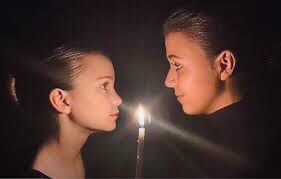
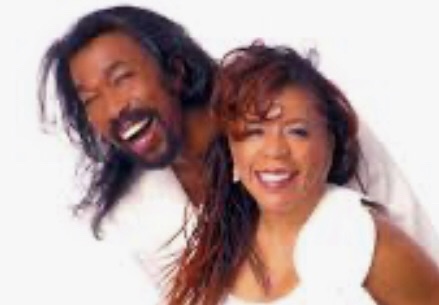


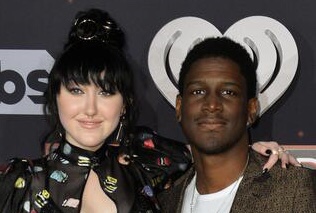
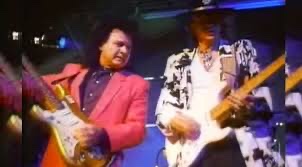
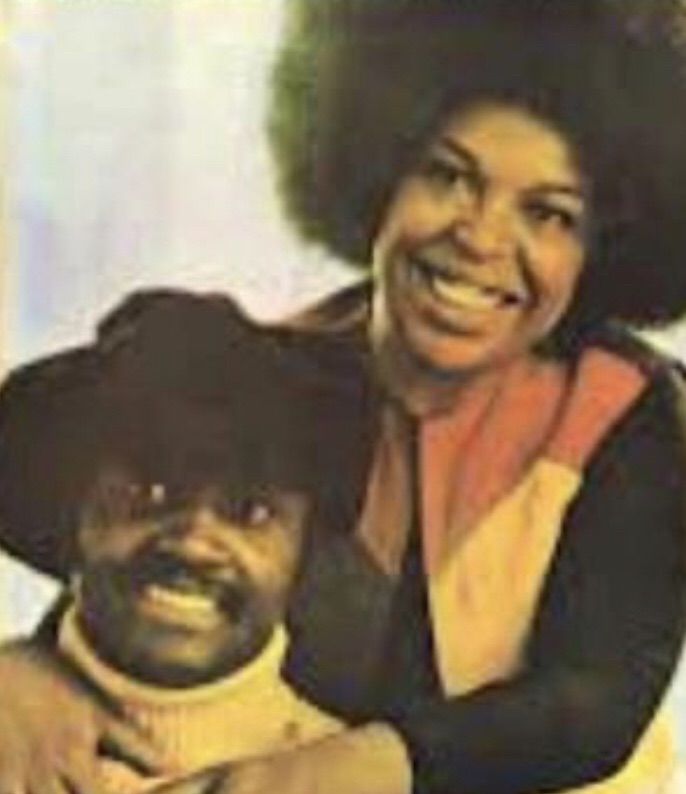
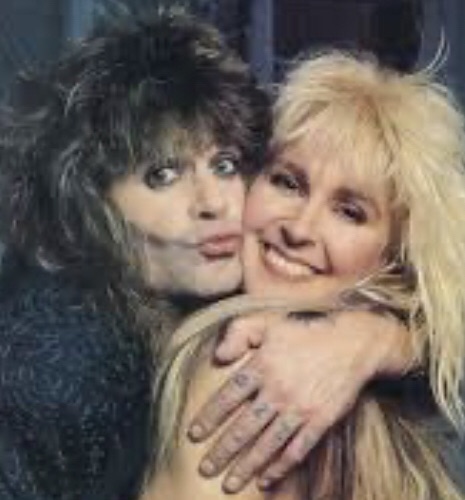
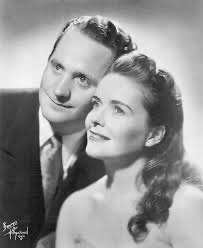



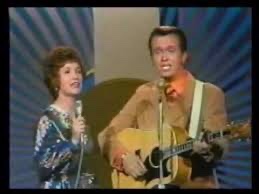
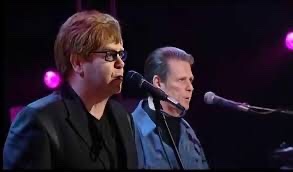
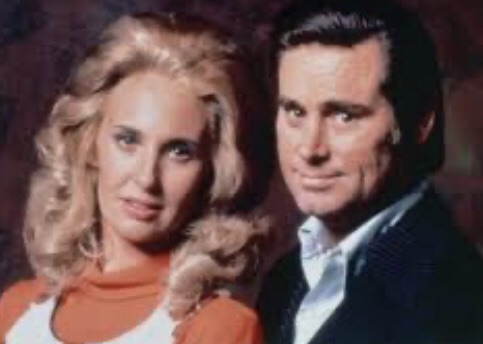
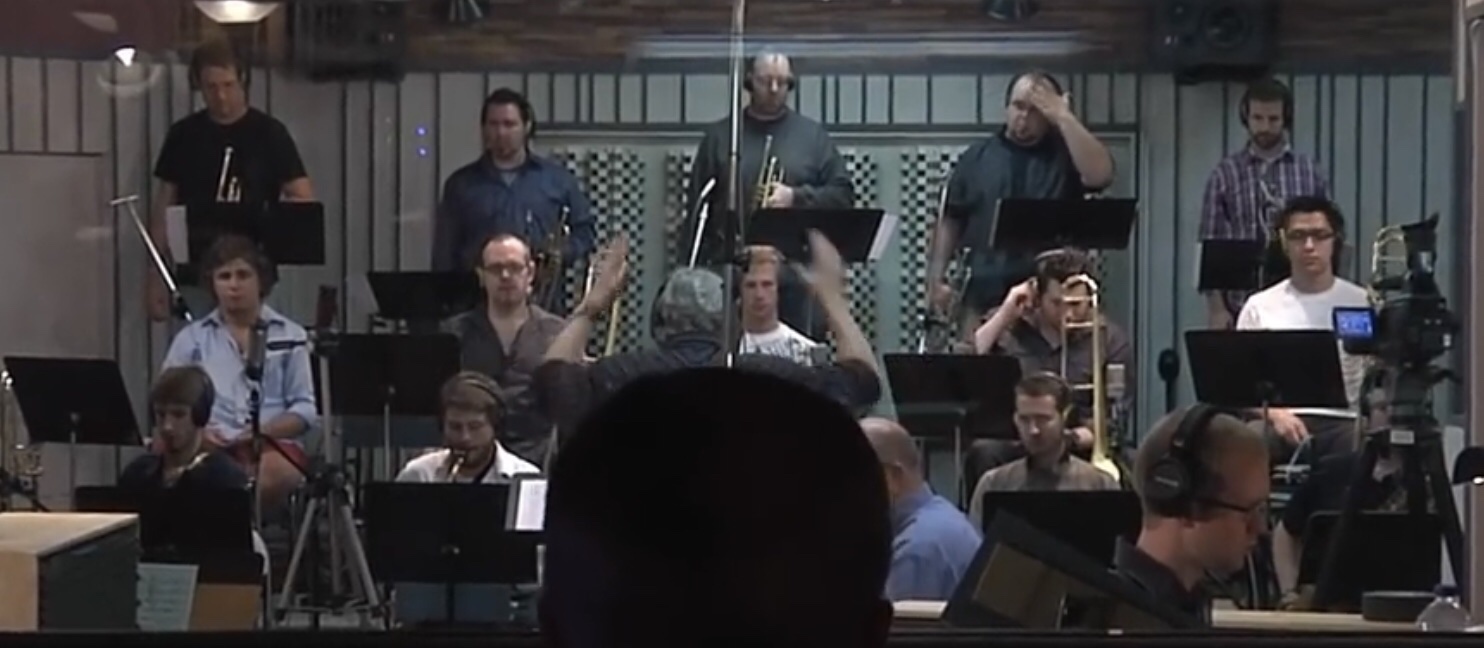


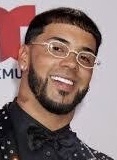
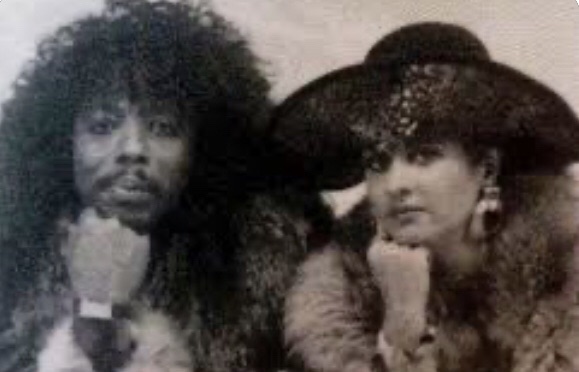

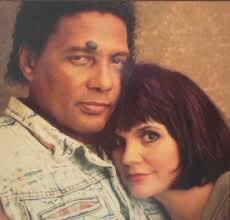
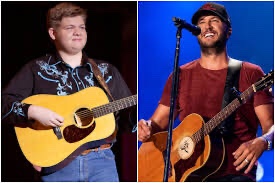



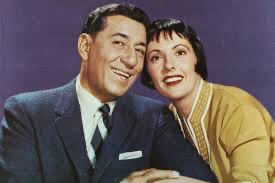
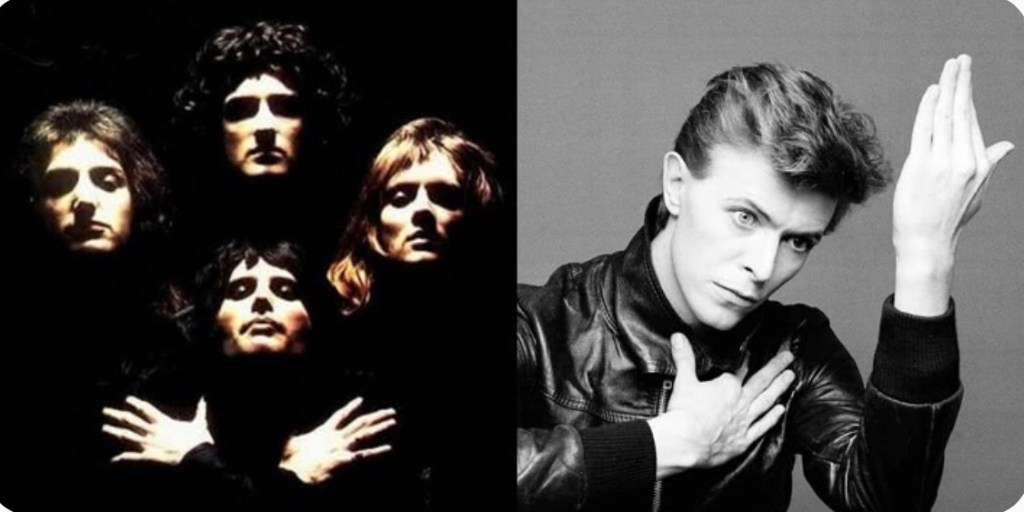
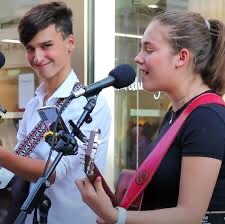


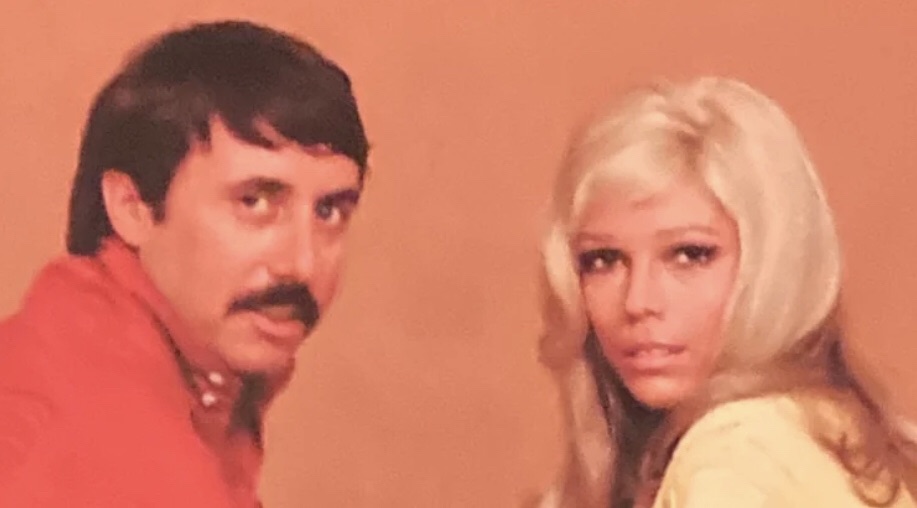
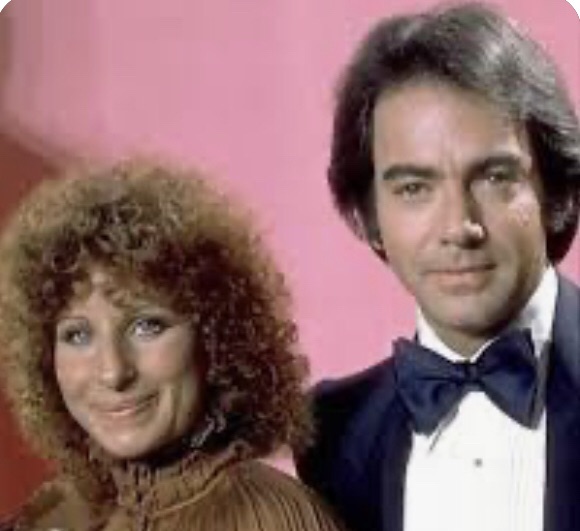
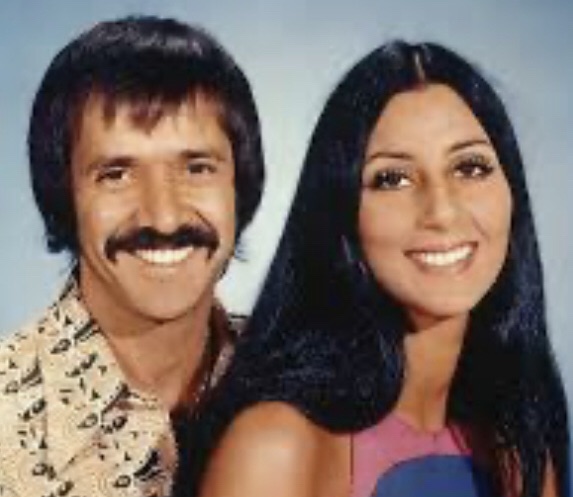

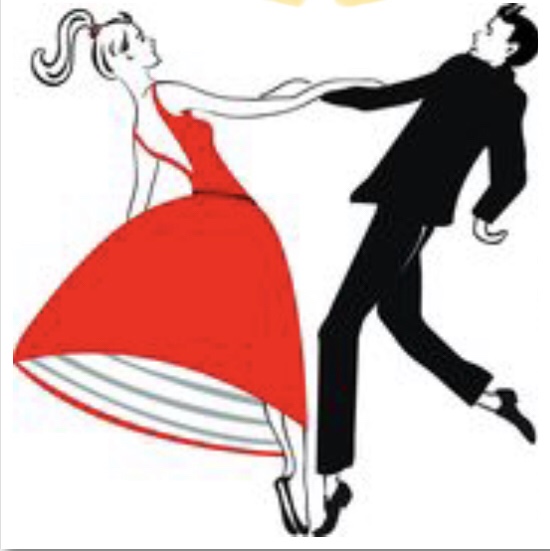

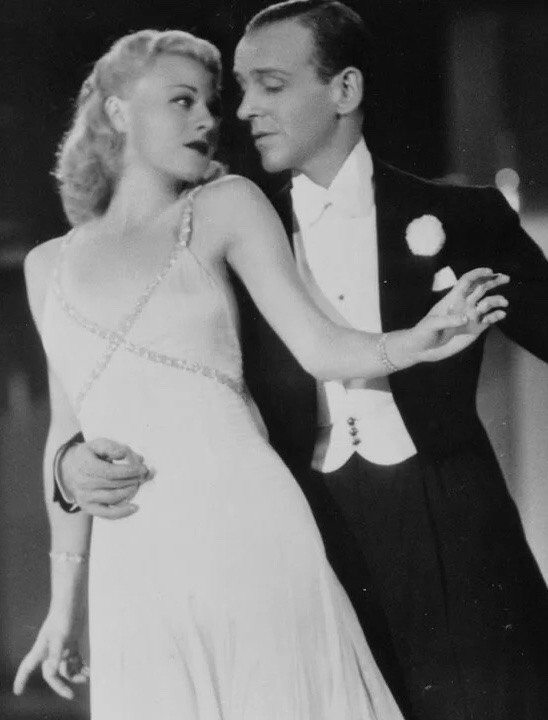







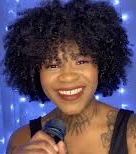










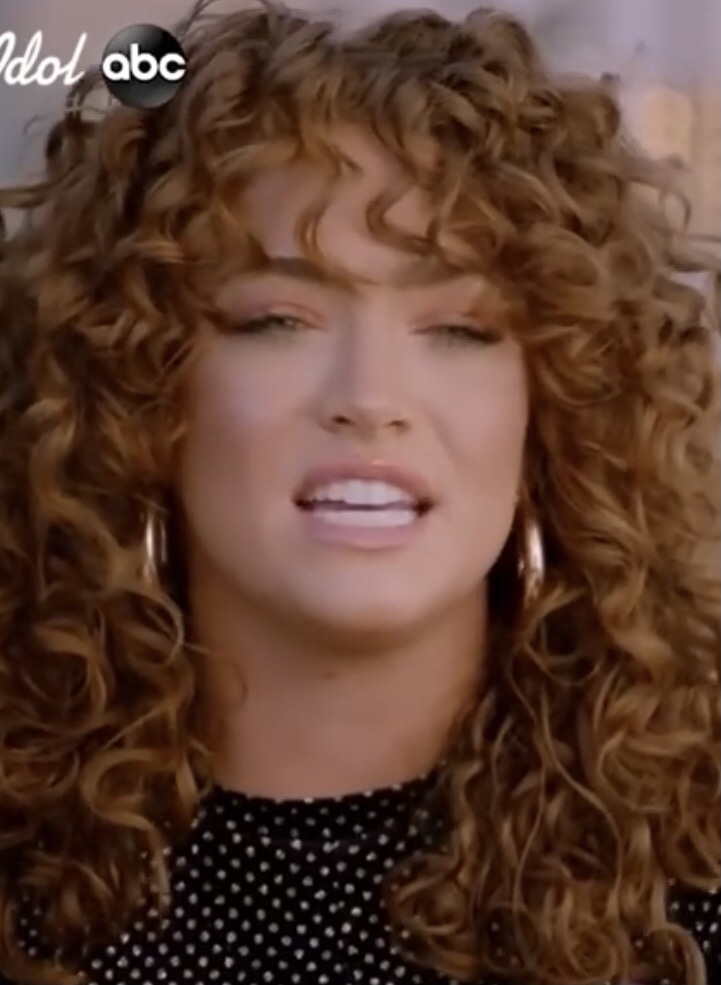



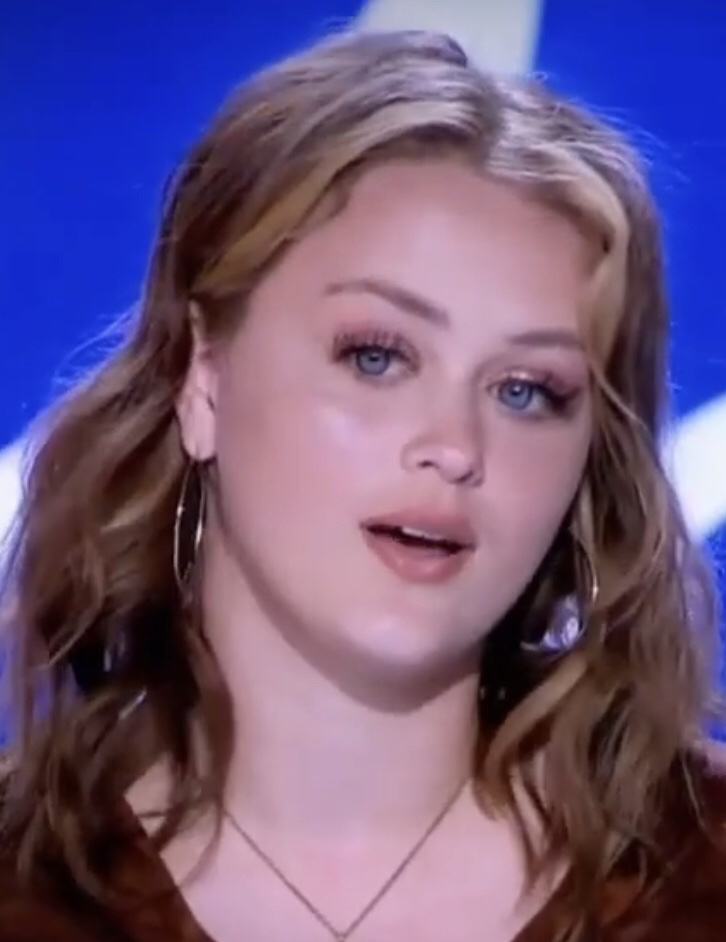


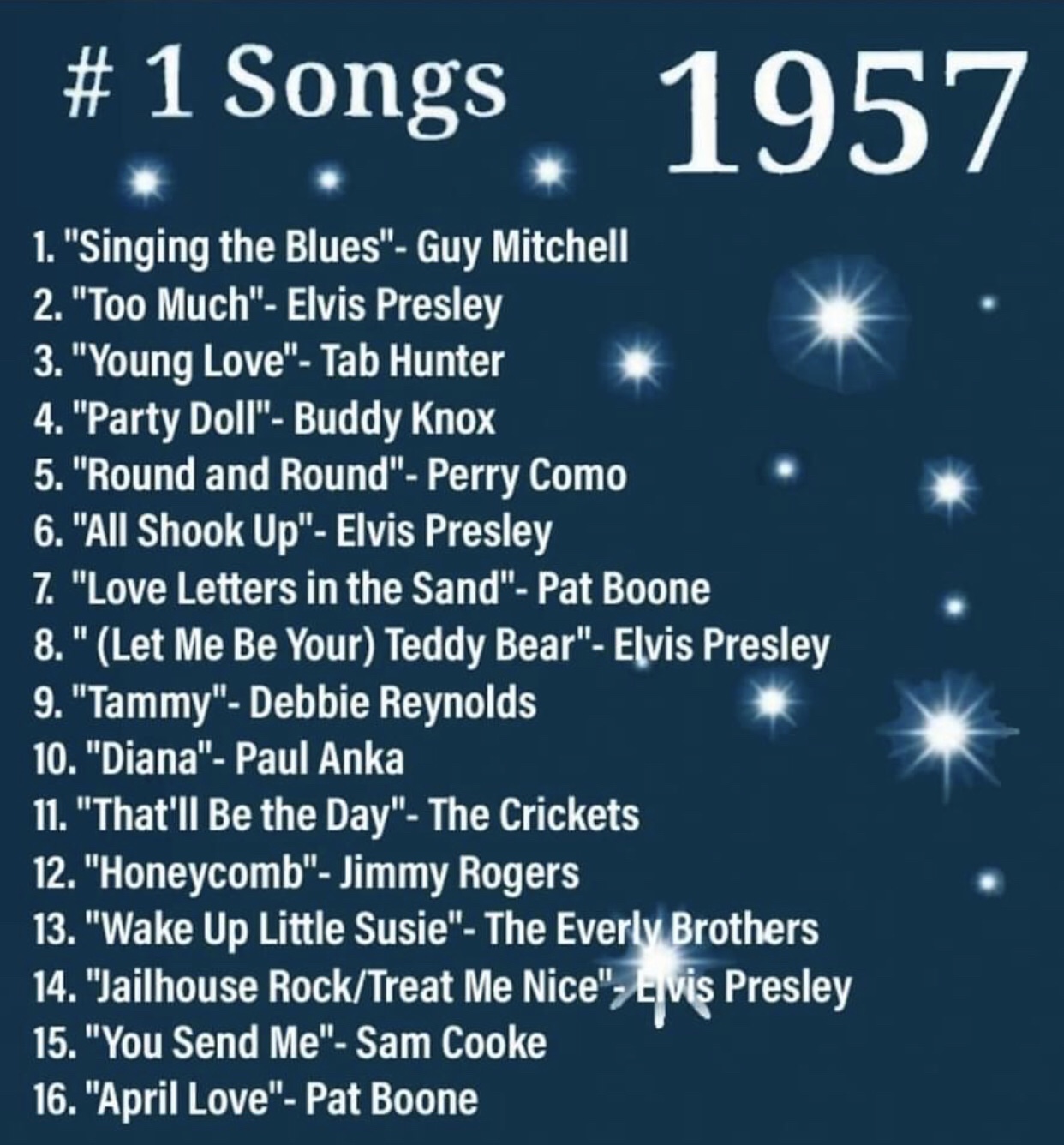


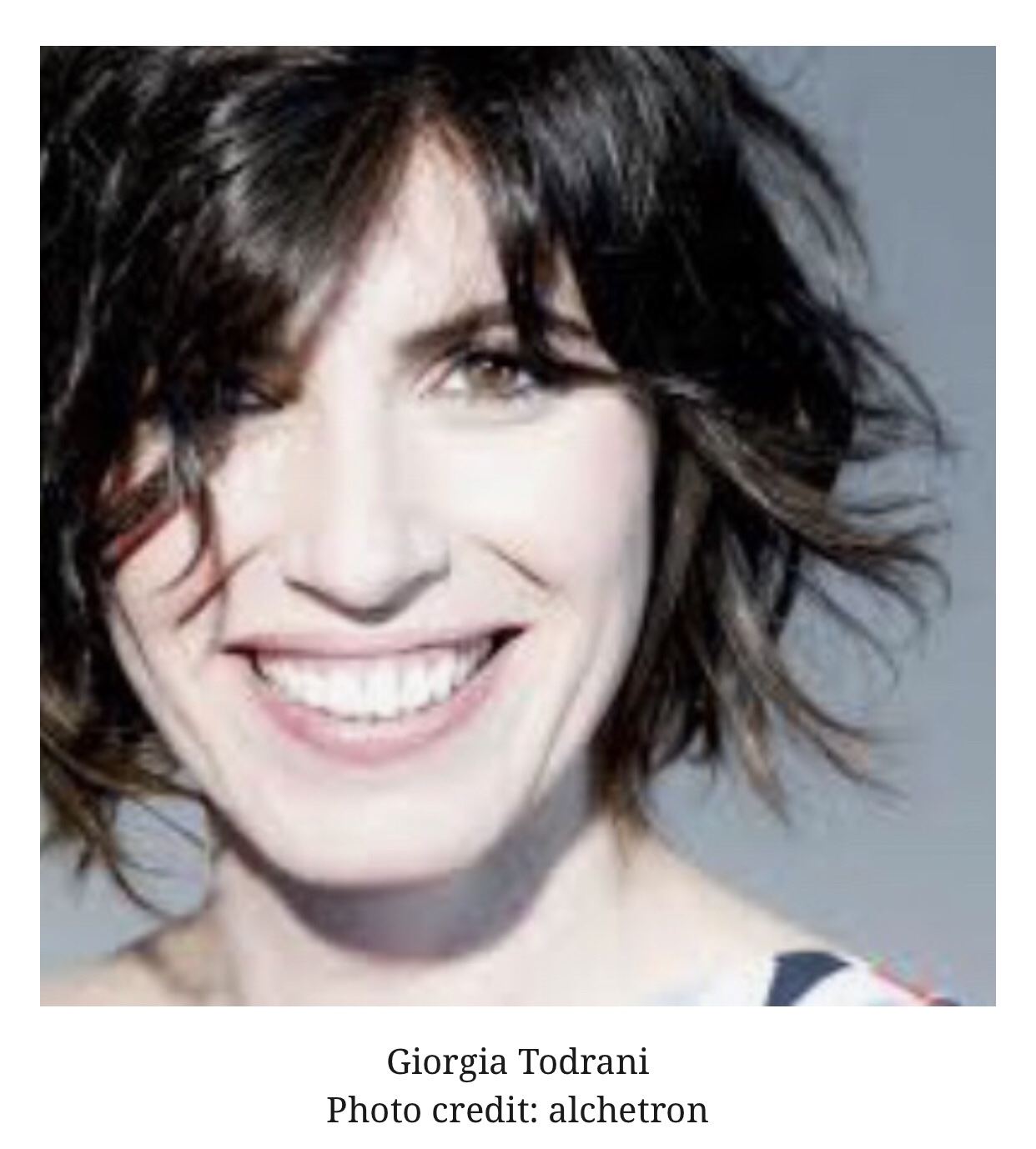
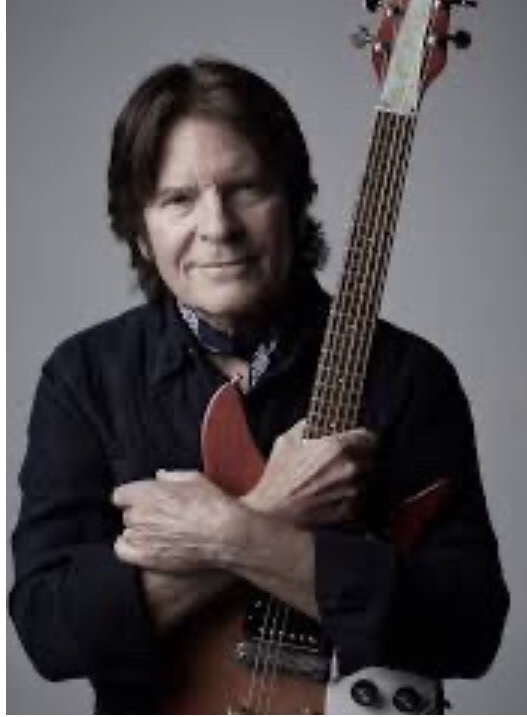
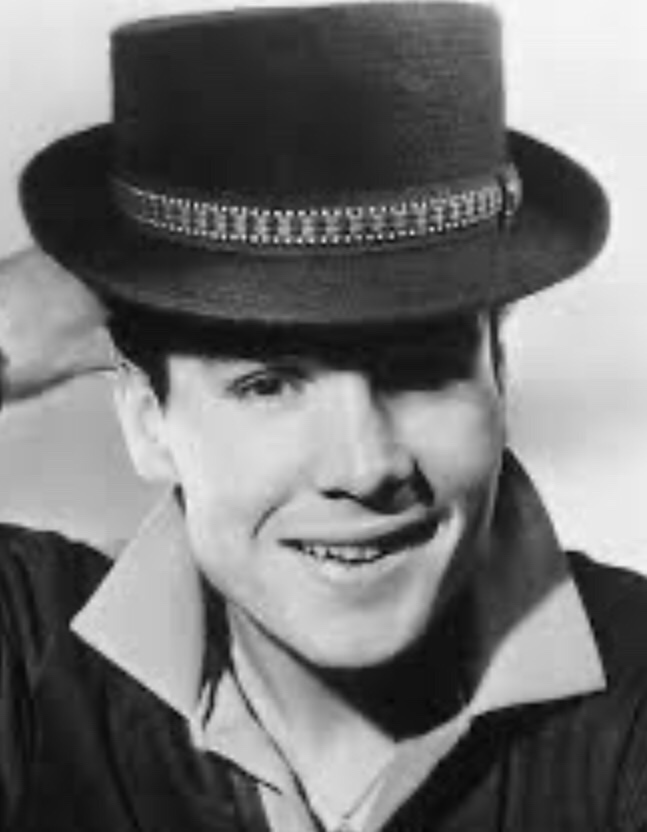
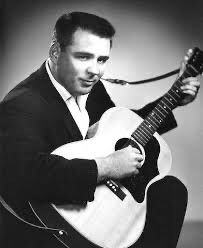
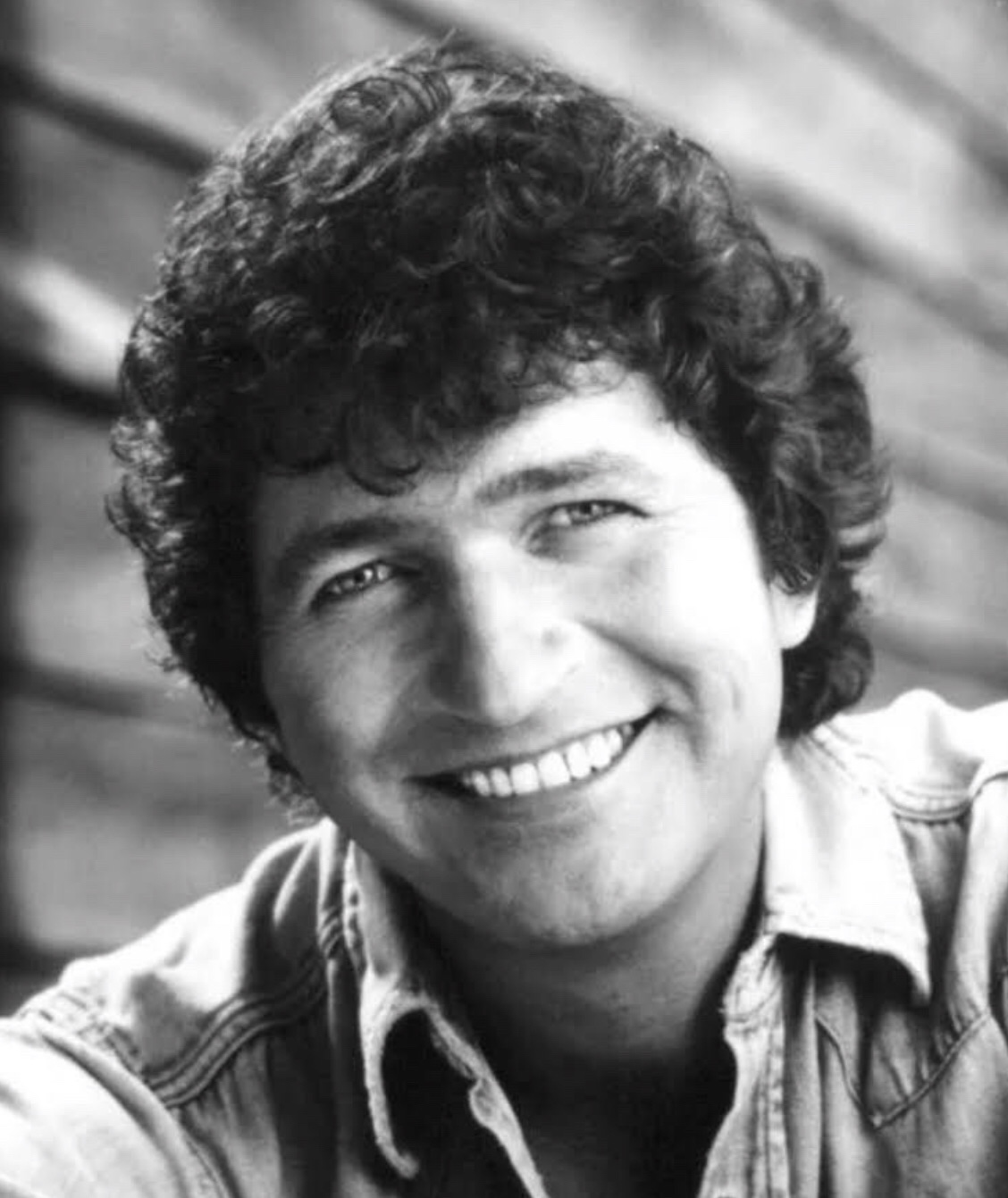
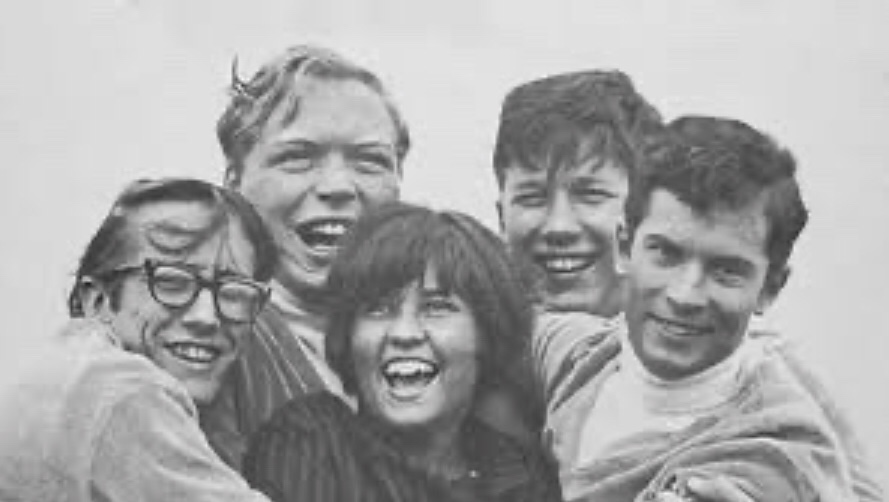

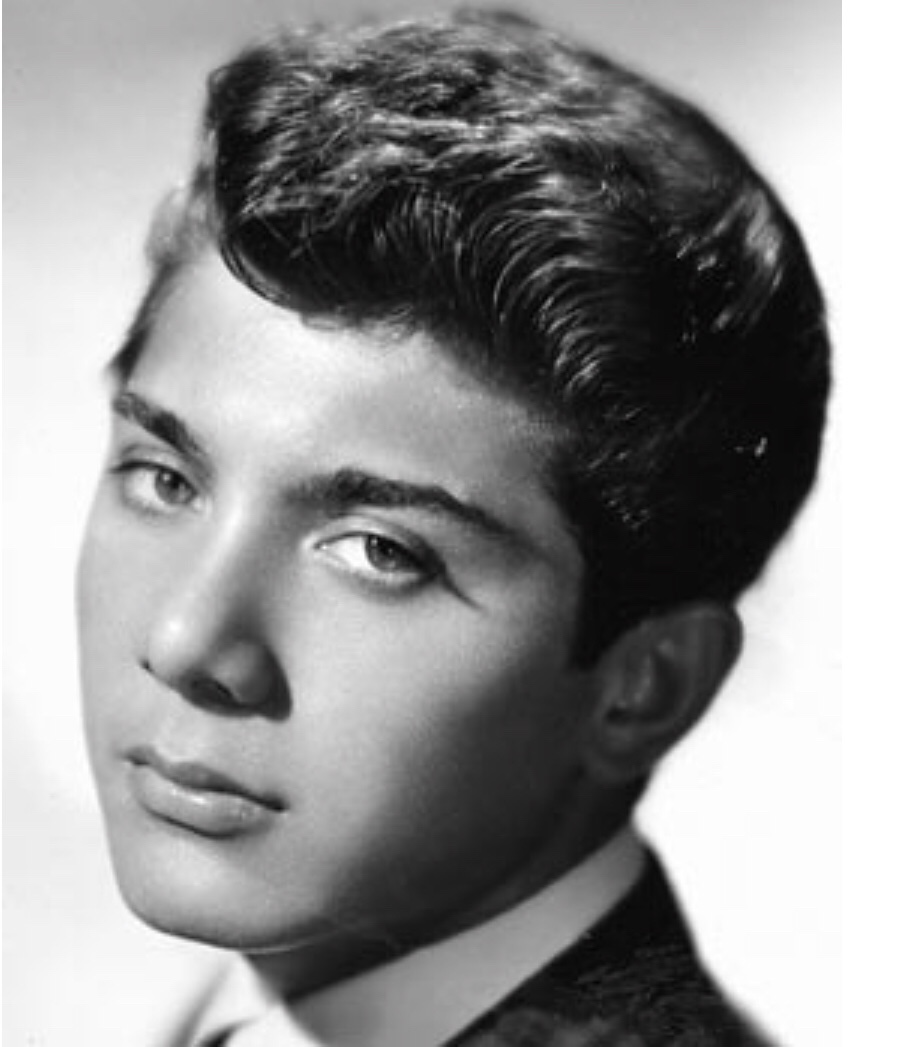
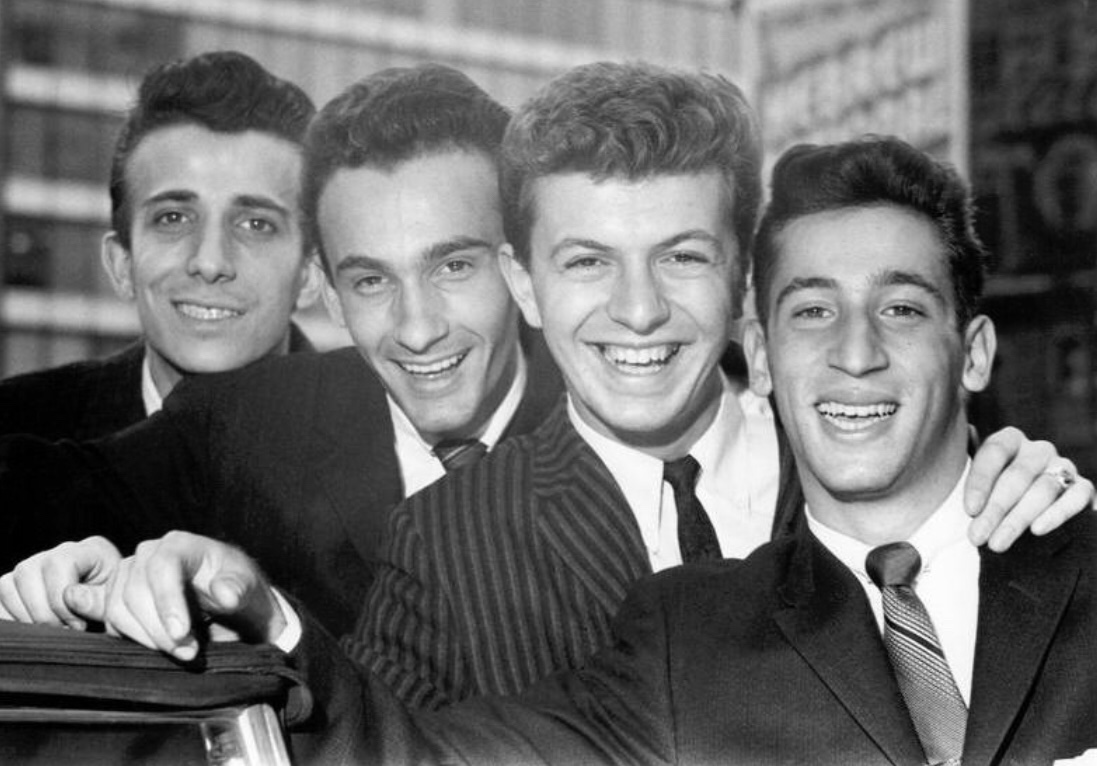
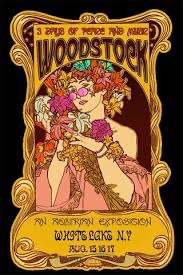
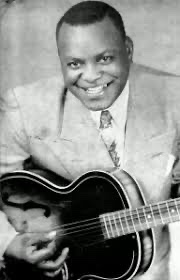
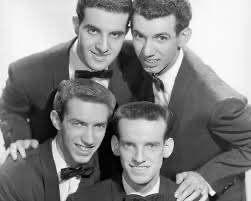
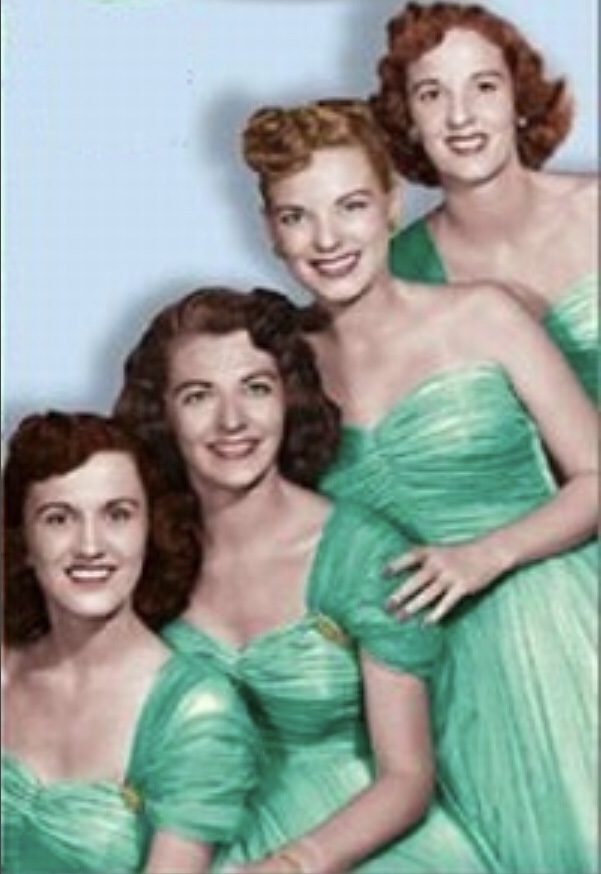
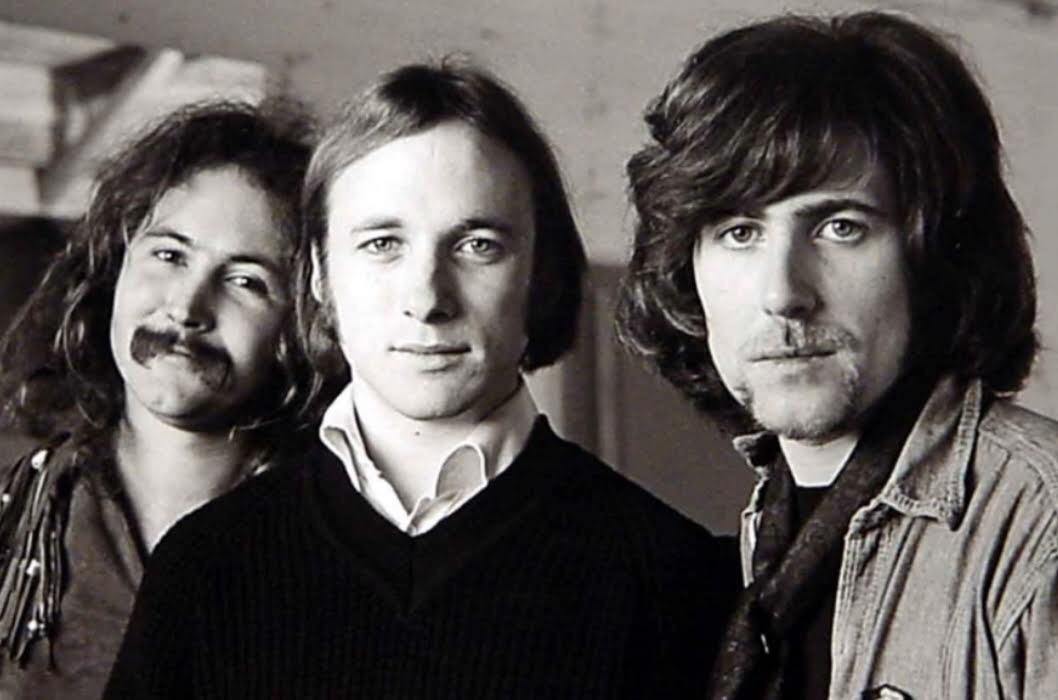
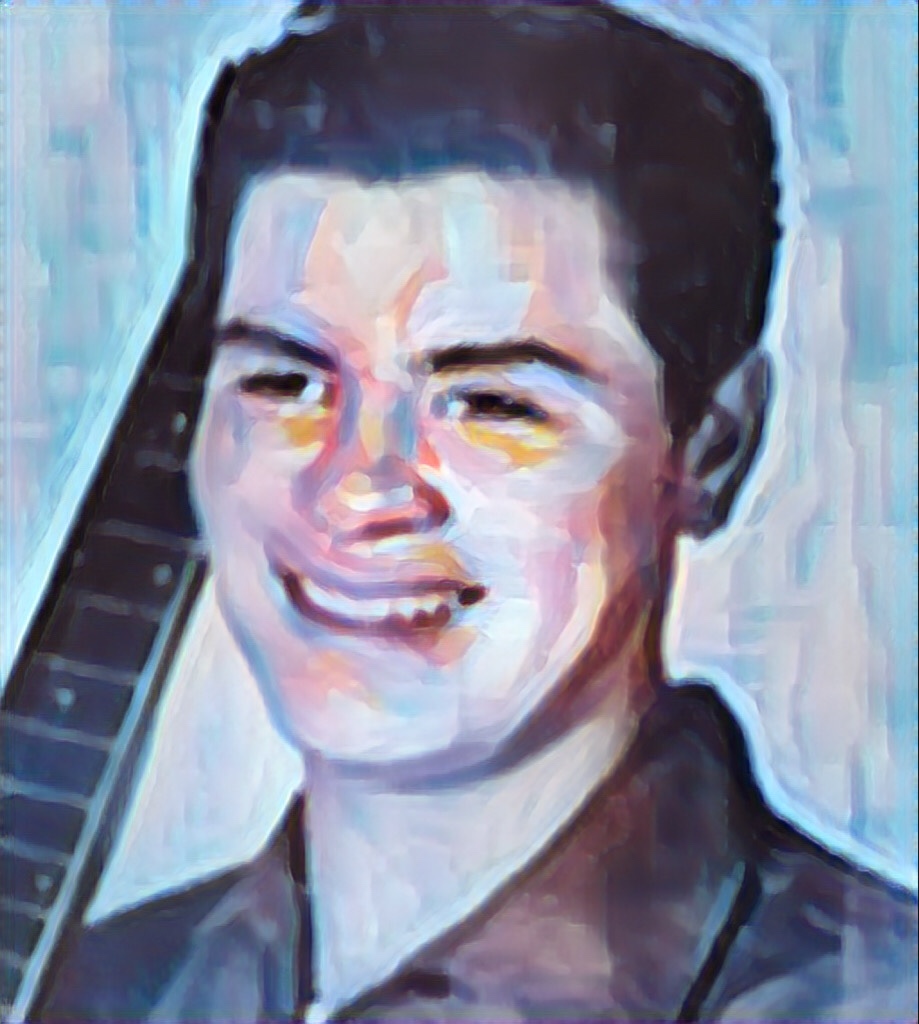
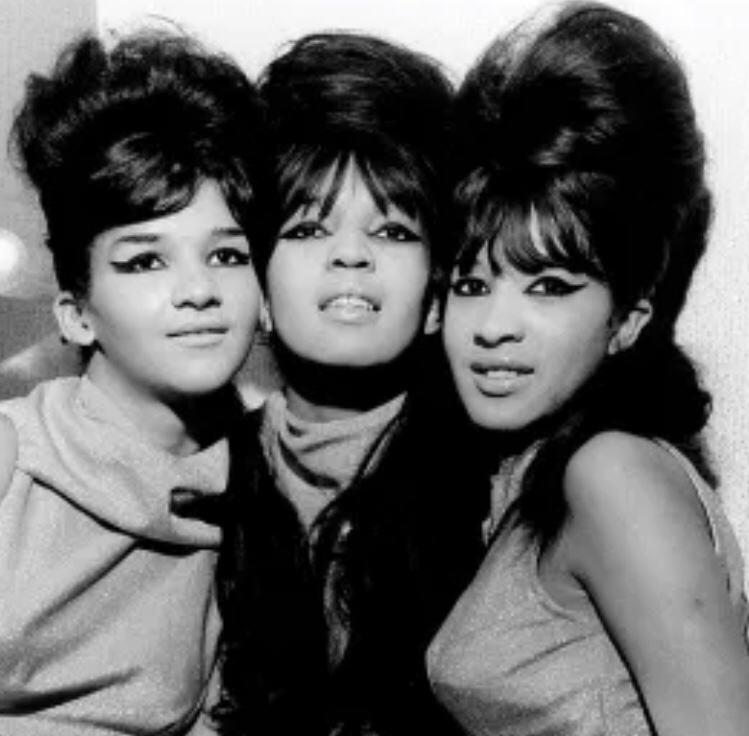
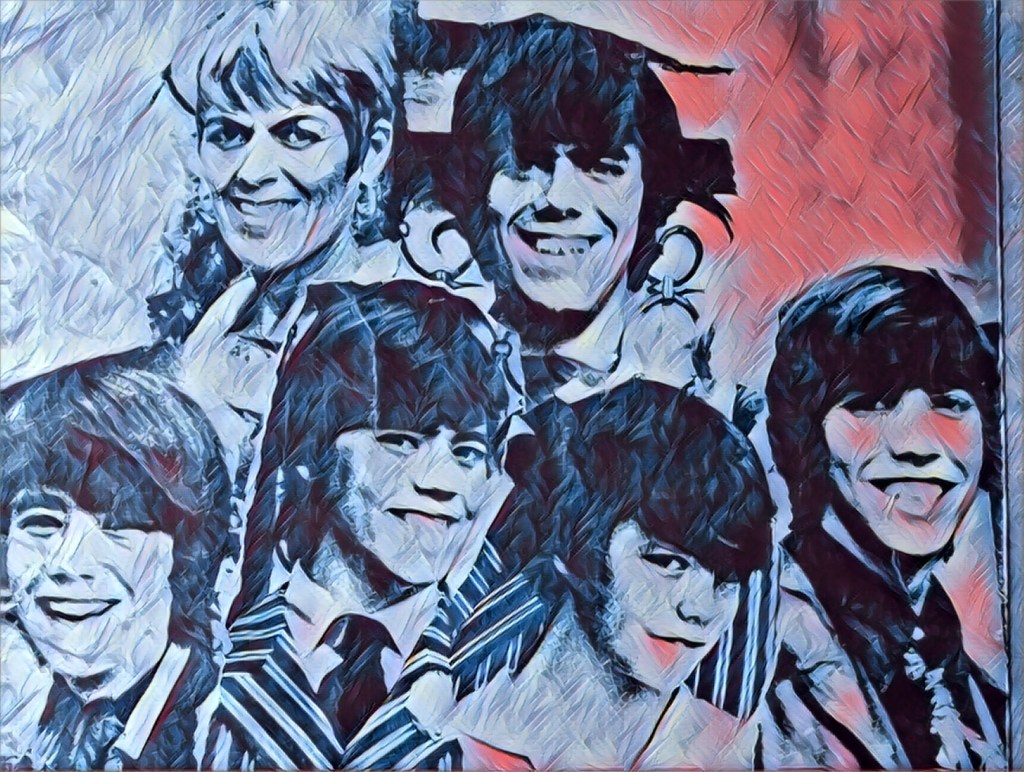
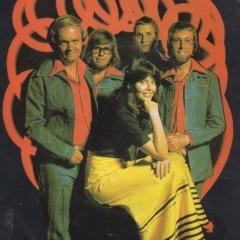
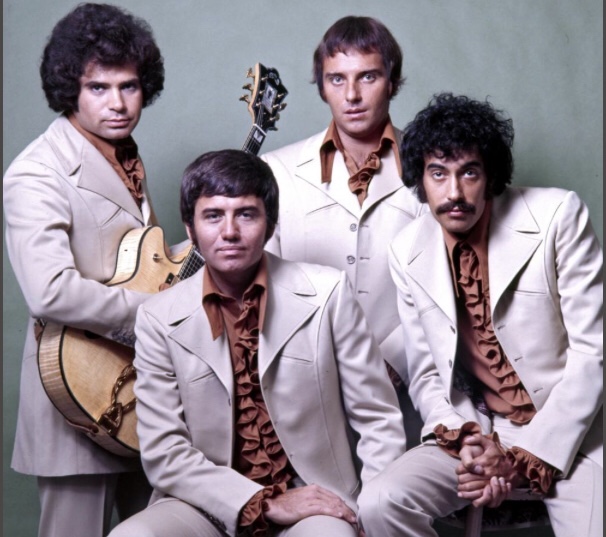
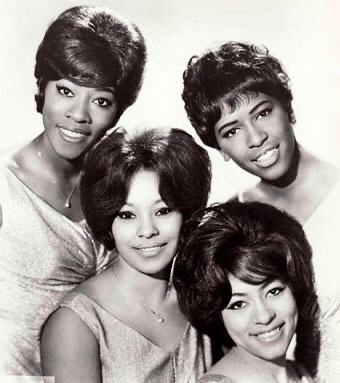
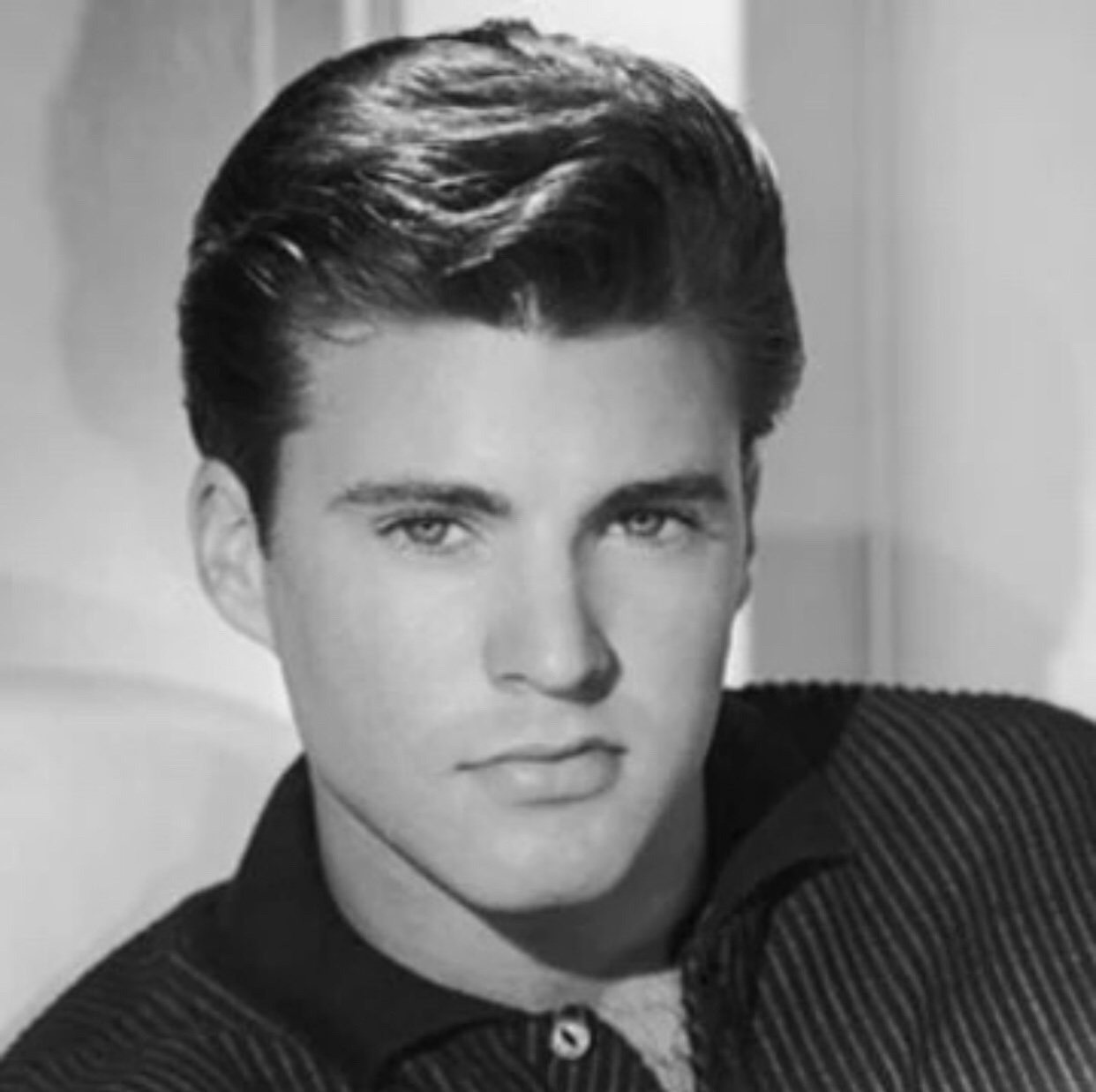
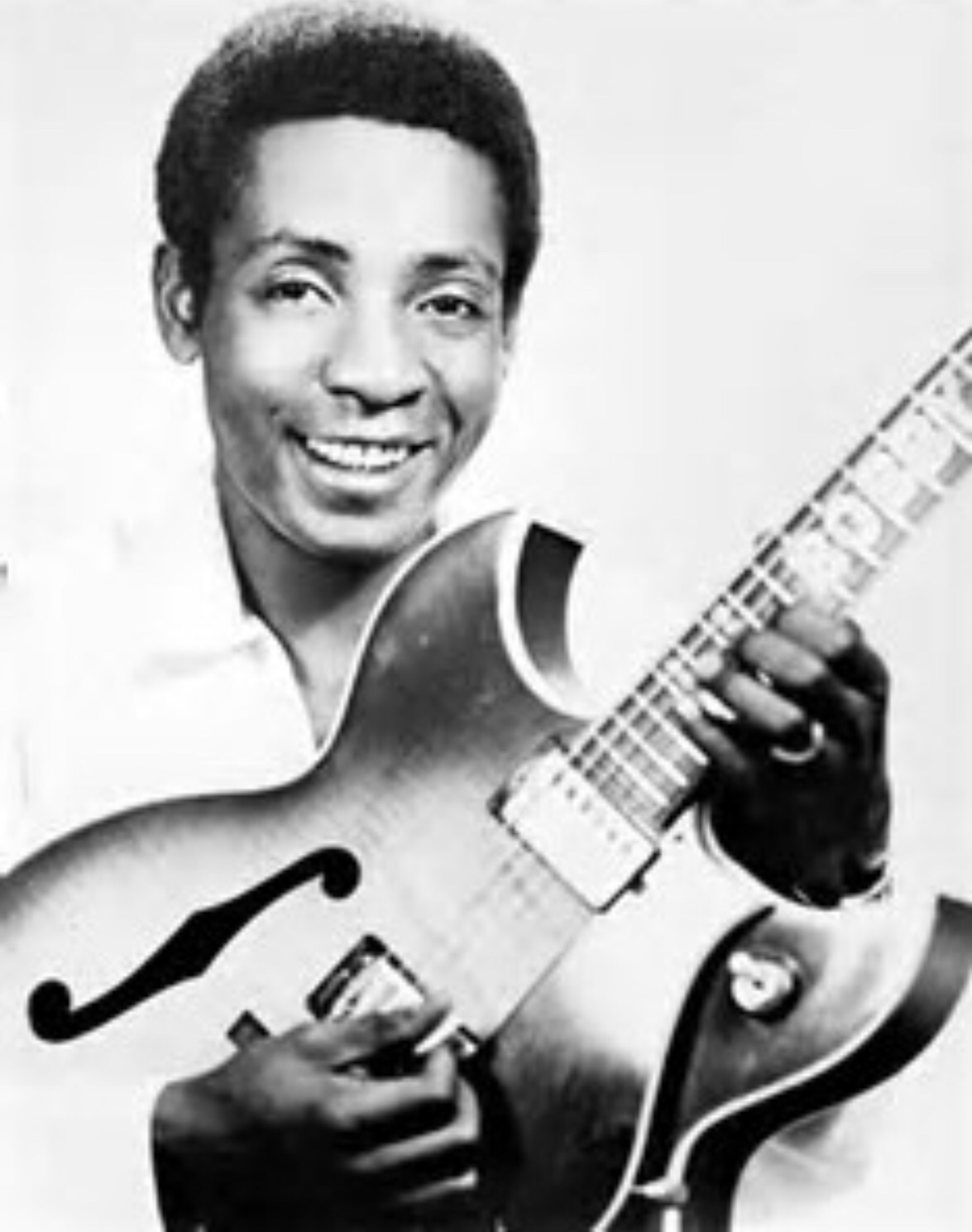
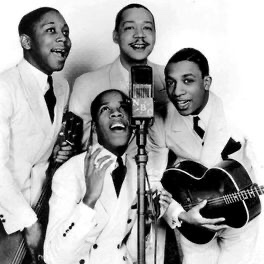
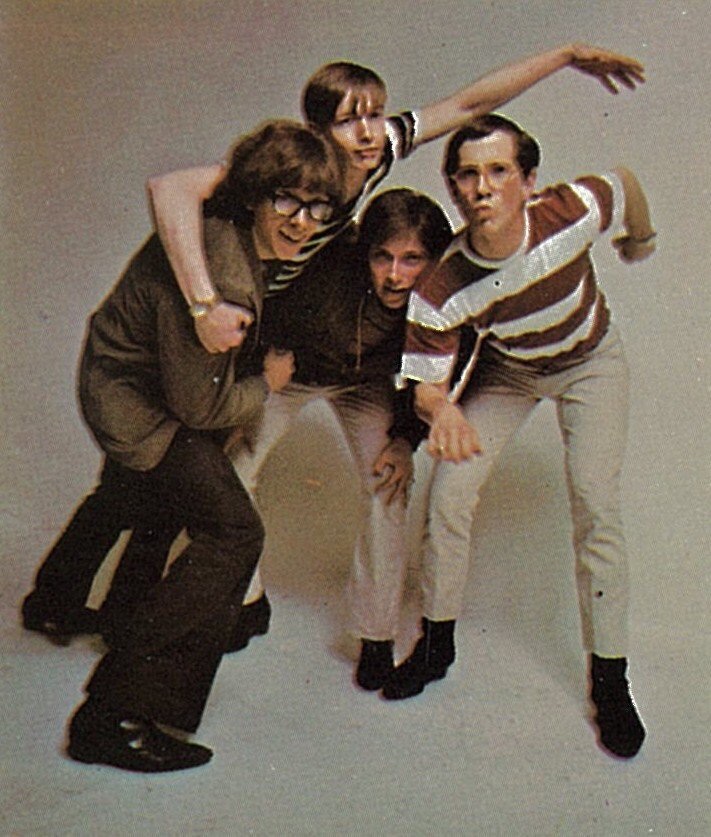
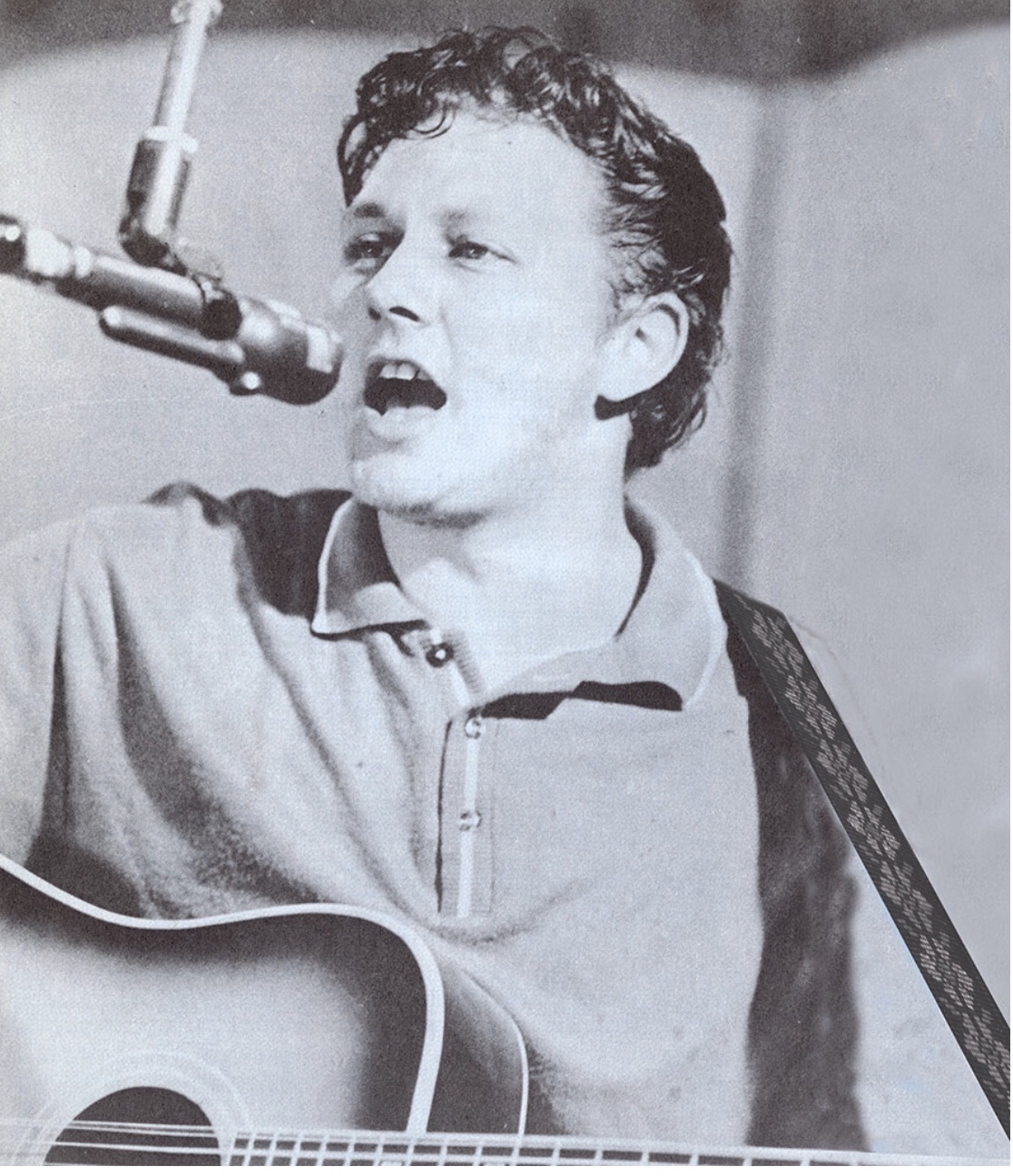

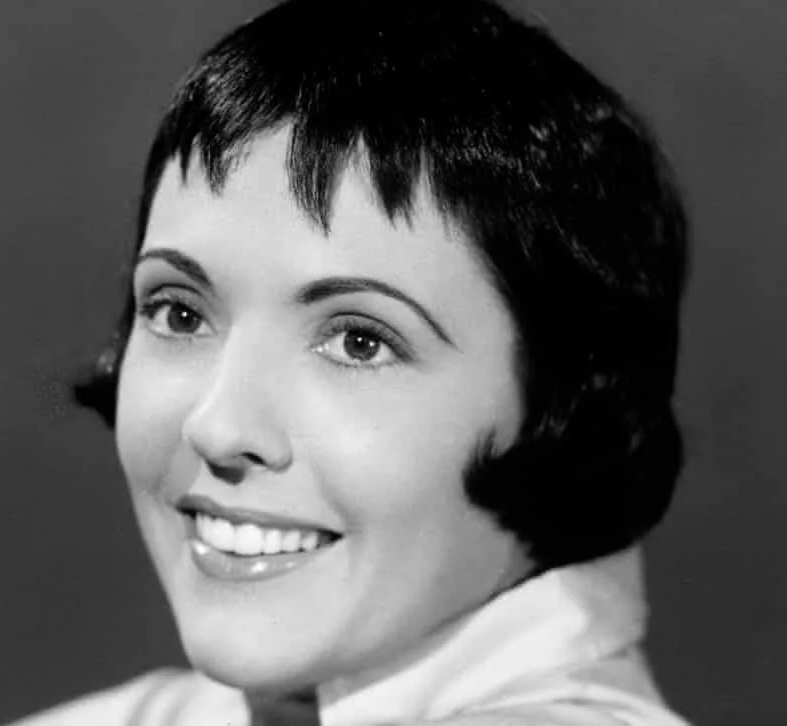
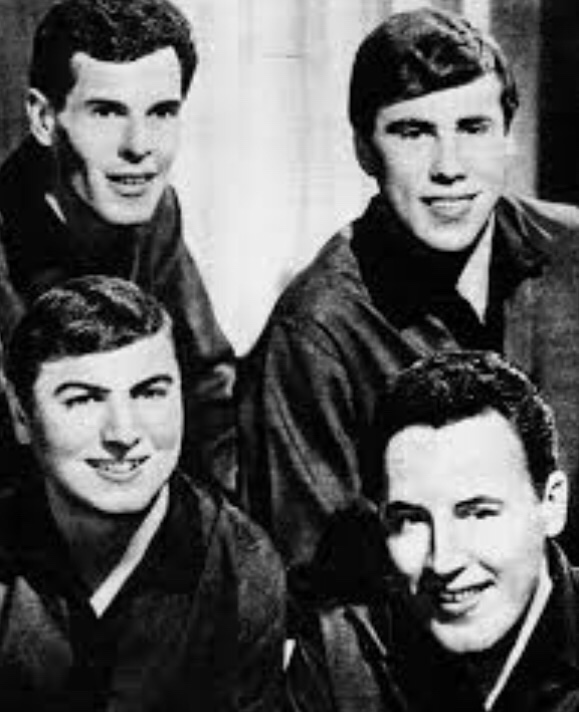
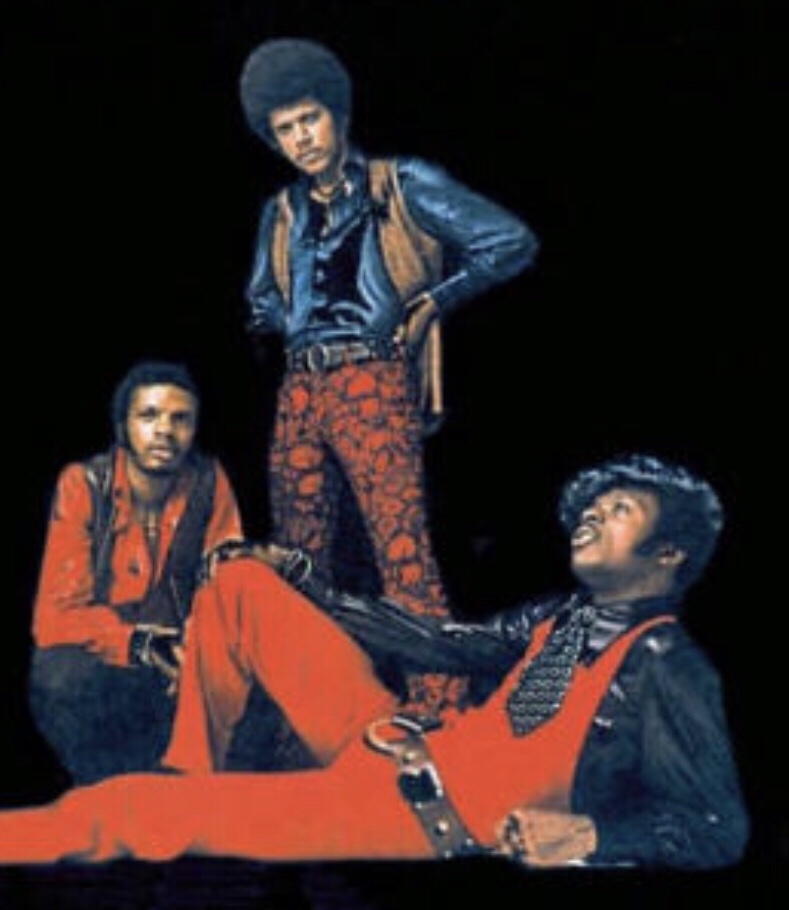
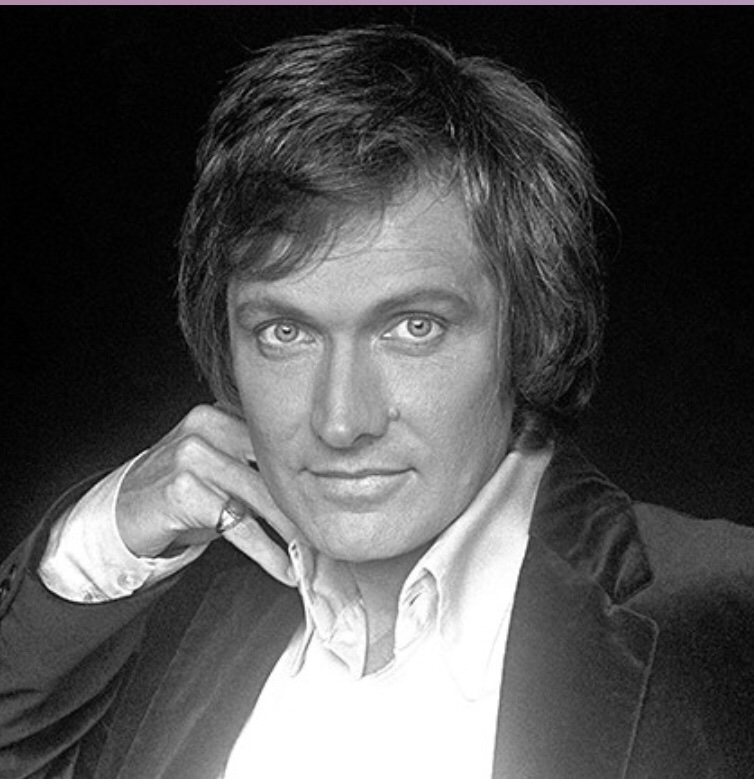
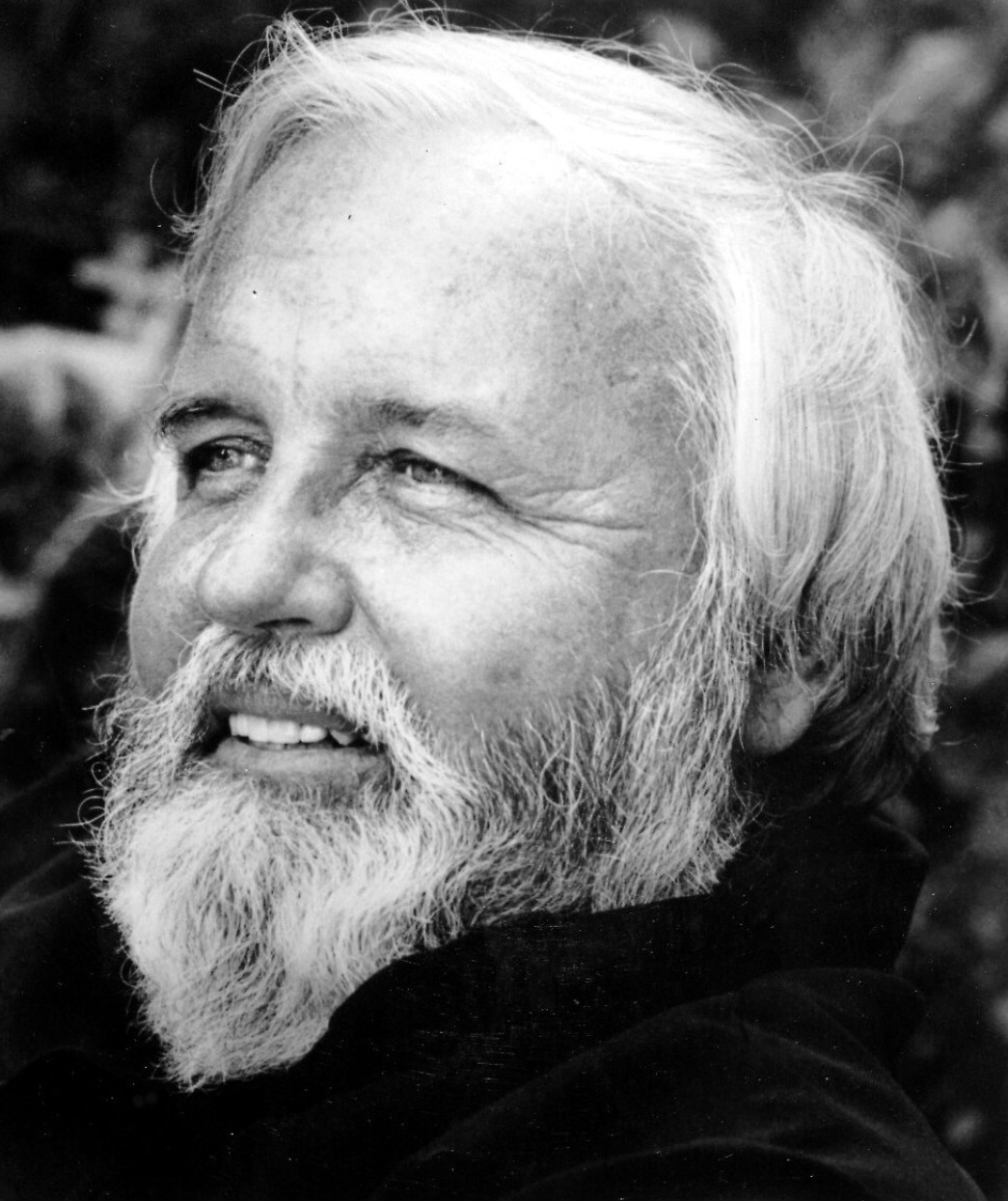
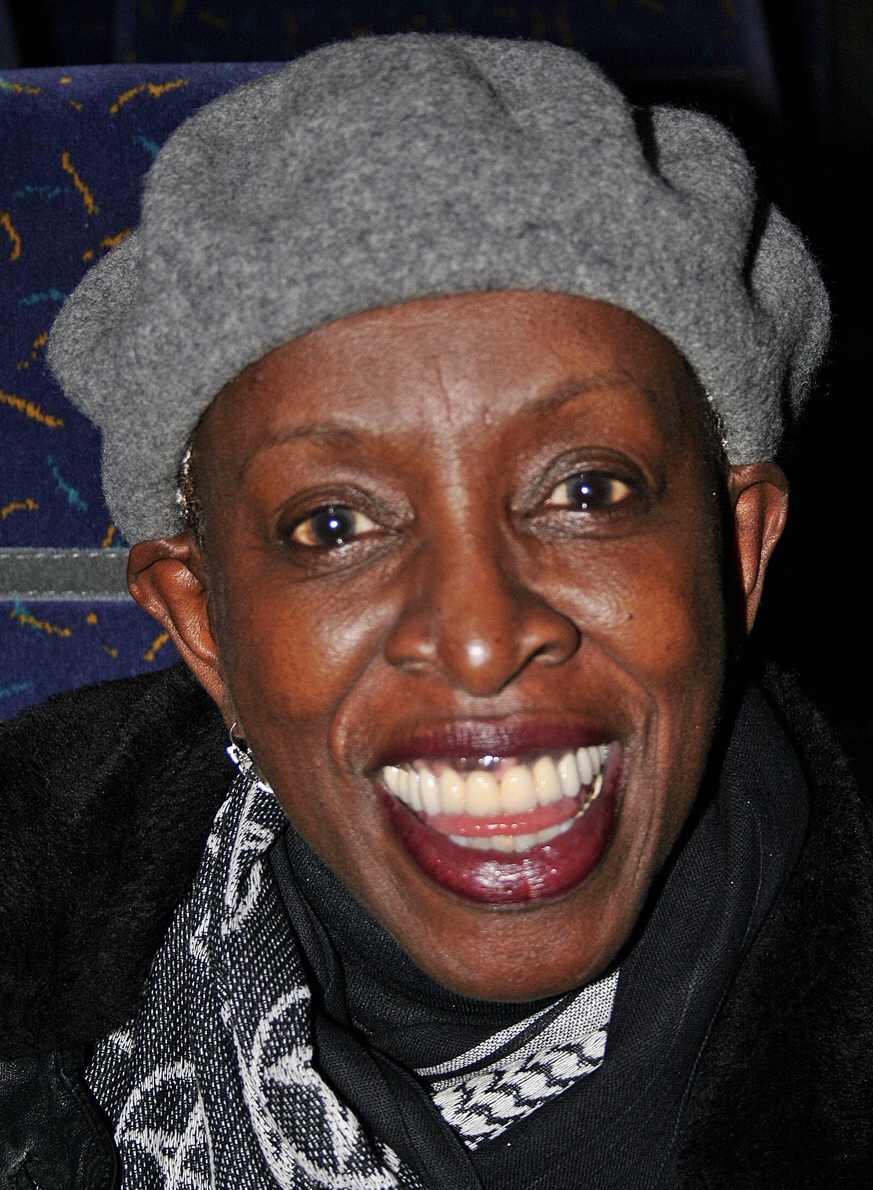
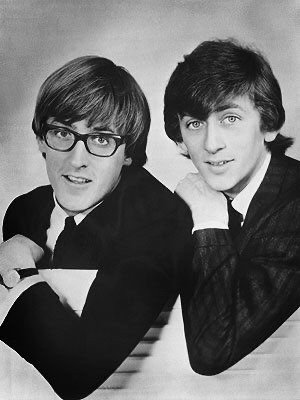
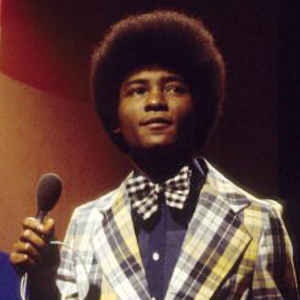
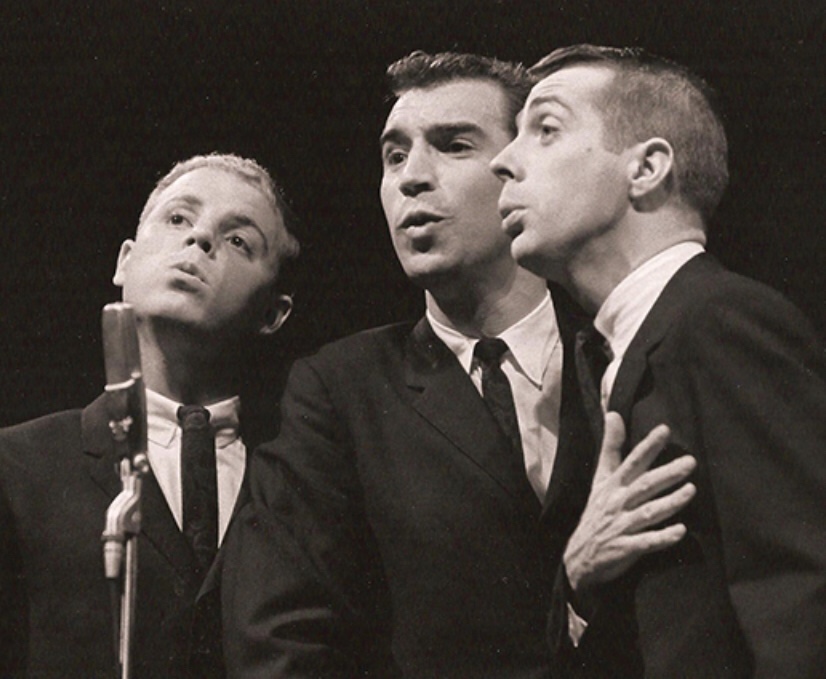
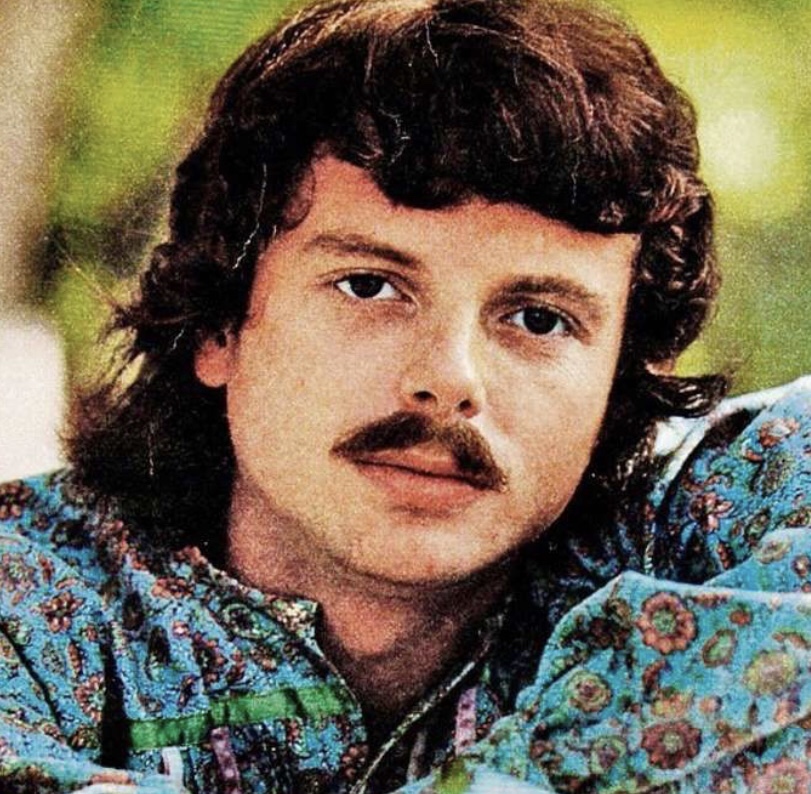





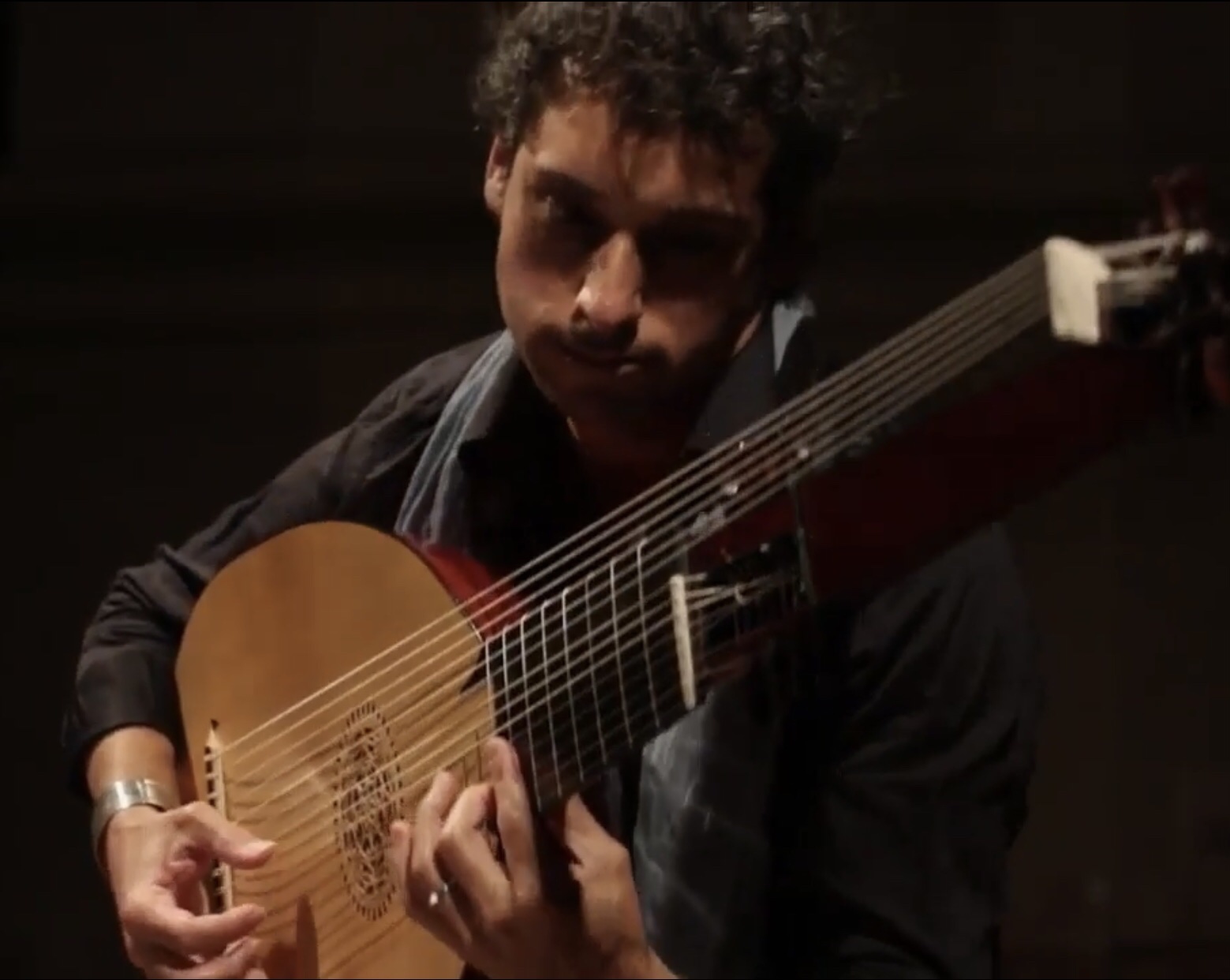
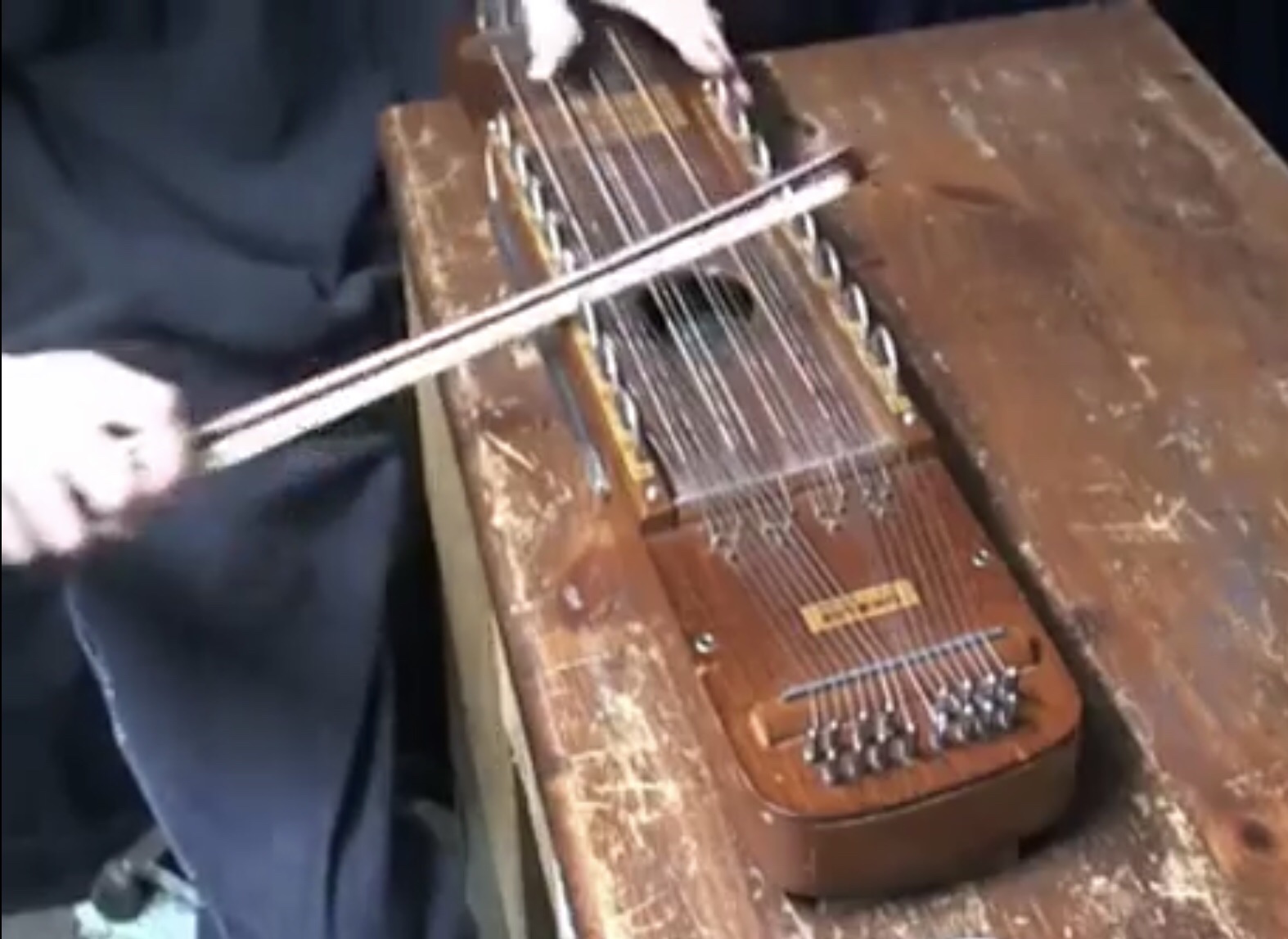
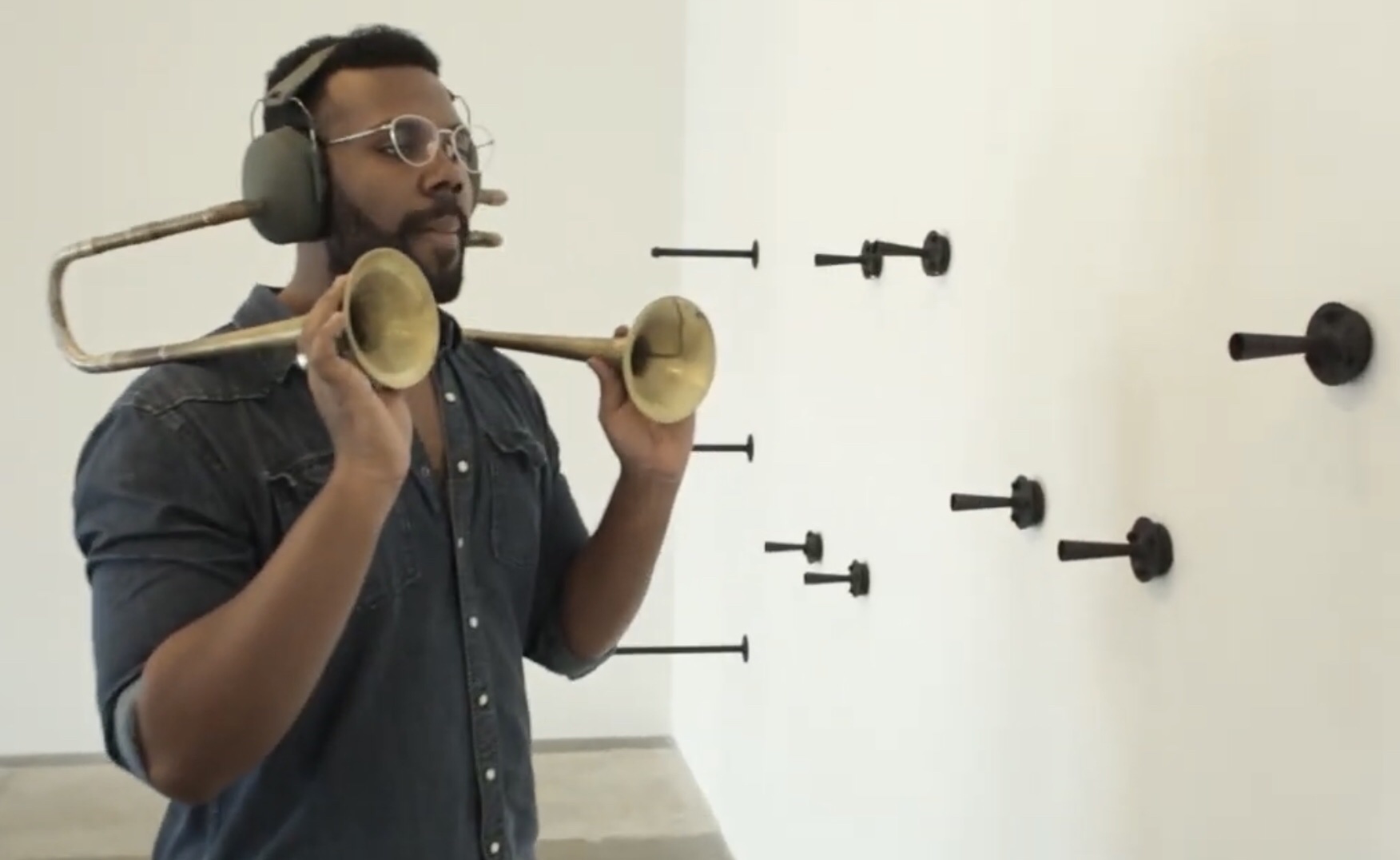
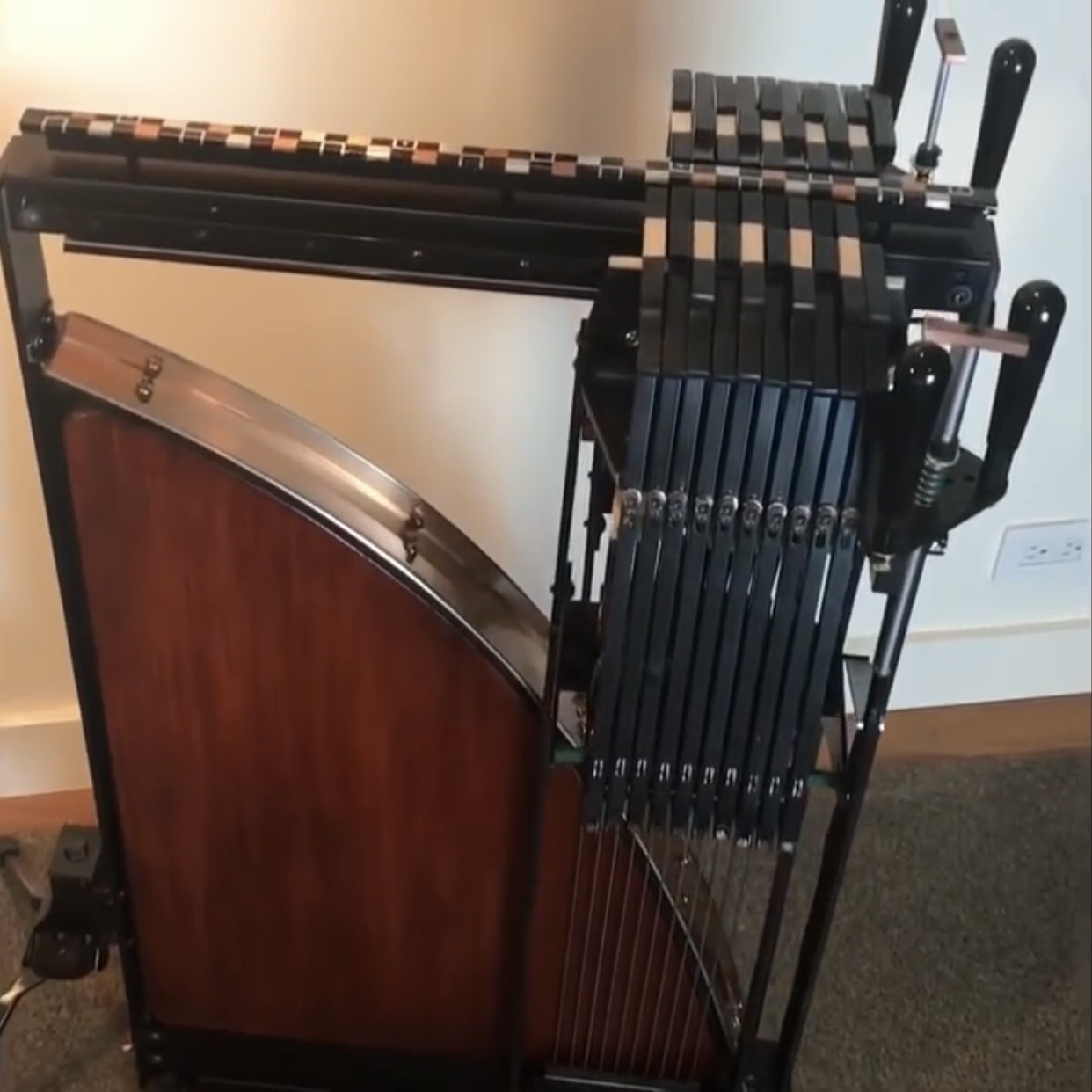


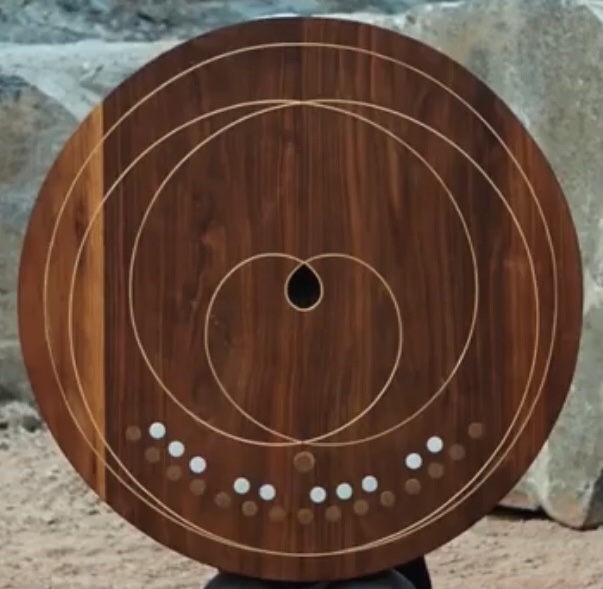


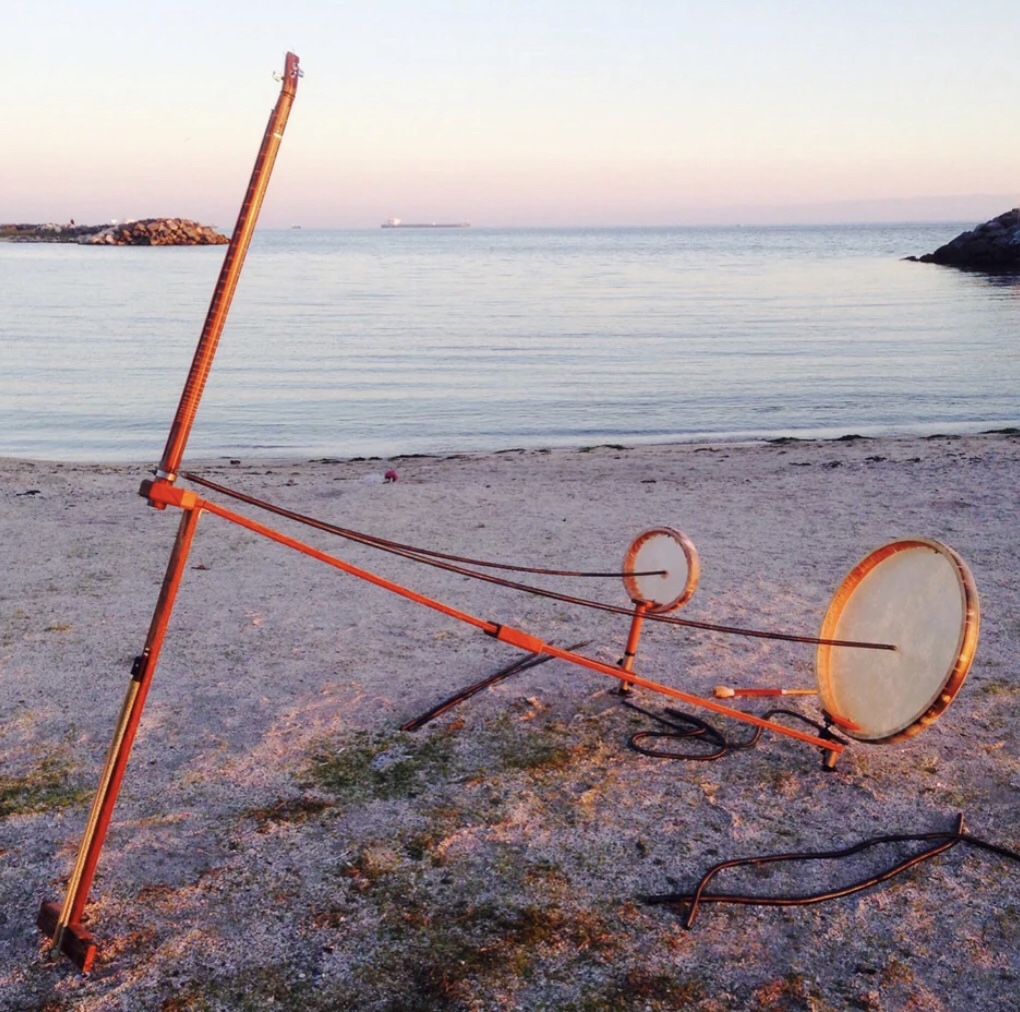


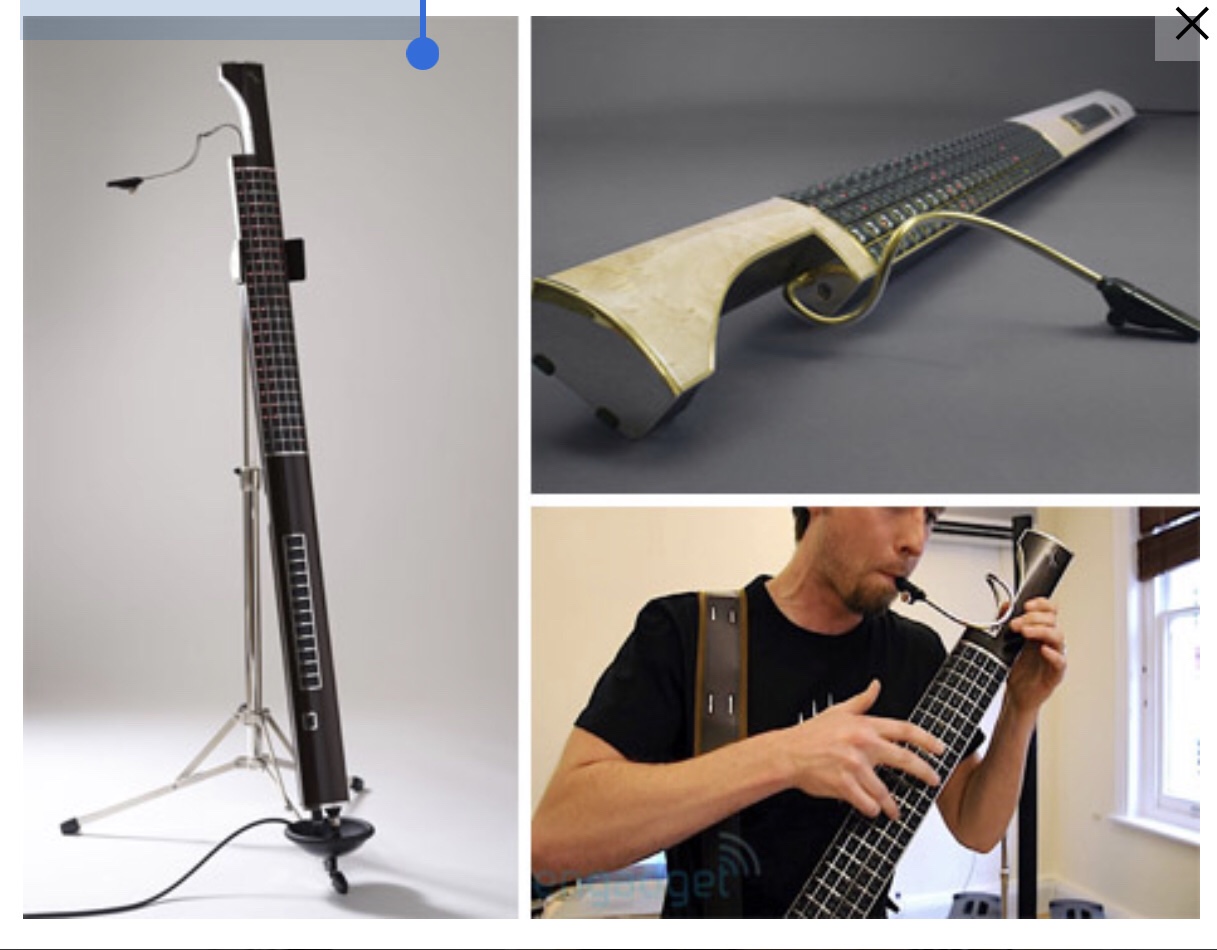
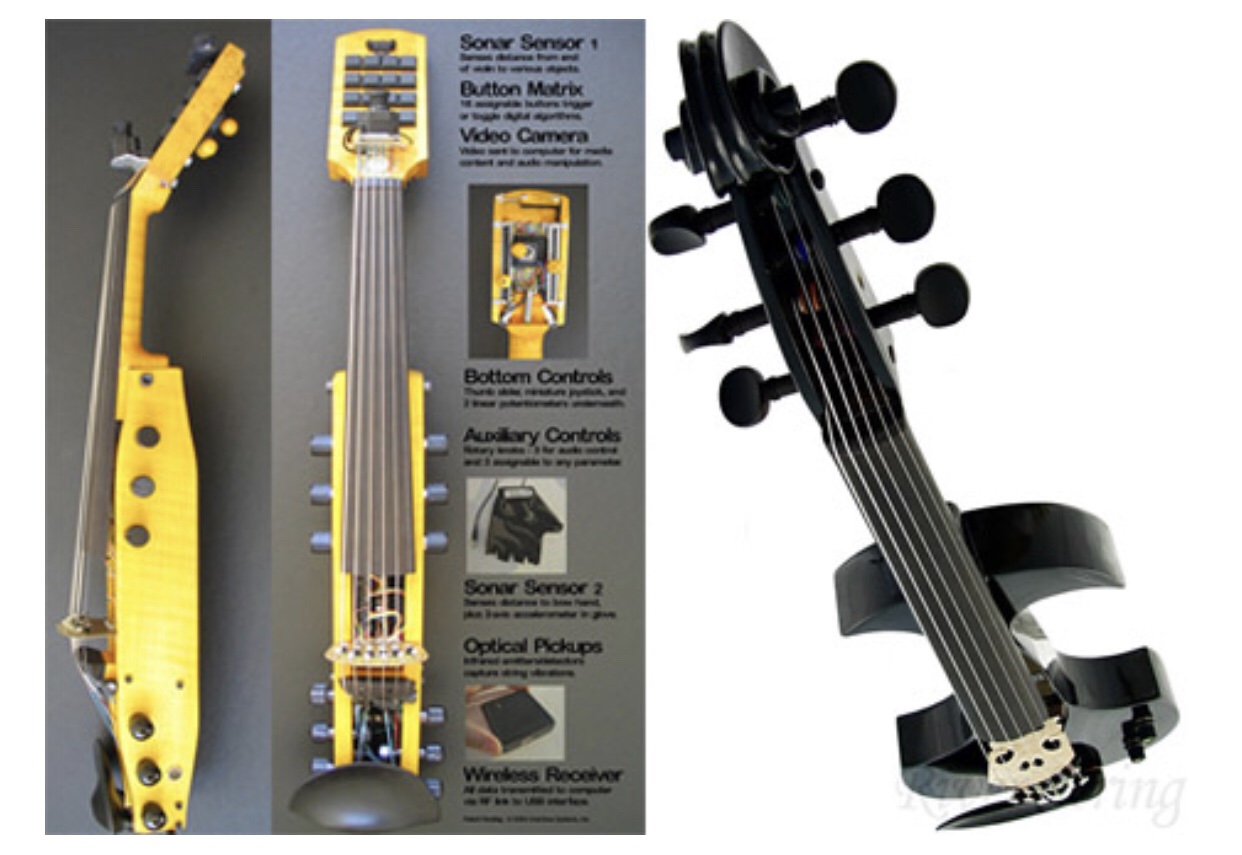



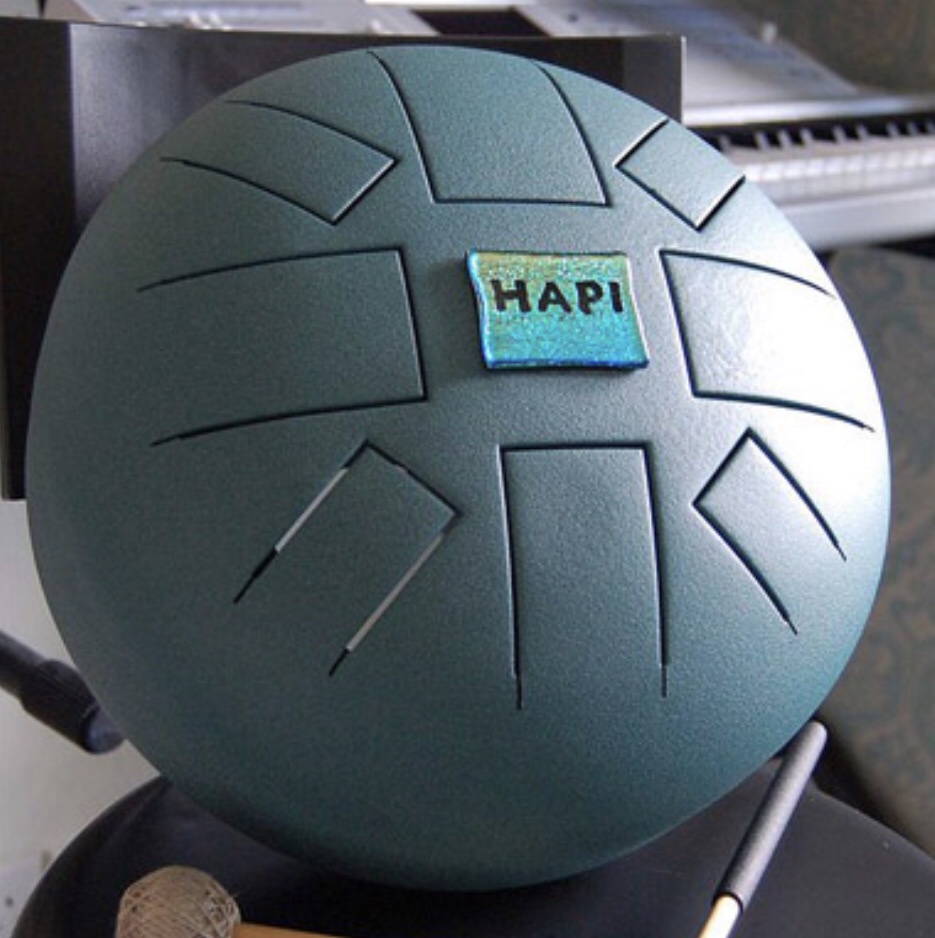
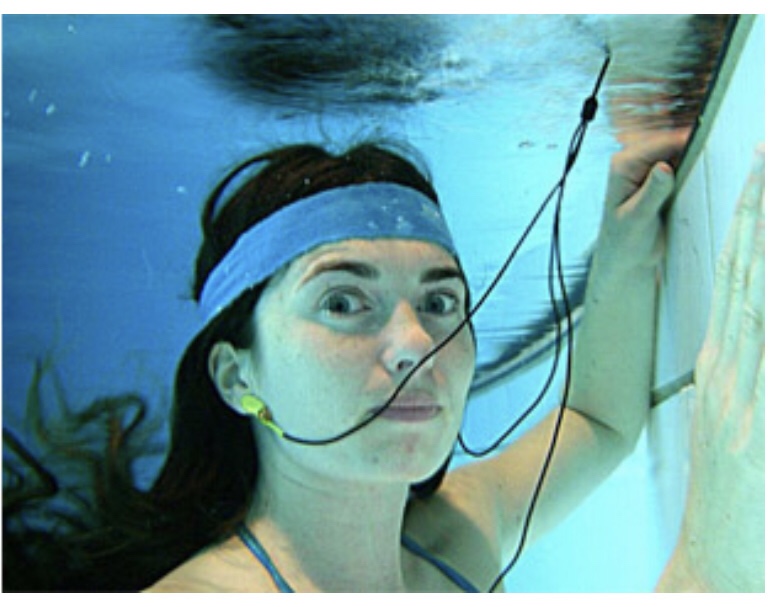




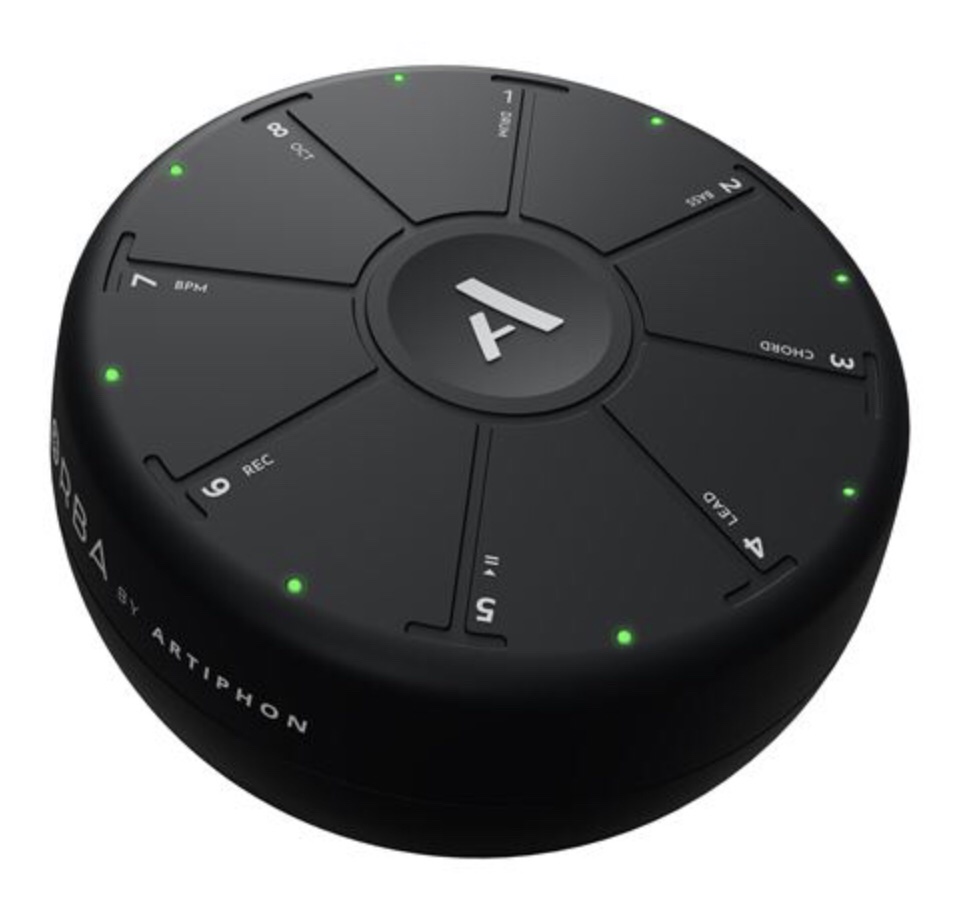

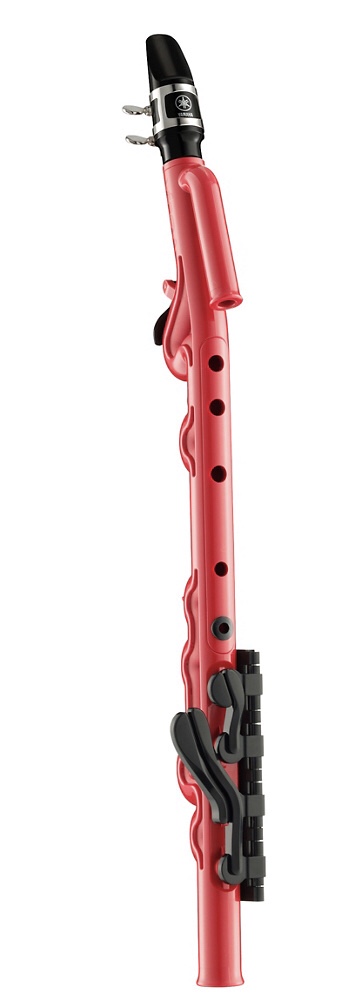
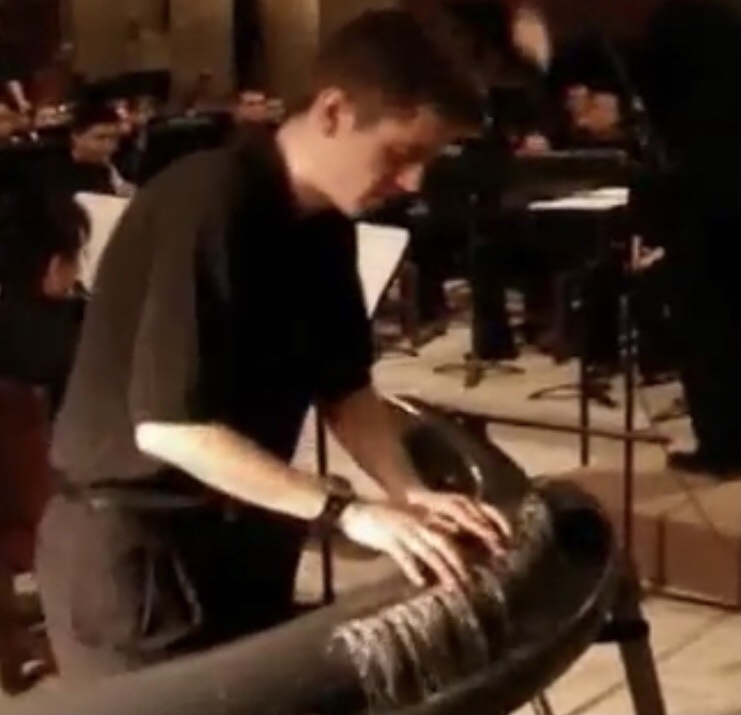
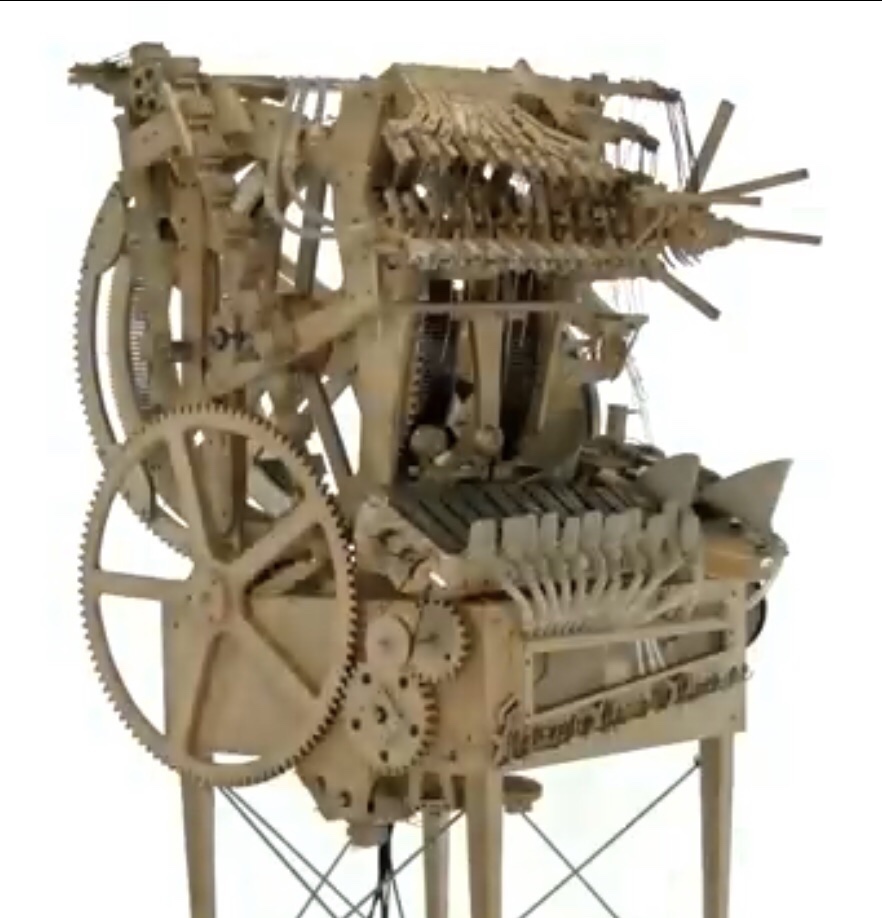
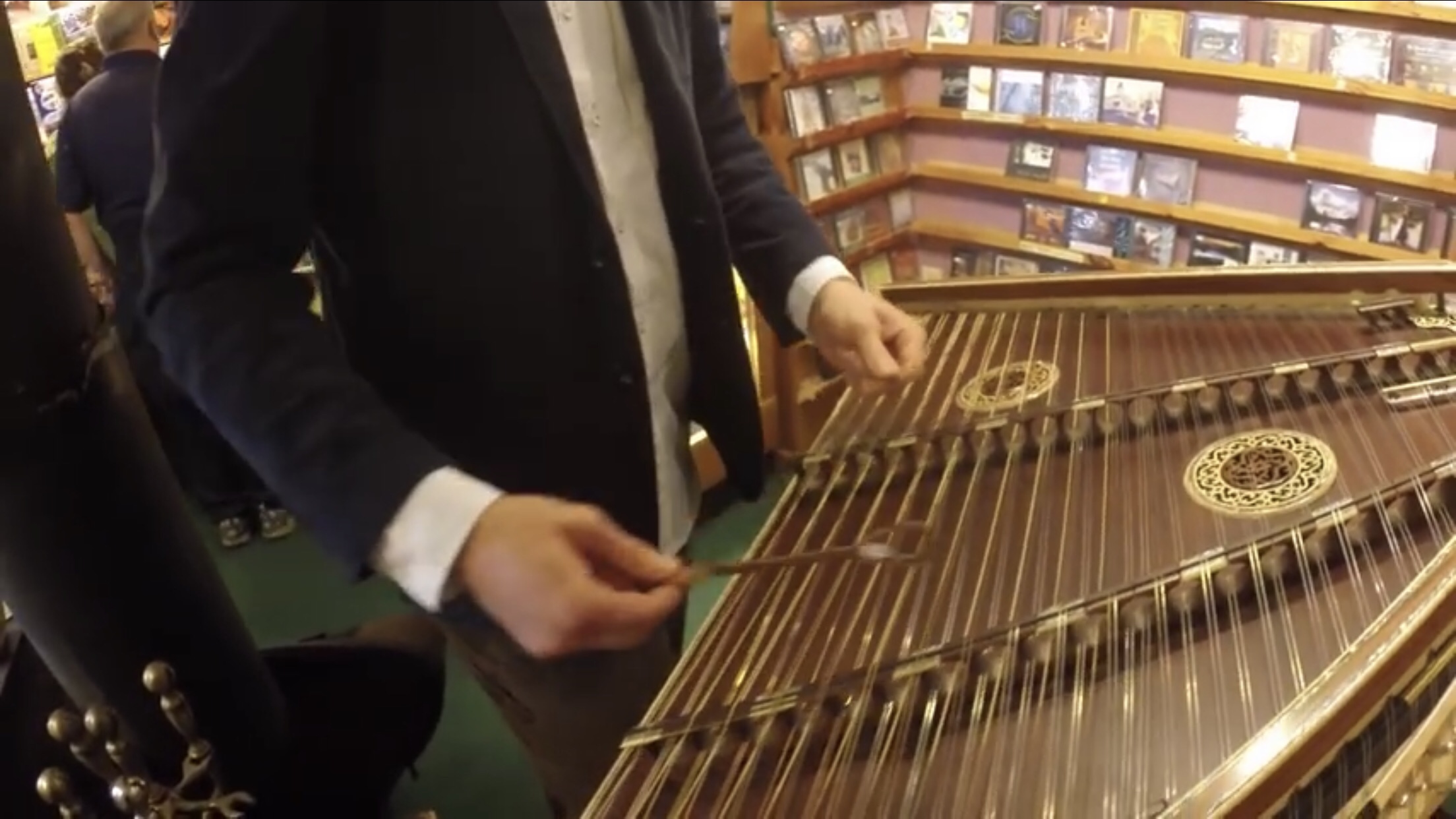
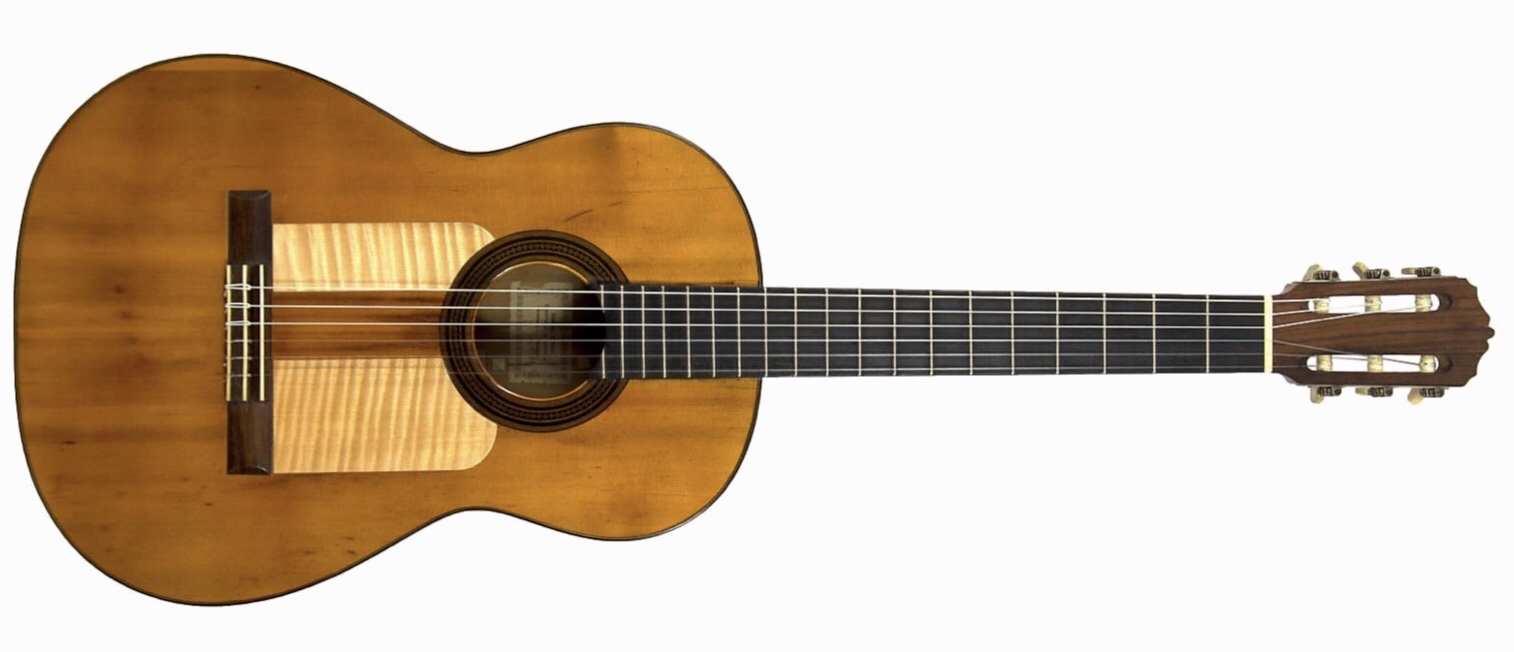
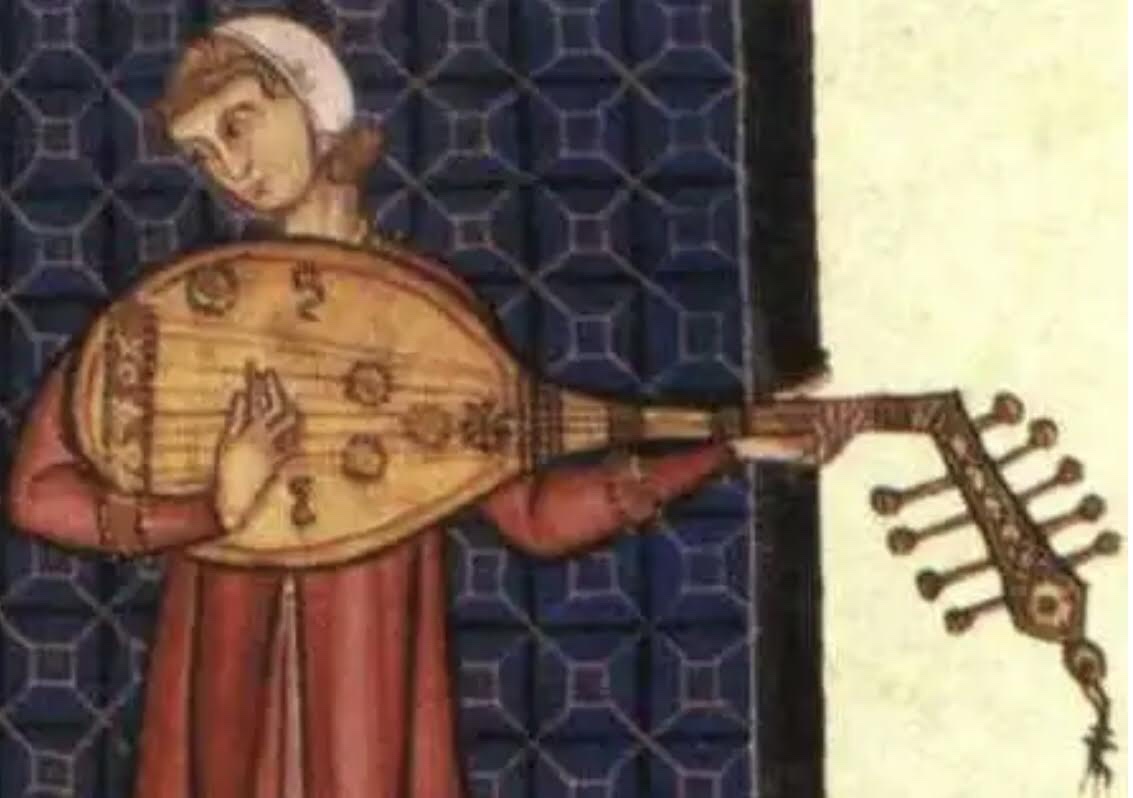
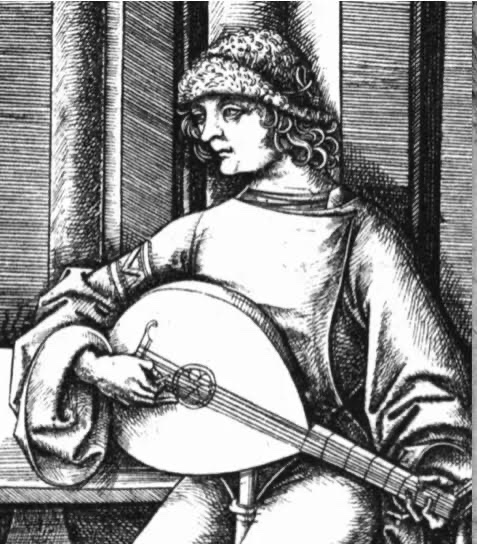

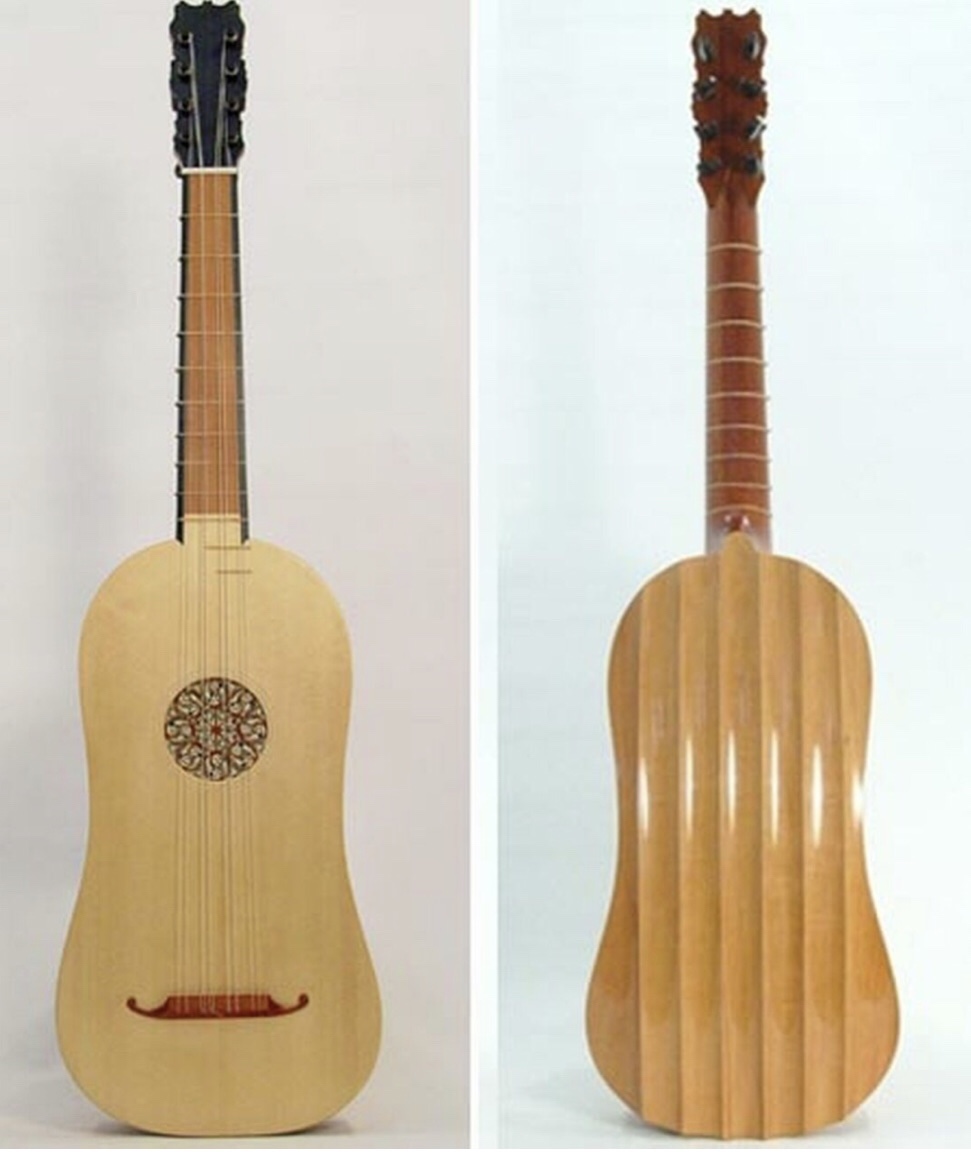



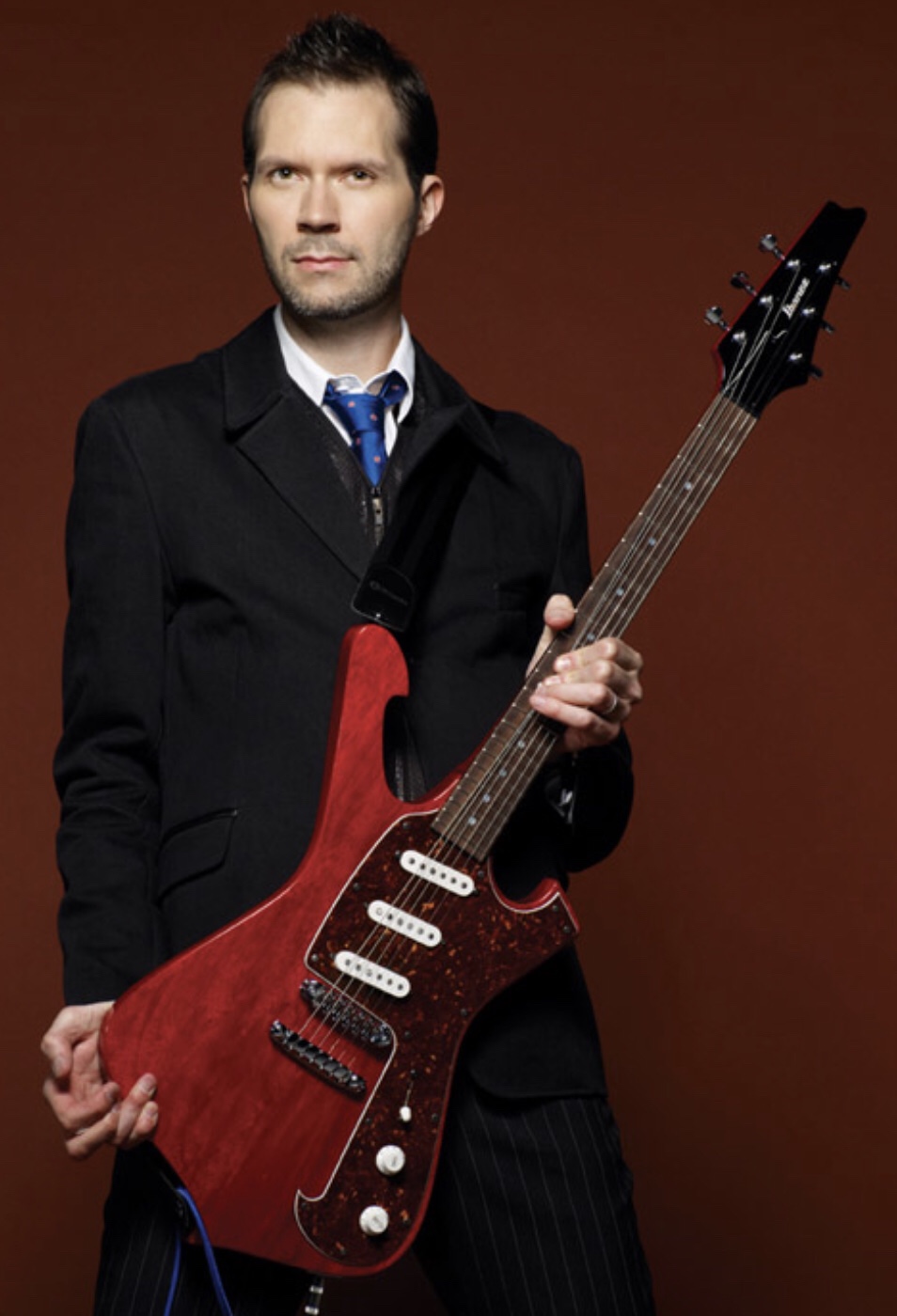
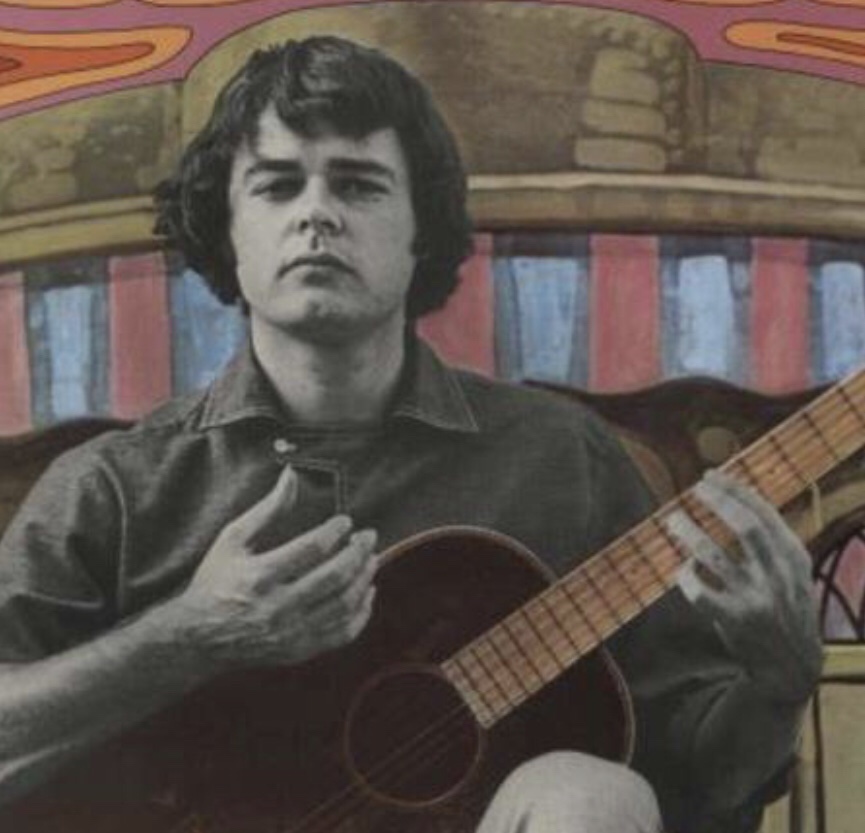
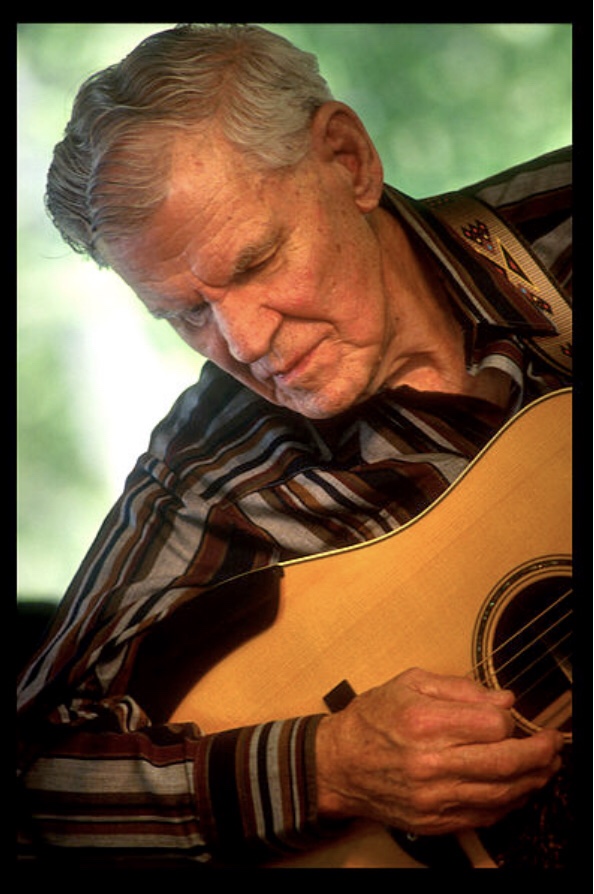







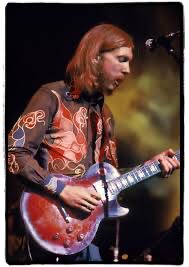
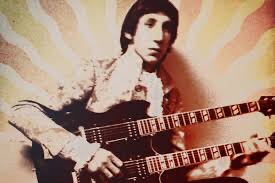
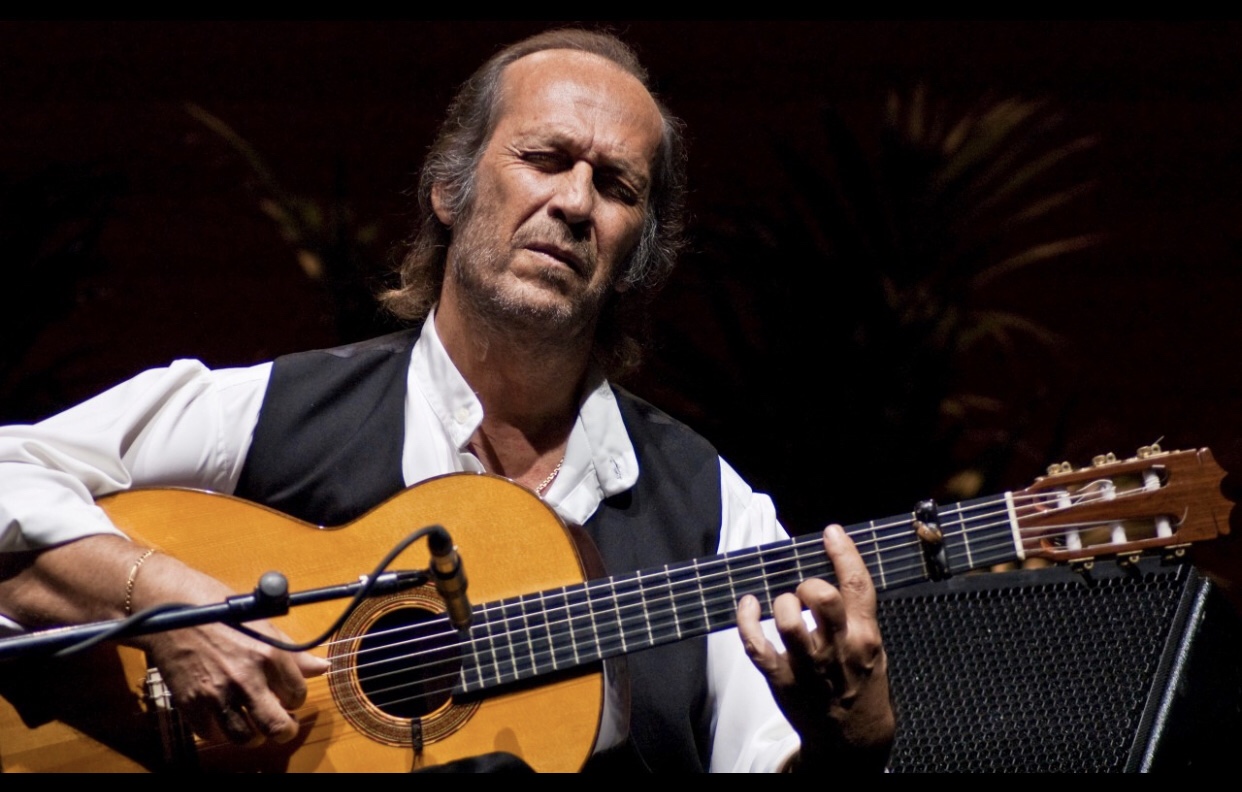
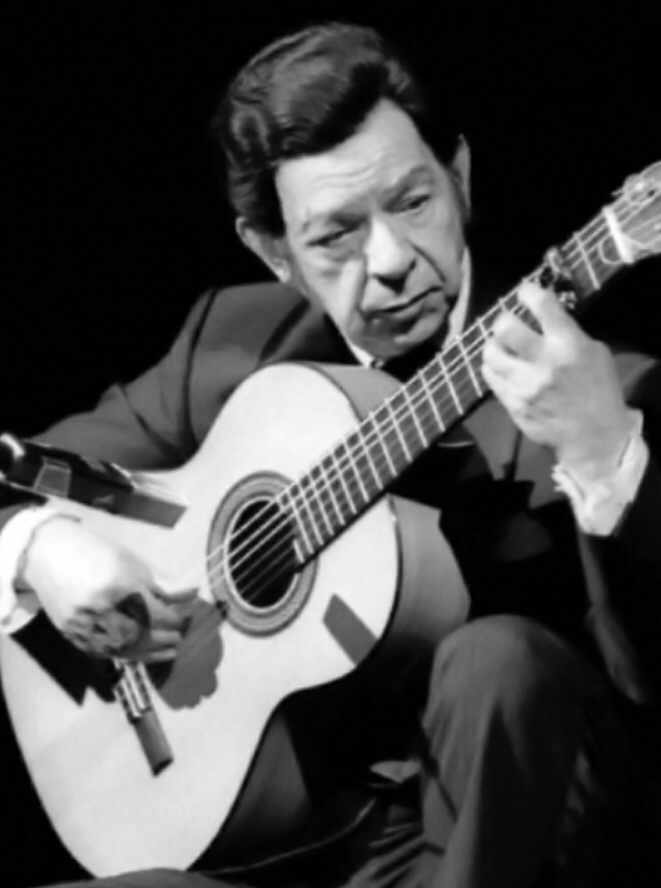
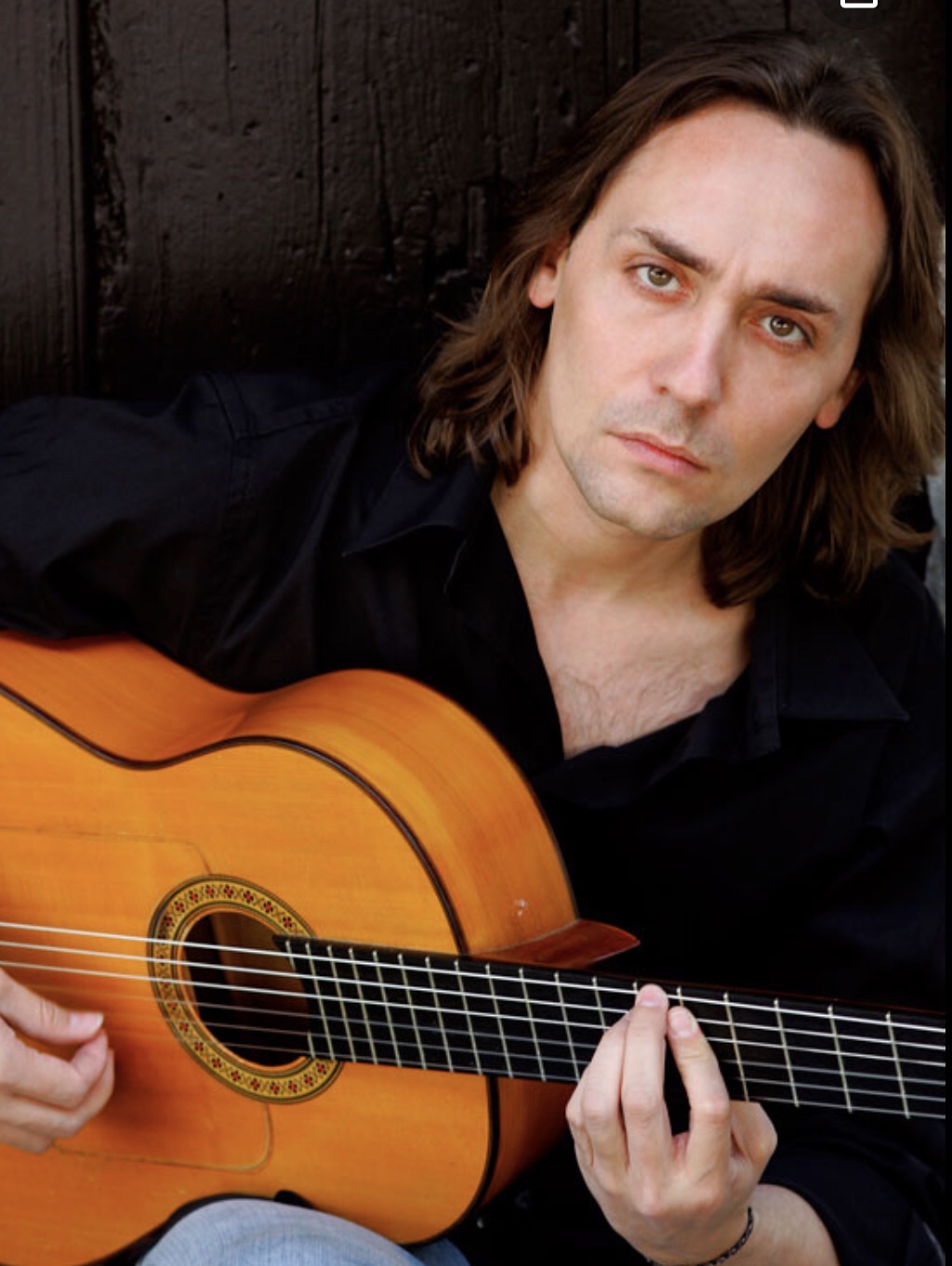

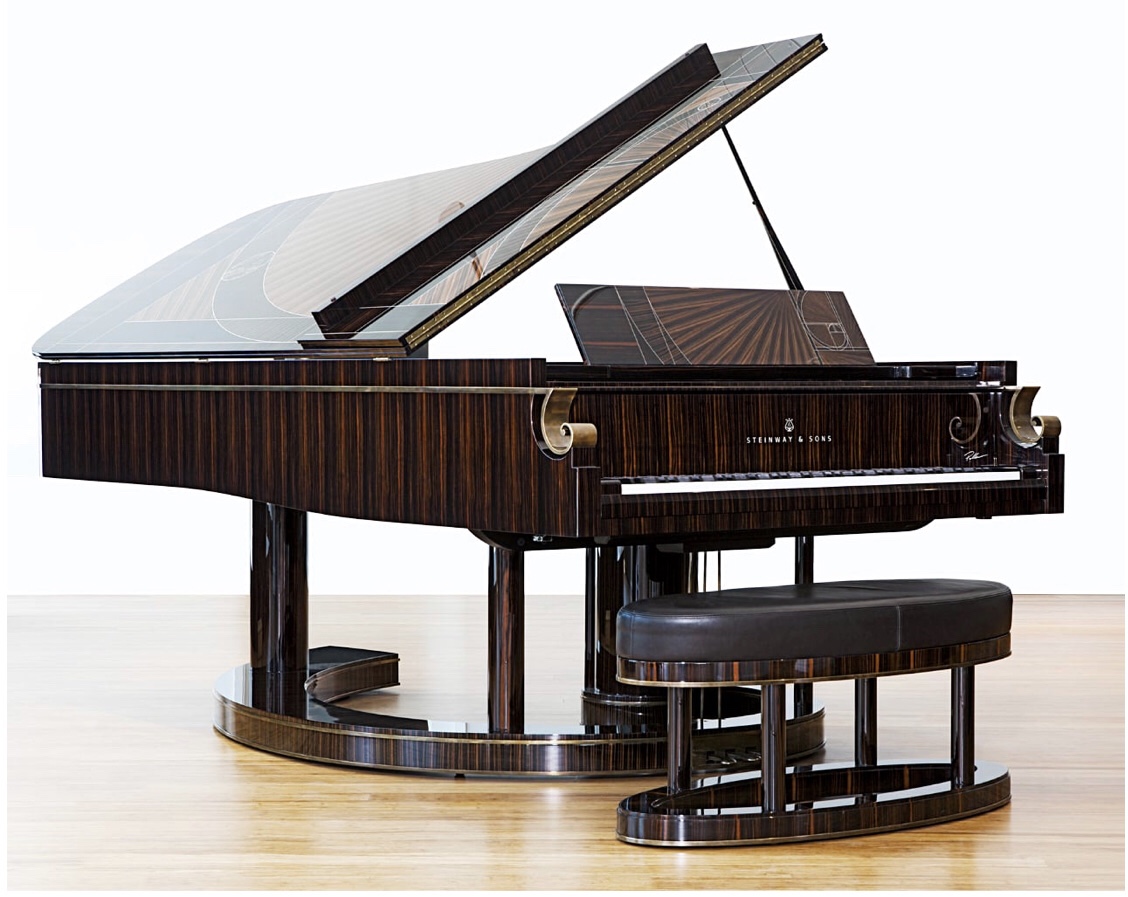



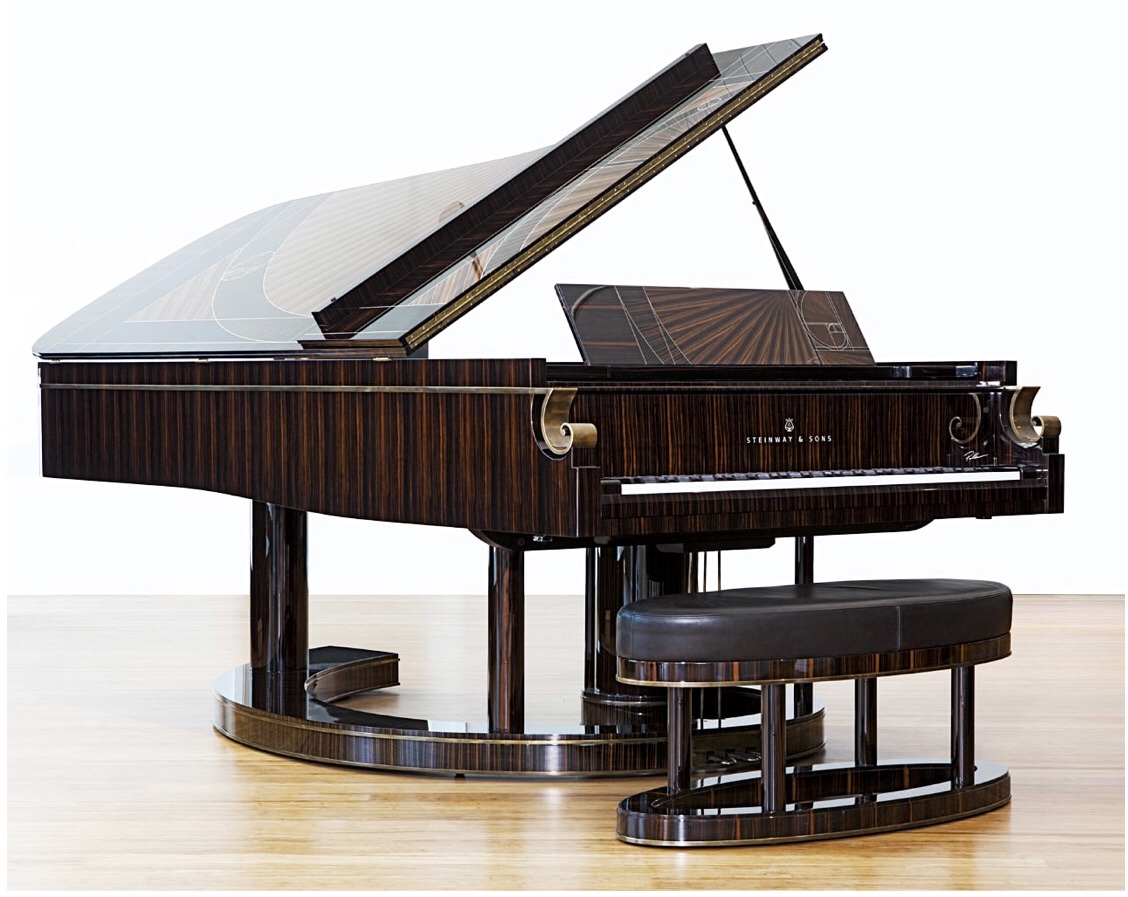







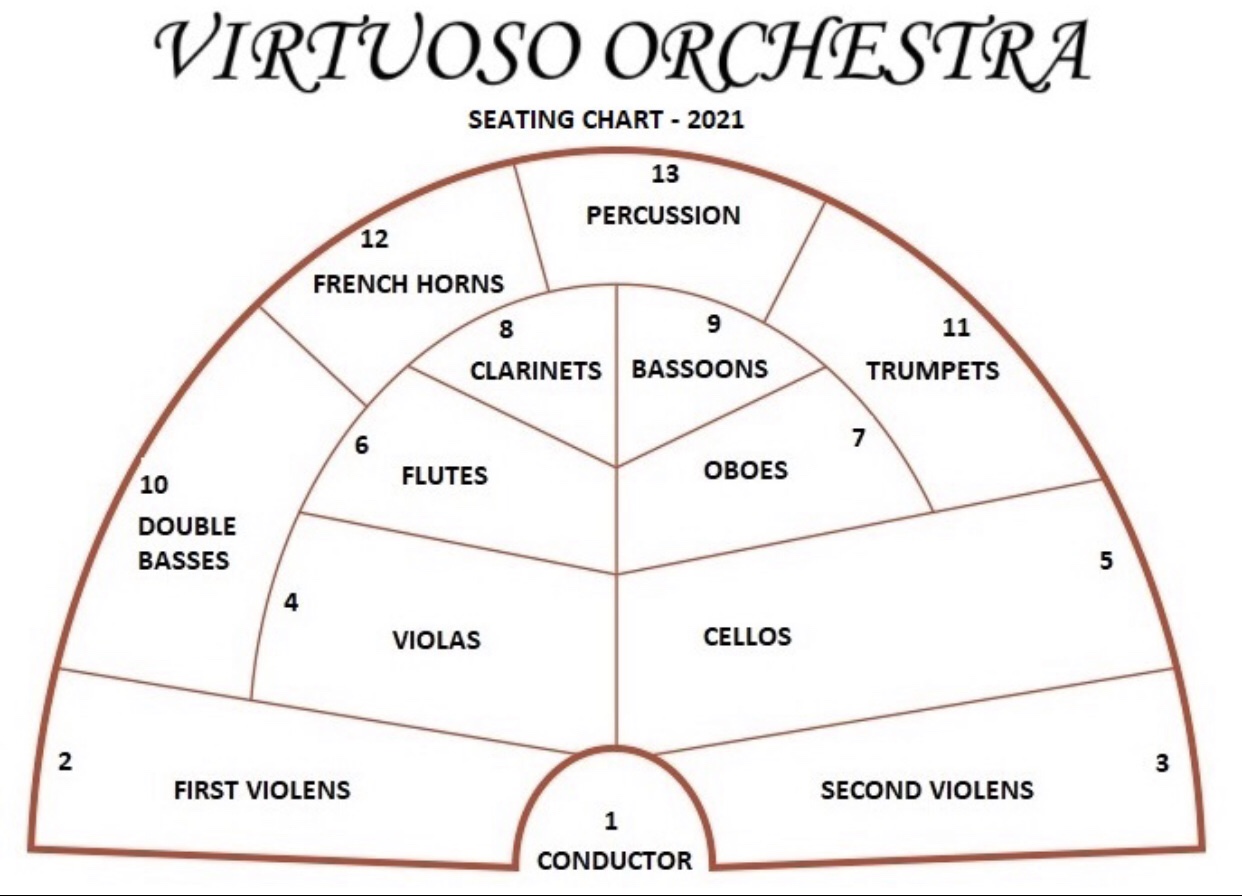
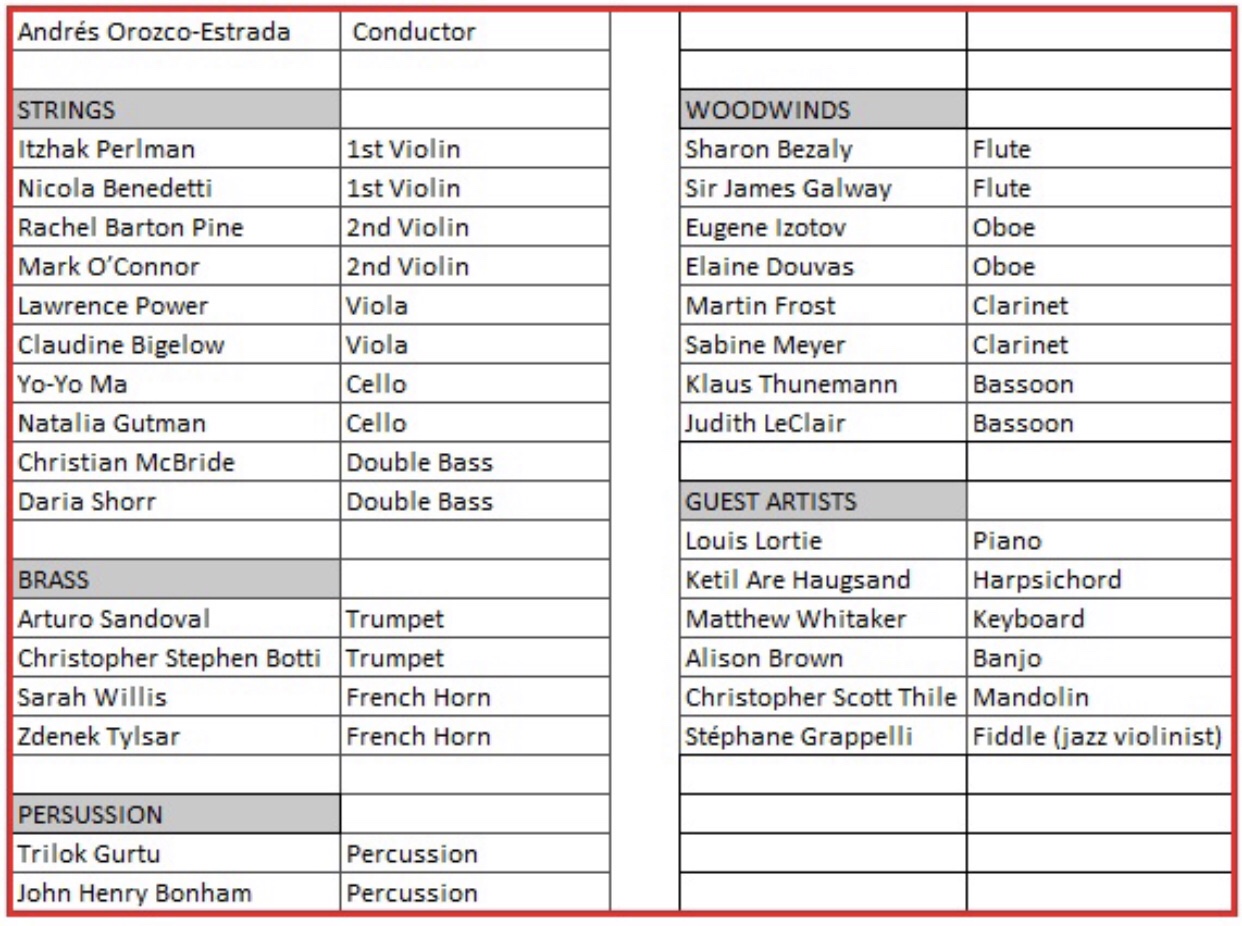






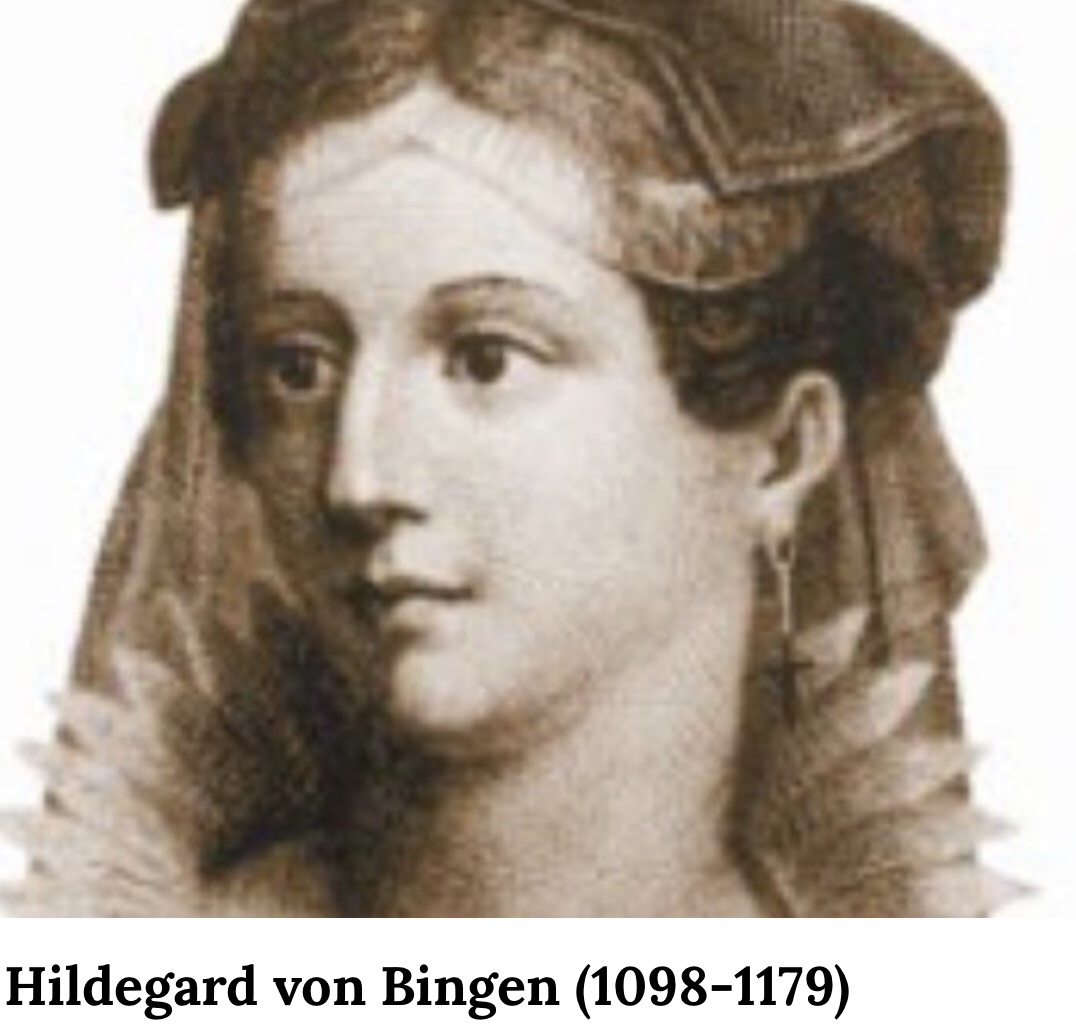

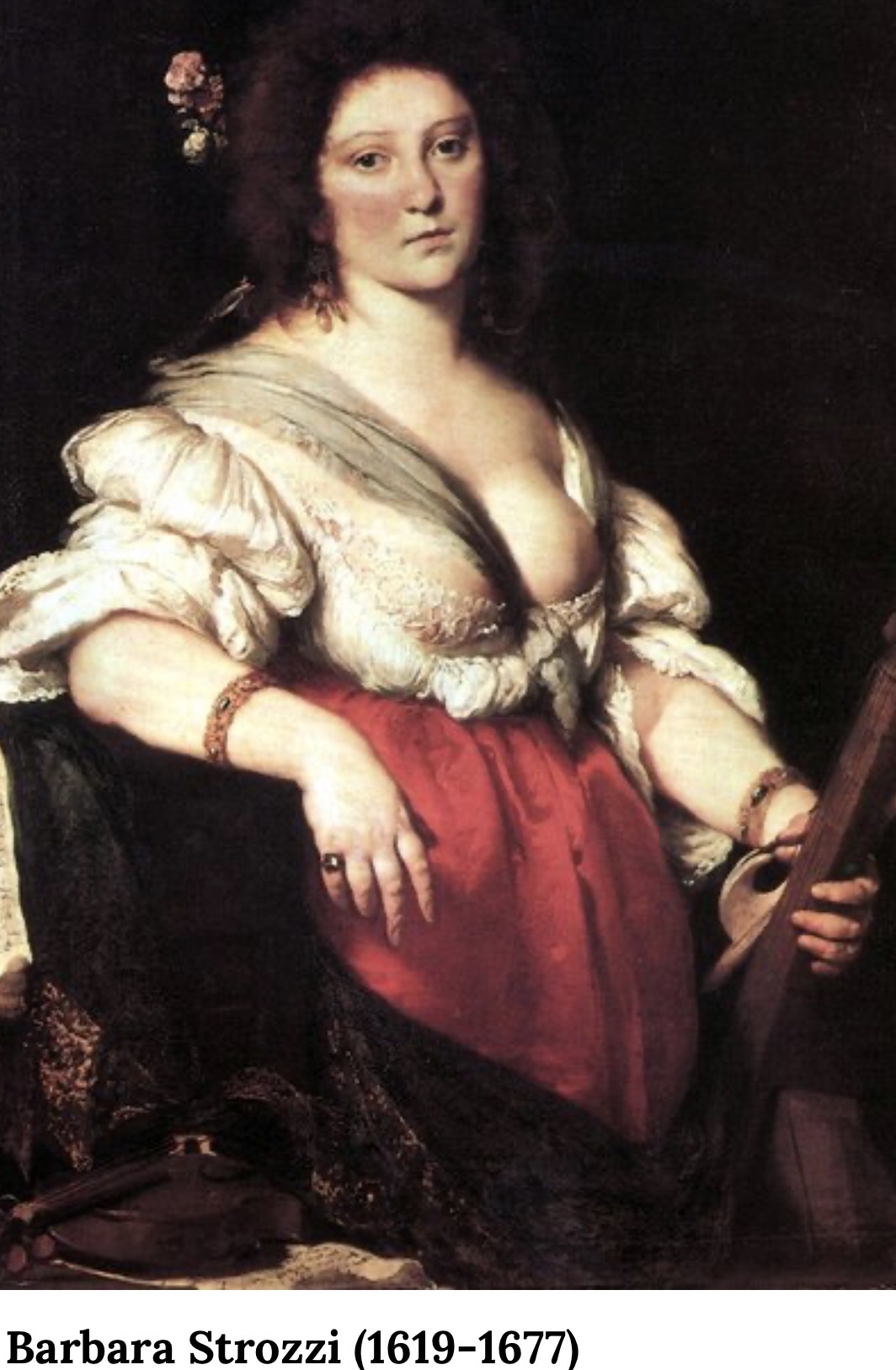
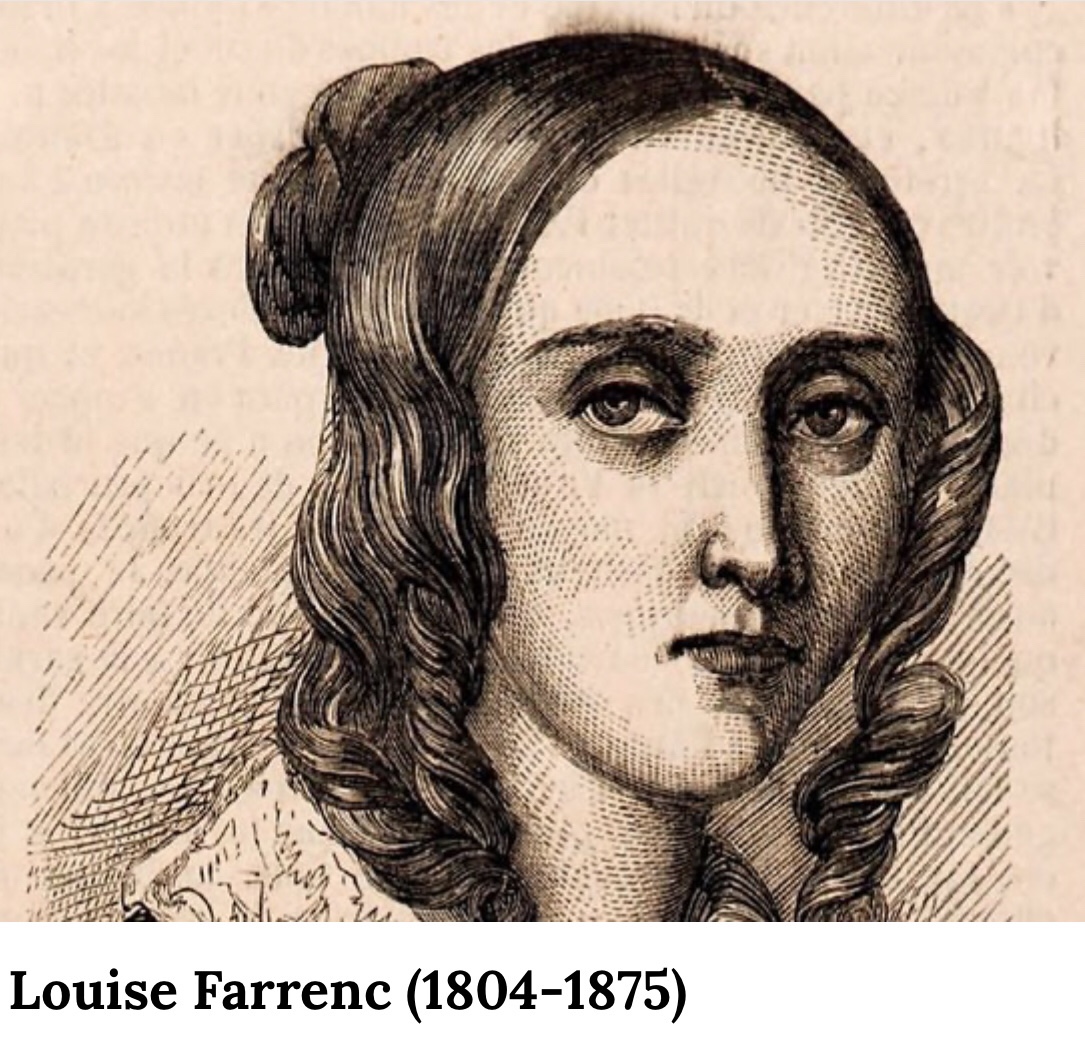

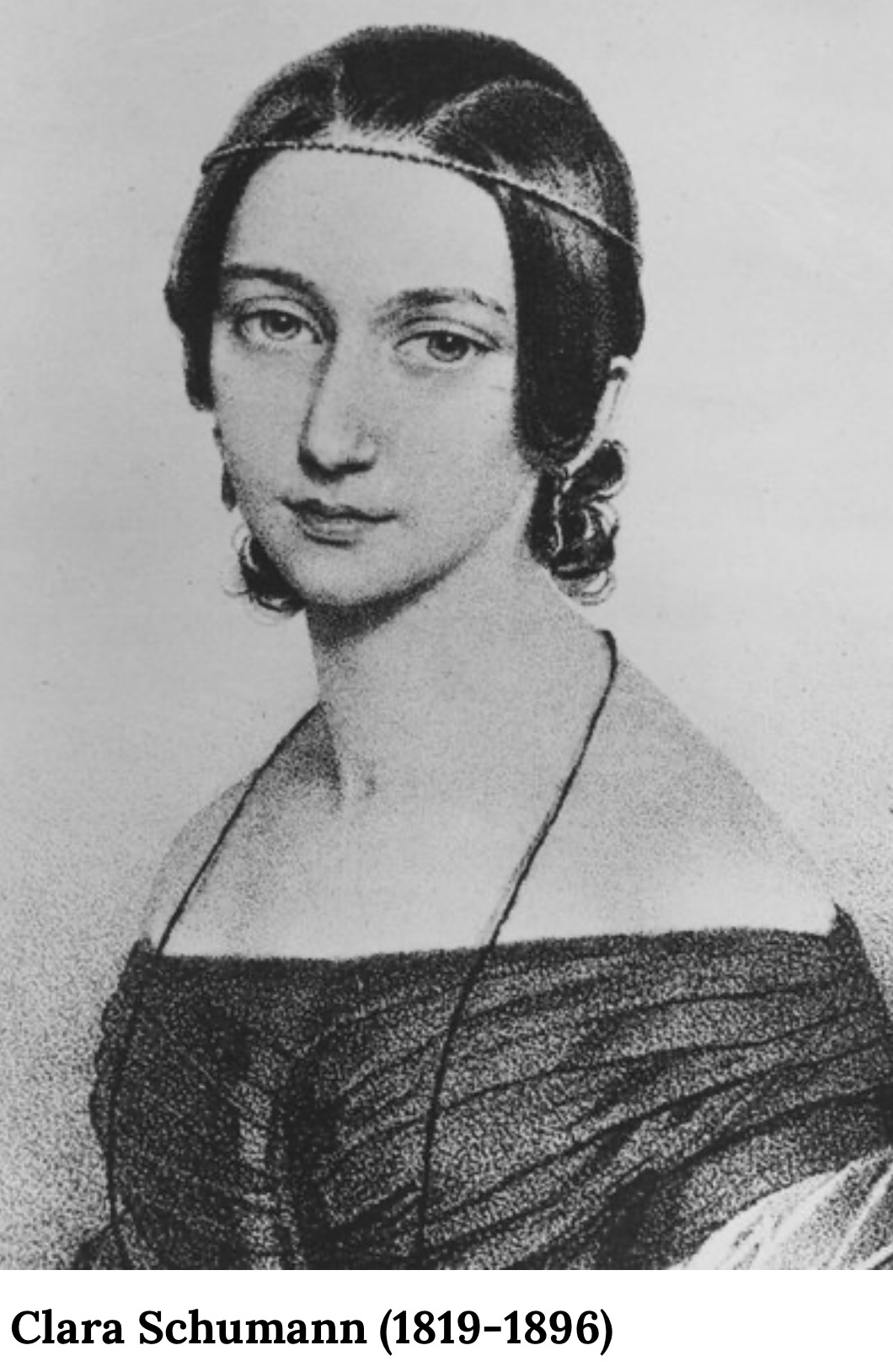
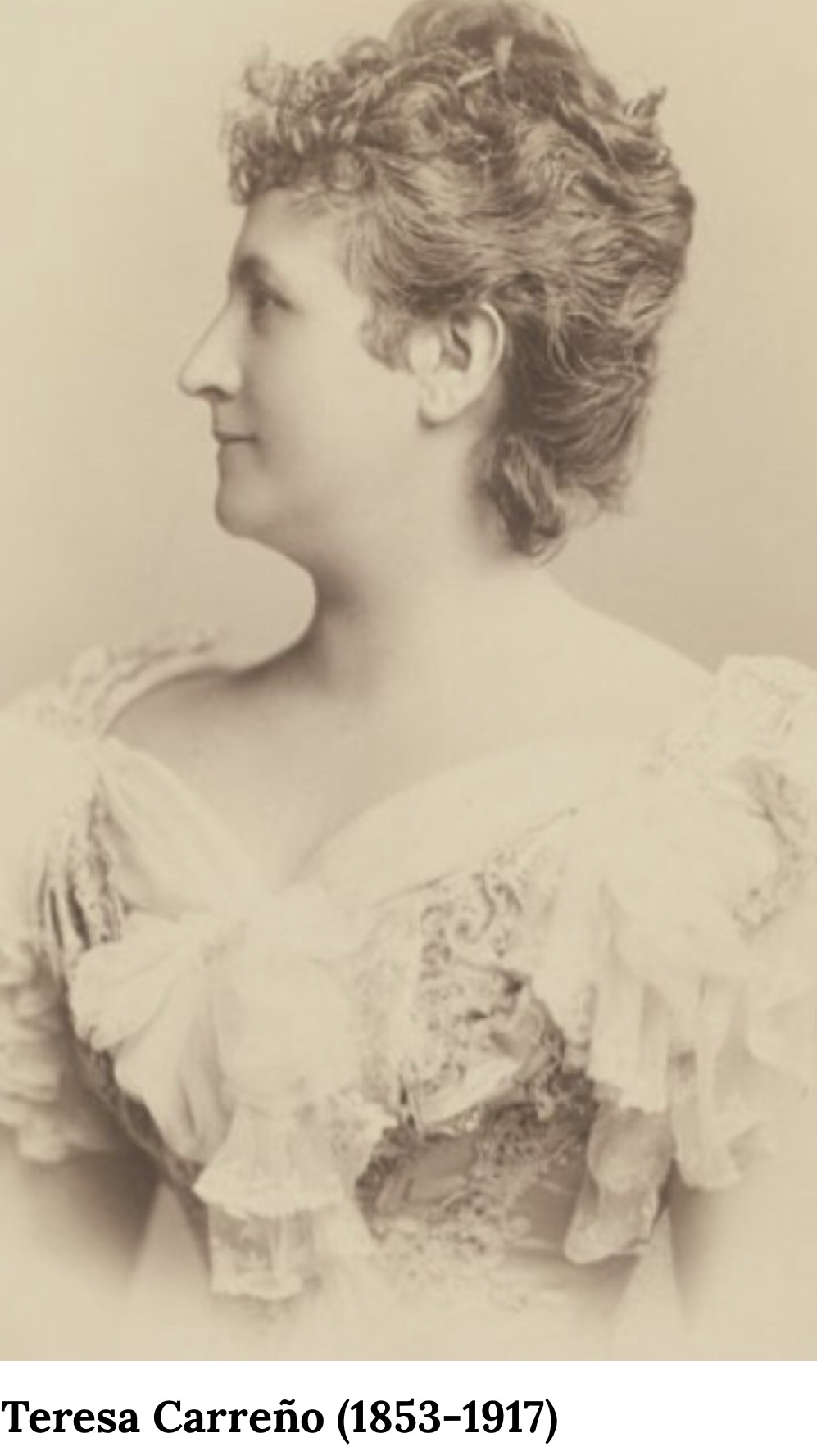
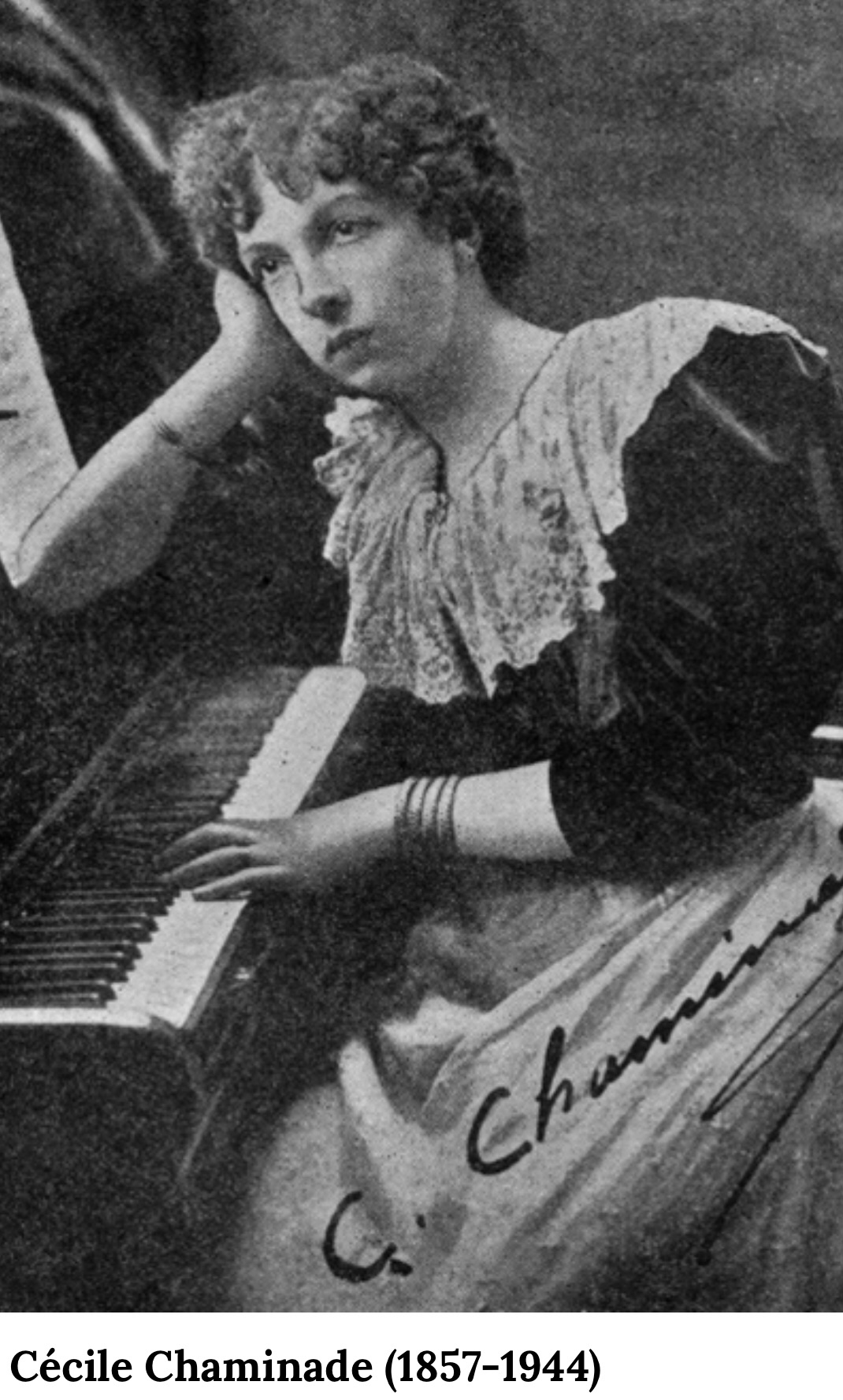
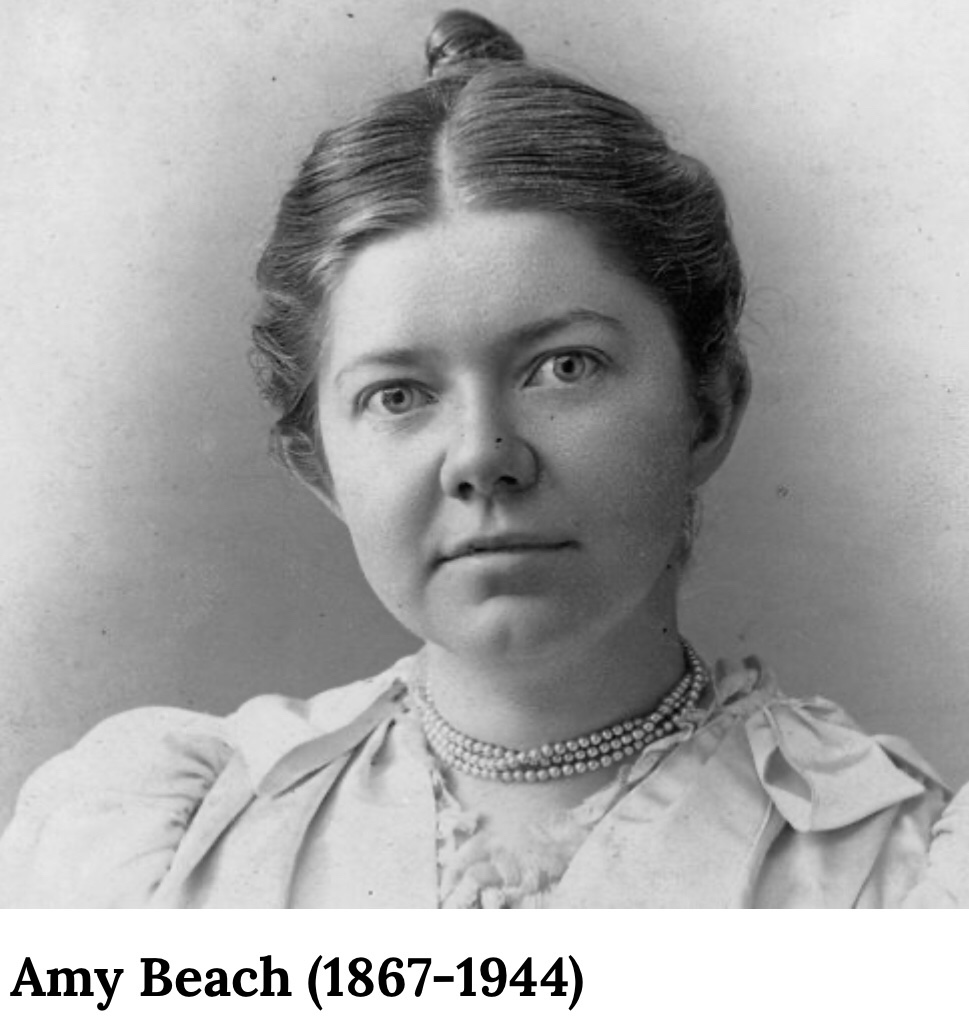




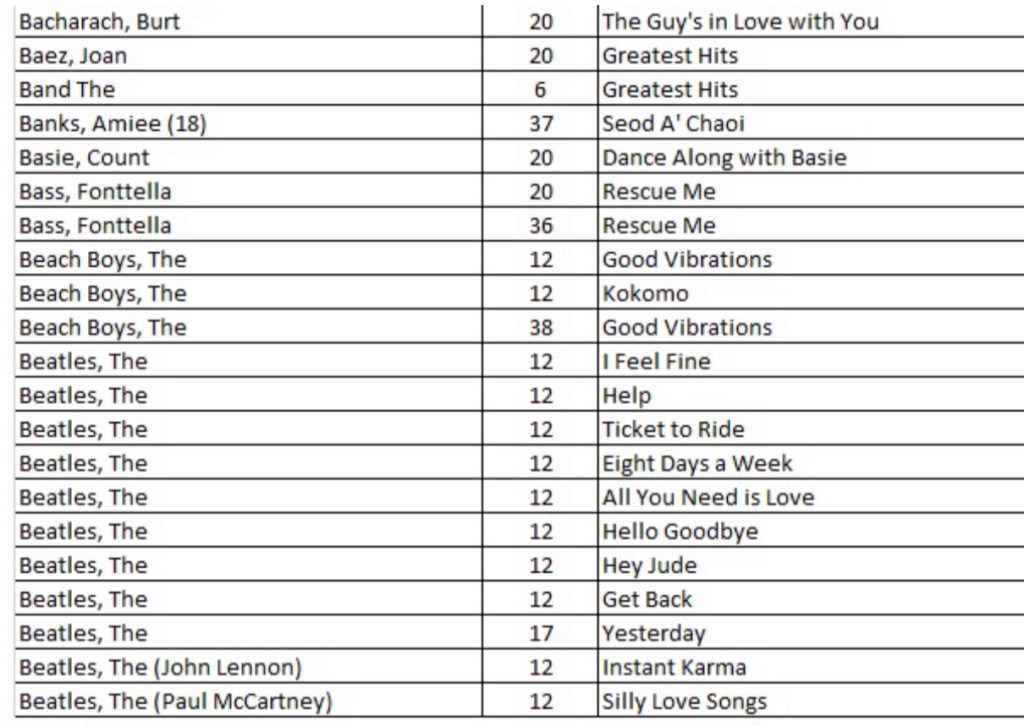
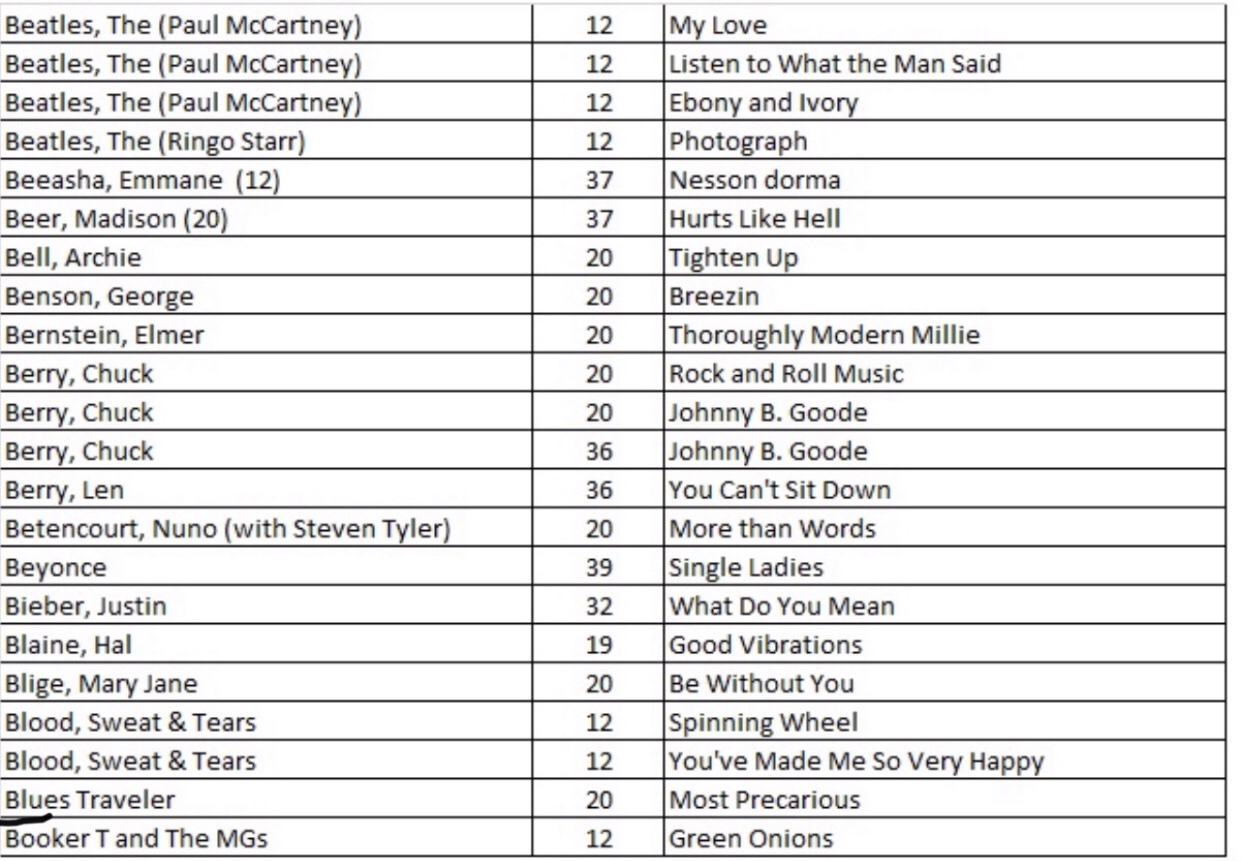
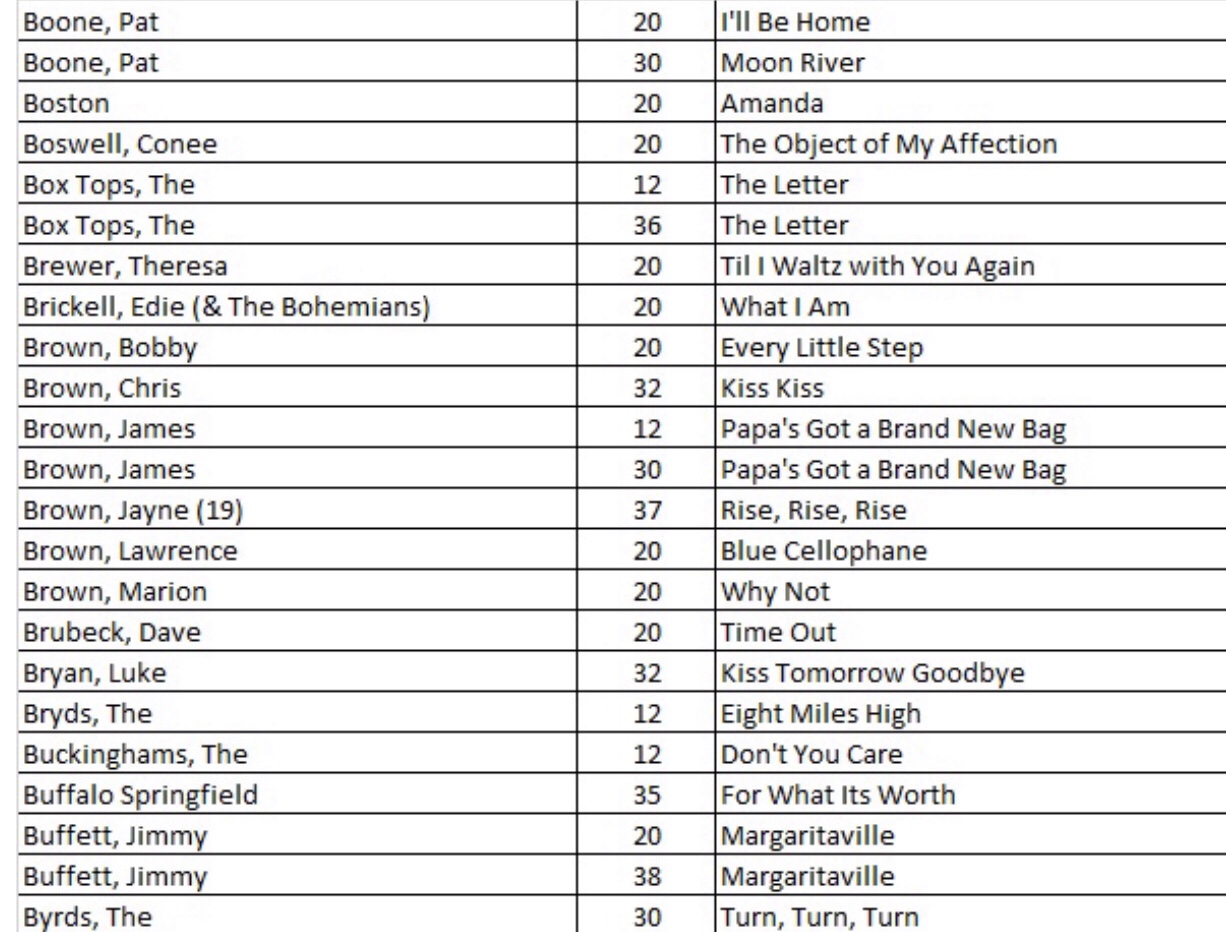
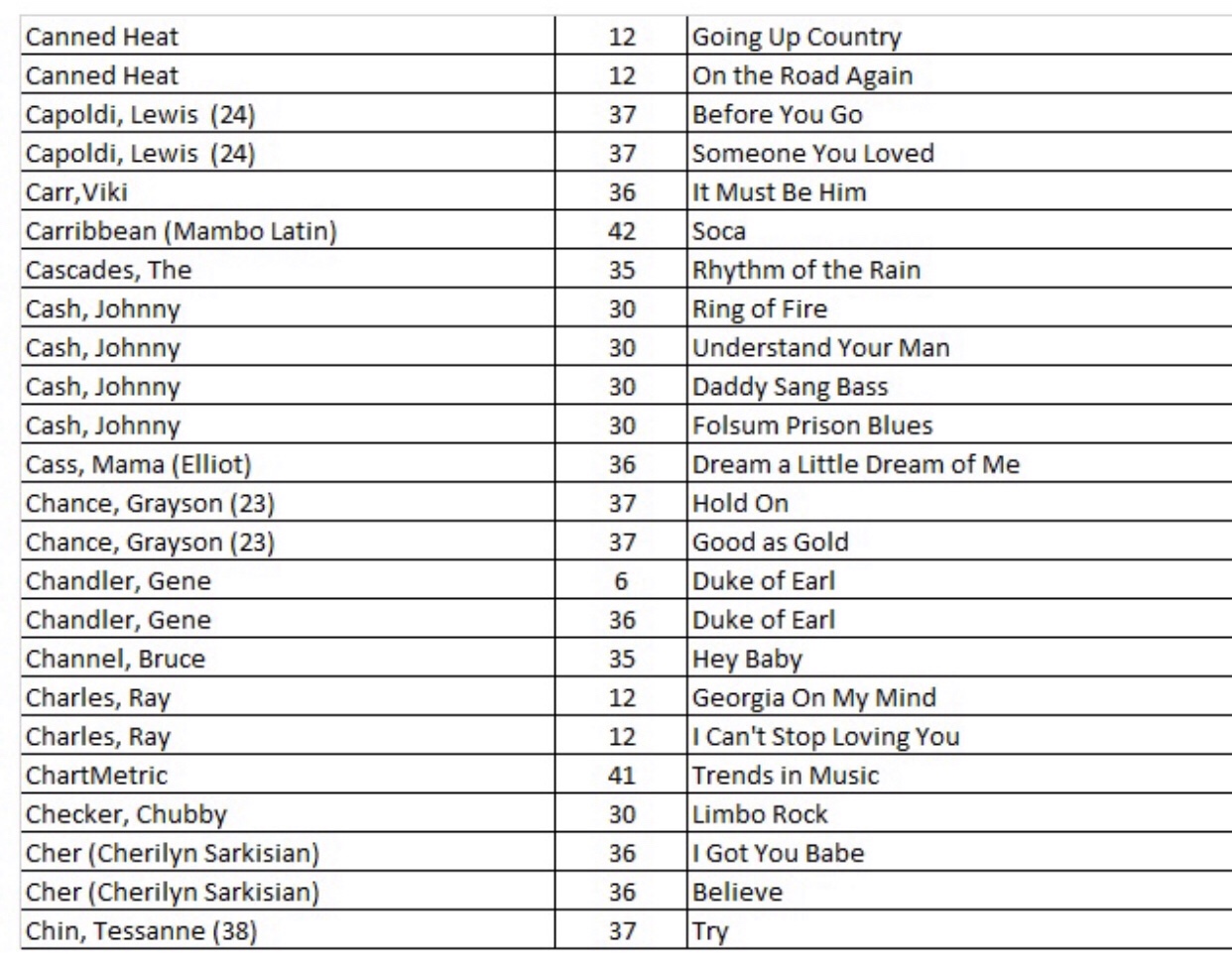
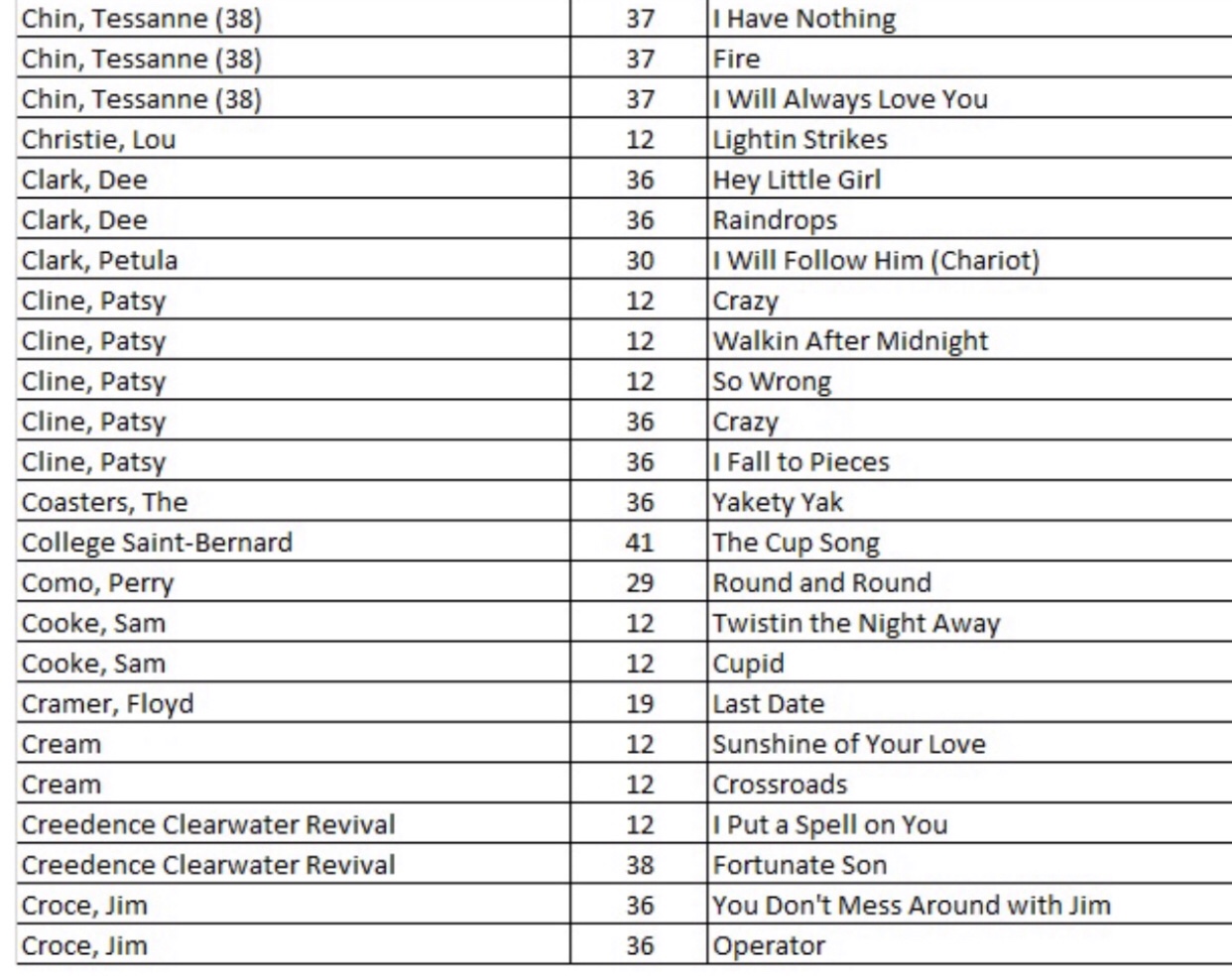

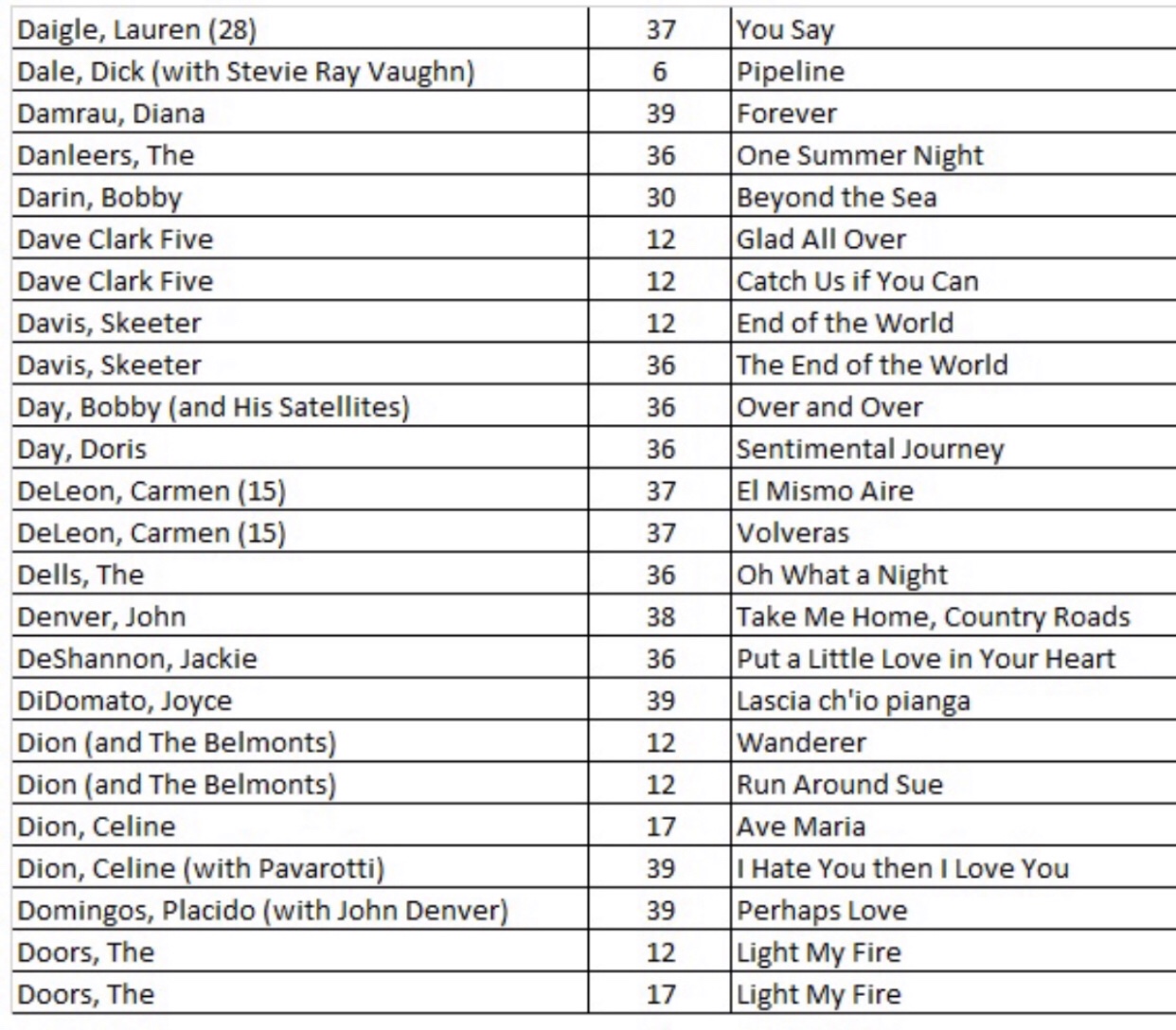
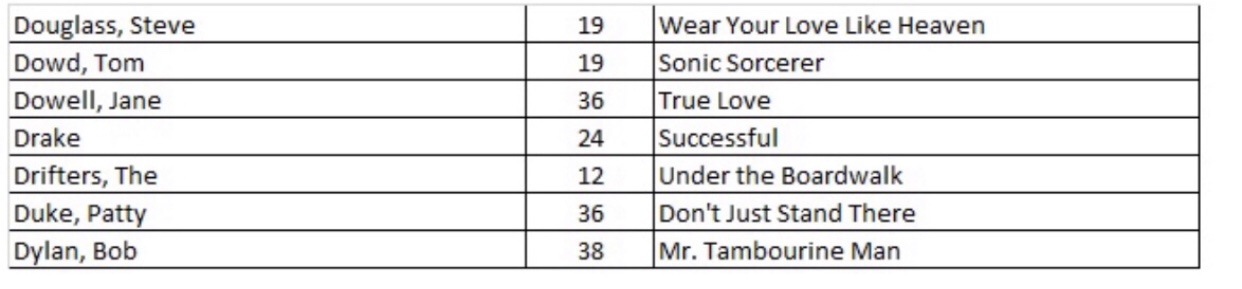
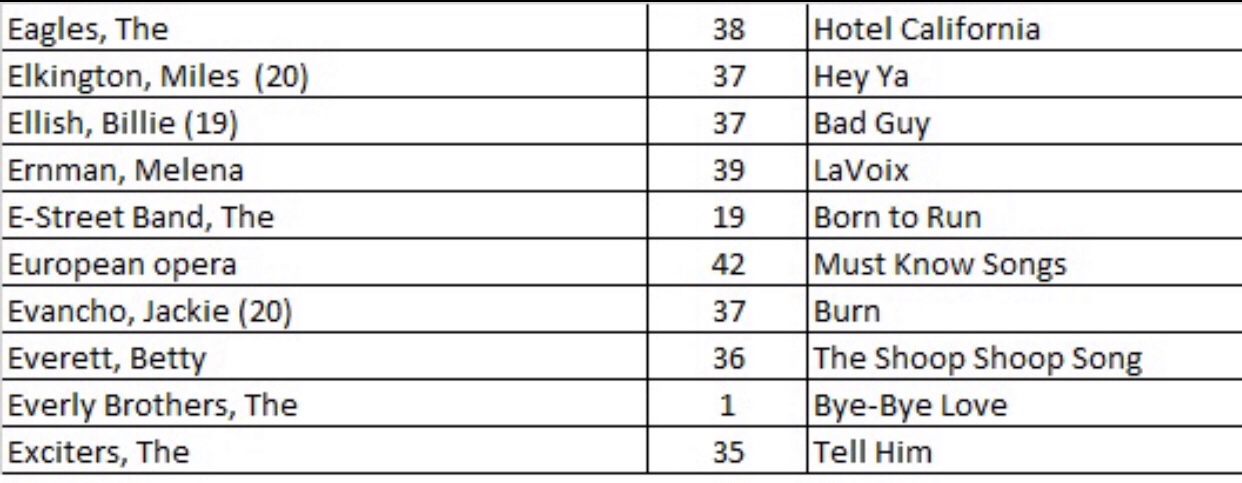
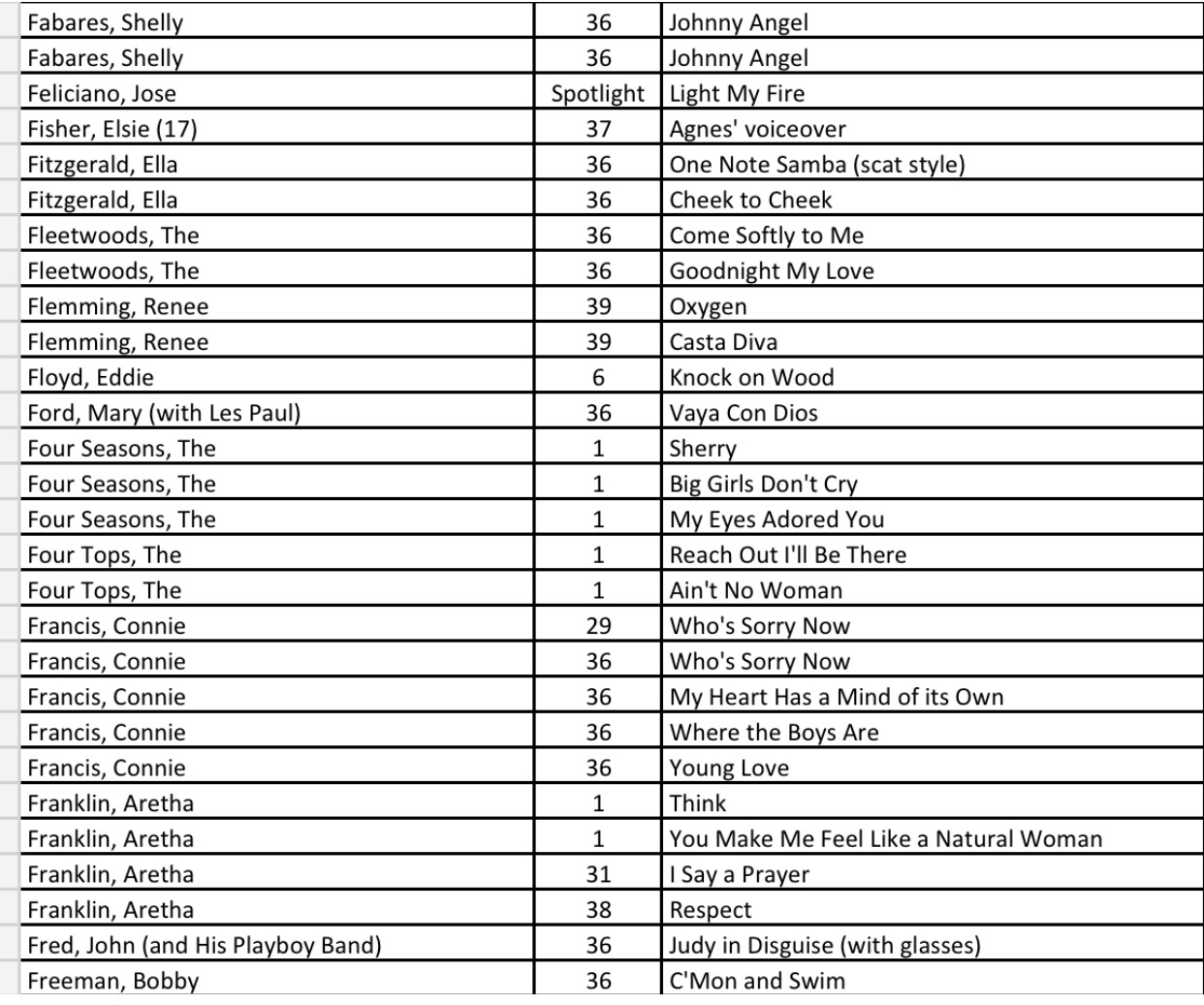
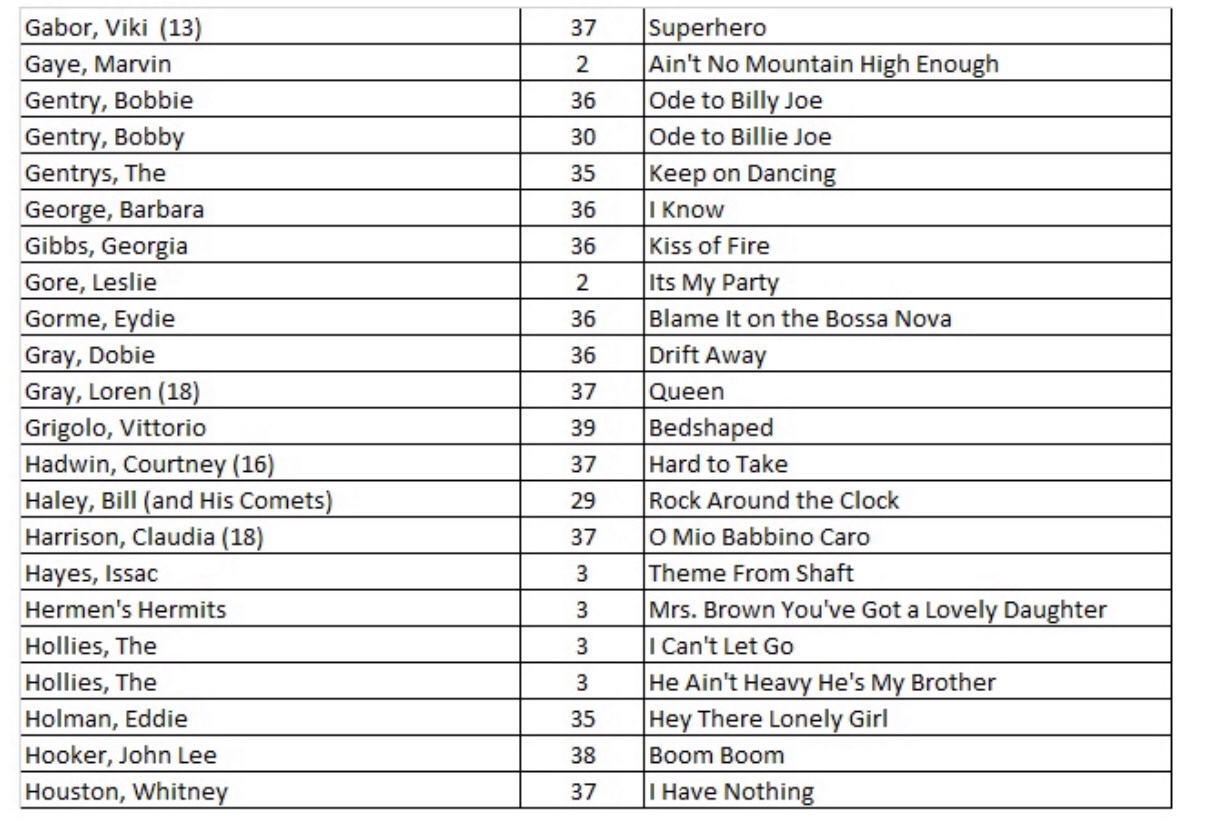
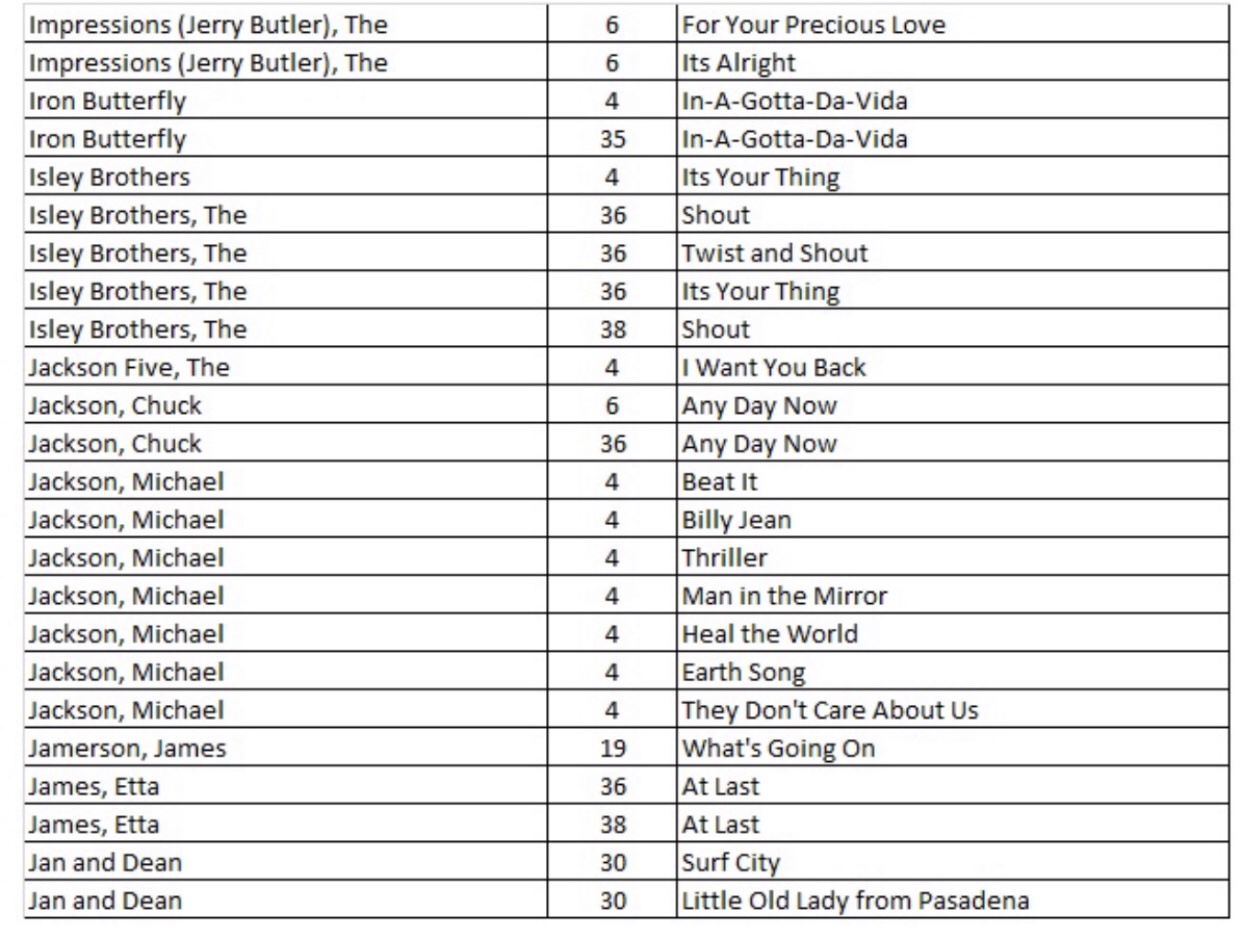

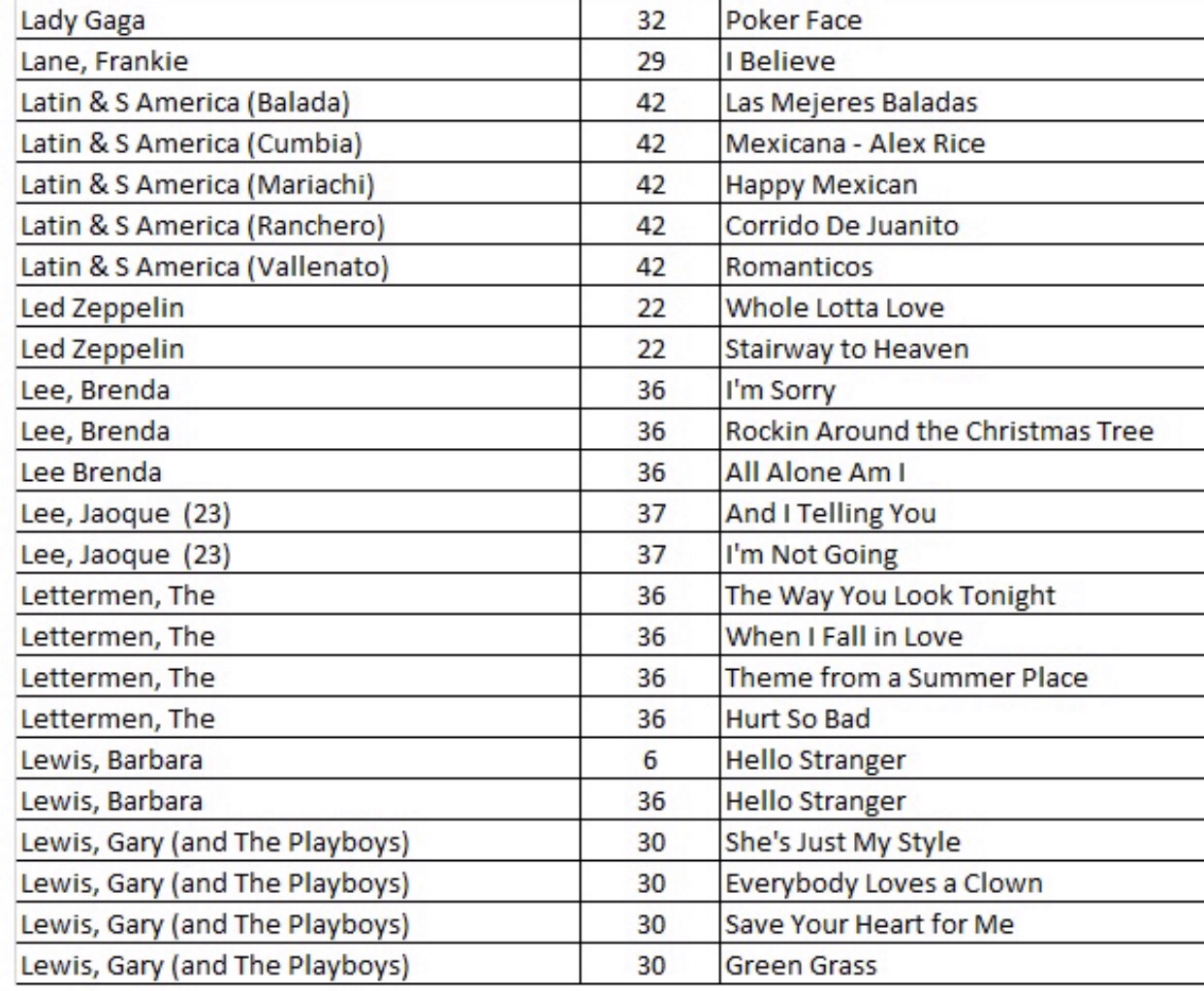
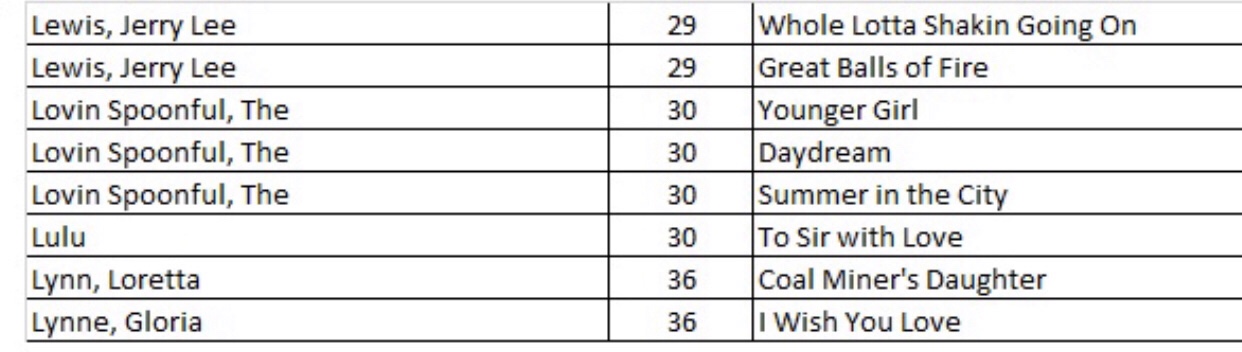
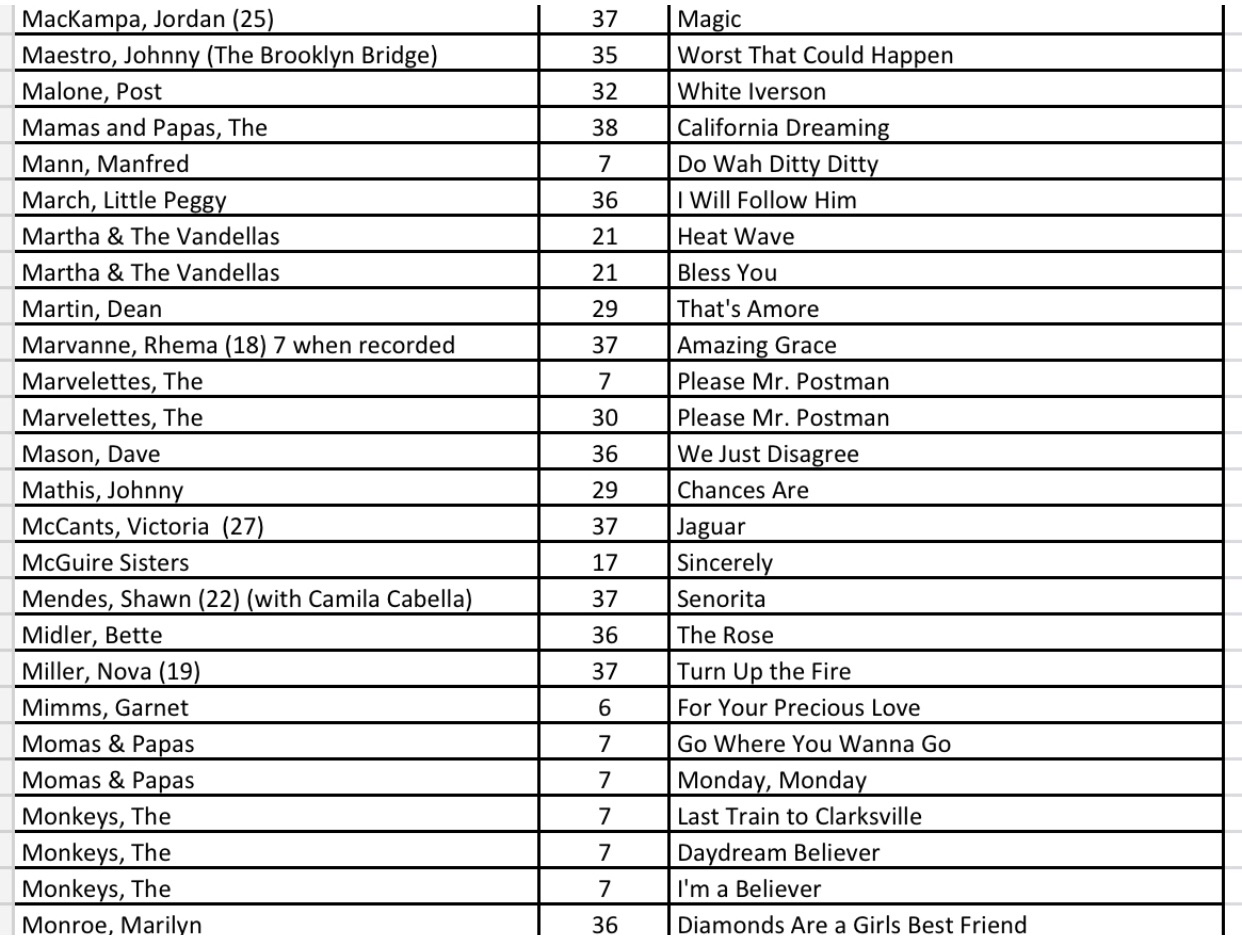
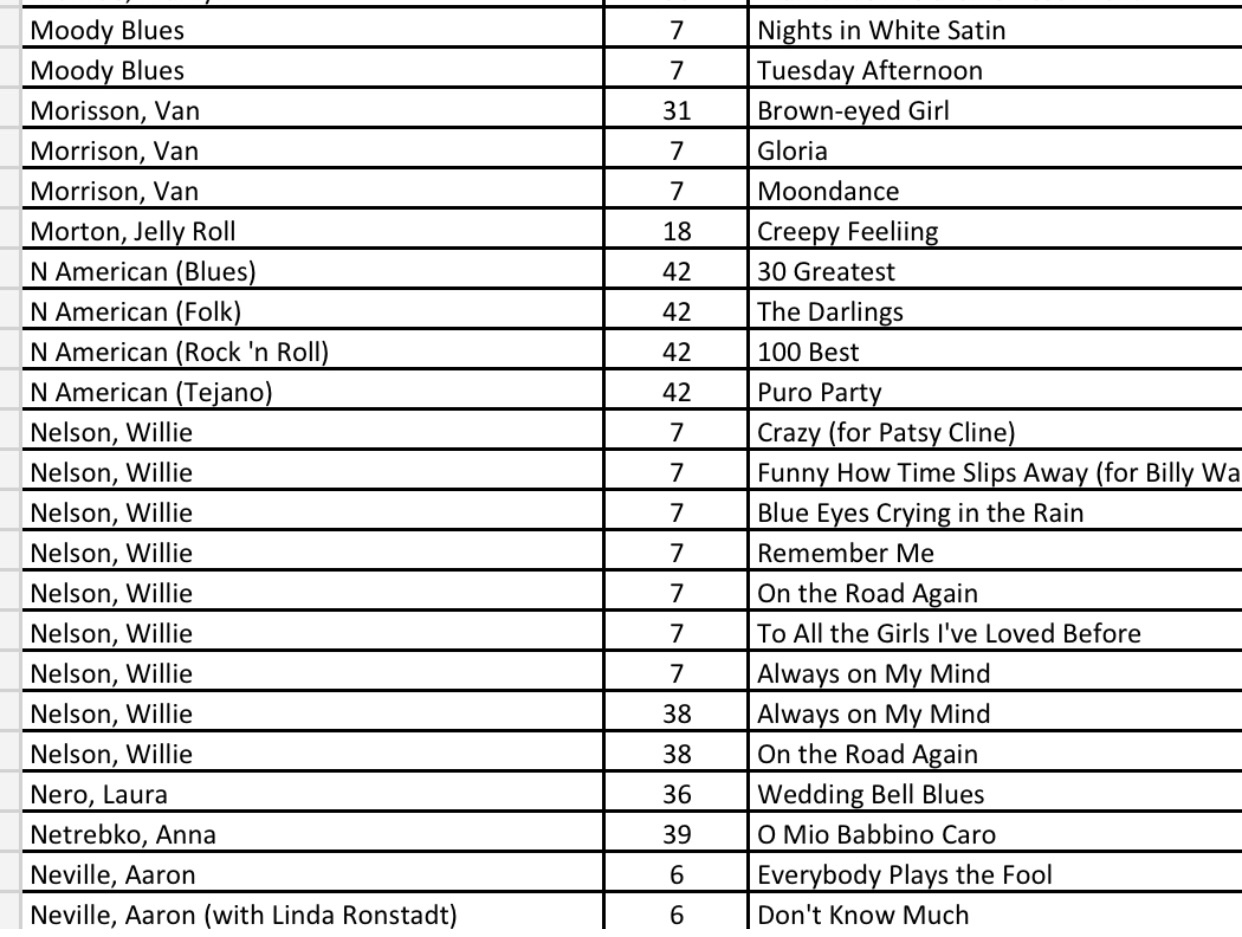

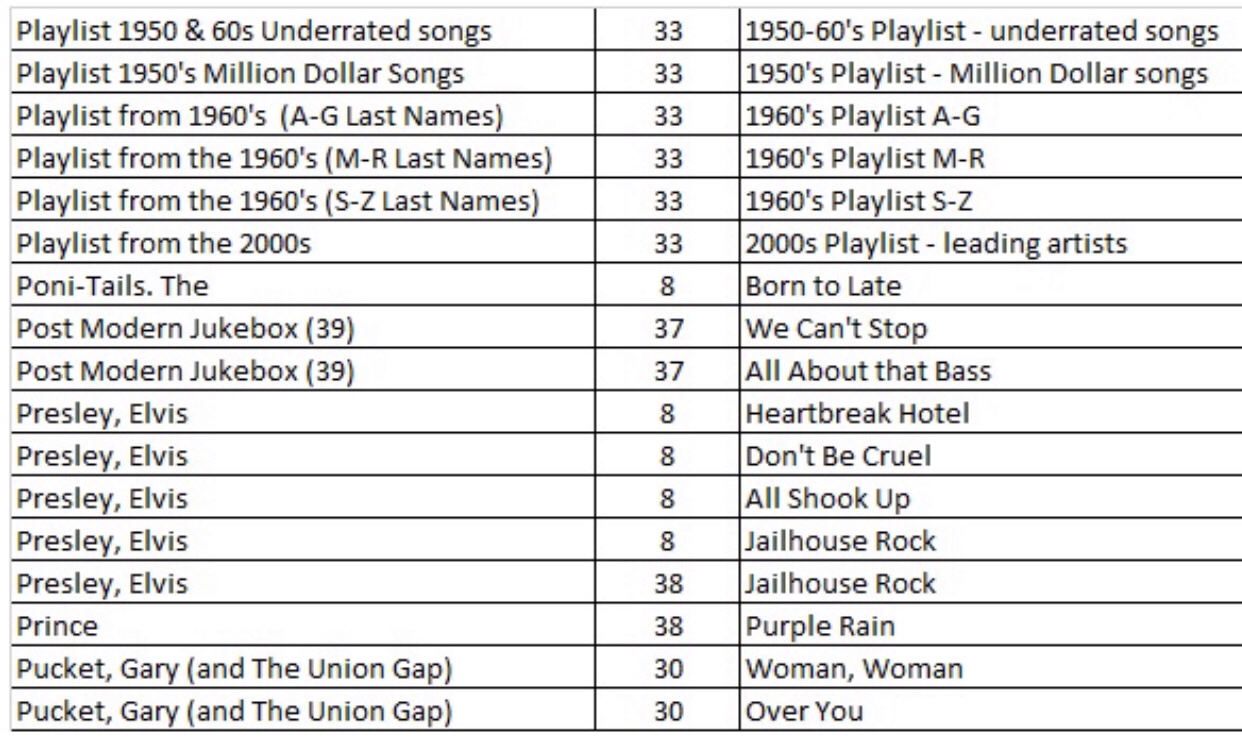
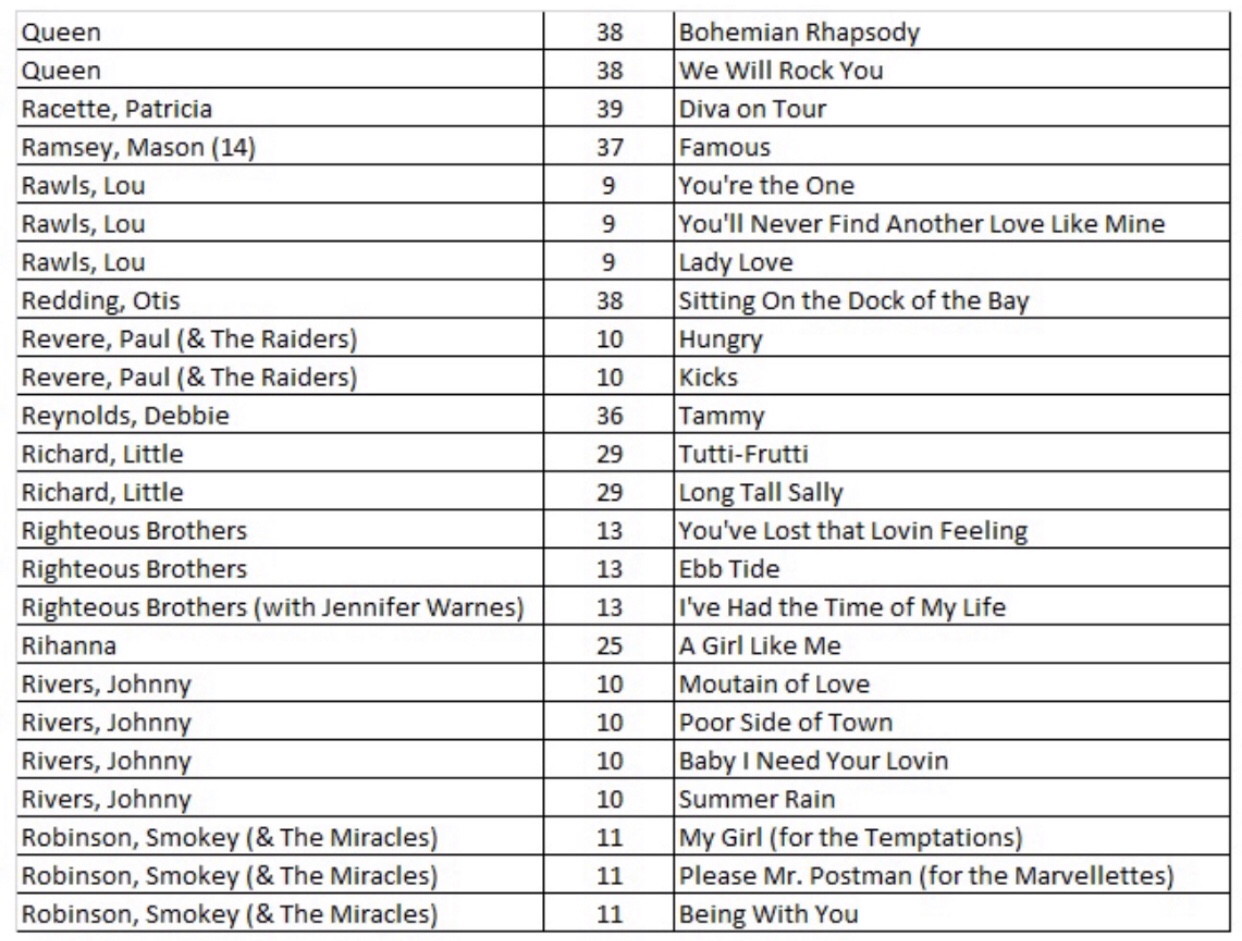
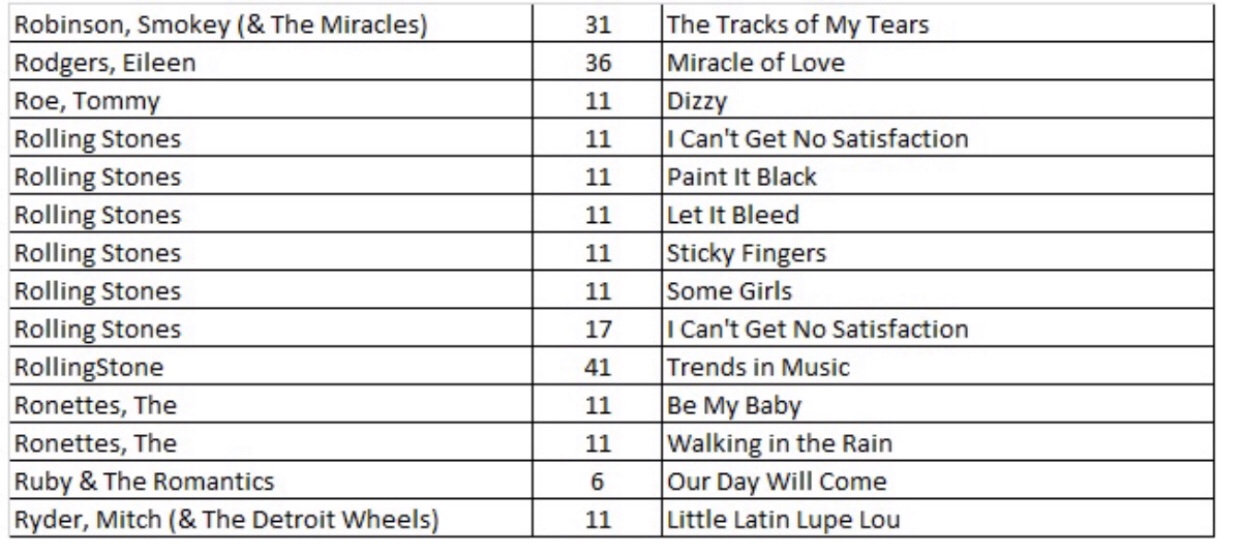
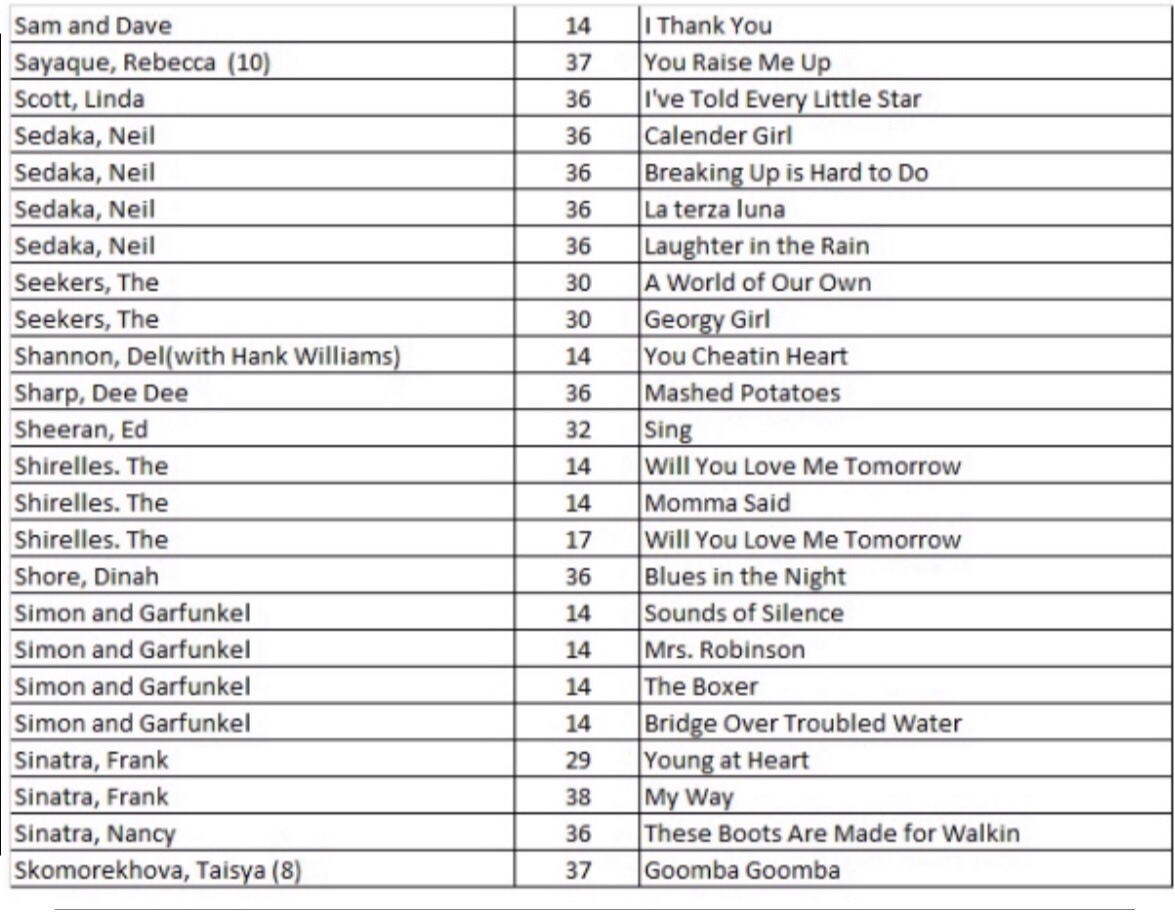
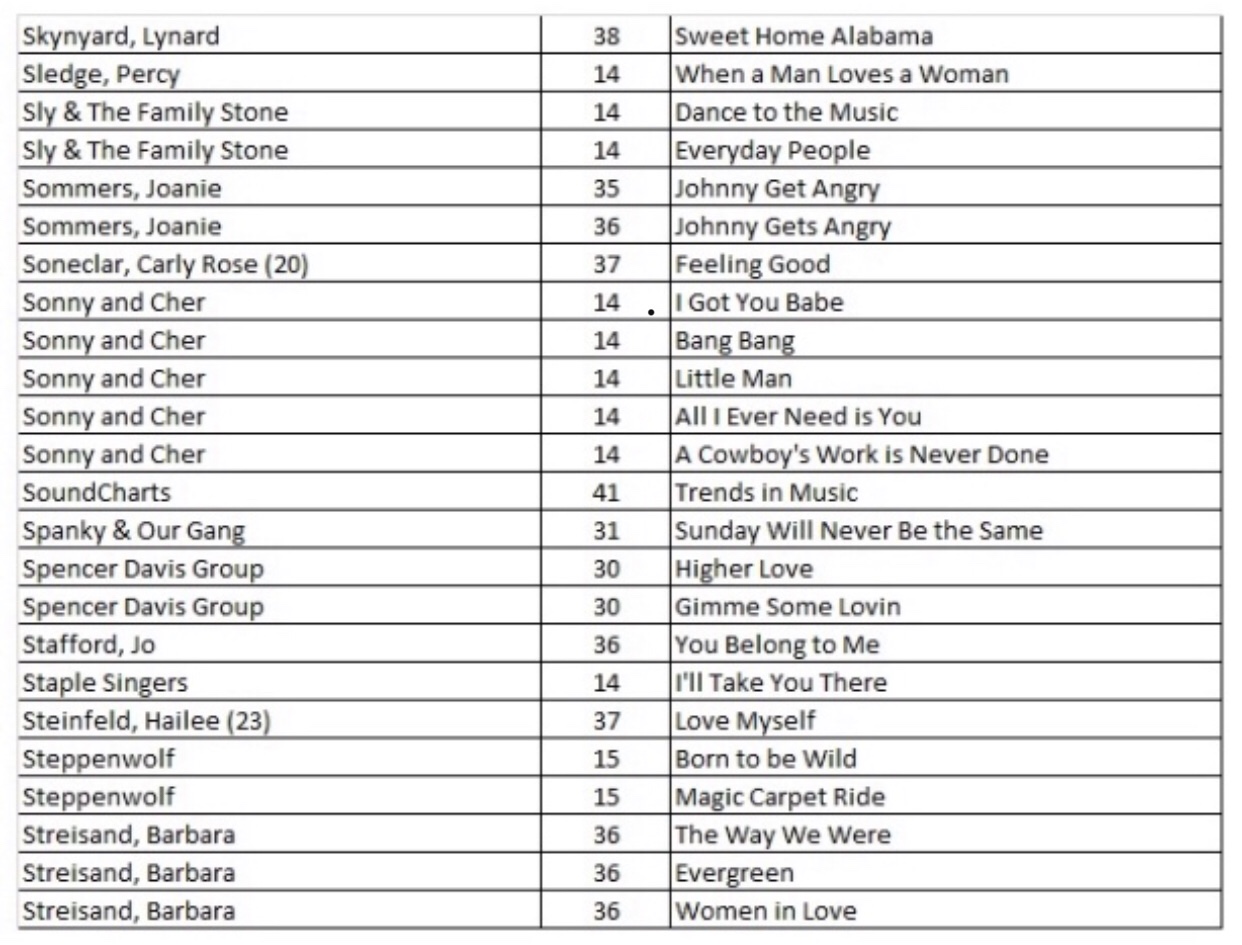
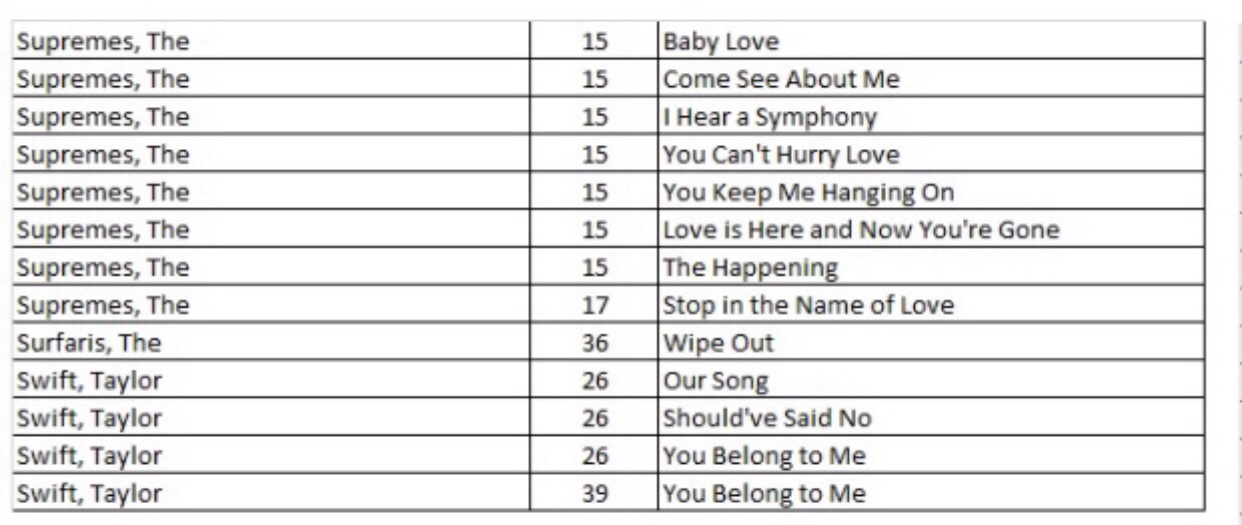
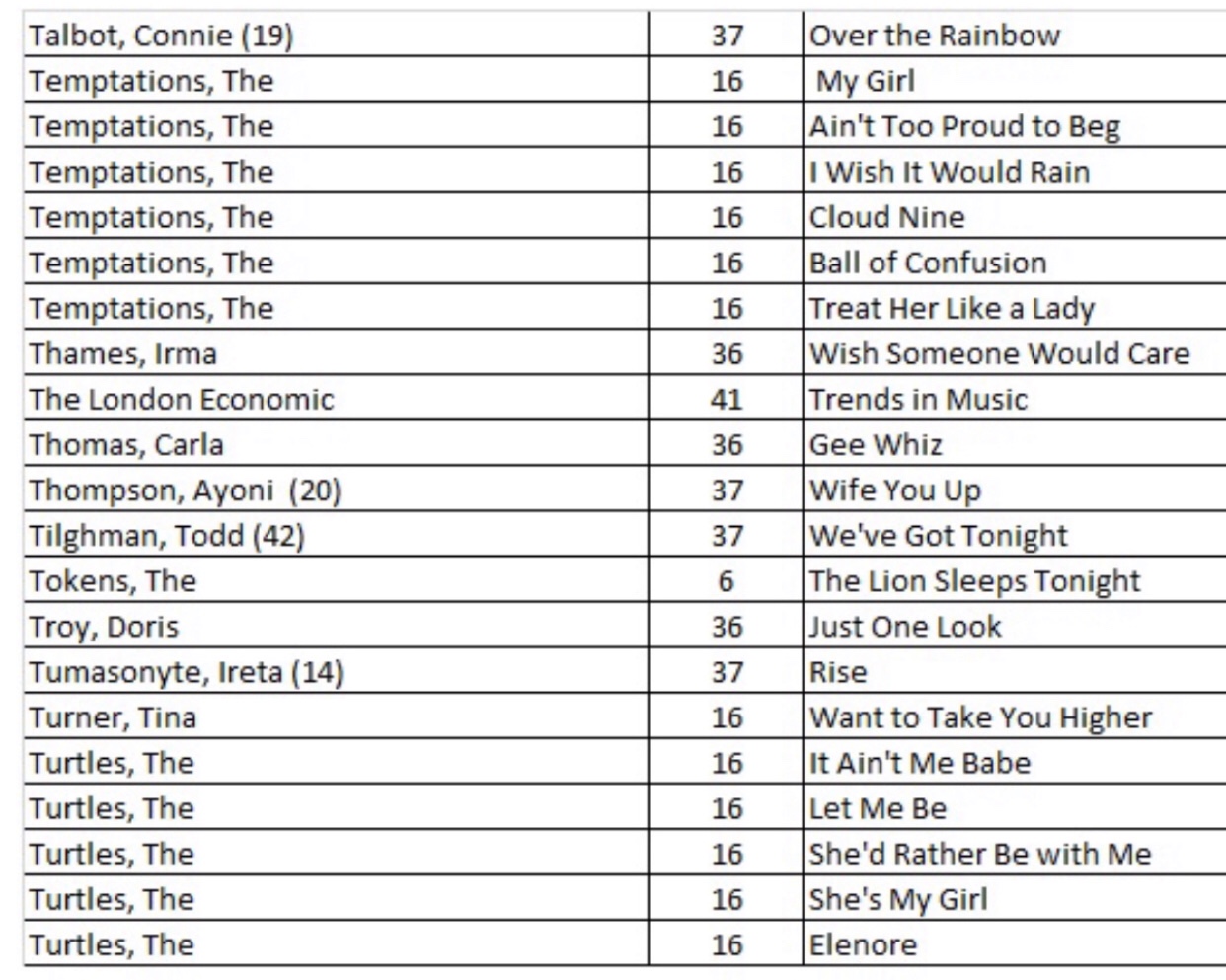
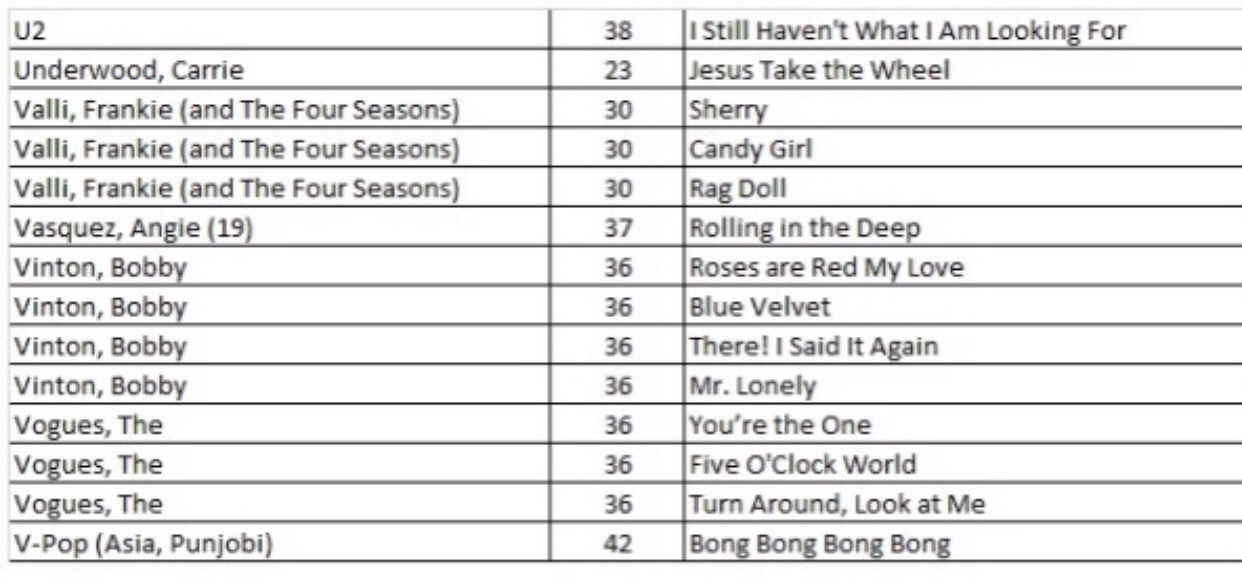


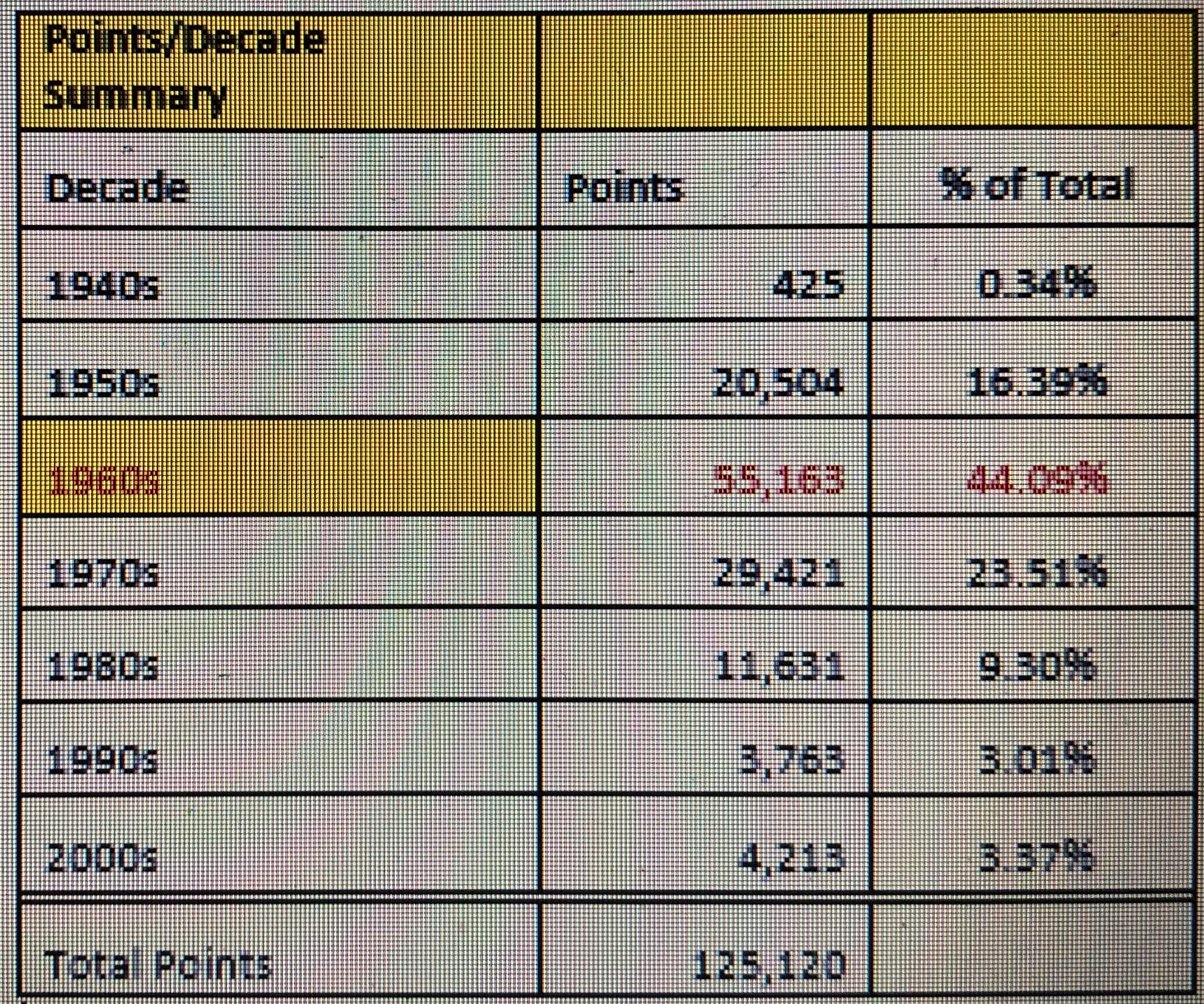













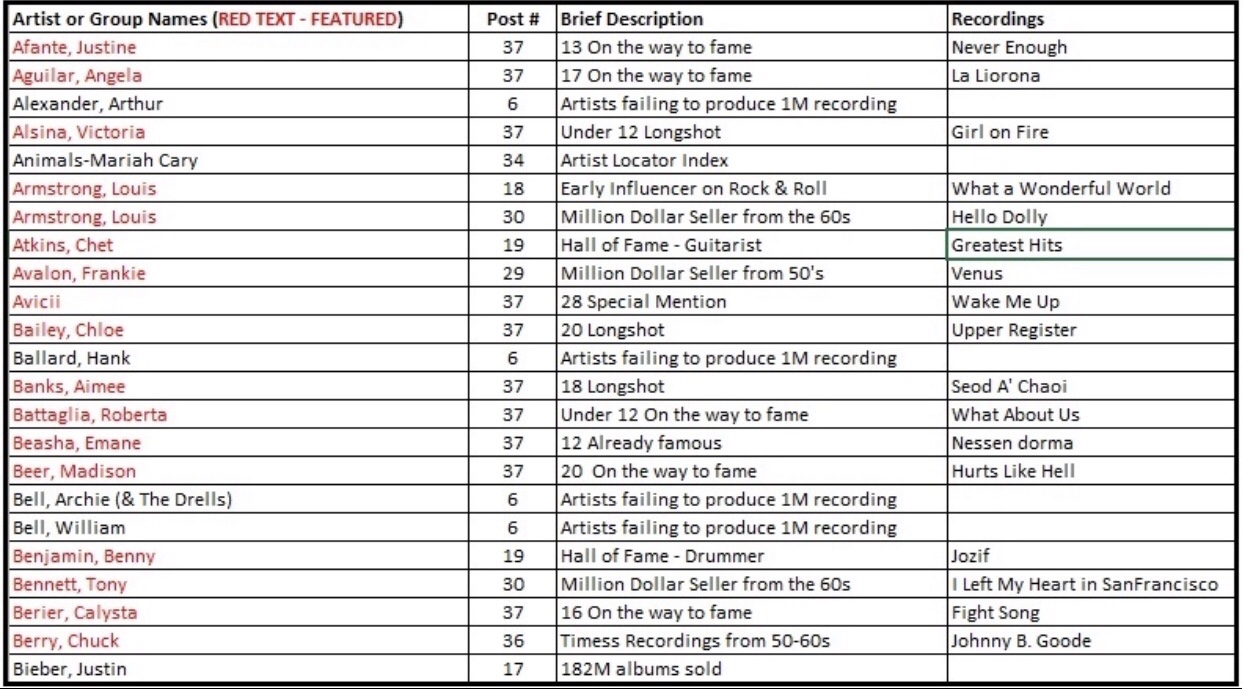
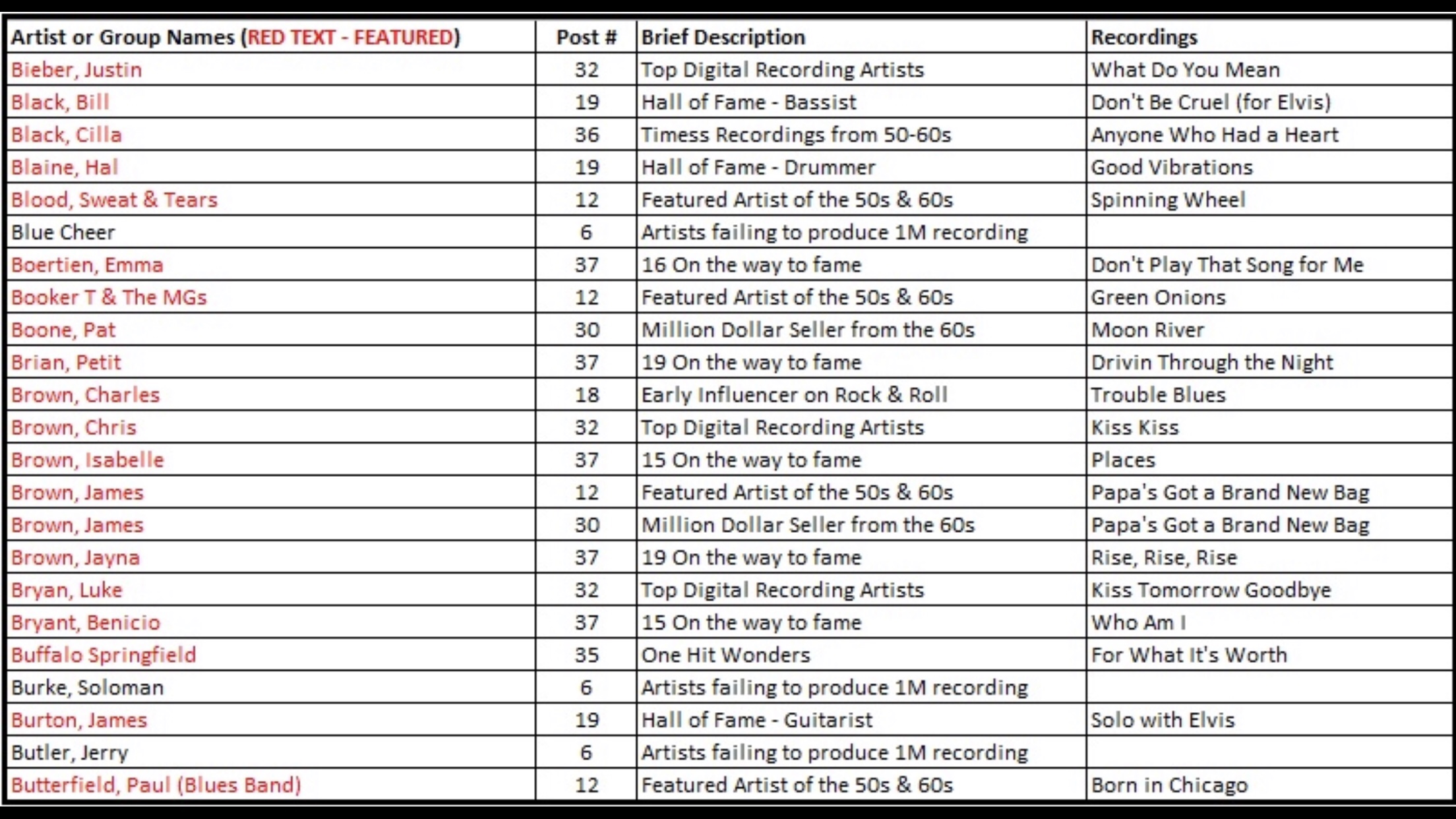
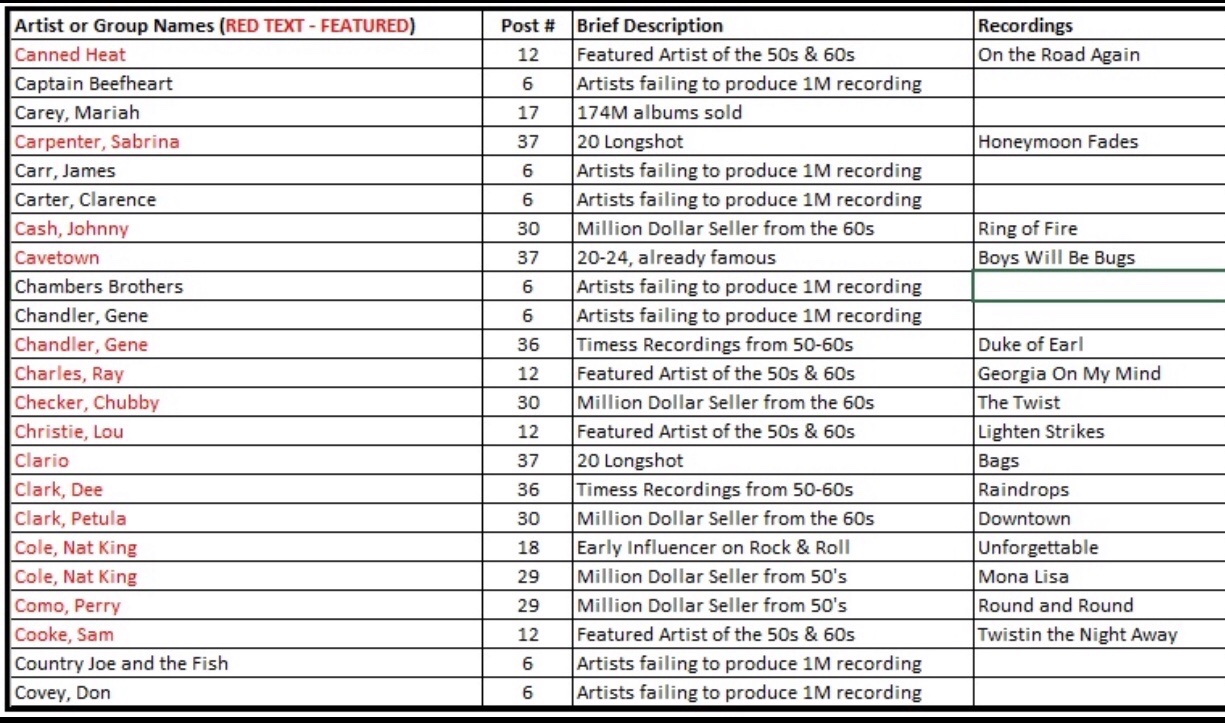
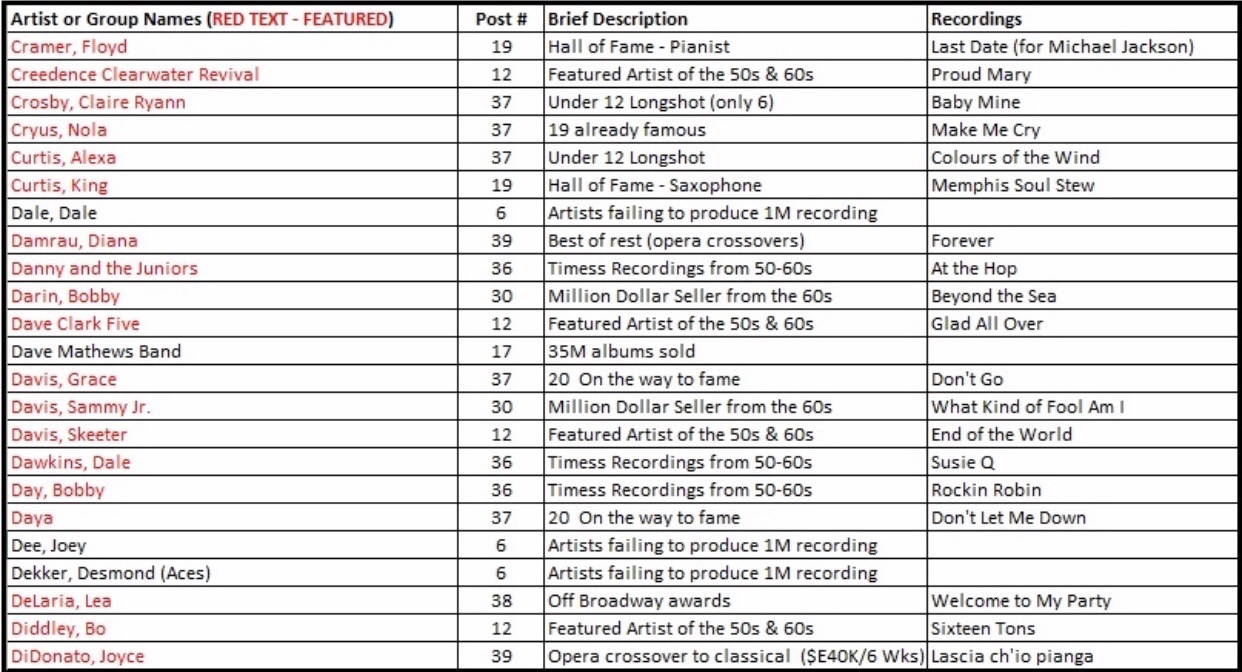
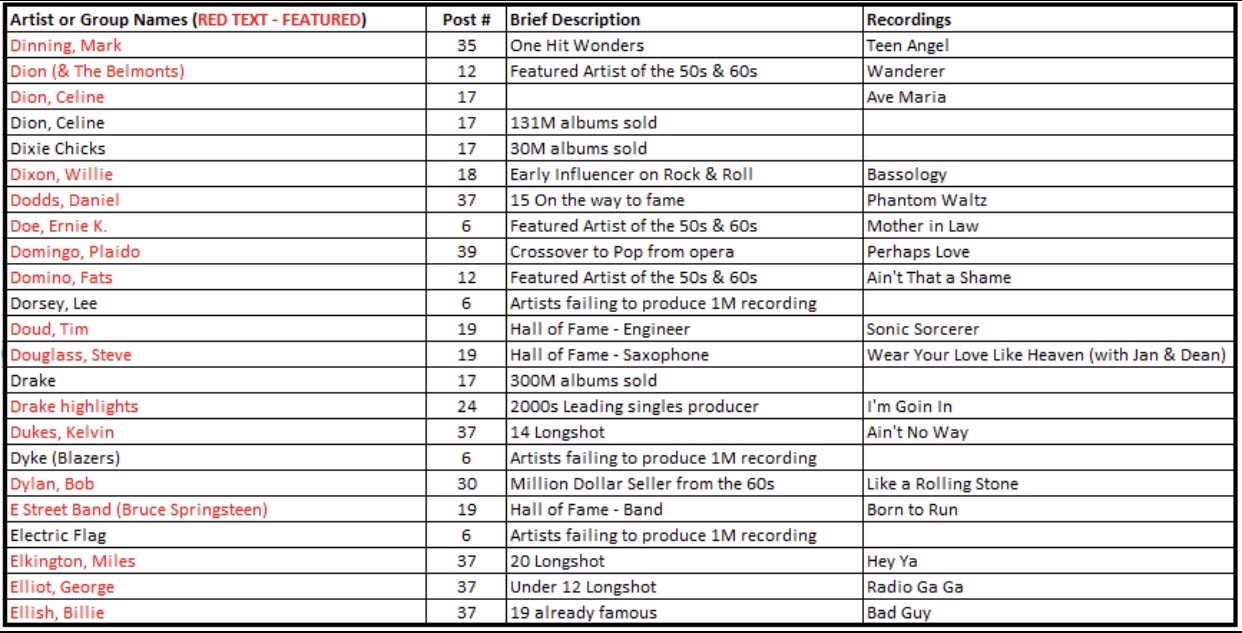
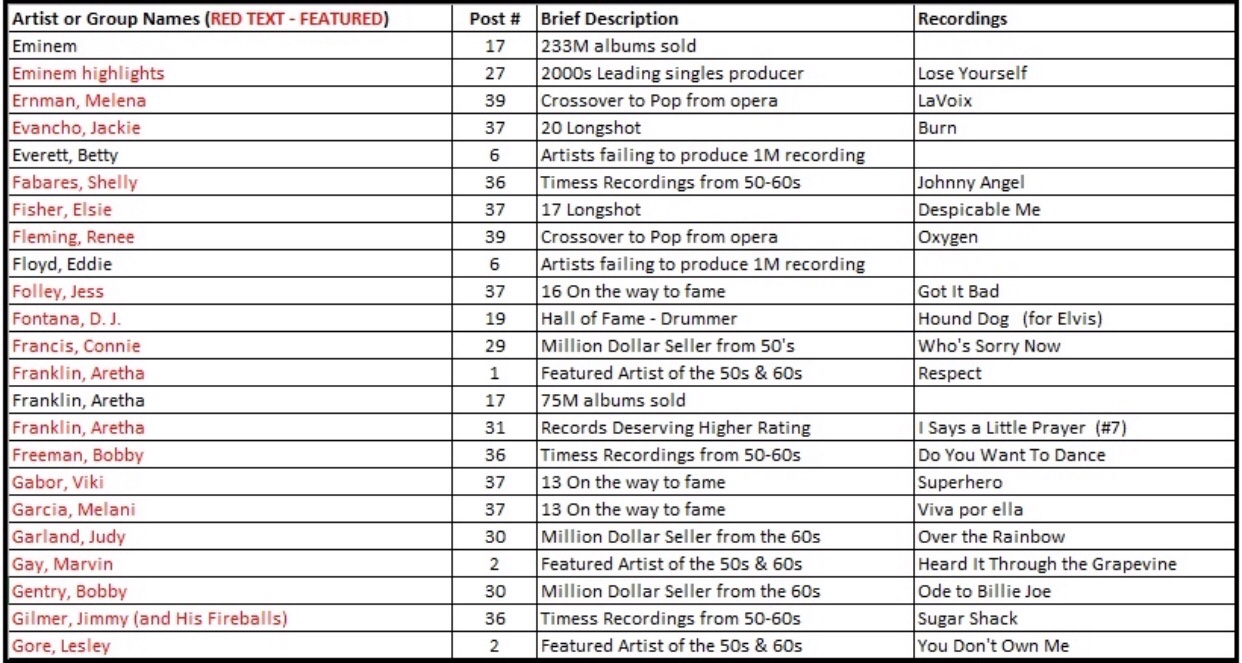


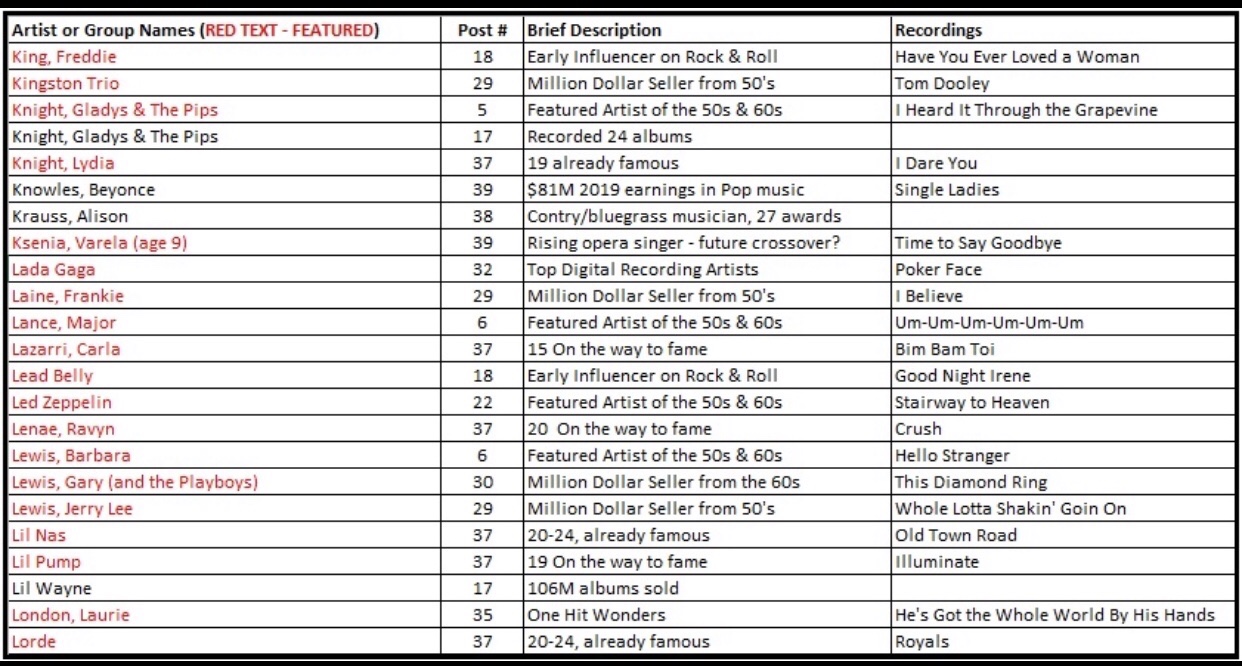
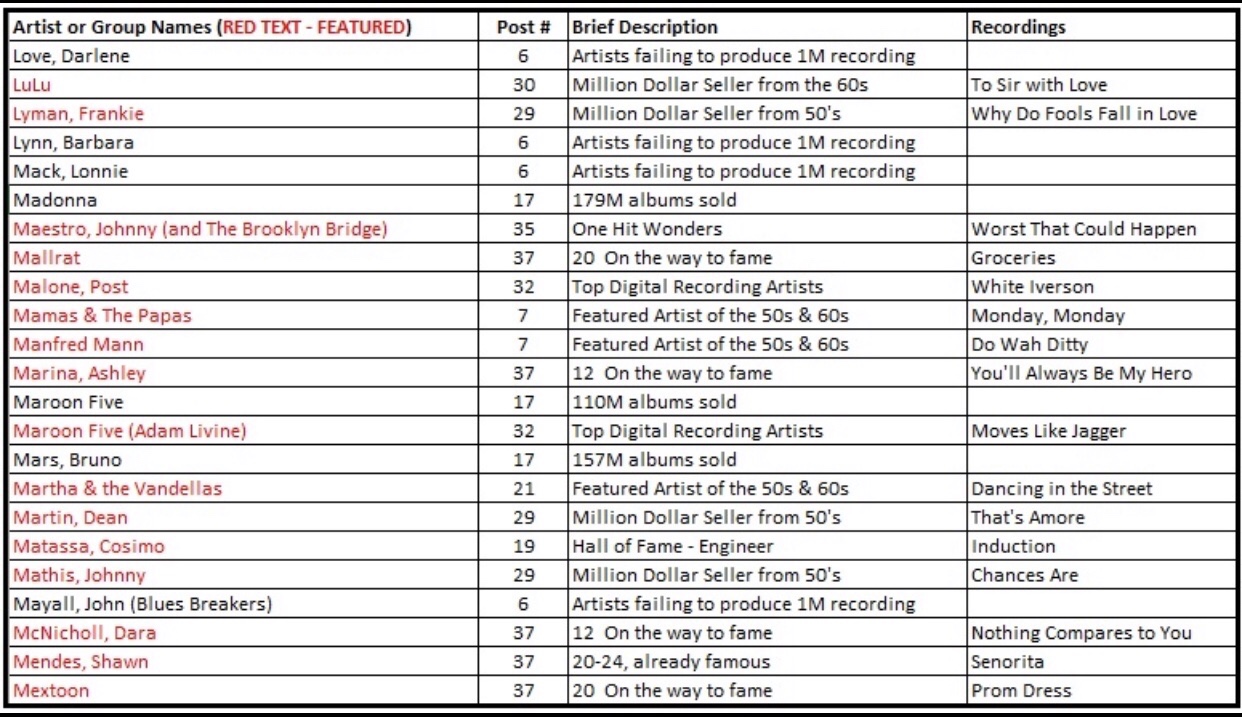
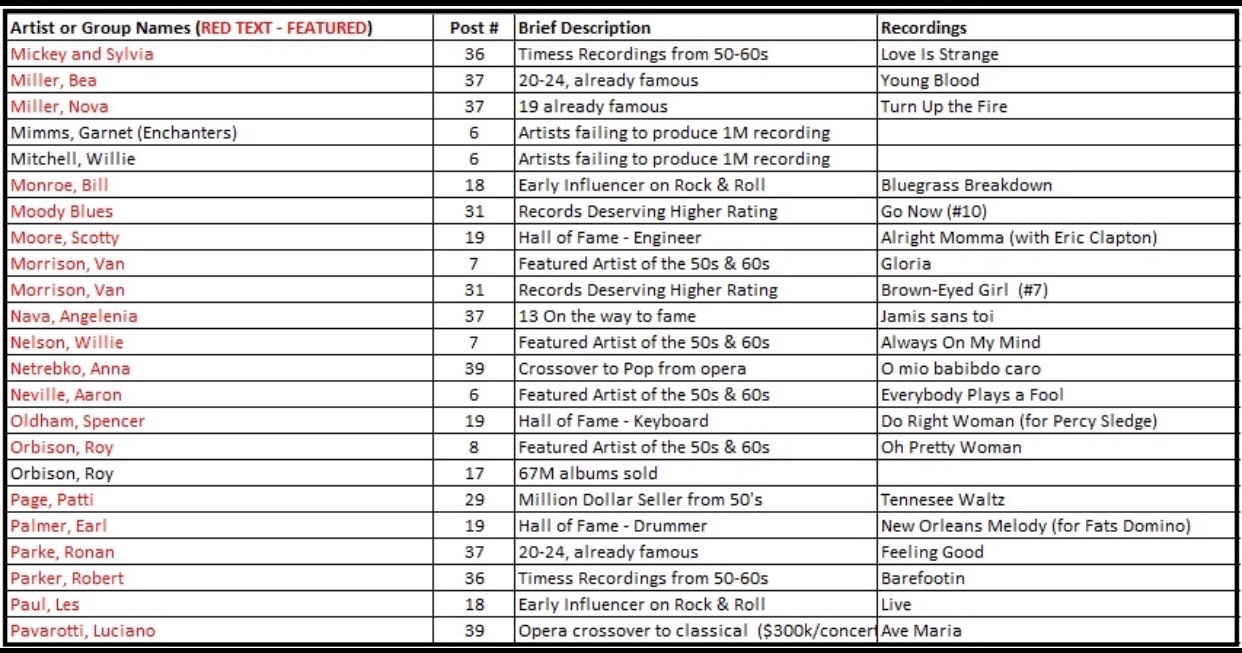


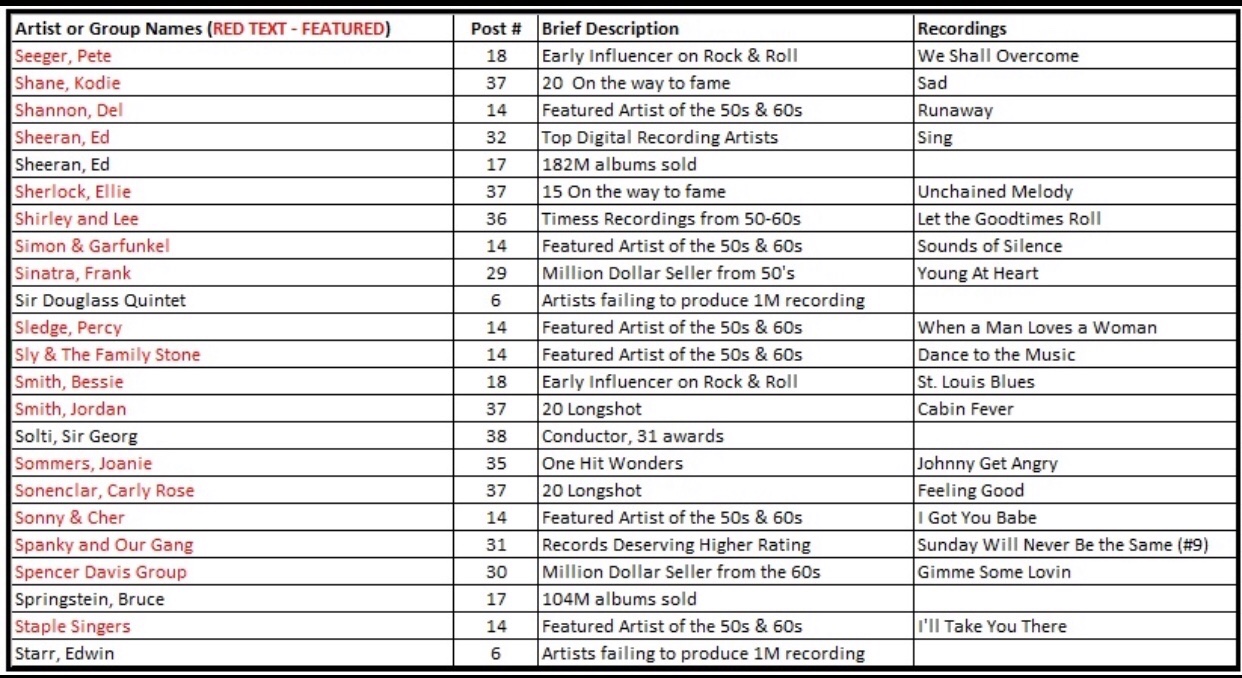
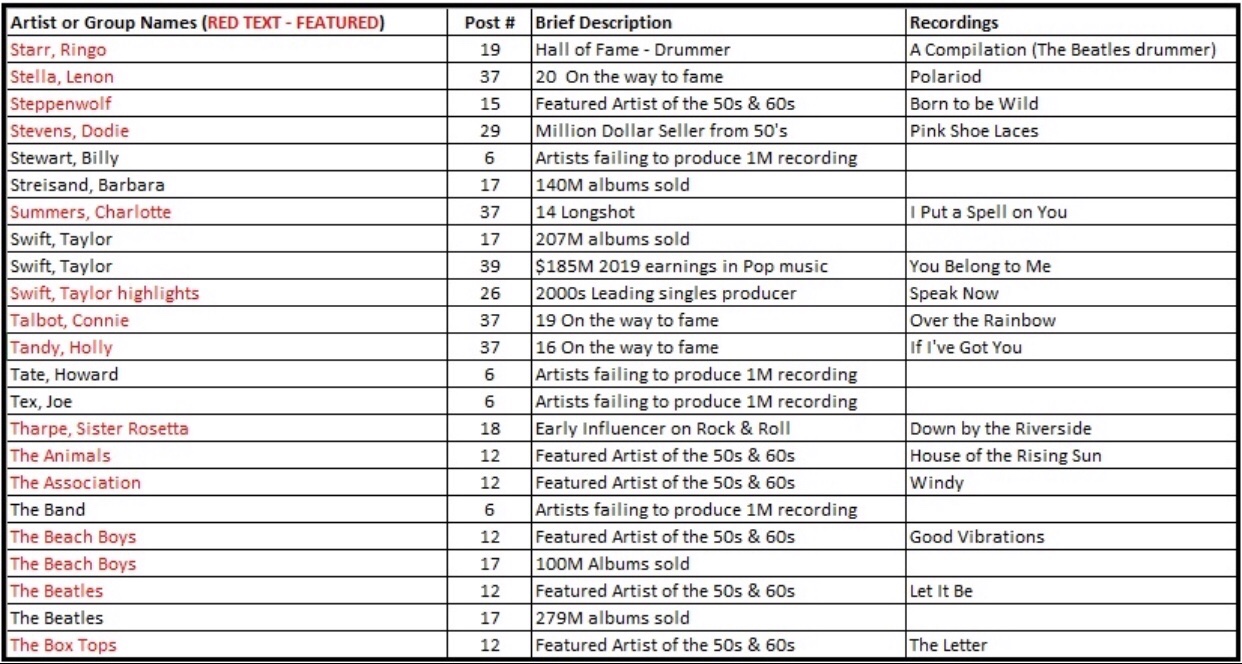
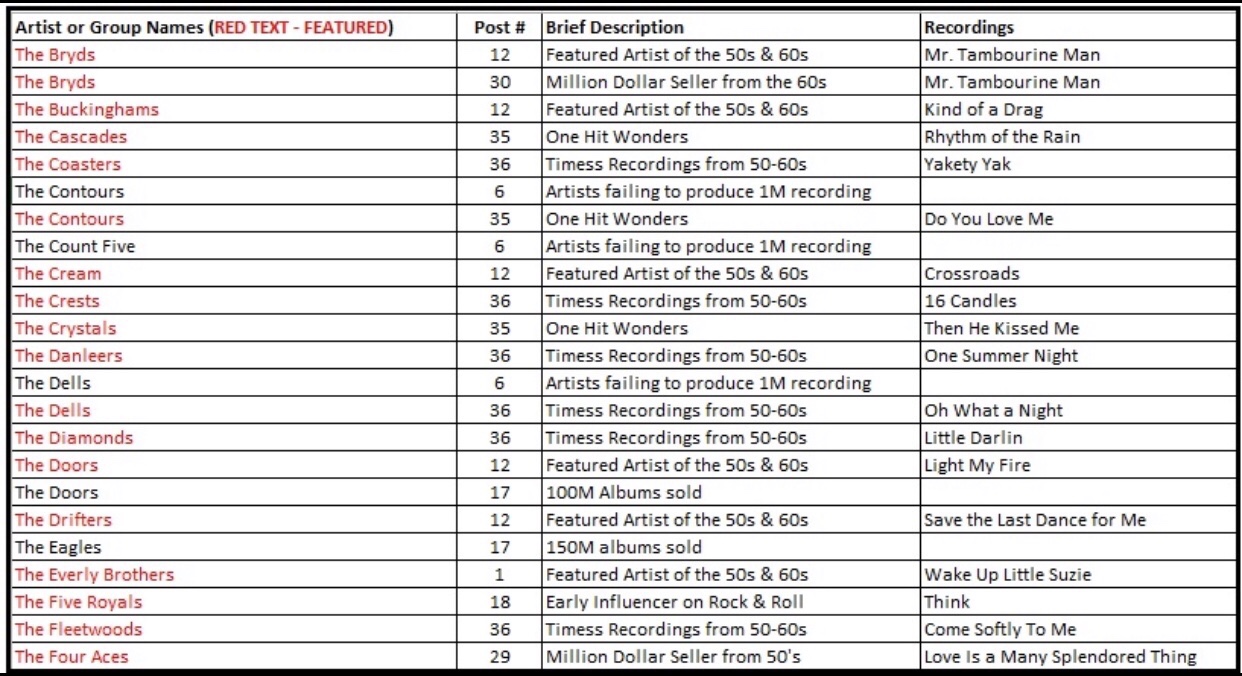
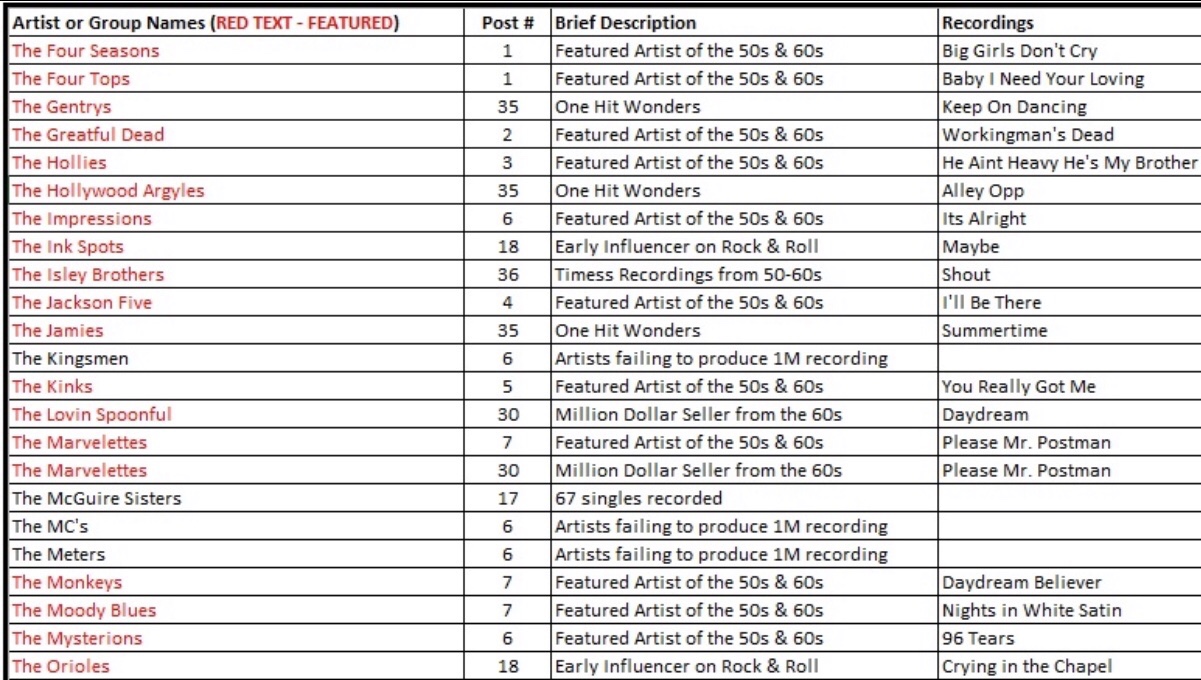
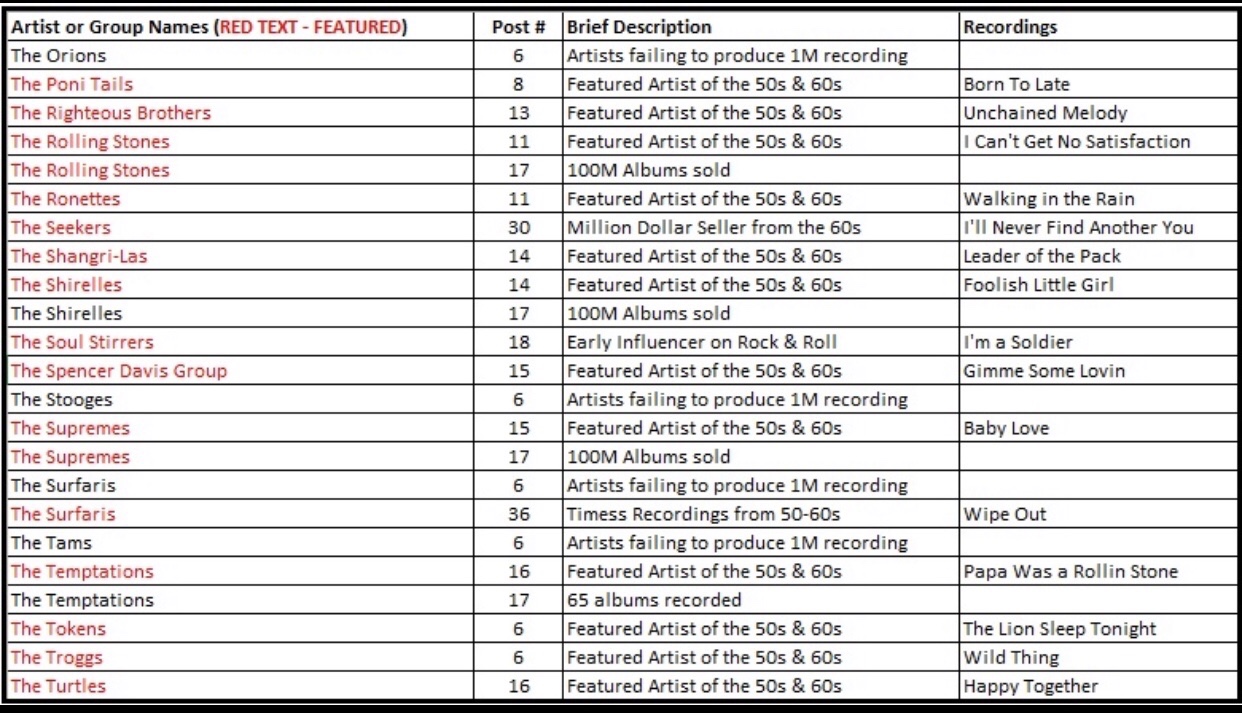

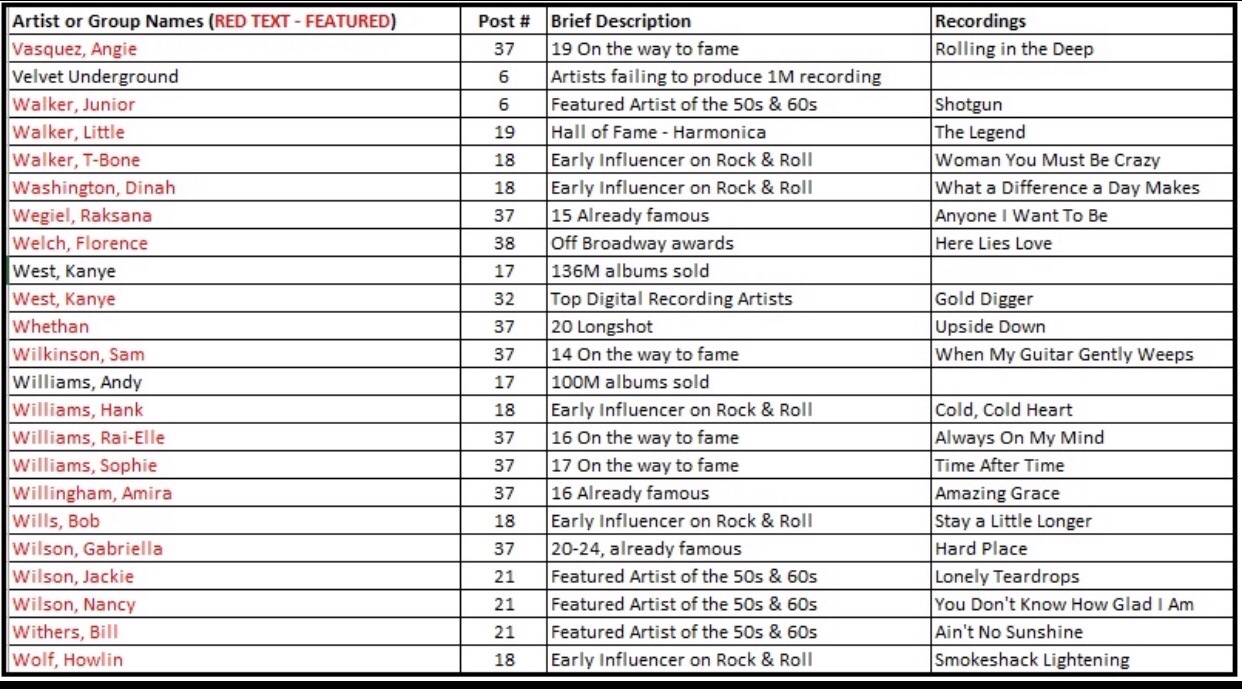


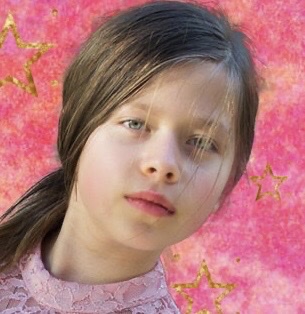
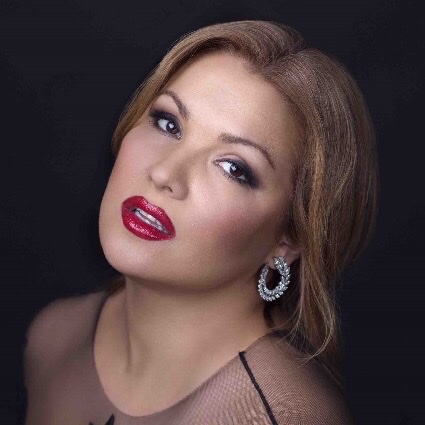

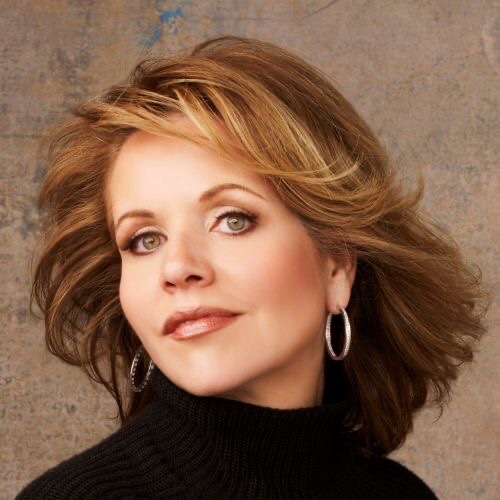
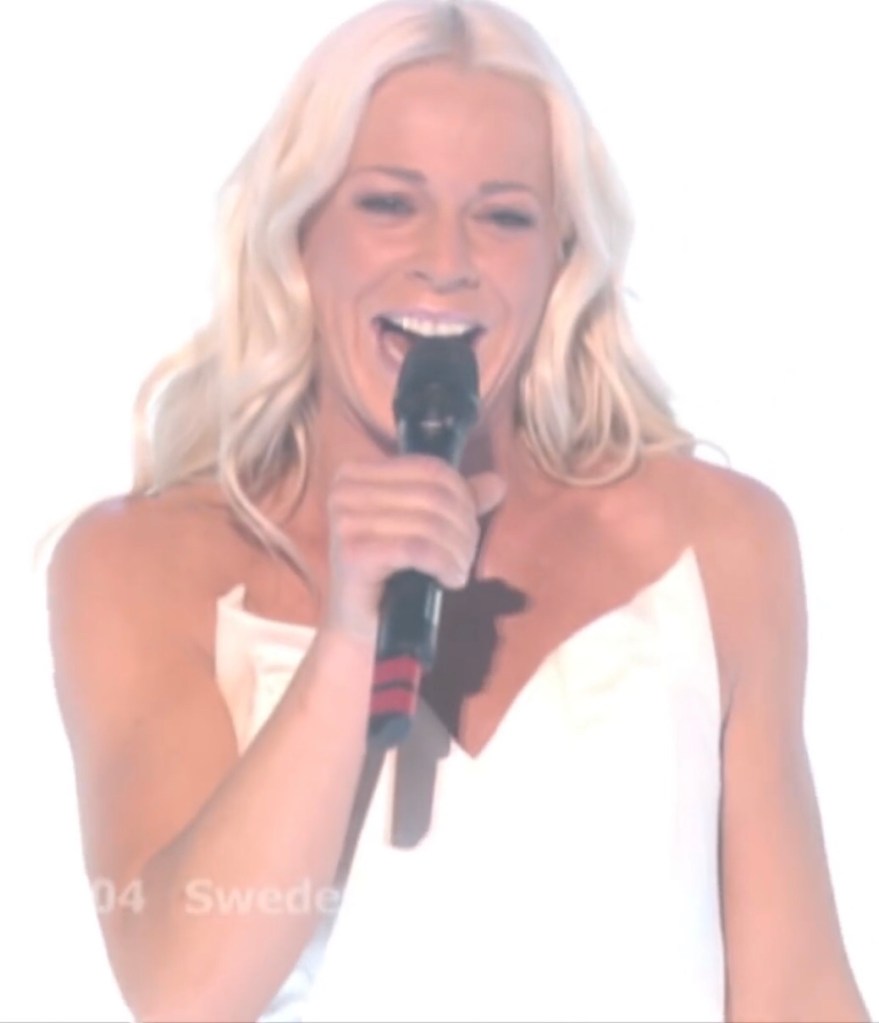
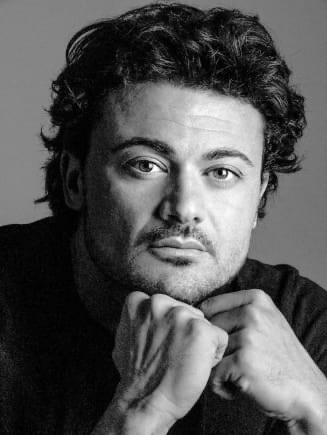
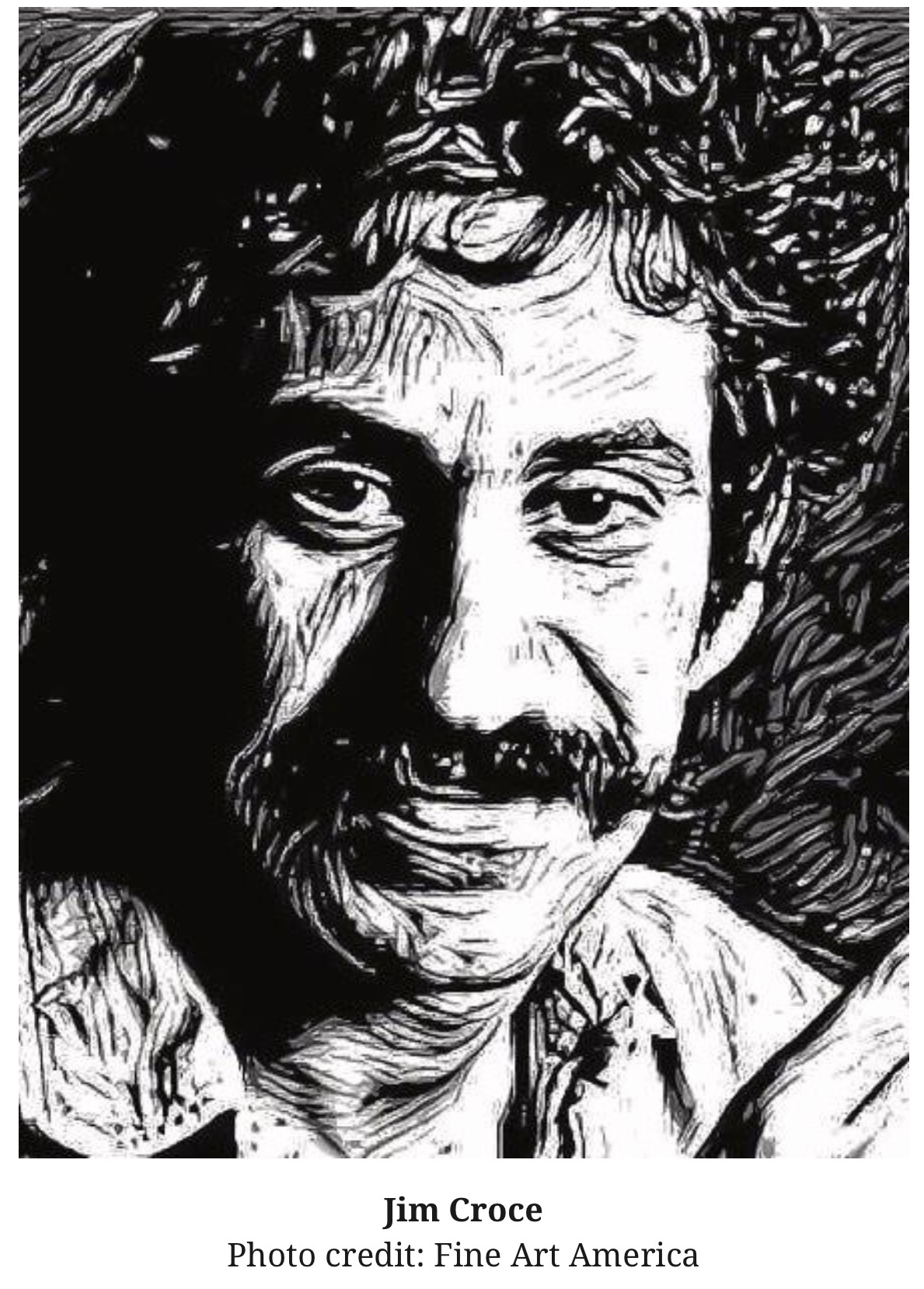








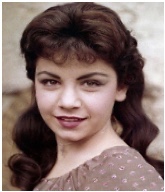
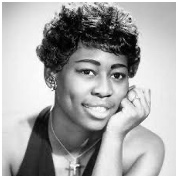

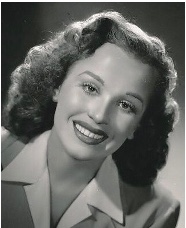
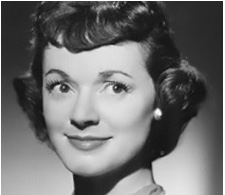
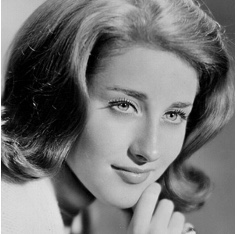
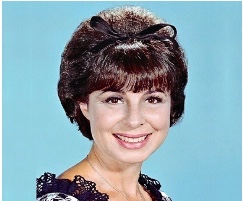
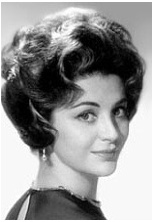
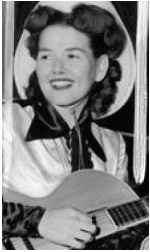
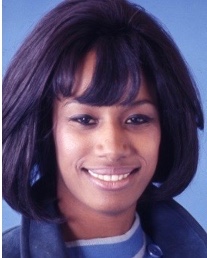
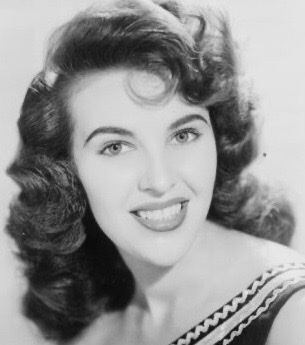
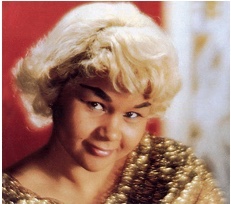




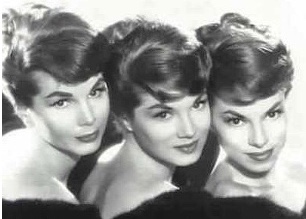







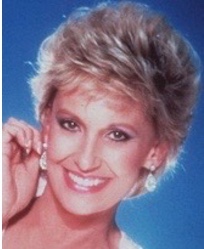
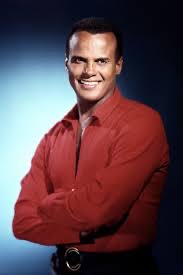
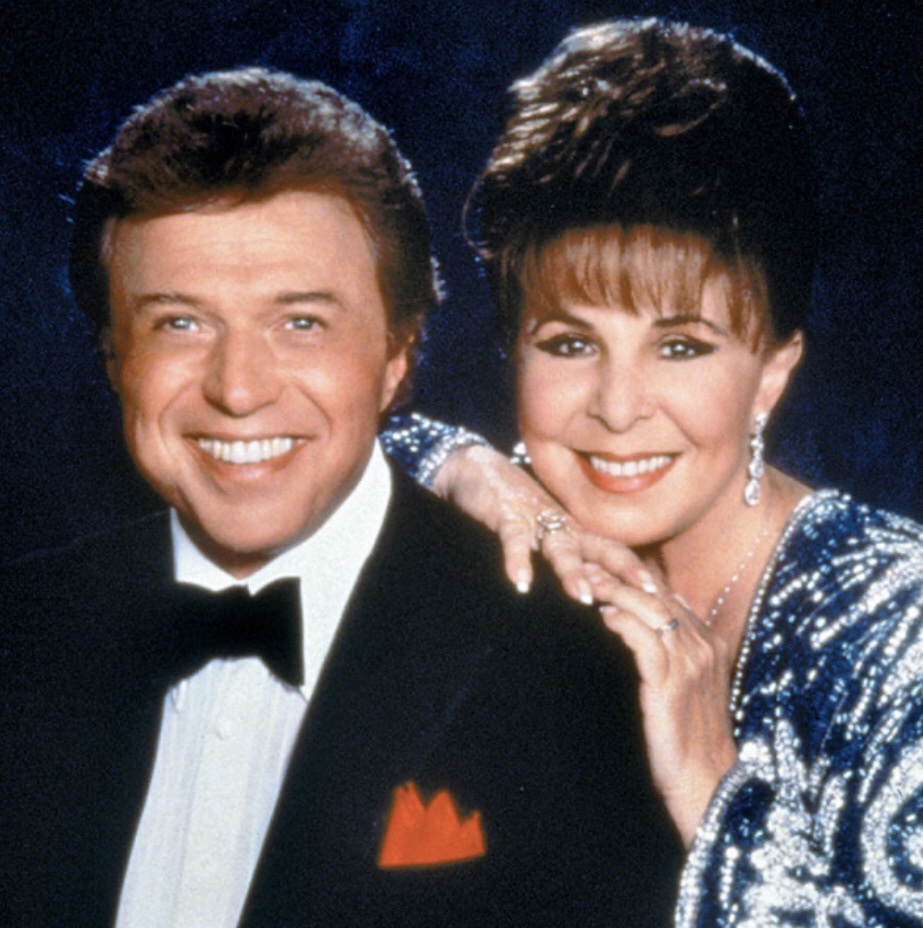
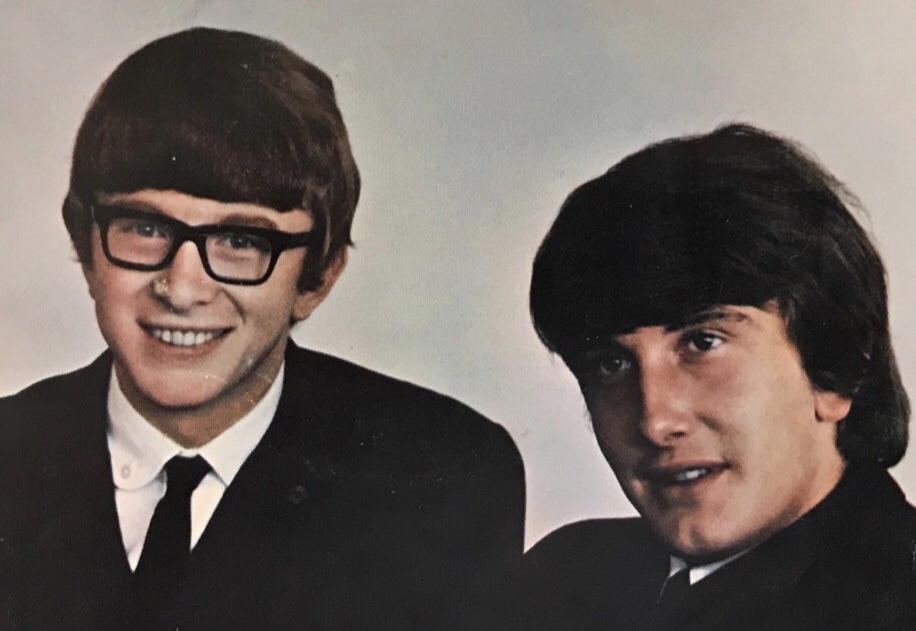

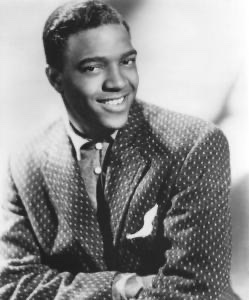
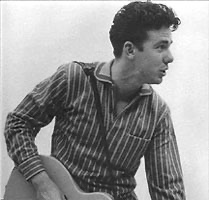
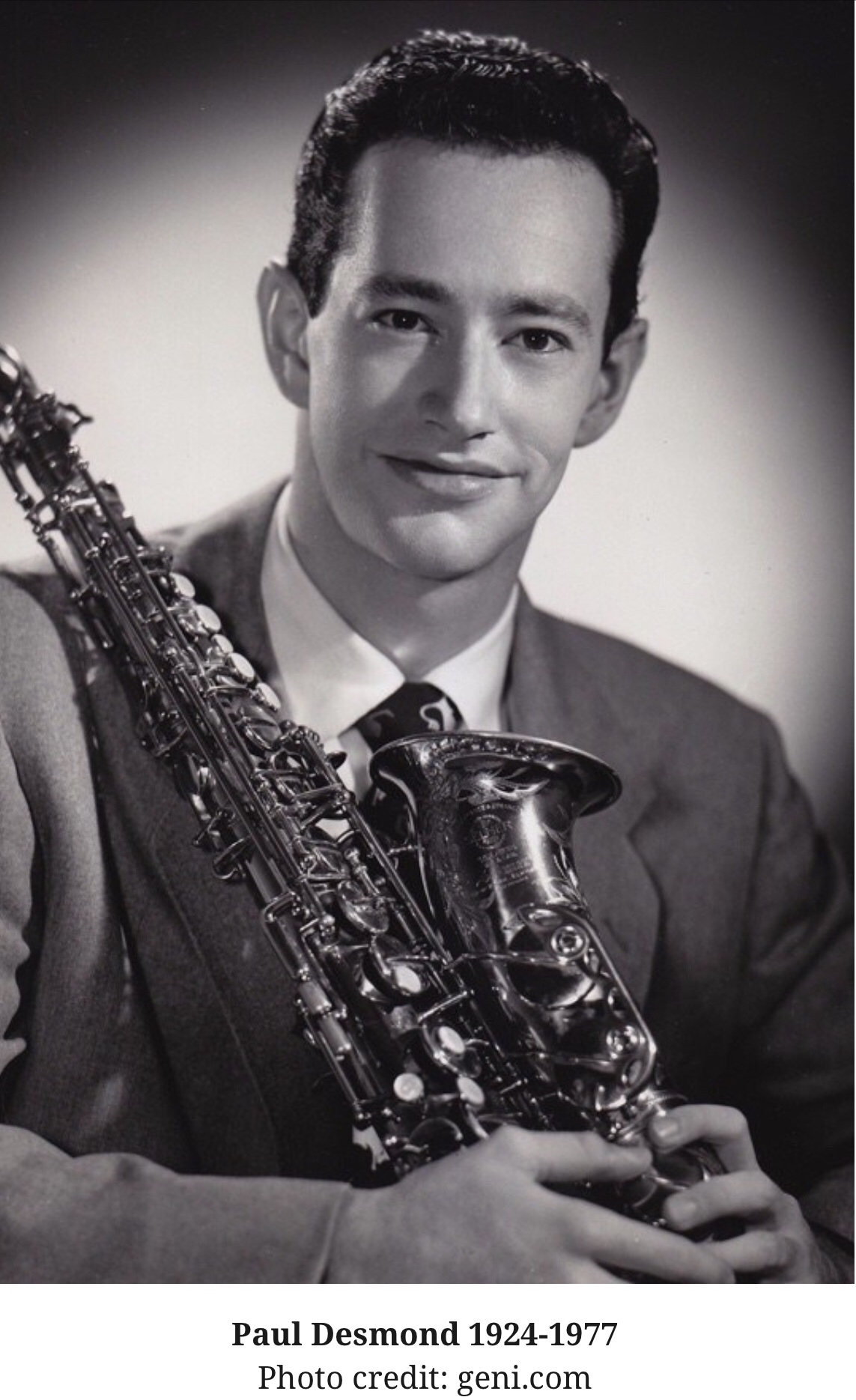

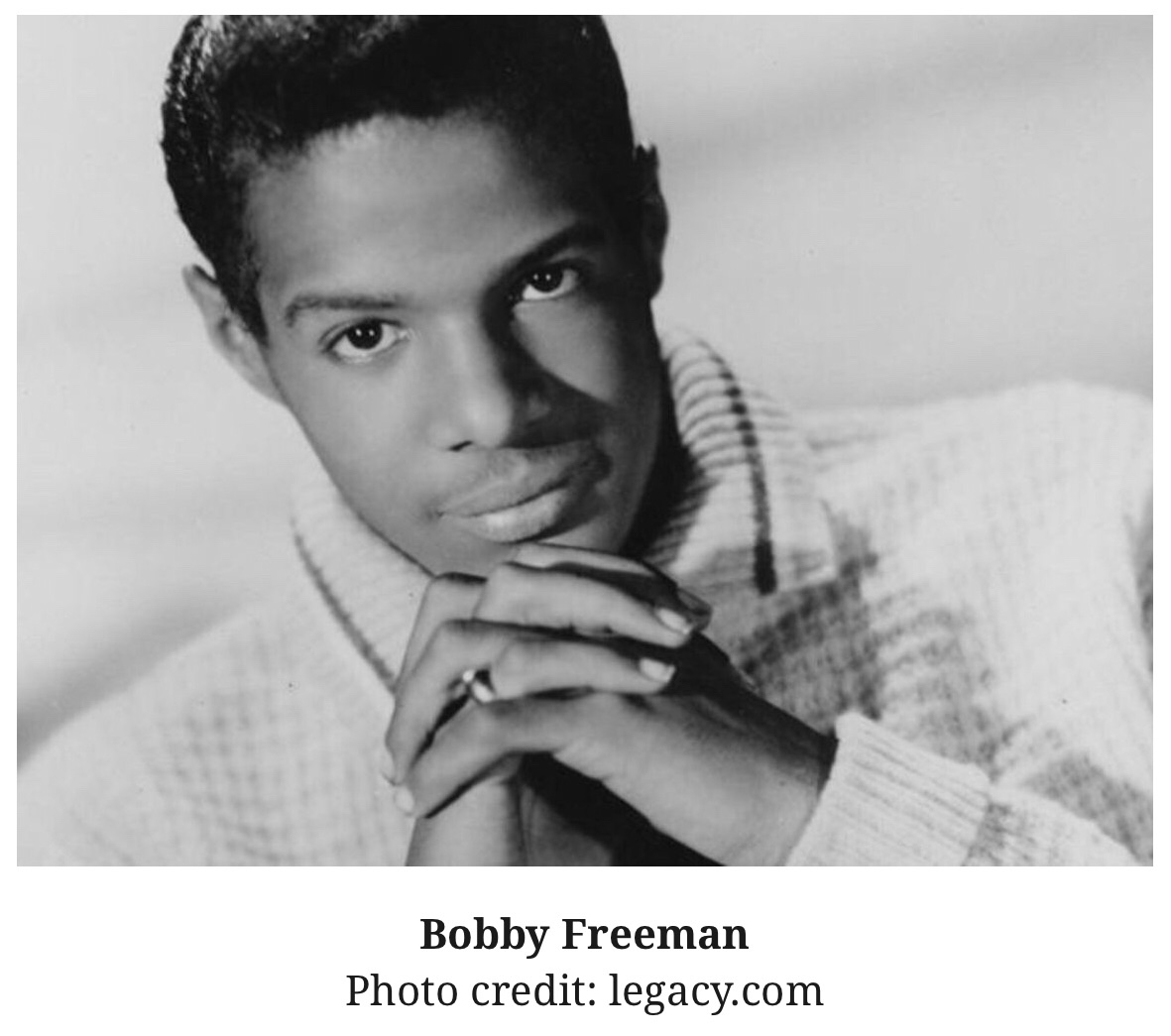
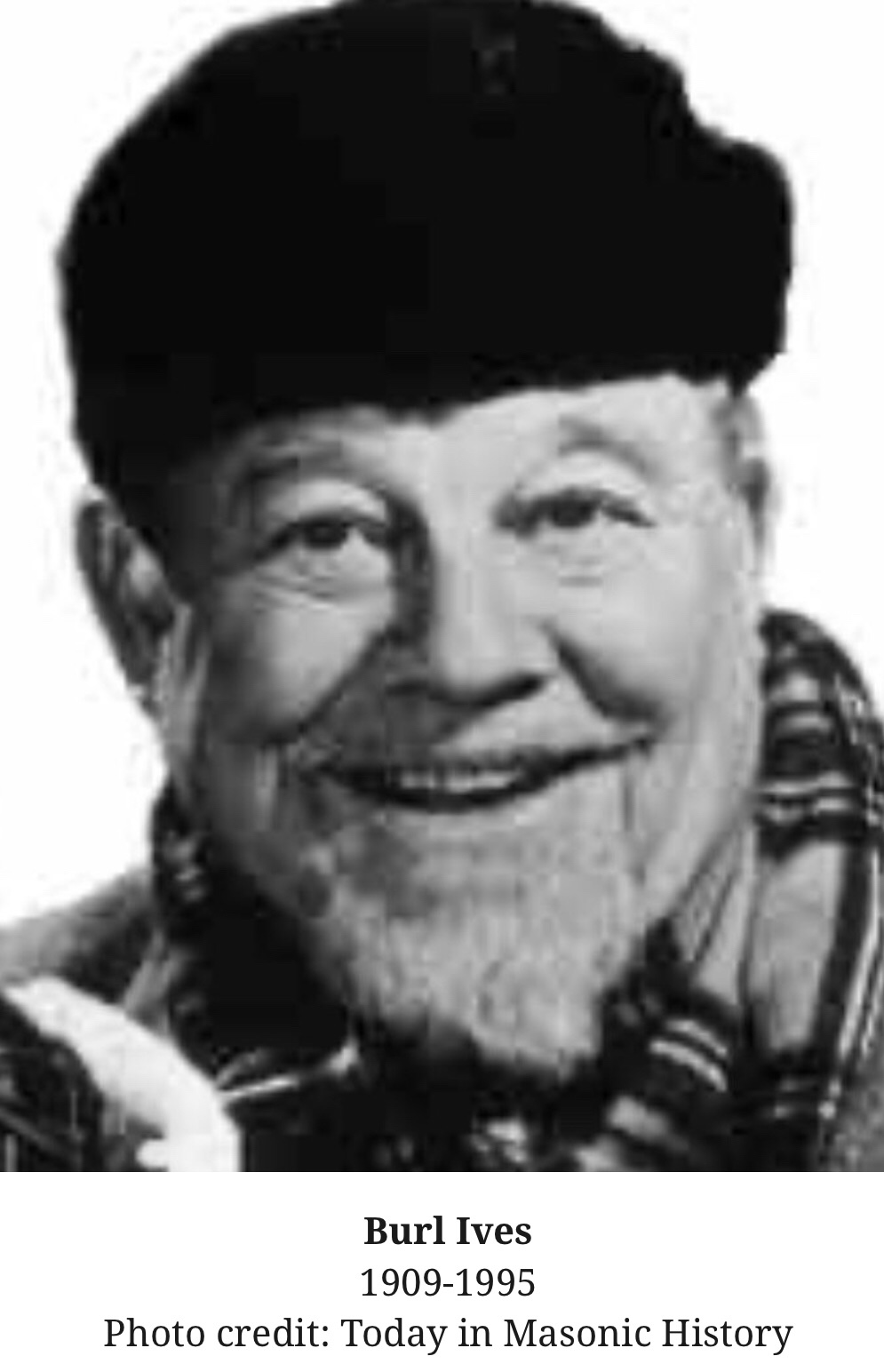
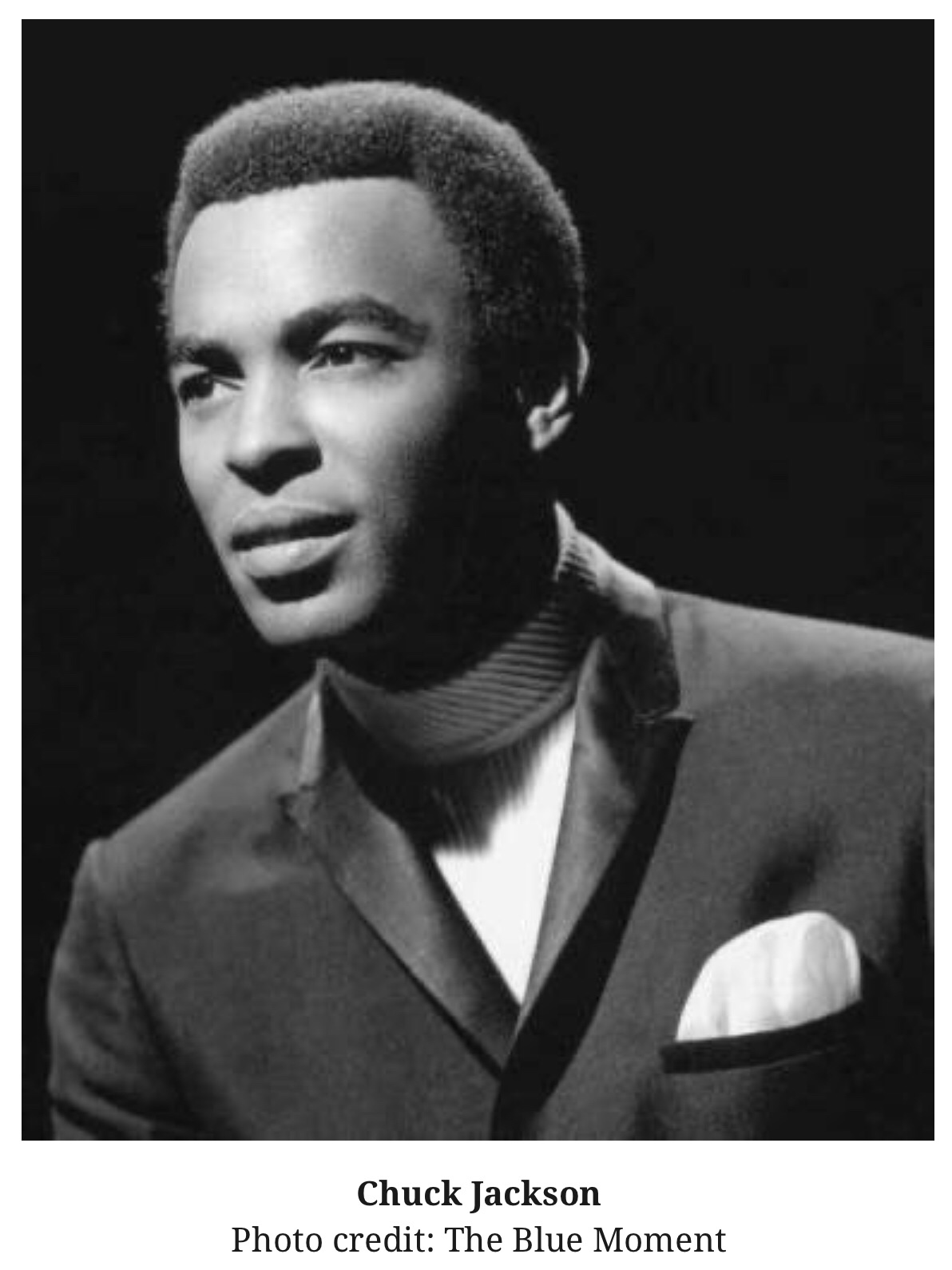
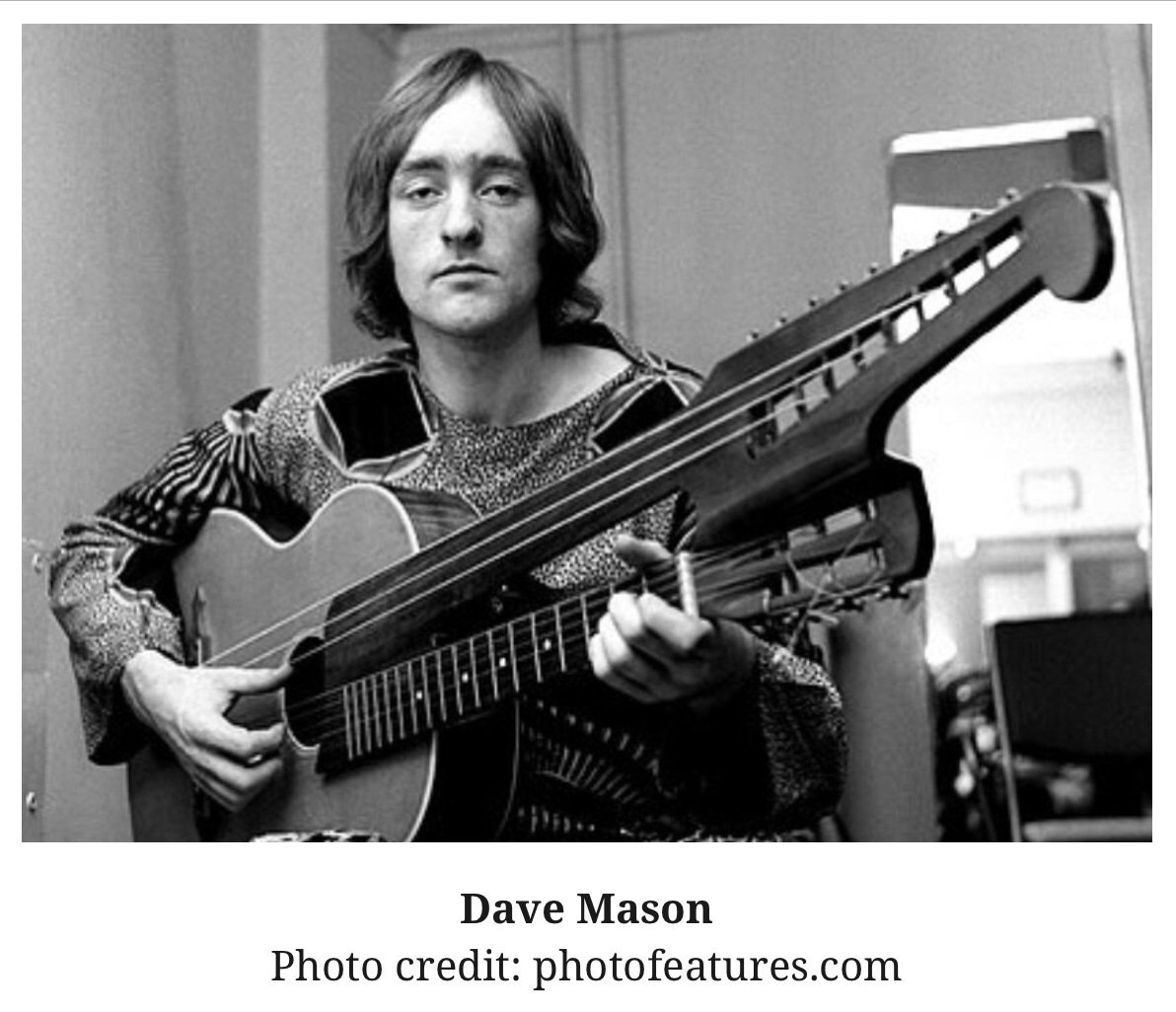
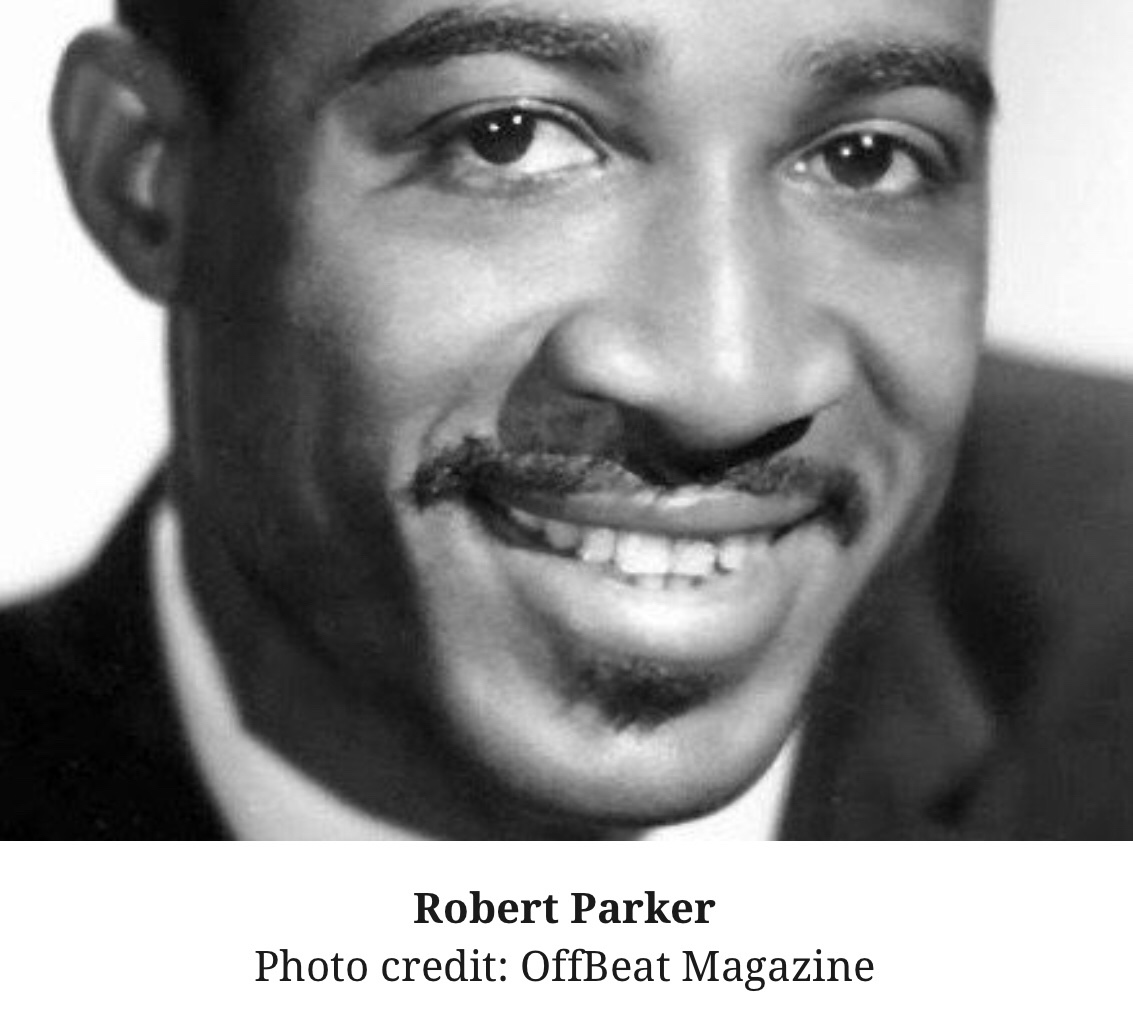
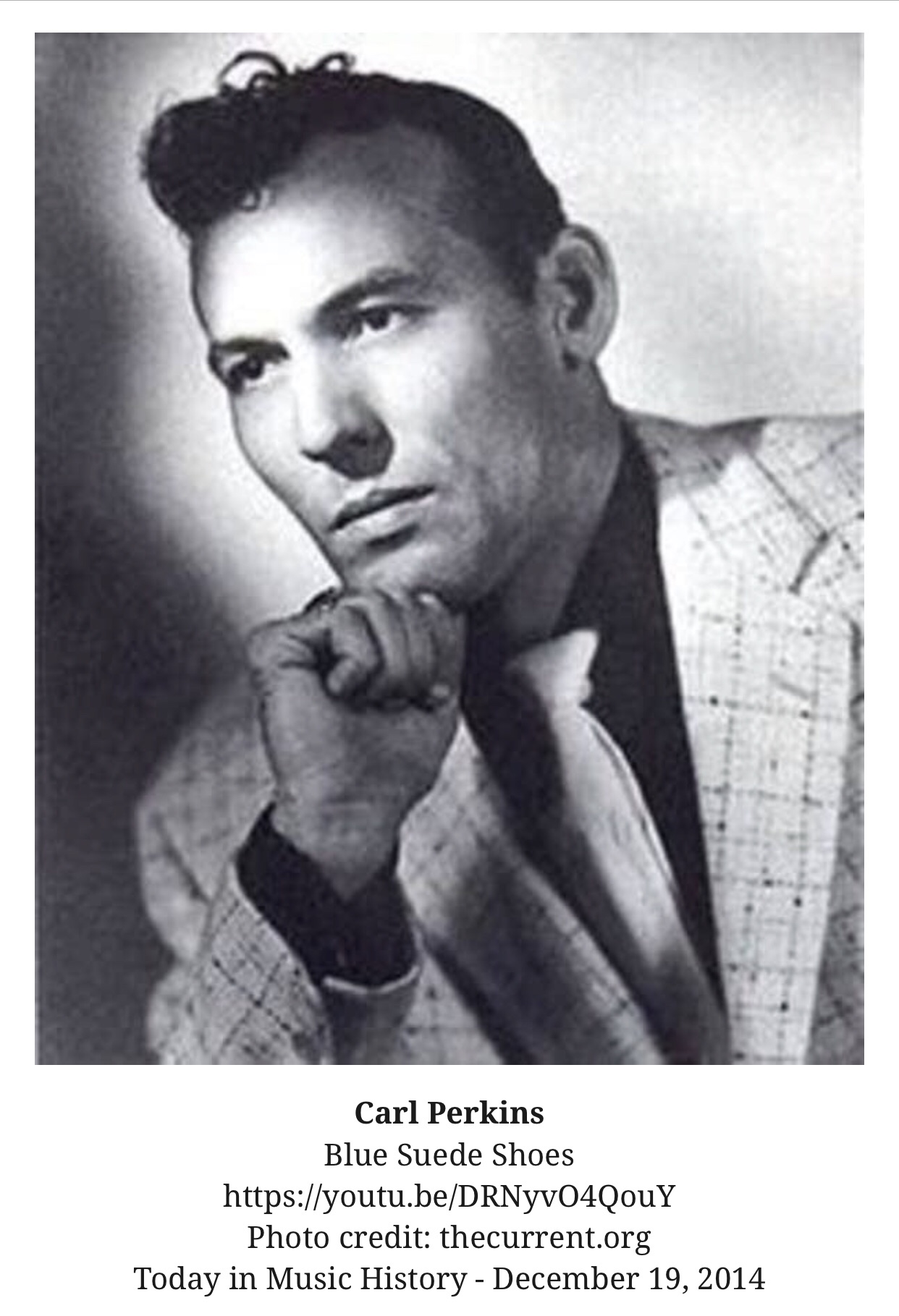
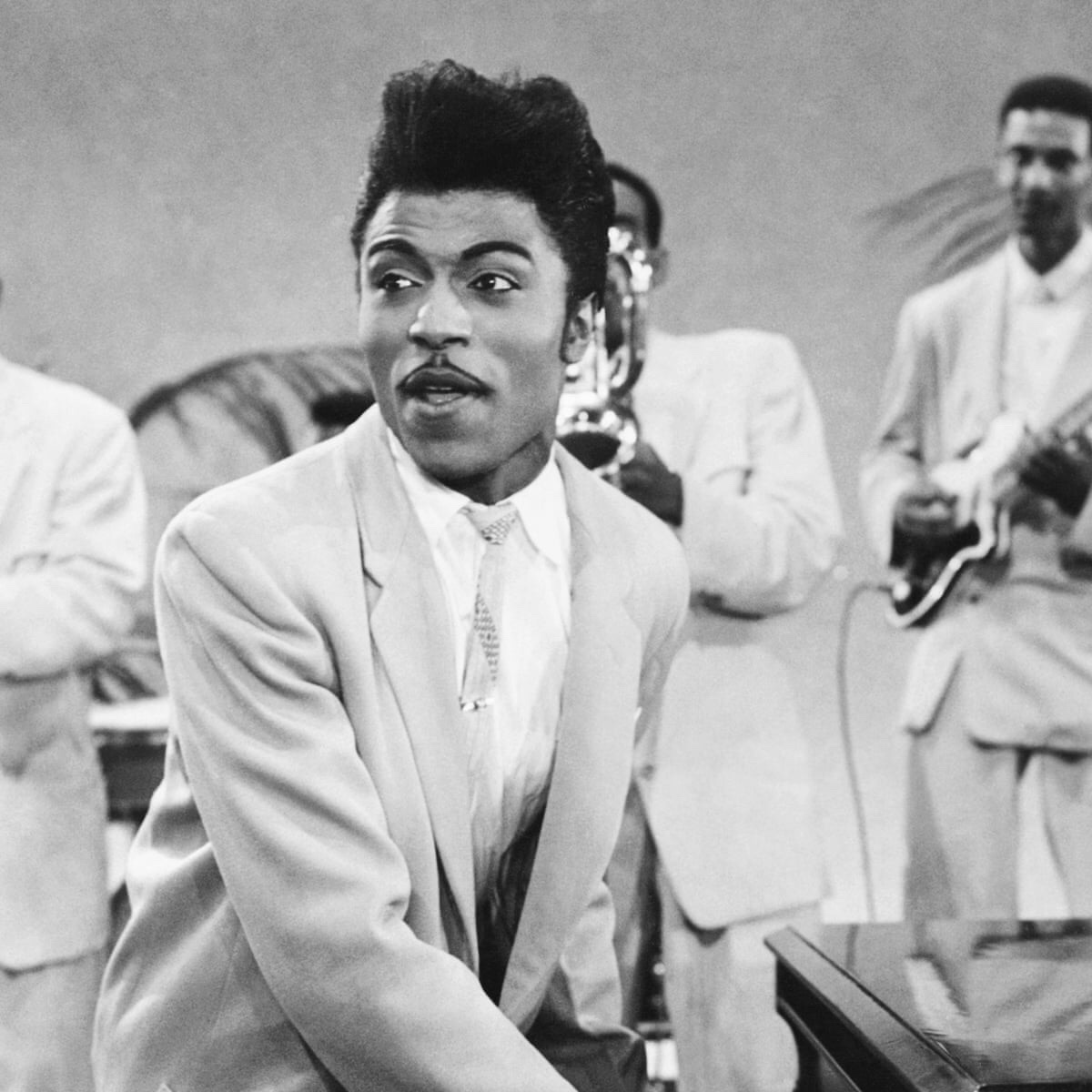
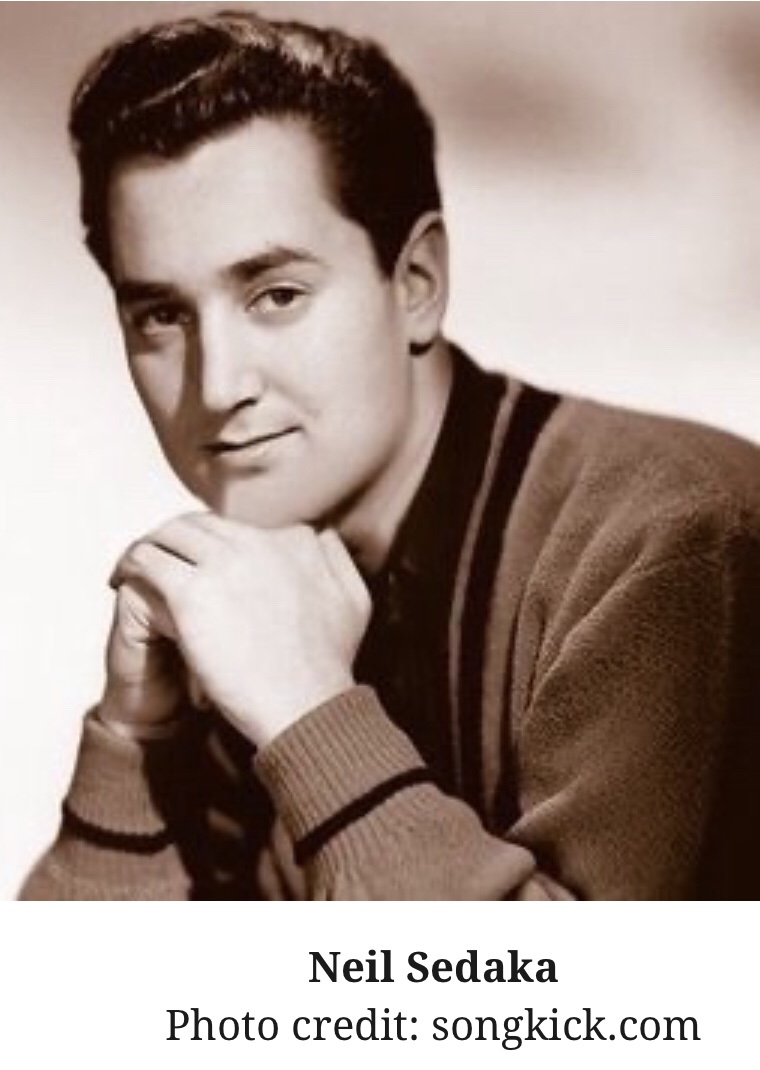
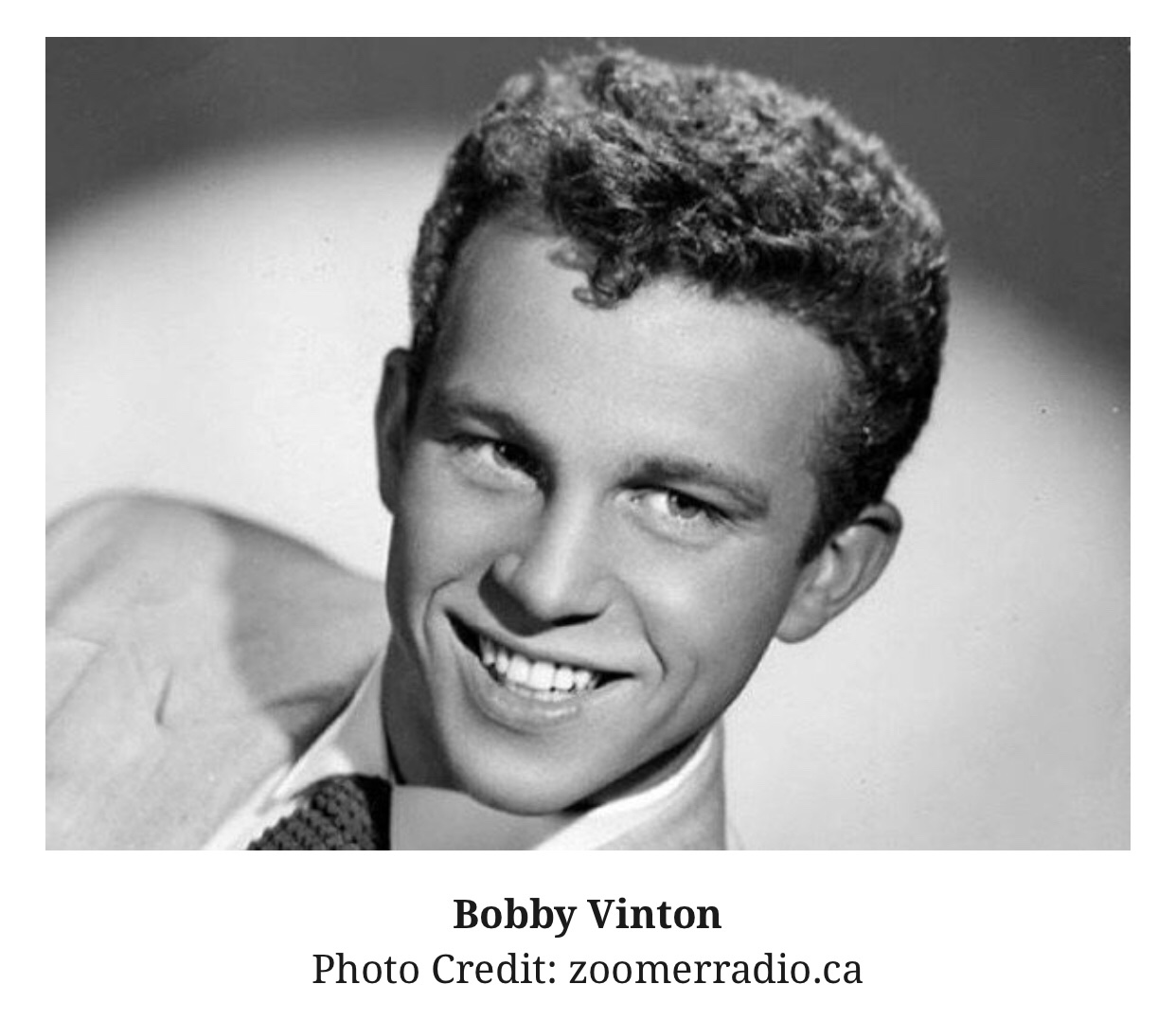
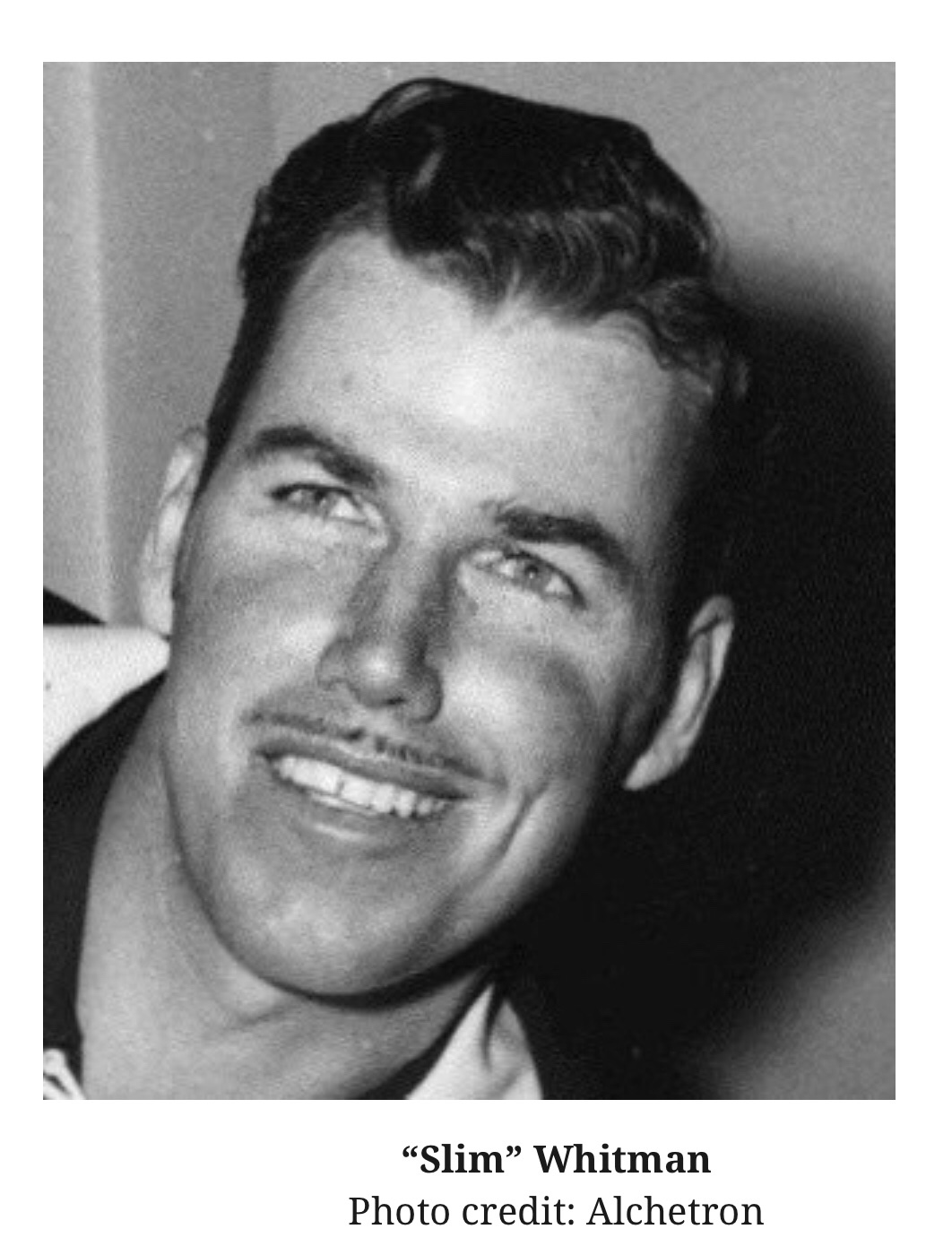

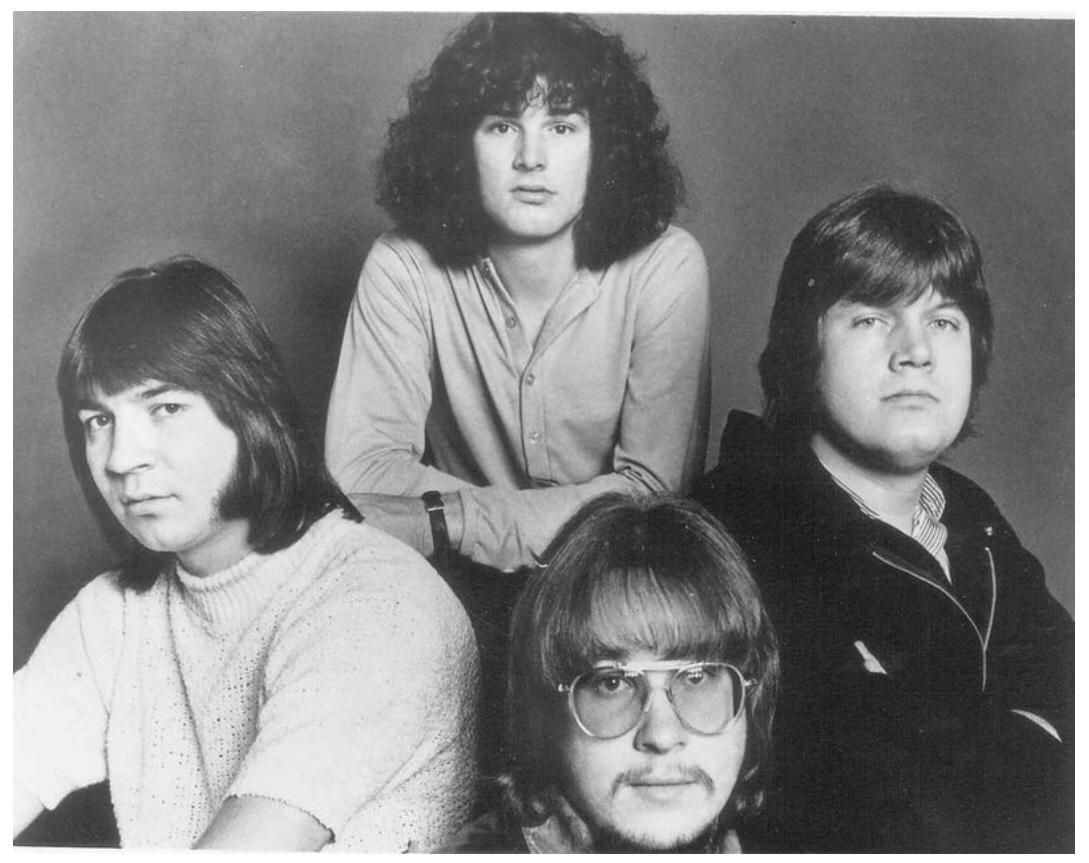

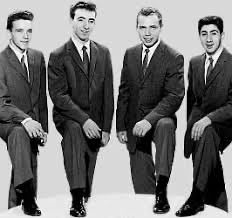
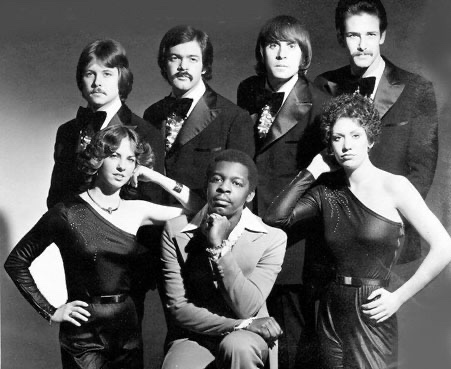
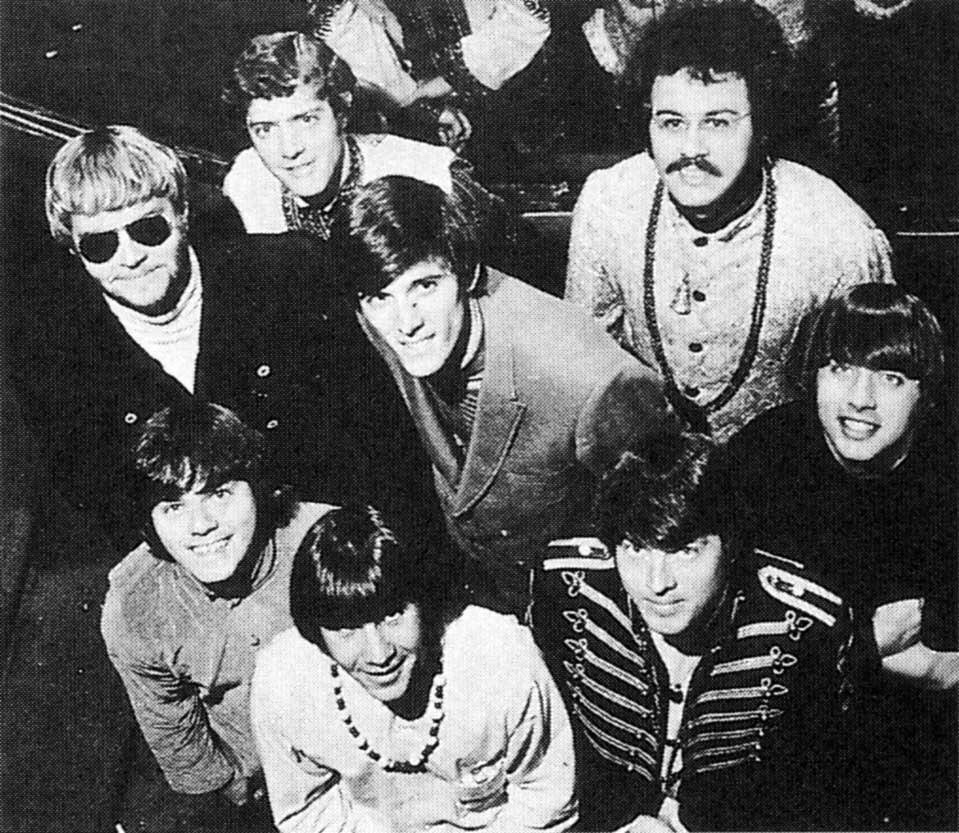
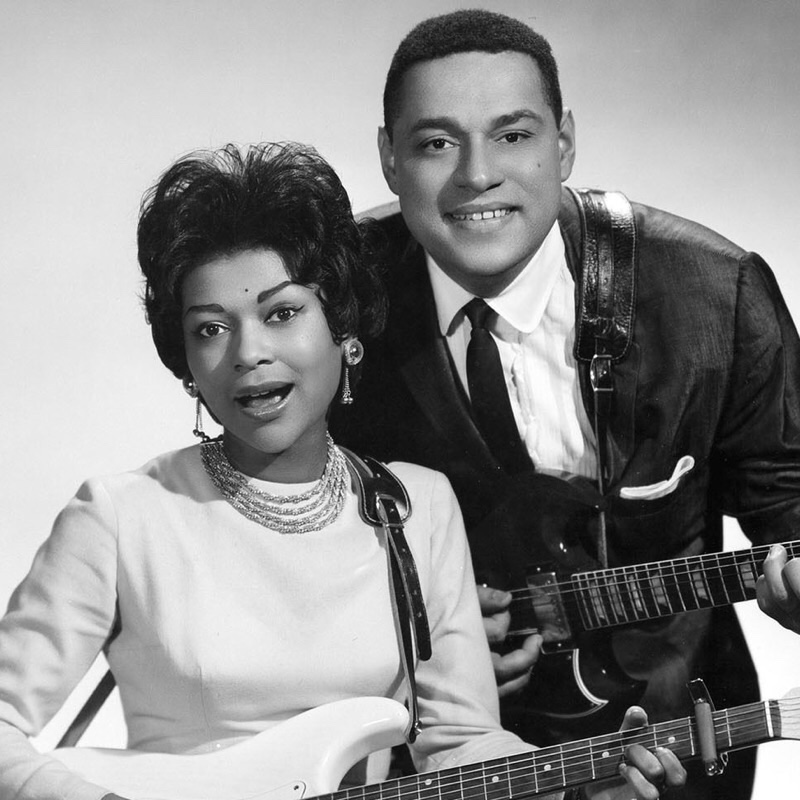
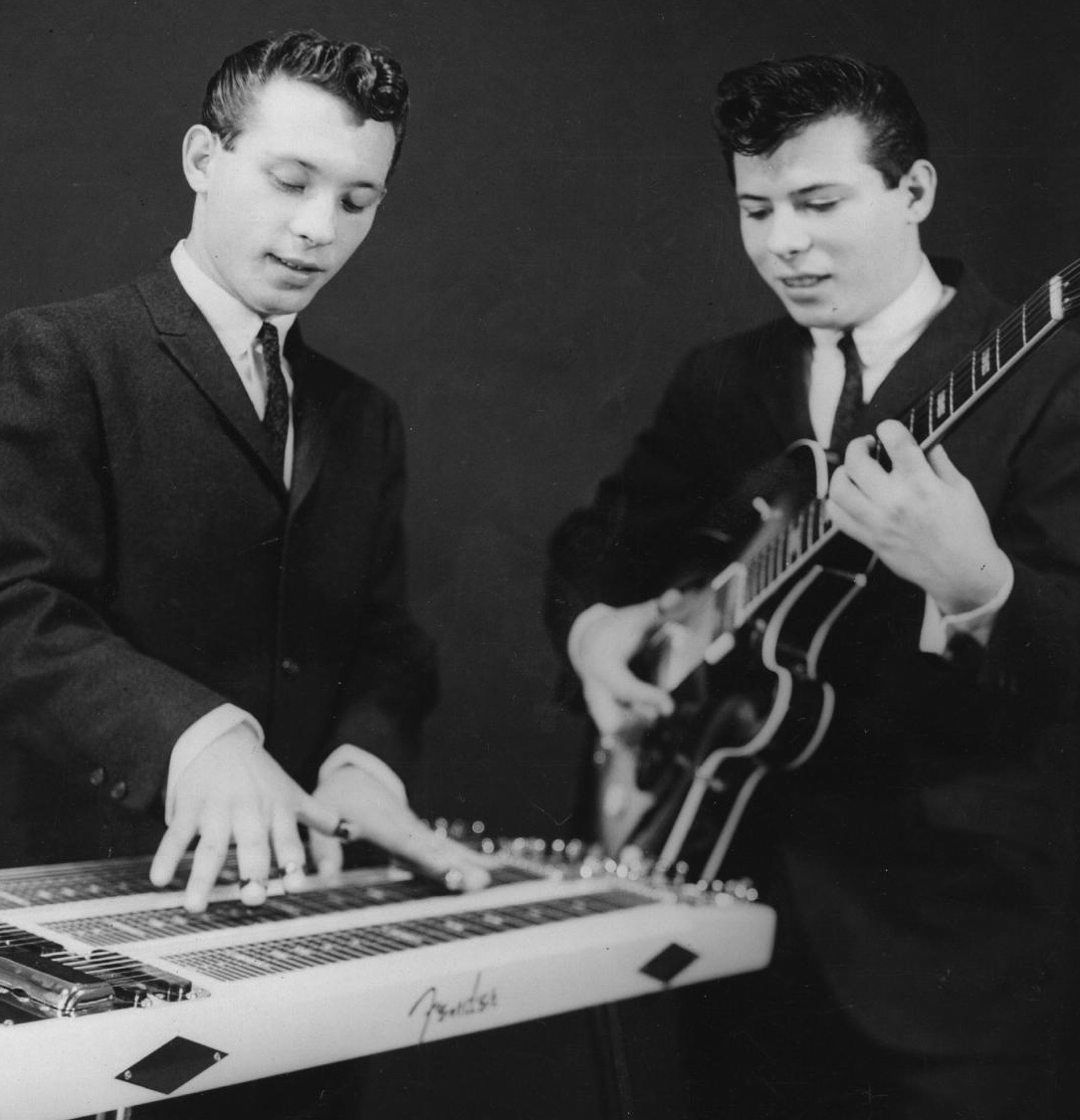

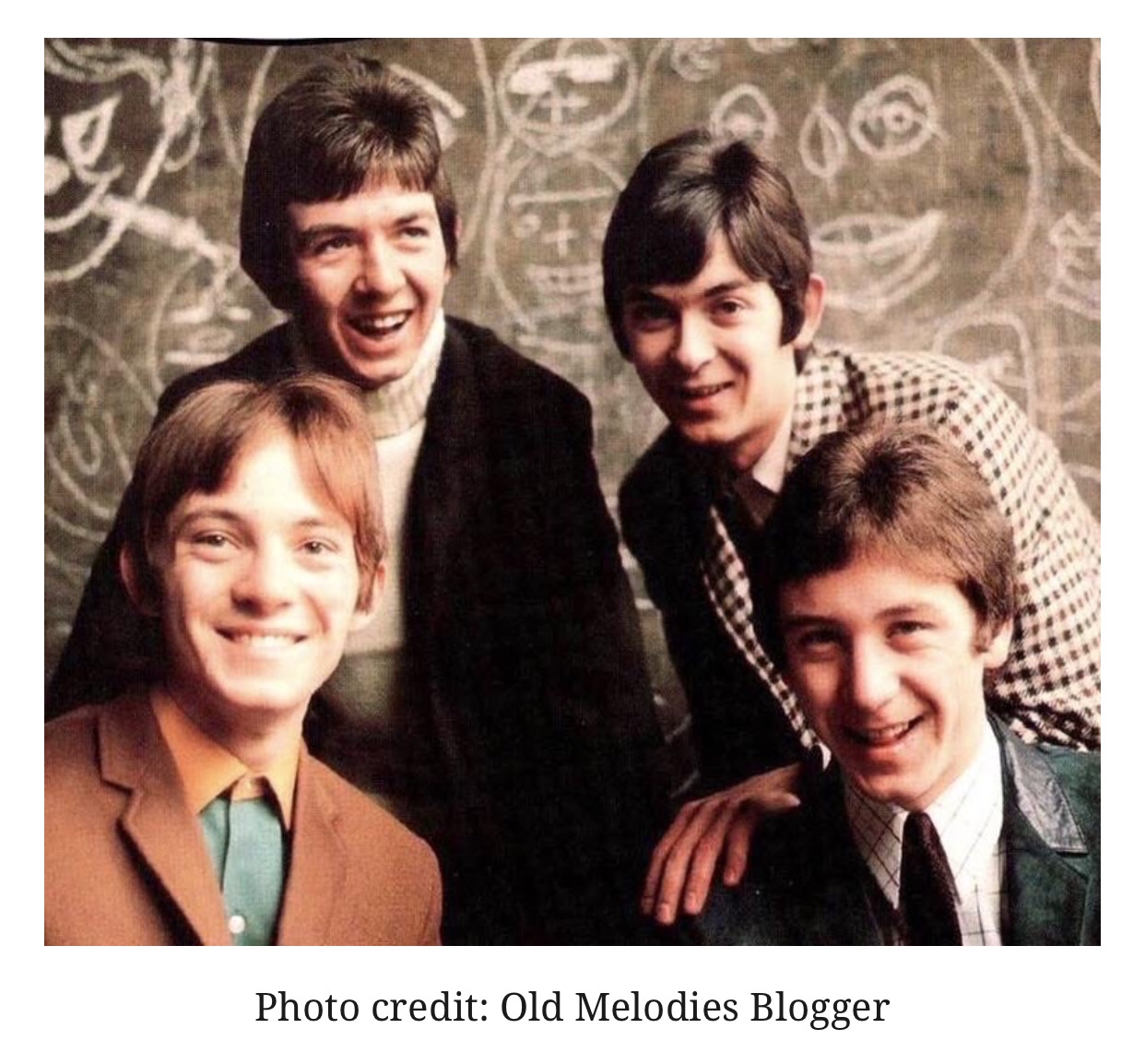
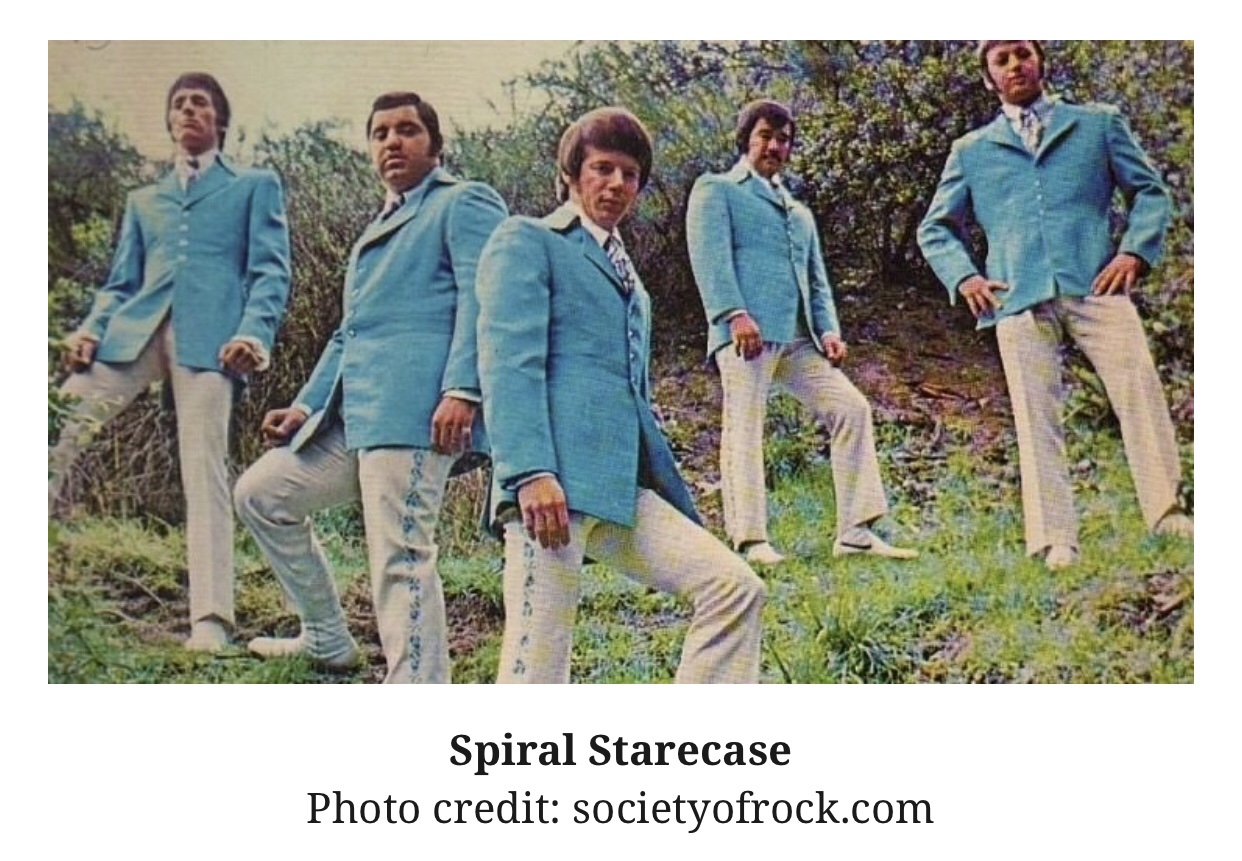
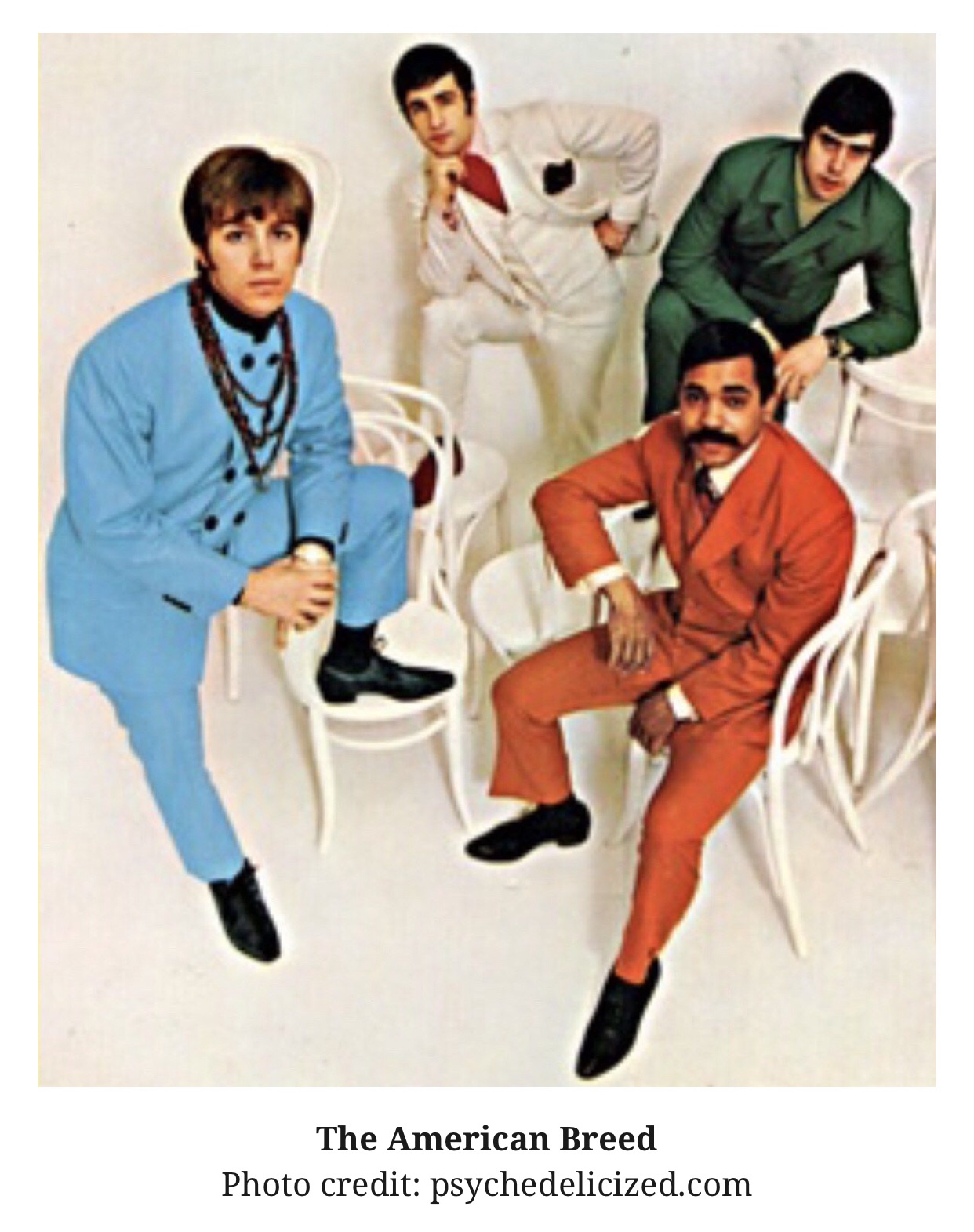
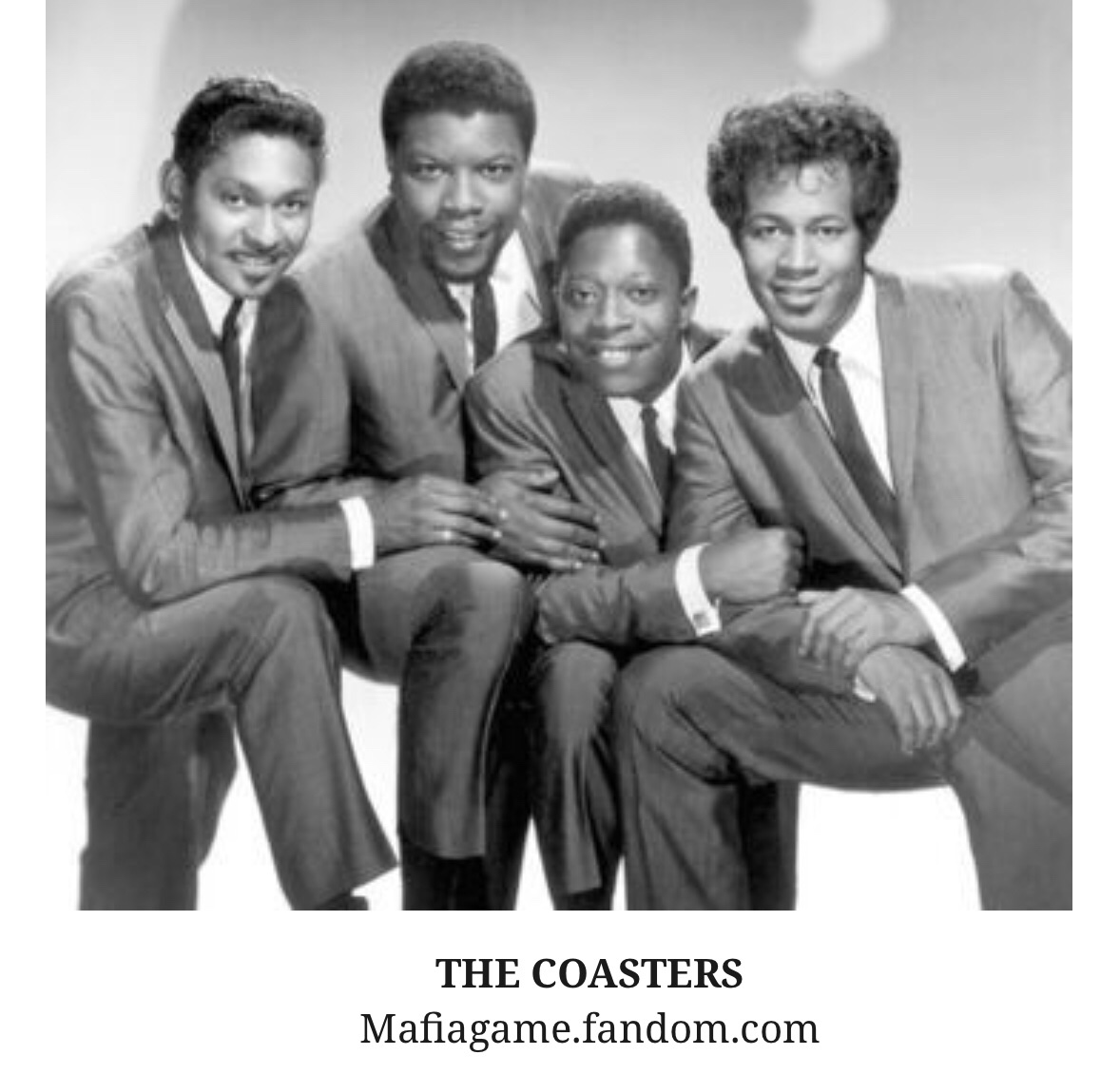
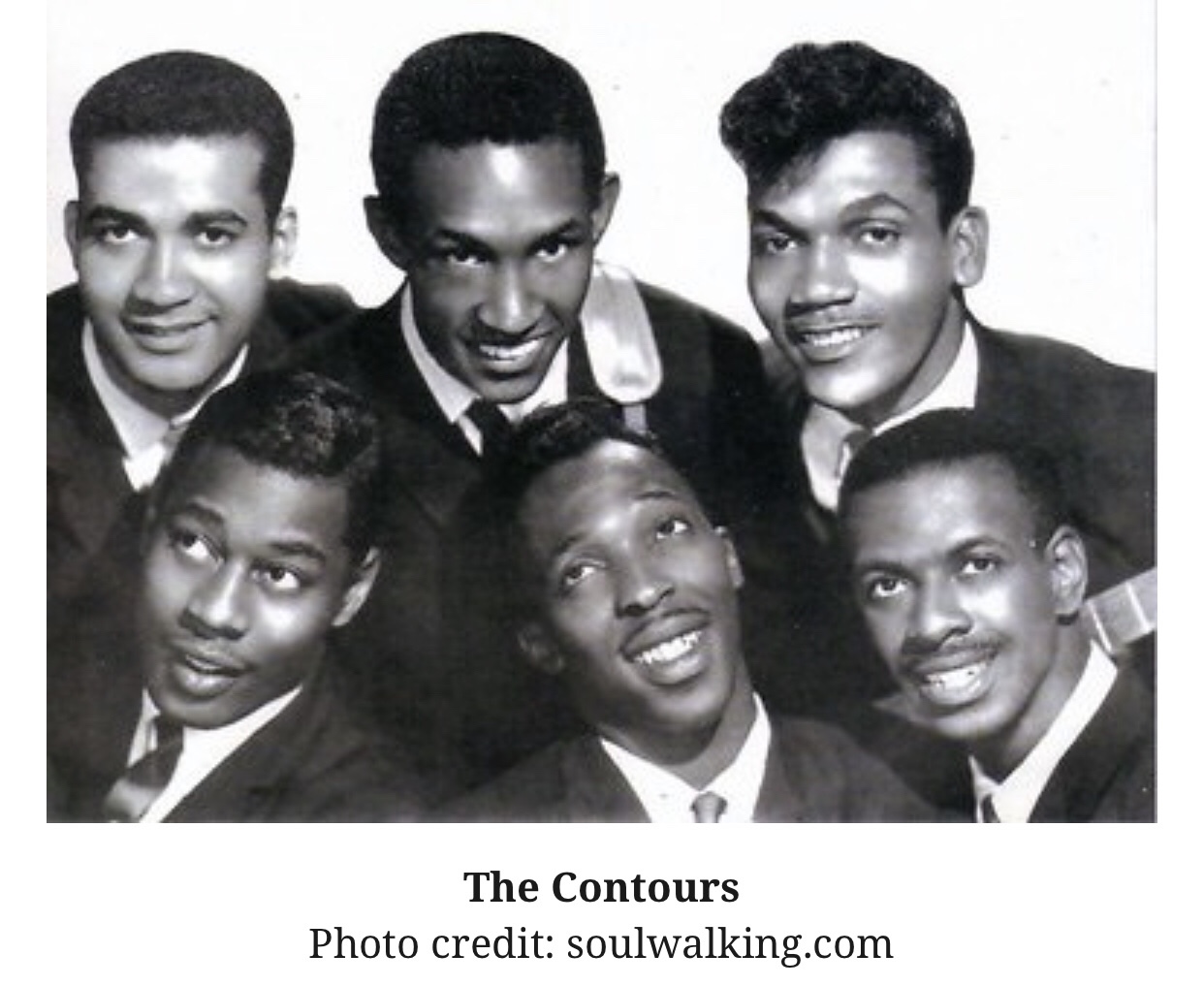

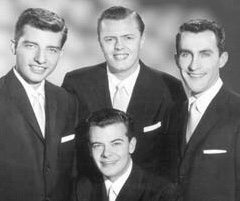
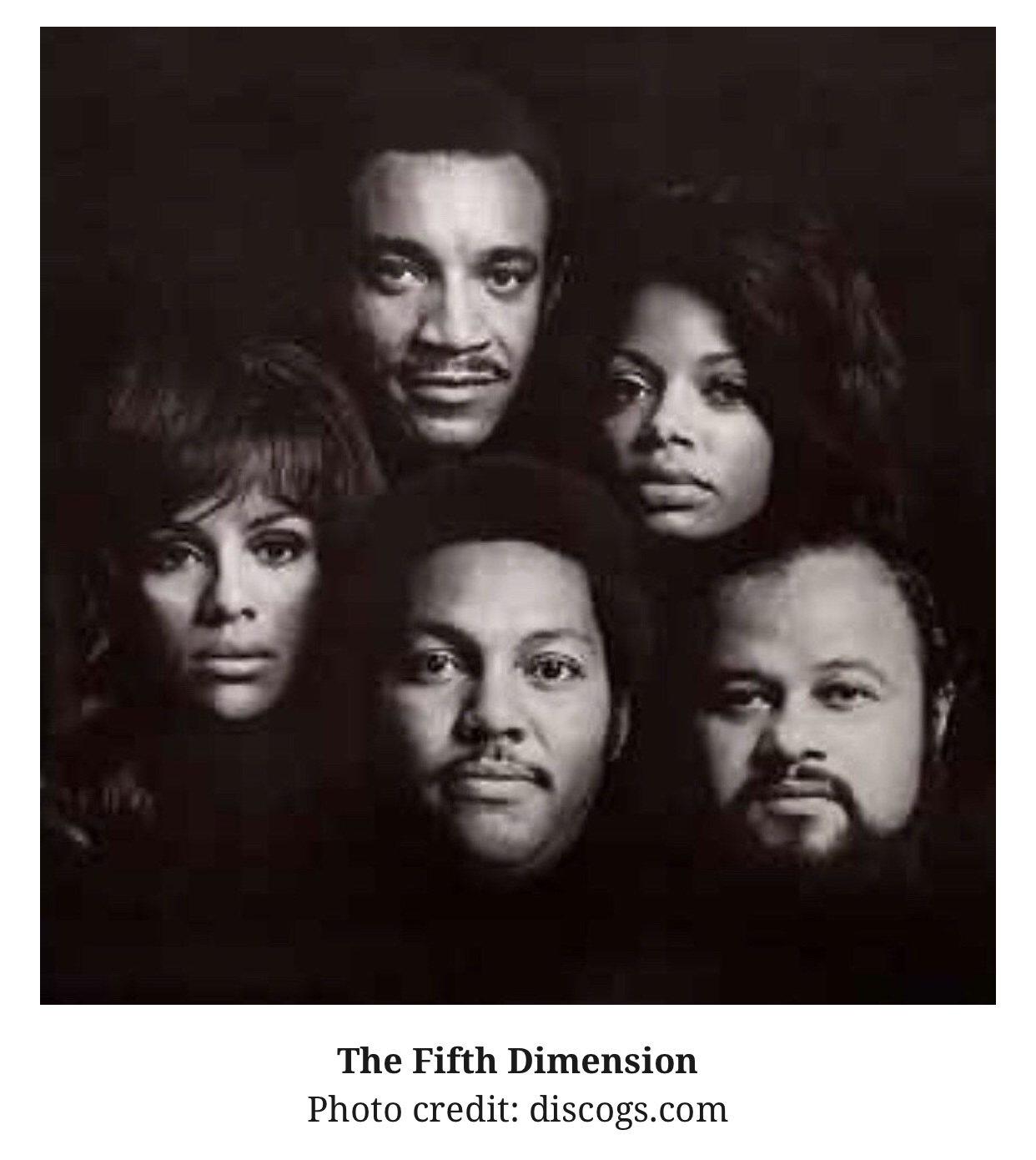
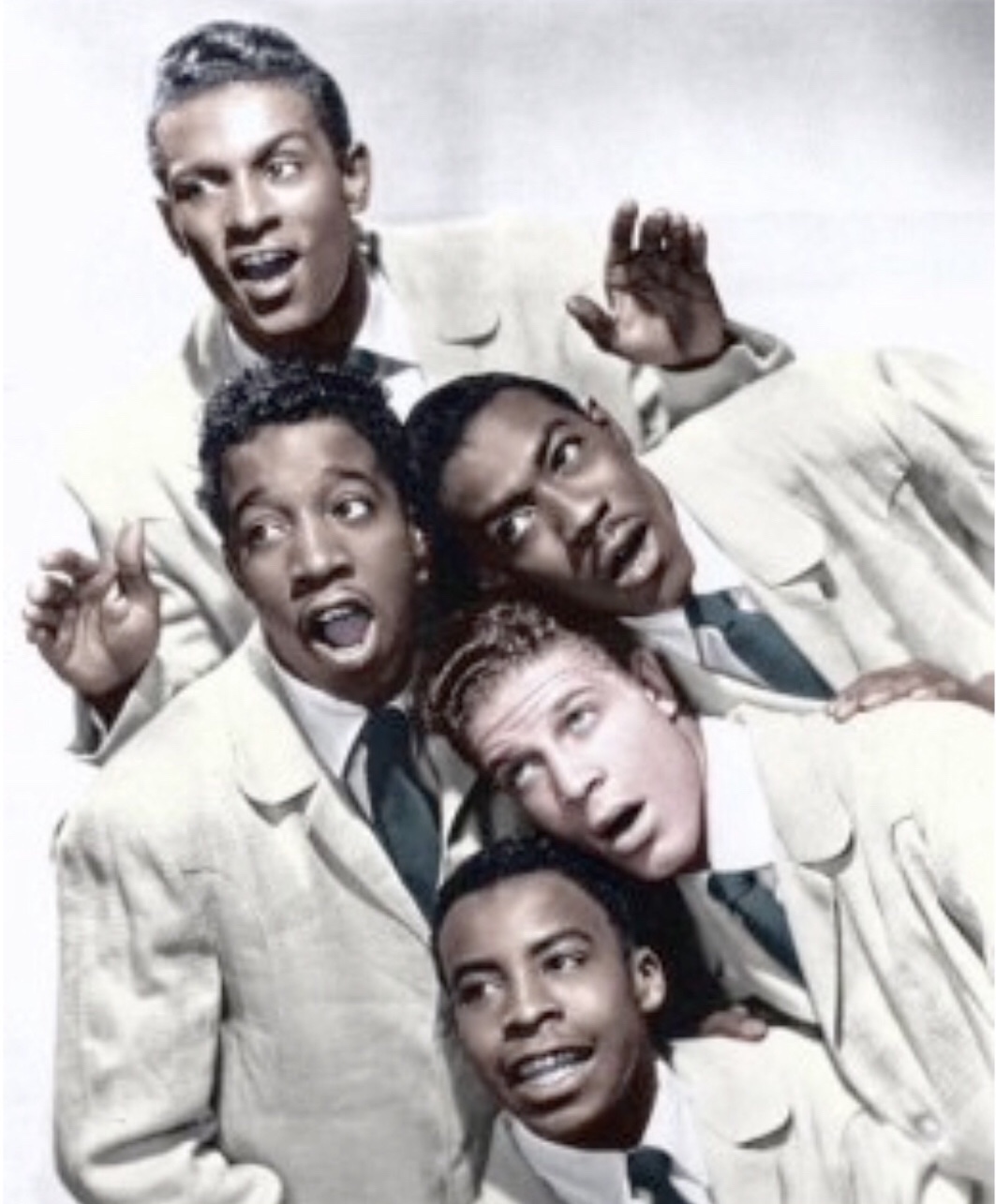

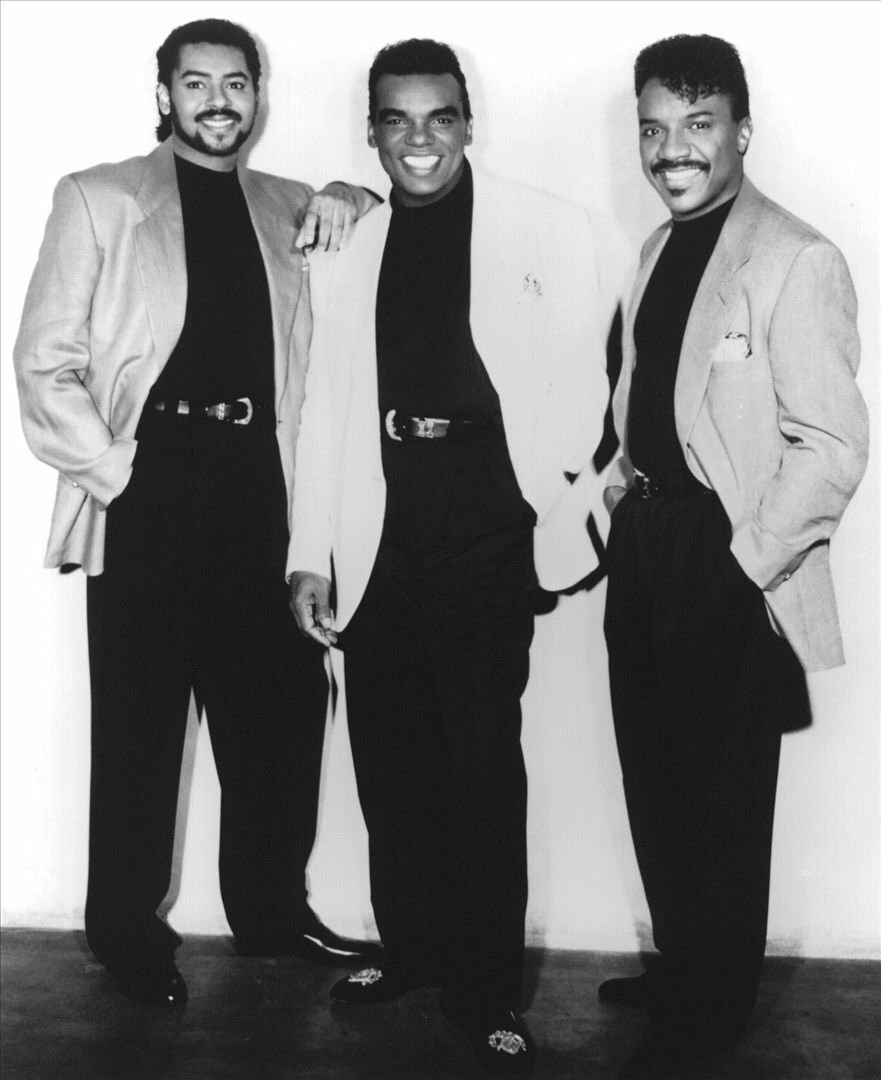
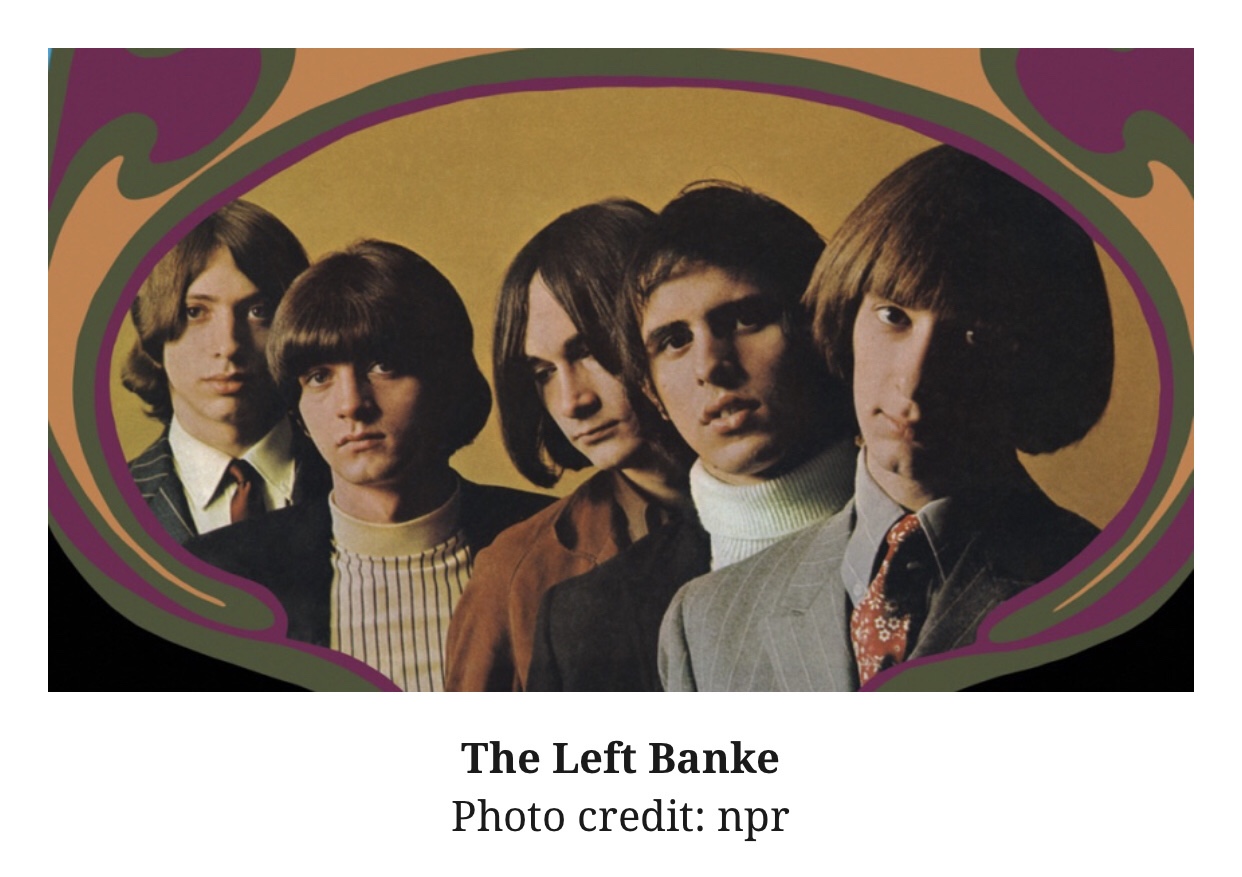
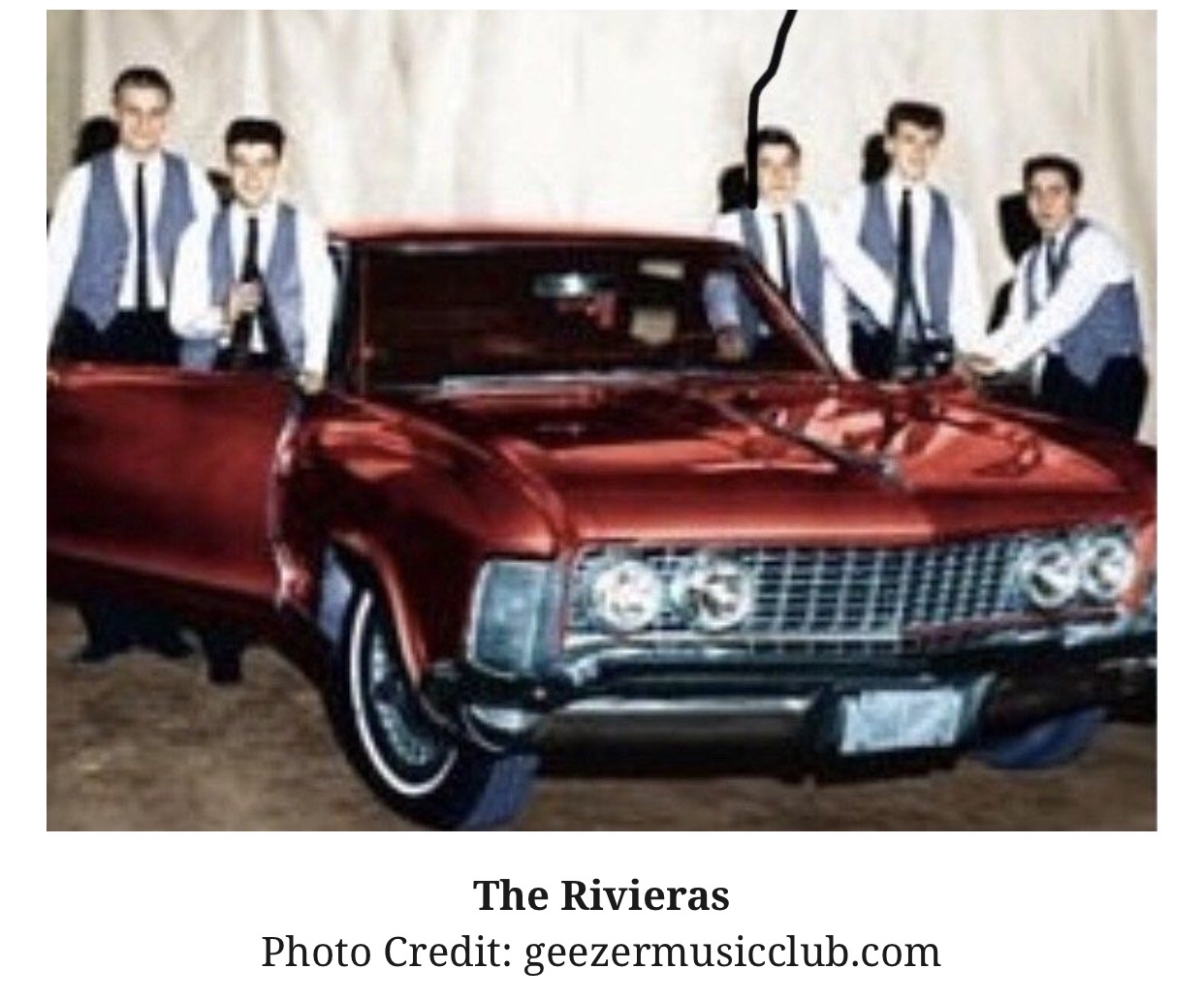
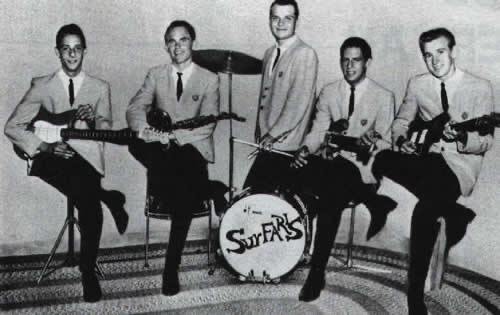
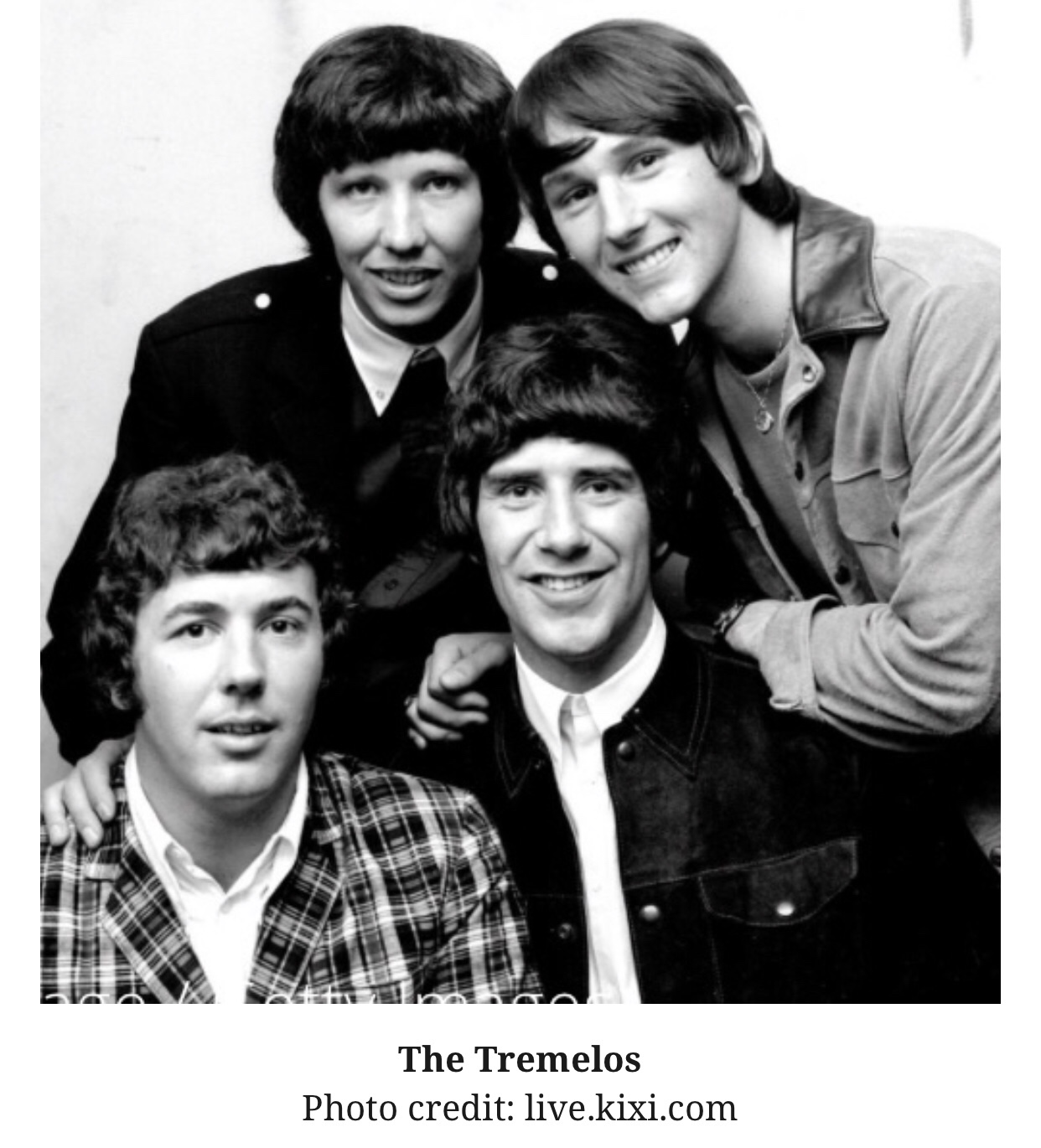
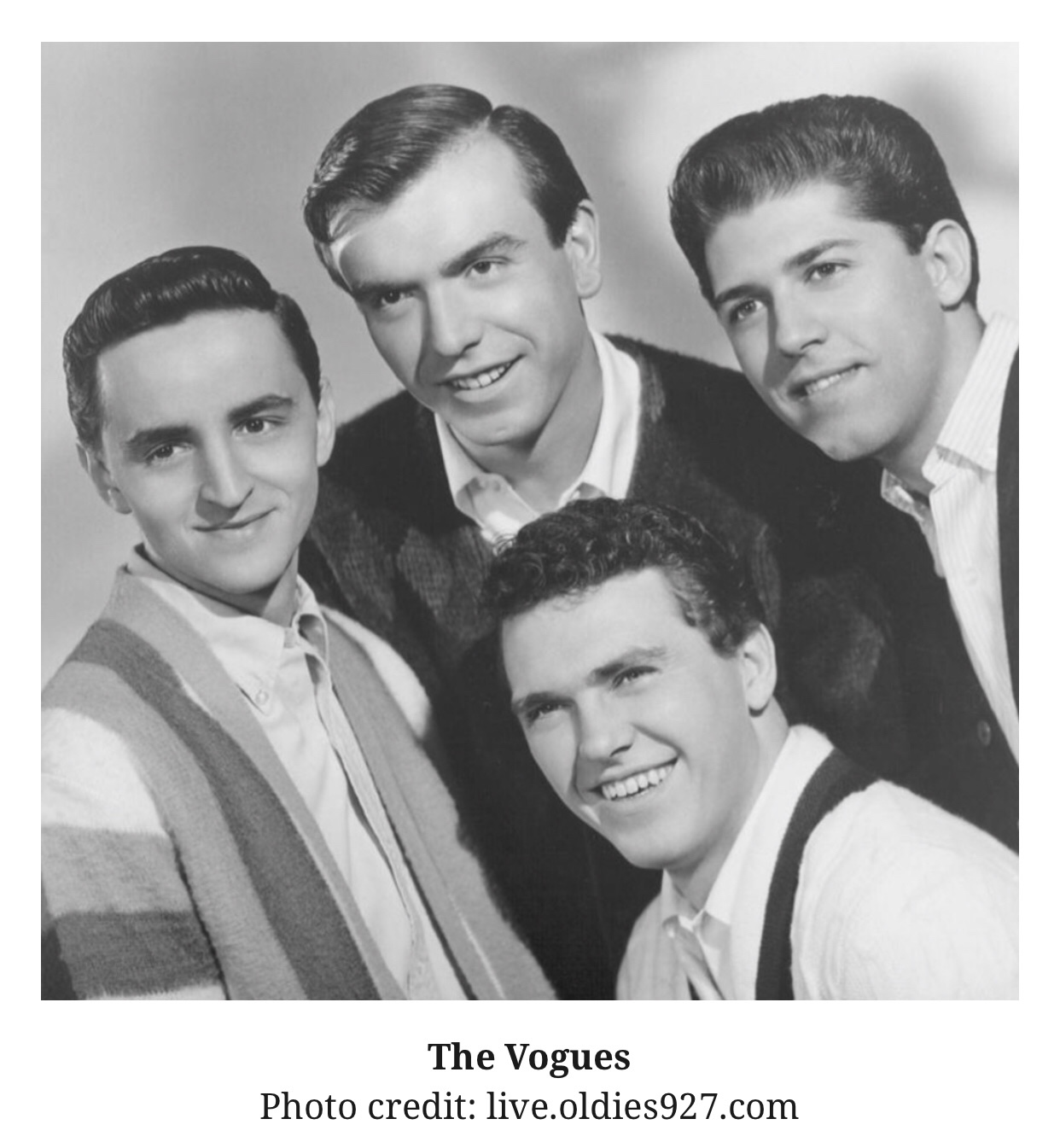





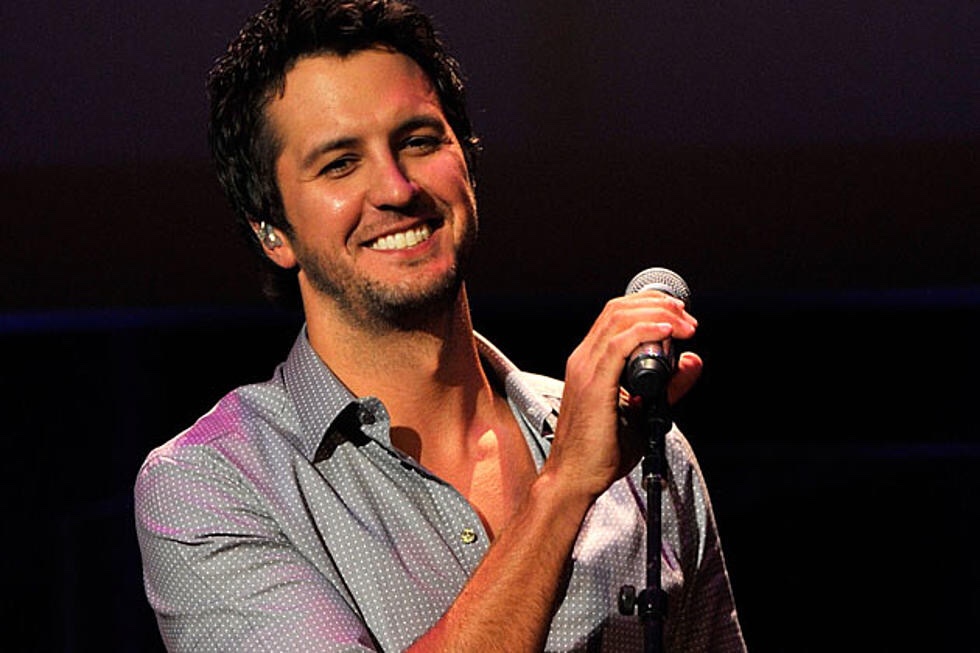


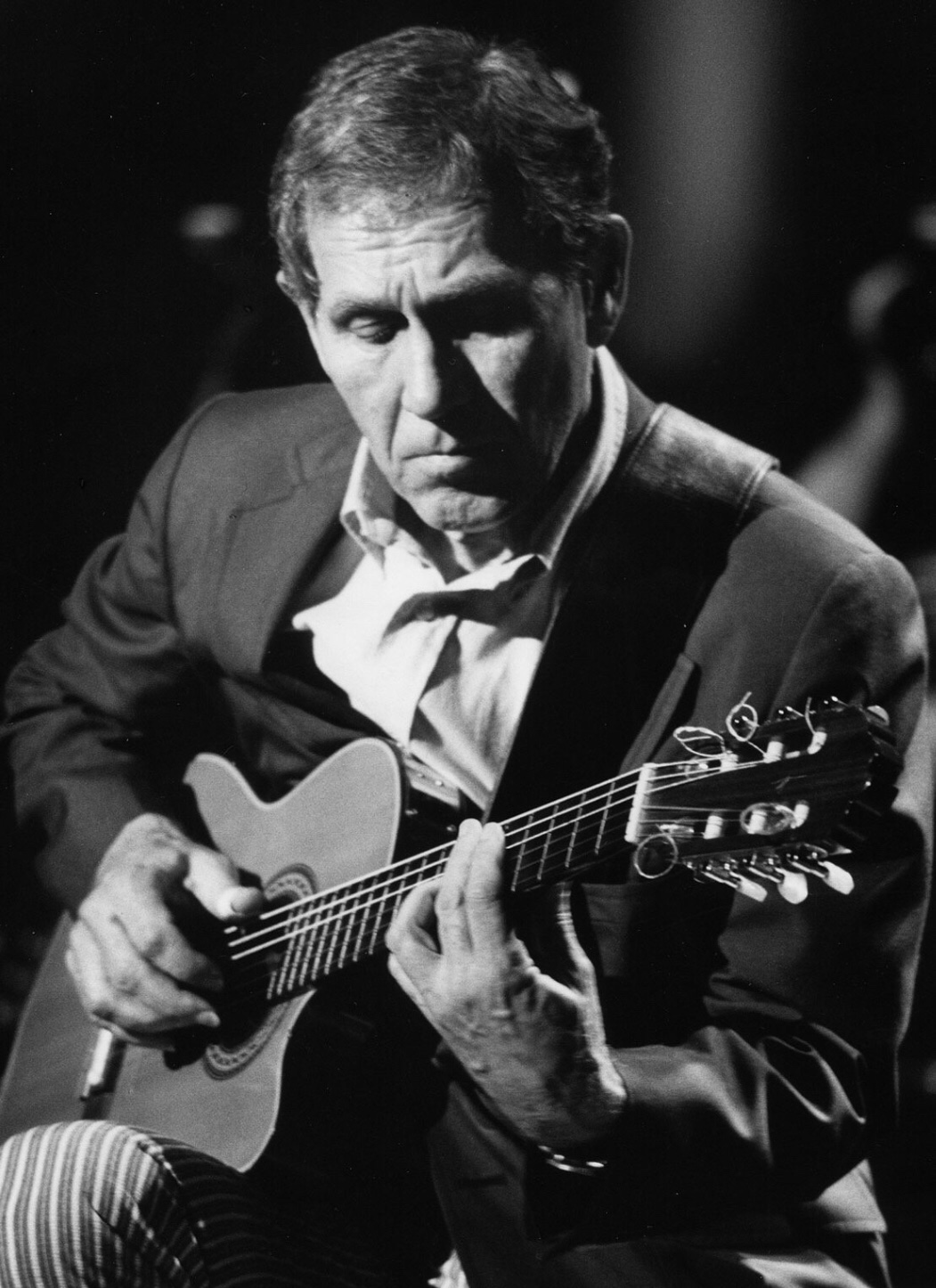


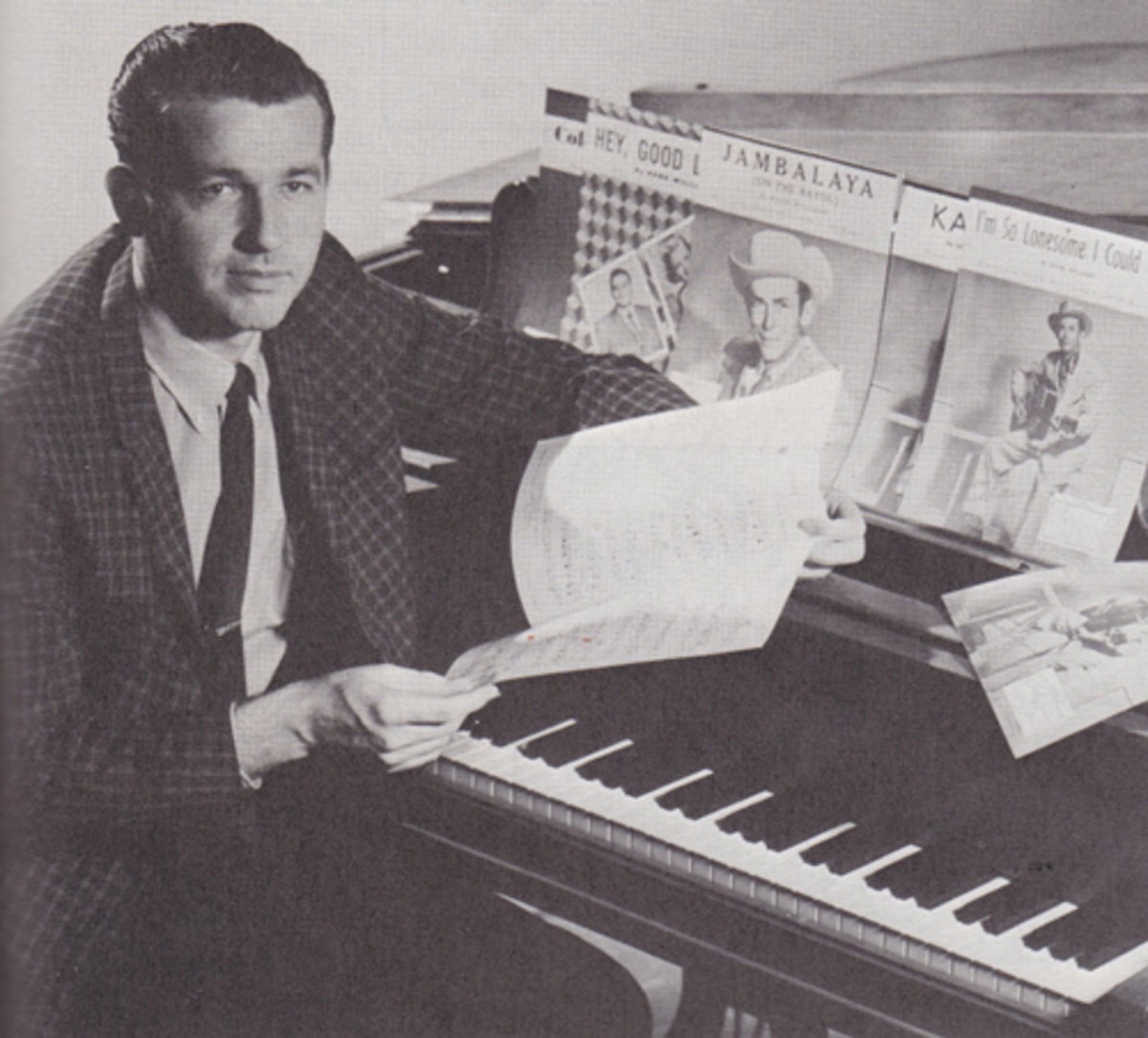
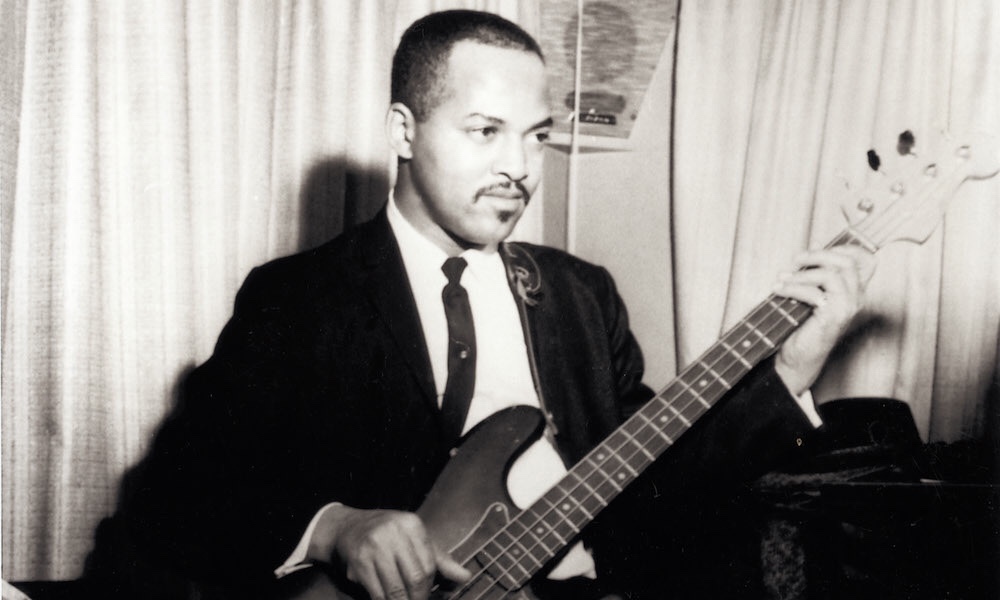
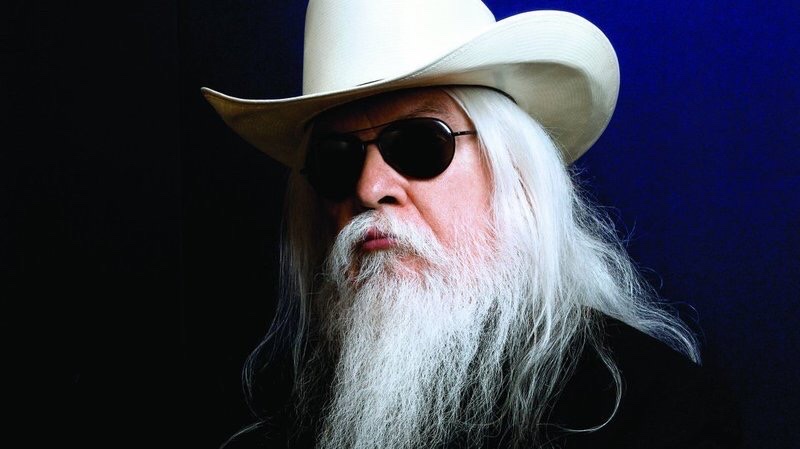





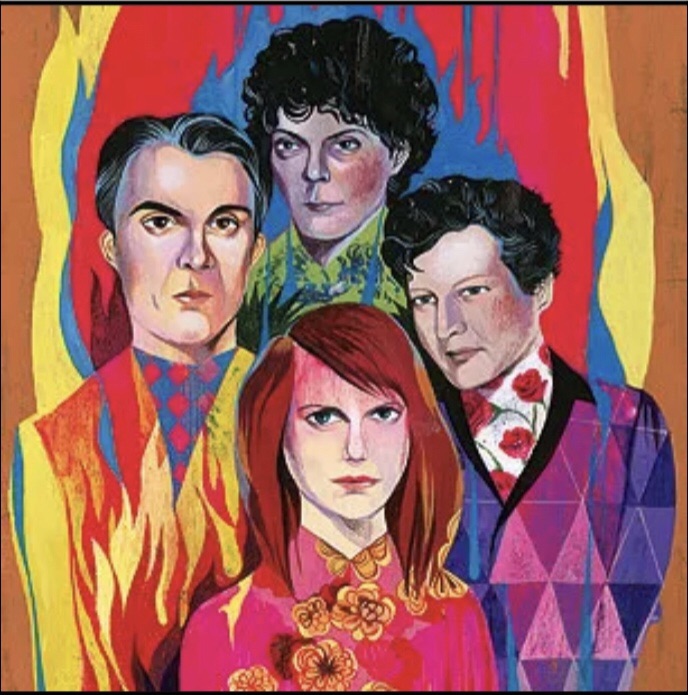
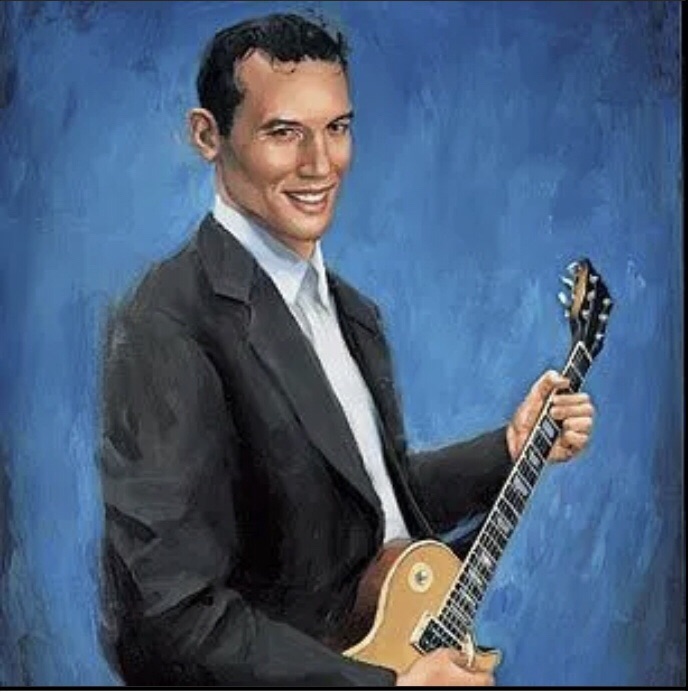
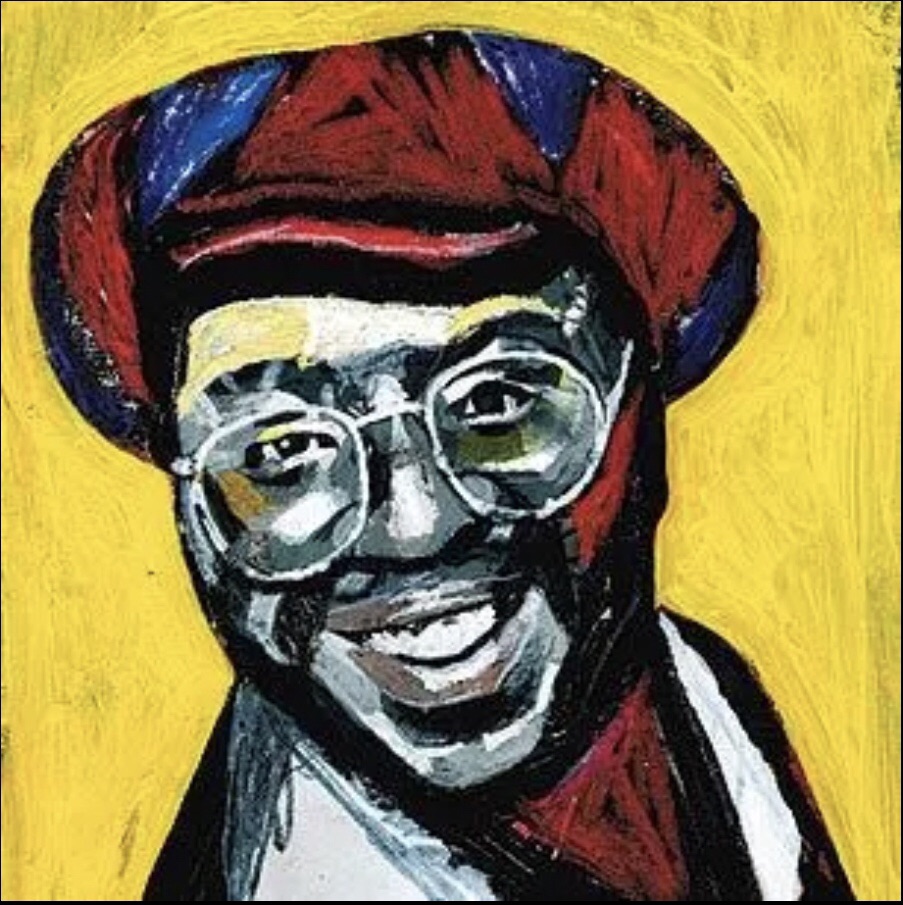
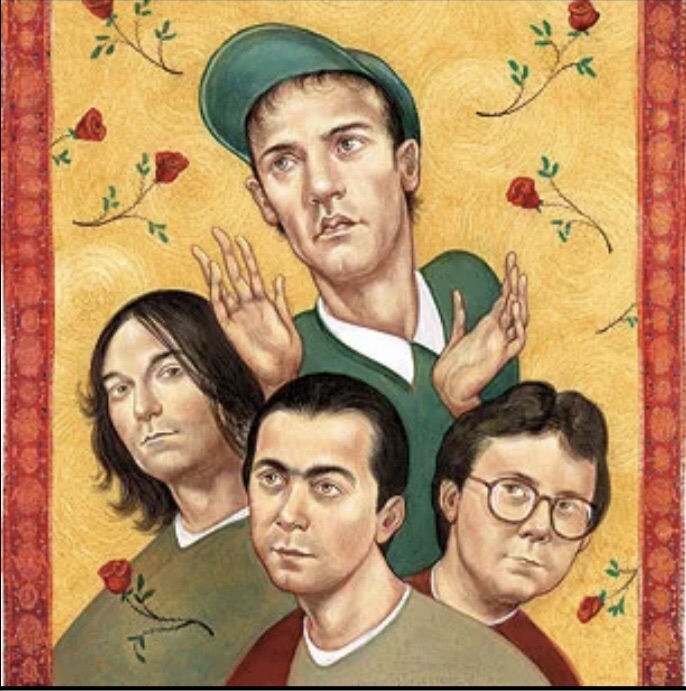

 All-Time Greatest Music